
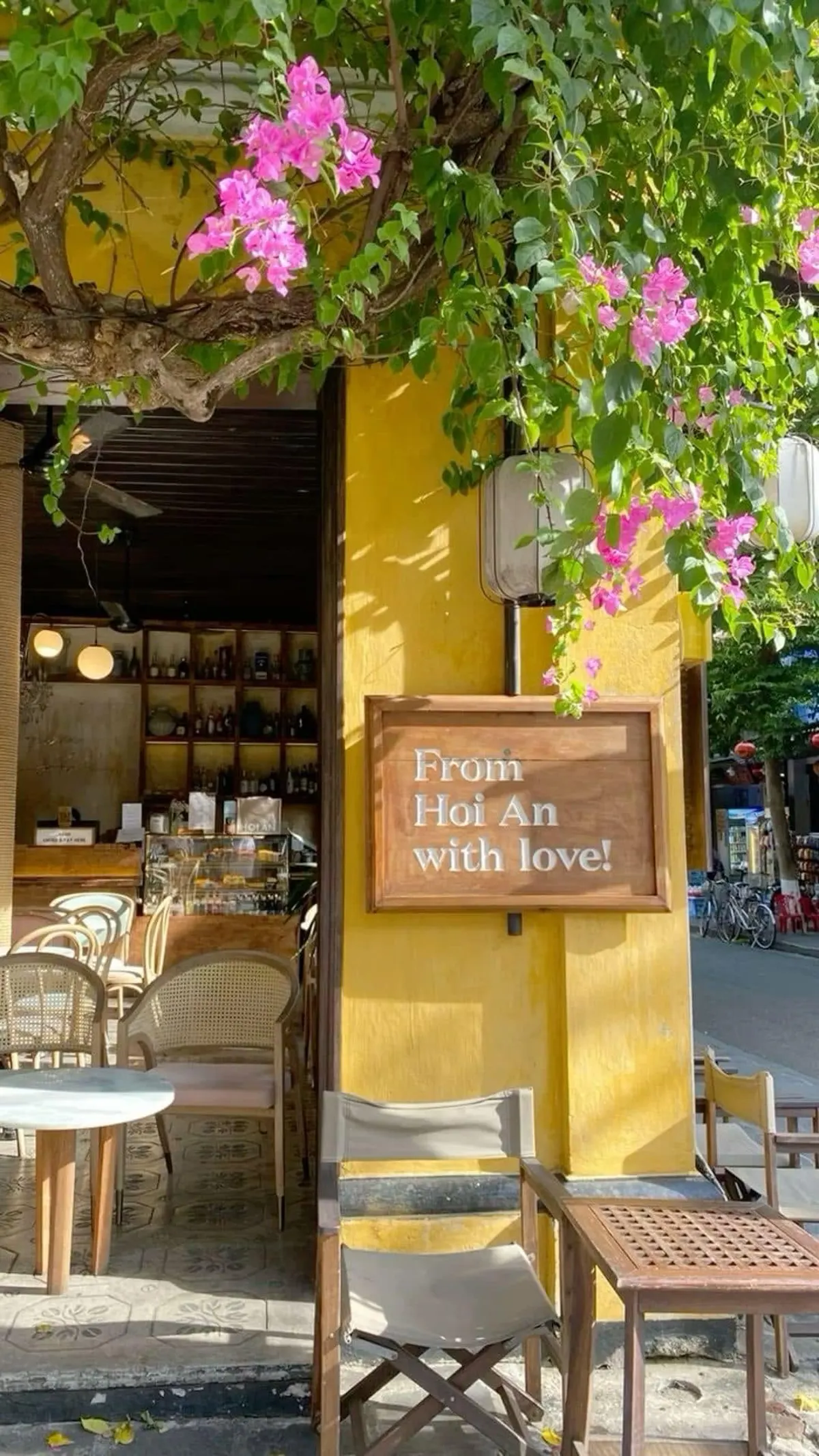
Hoi An offers an excellent setting for exploration by bicycle, providing a distinct perspective on this historic Vietnamese city and its surrounding areas. With its predominantly flat terrain and generally lighter traffic compared to larger urban centers, cycling allows visitors to access a wide range of attractions, from the ancient town's narrow lanes to tranquil rural villages and coastal stretches. It is a favored activity for many who wish to experience the local environment at a relaxed pace.
Why Cycling is Ideal in Hoi An
Hoi An's geographical characteristics make it particularly well-suited for bicycle travel. The city is largely flat, eliminating the challenge of hills, and its compact size means most points of interest are within easy cycling distance. While some Vietnamese cities present daunting traffic conditions, Hoi An generally features a more manageable flow, especially outside the central ancient town area. This makes it an accessible option for various skill levels.
For those interested in cycling, bicycles are widely available. Many hotels and guesthouses provide complimentary bikes for their guests. Alternatively, numerous local shops offer rentals, typically for a fee of about 1 USD per day (current as of early 2020s, verification recommended). Some rental establishments also supply complimentary tourist maps and route suggestions, which can simplify planning your ride. While the city center can experience higher traffic volumes, most cyclists report adapting quickly. Venturing away from the core allows for a more serene experience, with quiet roads and open landscapes.
Exploring Hoi An's Diverse Landscapes by Bicycle
Hoi An and its vicinity present a variety of cycling routes, each offering a different glimpse into local culture and natural beauty. From historical sites to agricultural communities and beaches, a bicycle provides the freedom to pause and observe at will.
Within Hoi An Ancient Town
The ancient town itself is a prime area for cycling. Large sections are restricted to motorbikes, creating a more pedestrian and cyclist-friendly environment. This allows for leisurely rides through historical streets, with ample opportunity to stop at food stalls, artisan shops, coffee houses, and significant heritage sites. The ability to freely explore on a bicycle enhances the sense of discovery within this UNESCO-listed area. While exploring the town, visitors might also consider where to manage their finances, as banking services in Hoi An are readily available to assist travelers.
Tra Que Vegetable Village
Located approximately 3 kilometers from Hoi An's old town, Tra Que is a popular destination for cyclists. This village is renowned for its organic vegetable farms, which supply many local restaurants and households. A visit here offers insights into traditional farming methods, with opportunities to observe local life and even participate in agricultural activities. The area also provides a chance to sample regional dishes prepared with fresh produce.
Cam Kim Island
Cam Kim Island offers a window into traditional Vietnamese rural life. A new bridge now connects the island to the mainland, replacing the previous ferry service. Cycling across to the island, particularly during the early morning or late afternoon, allows for a peaceful exploration of its countryside. Visitors can observe local crafts, such as boat building, and explore the island's market, experiencing a slower pace of life.
Coastal Rides to An Bang and Cua Dai Beaches
The beaches of An Bang and Cua Dai are not far from Hoi An's center, making them accessible by bicycle. The routes to these coastal areas pass through scenic rural landscapes, showcasing local daily life. These beaches are typically less crowded than some other popular coastal destinations and provide amenities such as bicycle parking, beach chairs, showers, and changing facilities. This allows visitors to relax by the ocean, read, or swim after their ride.
Thanh Ha Pottery Village
Situated about 4 kilometers from central Hoi An, Thanh Ha Pottery Village has a history dating back to the 16th and 17th centuries. While fewer artisans practice today, the village still hosts skilled potters. Visitors can observe master craftsmen at work, creating various ceramic pieces. Some workshops also offer the chance to try a potter's wheel, providing a hands-on cultural experience.
Challenging Routes: A Day Trip to My Son Sanctuary
For more experienced cyclists seeking a longer excursion, a trip to My Son Sanctuary is an option, though it presents a greater challenge. The sanctuary is approximately 35 kilometers from Hoi An. The most direct route can be quite busy with traffic. An alternative, less trafficked road exists, but it extends the journey by about 20 kilometers. It is advisable to begin this ride early in the morning to avoid the midday heat and to experience My Son during sunrise, which is often considered a particularly beautiful time to visit the ancient ruins.
Essential Cycling Tips for Hoi An
To ensure a safe and enjoyable cycling experience in Hoi An, consider the following practical advice:
- Timing Your Ride: Roads can become quite crowded during peak daylight hours. Riding early in the morning or late in the afternoon can offer a more relaxed experience with fewer people and cooler temperatures.
- Weather Preparedness: Hoi An can be hot during the day. It is recommended to wear light clothing, use a hat, apply sun cream, and carry sufficient bottles of water to stay hydrated.
- Bike Condition Check: Before setting out, always inspect your bicycle to ensure it is in good working order, checking tires, brakes, and chain.
- Traffic Awareness: Exercise caution while cycling. Traffic, particularly motorbikes, can approach from various directions, so maintaining awareness of your surroundings is important.
- Night Cycling: Generally, cycling in Hoi An at night is not recommended. Some vehicles may not use their lights, and many traffic signals are turned off after 10 p.m., increasing risks.
- Visibility at Night: If you must cycle after dark, wear reflective clothing and ensure your bicycle is equipped with both front and rear lights for visibility.
- Bike Security: Always secure your bicycle with a lock when not in use, or park it in designated, supervised areas to prevent theft. After a day of cycling, many visitors enjoy exploring local markets for unique purchases and souvenirs to remember their trip.
Frequently Asked Questions
Is Hoi An suitable for cycling?
Yes, Hoi An is highly suitable for cycling due to its flat landscape, relatively small size, and less intense traffic compared to other major Vietnamese cities, especially outside the ancient town.
Where can I rent a bicycle in Hoi An?
Bicycles are commonly available for rent from many hotels, hostels, and specialized rental shops located throughout Hoi An. Some accommodations offer them free of charge to guests.
How much does it typically cost to rent a bicycle in Hoi An?
Bicycle rental fees in Hoi An are generally affordable, often around 1 USD per day, though prices may vary slightly depending on the rental duration and provider.
Is it safe to cycle in Hoi An at night?
Cycling in Hoi An at night is generally not advised due to reduced visibility from unlit vehicles and the deactivation of many traffic lights after 10 p.m., which can increase safety risks.
What are some popular cycling destinations near Hoi An?
Popular cycling destinations include Tra Que Vegetable Village, Cam Kim Island, An Bang and Cua Dai Beaches, Thanh Ha Pottery Village, and for a longer trip, My Son Sanctuary.








