
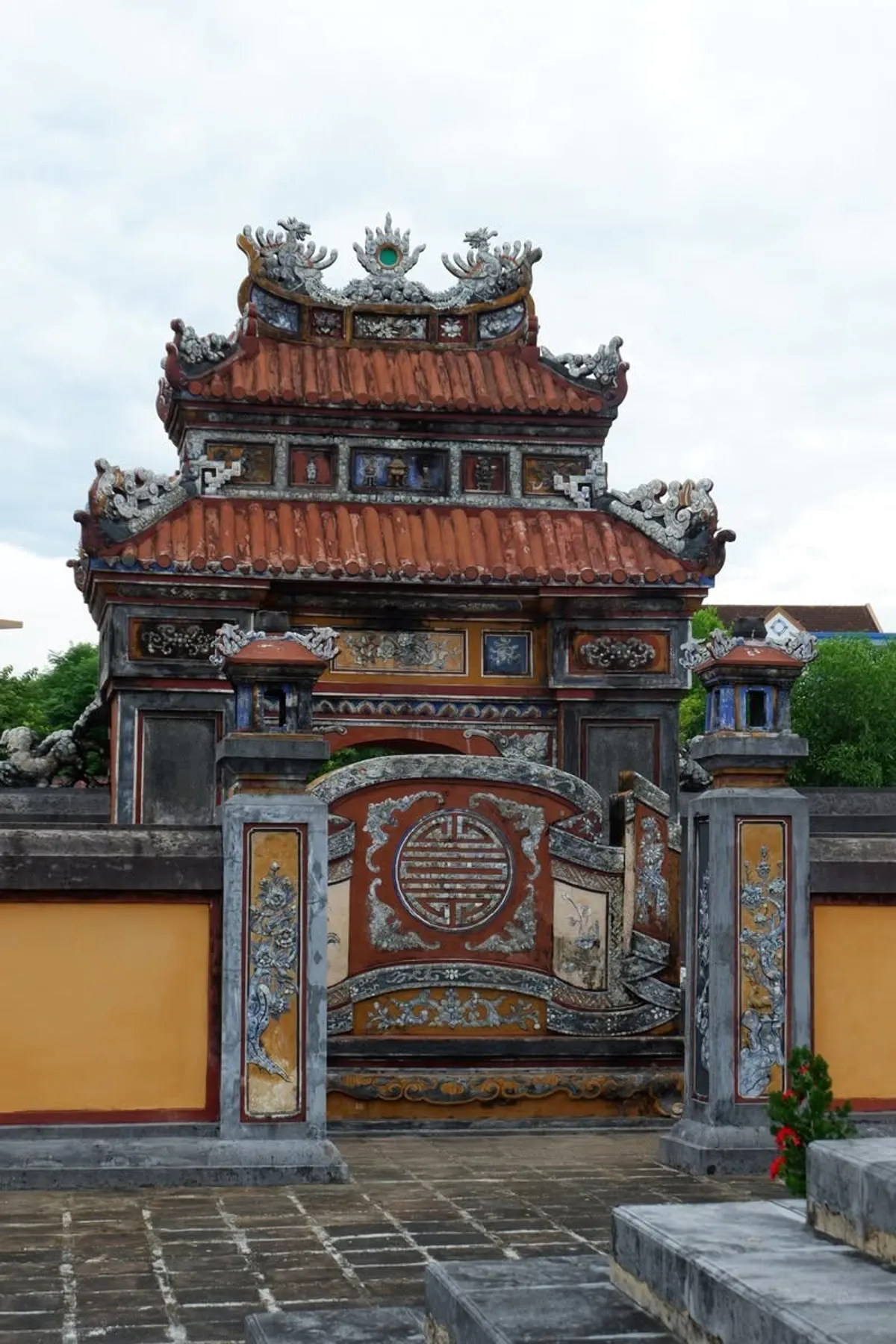
Hue, Vietnam's former imperial capital, offers an exceptional setting for bicycle exploration. Its historical significance, cultural depth, and relatively calm traffic conditions make it a prime destination for visitors seeking to experience the city and its surroundings at a leisurely pace. Cycling provides an intimate perspective on Hue's ancient monuments, serene garden houses, and the peaceful rural landscapes just beyond the urban core.
This guide provides comprehensive information for planning a cycling trip in Hue, including suggested routes ranging from easy city tours to longer countryside expeditions, along with practical advice on bike rentals, optimal travel times, and essential gear to ensure an enjoyable and informed journey.
Why Choose Cycling in Hue?
Hue stands out as a premier location for cycling within Vietnam, primarily due to its reduced traffic density compared to larger metropolitan areas. This characteristic contributes to a safer and more pleasant riding environment. Many visitors find that traversing the city by bicycle allows for a deeper connection with its heritage, whether pedaling along the banks of the Perfume River to the Citadel or visiting various temples located a short distance from the city center.
For those who enjoy more extensive rides, venturing into the tranquil countryside outside Hue offers a distinct experience. The ease of access to rural areas from the city center, especially on a bicycle, allows individuals to explore locations less frequented by other travelers. This provides an authentic glimpse into local life and the natural beauty of the region, fostering a sense of calm and discovery.
Recommended Cycling Routes in Hue
Here are several suggested cycling itineraries for Hue, ranging from shorter excursions suitable for most riders to more demanding expeditions for experienced cyclists.
Trail 1: Imperial City and Riverside Landmarks (Easy to Moderate)
This route typically begins from accommodations in central Hue. Cyclists cross the Trang Tien Bridge to reach the Hue Citadel, the city's most significant historical complex. Riding around the exterior of the Citadel offers a sense of its grand scale, and the surrounding streets are pleasant for casual exploration. After touring the Citadel, the route continues along the Perfume River to An Hien Garden House. This traditional residence, dating back to 1895, features well-maintained grounds. The journey then proceeds to Thien Mu Pagoda, a prominent 17th-century spiritual structure in Vietnam. Arriving earlier in the day is advisable to avoid warmer temperatures and larger crowds.
For a shorter ride, return from Thien Mu Pagoda by crossing the Da Vien Bridge. Along Le Loi Street, points of interest include Hue's colonial-era train station and the Quoc Hoc National School. This primary loop, including detours, covers approximately 15 to 20 kilometers. For a more challenging ride, extend the journey to Minh Mang Tomb, then return via Khai Dinh's tomb. Additionally, the ruins of Nam Giao, a spiritual center for the Nguyen Dynasty, can be included. This extended route spans roughly 40-50 kilometers.
Trail 2: Imperial City and Gia Long’s Tomb (Moderate)
This itinerary builds upon the first trail. After visiting Minh Mang's Tomb, cyclists proceed to Gia Long's Tomb. Gia Long was the inaugural monarch of the Nguyen Dynasty. His mausoleum is situated in a scenic area and typically receives fewer visitors. Gia Long's mausoleum is approximately 8 kilometers from Minh Mang's tomb, which is about 18 kilometers from Hue city center. Depending on any additional detours within Hue, this route generally covers between 50 and 60 kilometers.
Trail 3: Local Culture and Urban Exploration (Easy to Moderate)
This alternative route focuses on local life and urban architecture. It begins at Quoc Hoc School, Hue's National School, located beside the Perfume River. Many notable Vietnamese historical figures attended this institution, including Ho Chi Minh. While interior access might not always be possible, the colonial complex itself holds significant historical value. Across the street, a memorial commemorates Vietnamese lives lost in WWI, serving as a reminder of the French colonial period.
From here, cyclists can navigate to the main Hue Catholic Cathedral, situated away from the river. Continuing along Phan Dinh Phung Street leads to the former royal residence, Cung An Dinh. Return to Hue's center by re-crossing the Trang Tien Bridge (also known as Truong Tien Bridge) and turning right. Before freely exploring the Chi Lang region and Bach Dang Street, a stop at Dong Ba Market is recommended. These areas offer a wealth of architectural sights, temples, and local street food options. The Chi Lang neighborhood was historically recognized as Hue's Chinatown, providing a glimpse into diverse cultural influences. For those interested in traditional crafts and local products, the market and surrounding streets offer many opportunities.
Trail 4: Thanh Toan Village and Tam Giang Lagoon (Easy to Moderate)
Thanh Toan village, situated 8 kilometers east of Hue, is recognized for its pleasant roads, calm rural setting, and its distinctive tile-roofed bridge. For individuals wishing to observe the serene character of a Vietnamese village and gain insight into local daily routines, a bike trip to Thanh Toan village presents an excellent choice. Riding through the village allows for appreciation of its peaceful atmosphere.
After visiting Thanh Toan Village, the route continues to Tam Giang Lagoon, where visitors can interact with local residents and learn about traditional Vietnamese fishing methods. Cycling through My Thanh, Bao La, and Tan My Villages also provides opportunities to meet local artisans and observe their crafts.
Practical Advice for Cycling in Hue
Preparing adequately for a cycling trip in Hue can enhance the overall experience. Here are some key considerations:
Bicycle Rentals
Hue is noted for offering reasonable bicycle rental options. Many hotels and guesthouses provide basic bicycles, which are suitable for shorter excursions. For longer routes or more challenging terrain, a bicycle equipped with gears is generally more appropriate. Some accommodations may include bicycle rental as part of the room rate. Alternatively, bicycles can be rented affordably from various establishments in the city center. While specific contact details were not supplied, some suggested bicycle rental providers in Hue known for offering quality bikes and services include Grasshoppers, Hue Smile, and Motorbike Nguyen Tu.
When planning your trip, remember that managing finances while traveling in Hue City is straightforward, with numerous banking institutions available for currency exchange or cash withdrawals.
Optimal Cycling Season
The period from March to May is generally considered the most favorable for cycling in Hue, characterized by less rainfall and comfortable temperatures. The summer months, from June to August, are typically hot and sunny, which can make cycling more demanding, though these months experience moderate precipitation compared to other times of the year. From October to January, Hue often receives significant rainfall, primarily light drizzle, but localized flooding can occur in certain areas. While temperatures are lower during this time, offering more comfort for cycling, riders should be prepared for wet conditions.
Essential Gear and Safety
- Sun Protection: Given Hue's central Vietnam location, exposure to the sun can be significant. It is crucial to apply ample sun cream and bring a hat, UV protection gloves, and sunglasses.
- Hydration: Always carry a bottle of water on any cycling trip in Hue. If participating in an organized bicycle tour, operators typically provide water, but bringing an additional bottle is a good practice.
- Security: While many parking areas are available near attractions and tombs, carrying a personal bike lock is advisable for added security when leaving your bicycle unattended.
Frequently Asked Questions
What makes Hue a good city for cycling?
Hue is considered excellent for cycling due to its historical sites, cultural depth, and notably less traffic compared to larger Vietnamese cities. This creates a safer and more enjoyable environment for exploring both urban landmarks and the surrounding countryside.
Are there options for different cycling skill levels?
Yes, Hue offers a variety of cycling routes catering to different skill levels. There are easy routes suitable for casual riders exploring the city center and its immediate surroundings, as well as moderate to longer routes that venture further into the countryside and to more distant tombs, requiring more endurance.
What should I pack for a cycling trip in Hue during the rainy season?
If traveling to Hue during the winter months (November to January), which often see considerable rain, it is essential to pack a waterproof jacket, rain clothes, and long-sleeved shirts. Checking local weather forecasts before setting out for the day is also highly recommended.
Can I rent a bicycle with gears in Hue?
Yes, while many hotels offer basic bicycles suitable for short trips, specialized rental shops in Hue provide higher-quality bikes, including those with gears, which are better suited for longer and more demanding cycling routes outside the city center.
Is it safe to cycle alone in Hue?
Cycling in Hue is generally considered safe, especially within the city where traffic is less dense than in other major Vietnamese cities. However, as with any travel, it's always wise to be aware of your surroundings, follow local traffic laws, and take precautions like carrying a lock for your bicycle.








