
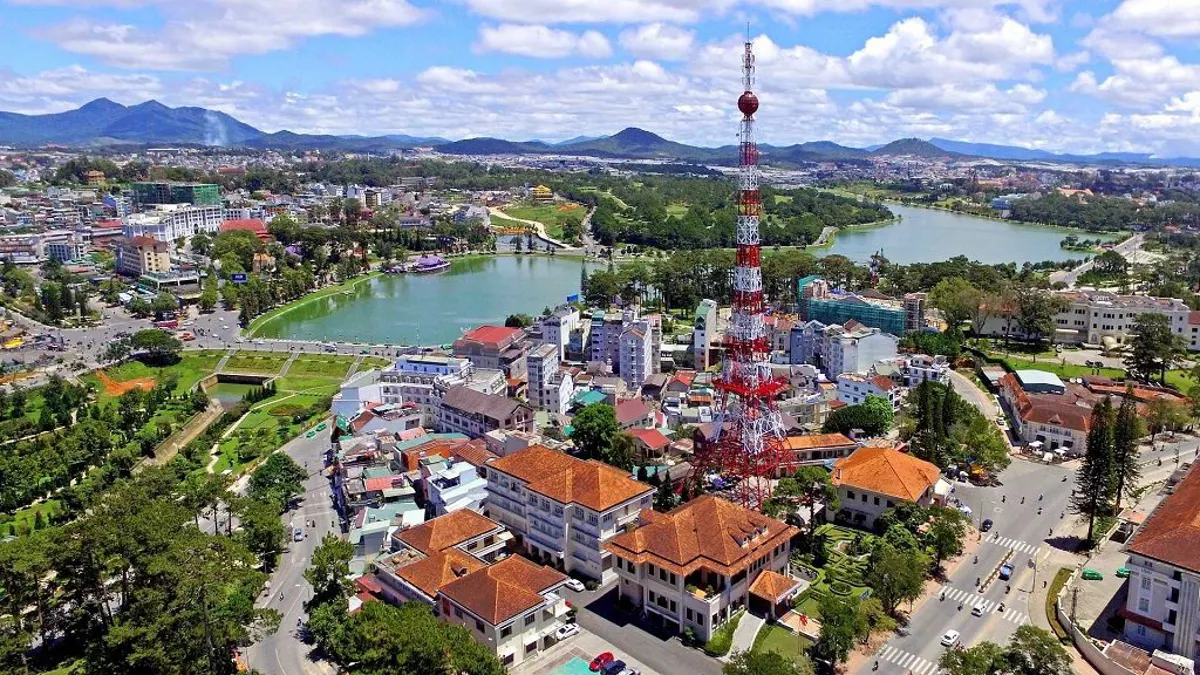
August in Da Lat offers a distinct travel experience, characterized by mild temperatures and frequent rainfall. Despite being part of the wet season, many visitors find this period appealing due to the city's unique charm and the lush landscapes it presents. Understanding the weather patterns and planning appropriate activities can ensure a rewarding trip to this highland destination.
While mornings can be cool and evenings chilly, afternoons often bring comfortable warmth, interspersed with sudden showers. This combination creates a serene atmosphere, making it an attractive time for those who appreciate cooler climates and a more tranquil pace, even with the possibility of rain.
August Weather Patterns in Da Lat
Da Lat's climate in August is a significant factor for travelers, marking a period within the region's rainy season. The city experiences a generally mild environment, with temperatures that remain pleasant throughout the day, though considerable variations occur between dawn and dusk.
The average minimum temperature recorded in August is approximately 16.0°C (60.8°F), indicating cool mornings and evenings. Daytime temperatures typically reach an average maximum of around 22.5°C (72.5°F), offering comfortable conditions for exploration. Rainfall is substantial, averaging 214mm (8.4 inches) over the month, with an estimated 22 rainy days. Sunshine hours are limited to about 137 for the entire month, meaning overcast skies are common, but the sun does appear occasionally. This period is also known for blooming flowers, adding to the city's visual appeal.
| Weather Metric | August Average |
|---|---|
| Minimum Temperature | 16°C (60.8°F) |
| Maximum Temperature | 22.5°C (72.5°F) |
| Precipitation | 214mm (8.4in) |
| Rainy Days | 22 days |
| Chance of Rain | 73% |
| Sunshine Hours | 137 hours |
A notable advantage of visiting in August is the comfortable temperature range, which avoids the colder conditions of winter months. The blooming flowers also contribute to a pleasant visual experience. However, August coincides with a peak travel period for local residents due to school holidays, potentially leading to increased crowds at popular sites and higher service costs. The frequent rain can also be a deterrent for some travelers.
Activities for an August Visit to Da Lat
Despite the rainy season, Da Lat offers numerous engaging activities that are well-suited for August. From natural wonders to cultural experiences, there's plenty to occupy visitors.
Exploring Waterfalls During the Wet Season
Da Lat's waterfalls are particularly impressive in August, as the increased rainfall enhances their flow and majesty. This makes the wet season an opportune time to witness their power and beauty. Pongour Waterfall, though situated some distance from the city center, is widely regarded for its raw, expansive beauty, making it a popular choice. Datanla Waterfall is another prominent site for visitors. When exploring these natural attractions, caution is advised due to potentially slippery rocks, especially after rain.
A Romantic Visit to the Valley of Love
The Valley of Love is a well-known attraction often included in Da Lat itineraries, particularly favored by couples. Located conveniently close to the city, this area features extensive flower gardens, decorative miniatures, and a serene lake. Small seating areas provide spots for relaxation or shelter from unexpected showers, allowing visitors to enjoy the romantic setting at their leisure.
Relaxing in Local Cafes
When rain interrupts outdoor plans, Da Lat's numerous cafes offer a perfect retreat. The experience of enjoying a warm, aromatic coffee in the cool, rainy weather is often highlighted by travelers. Options range from establishments in the city's outskirts, providing views of the surrounding mountains, to smaller, intimate spots along central streets, each offering a unique ambiance.
Wandering Through the Night Market
The Da Lat Night Market is a central feature of the city's evening life. In August, the market tends to be less crowded than at other peak times, allowing for a more relaxed exploration. The cooler evening temperatures of August enhance the experience of strolling through the market. Visitors can find various items, including warm accessories like gloves, socks, and scarves, often at reasonable prices. The market area also has many cafes and roadside stalls where one can seek temporary shelter from the rain.
Culinary Experiences in Da Lat
Da Lat's food scene is a significant draw, with local dishes often cited as memorable by those who try them. The city's cooler climate in August is thought by some to enhance the enjoyment of its cuisine, making flavors seem richer and more comforting.
Popular local specialties include Ba Toa beef hot pot, chicken hot pot with é leaves, and grilled rice paper. These dishes are particularly appealing in the cool, sometimes rainy, weather of August, providing a warm and satisfying dining experience. Exploring the local eateries is an essential part of the Da Lat travel experience.
Practical Advice for Traveling to Da Lat in August
Planning ahead for an August trip to Da Lat is advisable, as it falls within both the rainy season and a local peak travel period. Securing travel arrangements in advance can help ensure a smoother and more cost-effective journey.
Booking and Accommodation
Given the popularity of Da Lat in August, it is highly recommended to book flights and accommodation approximately two months in advance. This foresight can often lead to better prices and a wider selection of options. Travelers might also consider combining their visit to Da Lat with other nearby cities such as Ho Chi Minh City, Mui Ne, or Nha Trang. For comprehensive travel, package tours are available that manage all logistical aspects.
What to Pack
Preparing for Da Lat's August weather requires specific items to ensure comfort and protection from the rain and cooler temperatures:
- Rain Gear: Umbrellas, hats, or raincoats are essential to stay dry during sudden downpours.
- Warm Clothing: Evenings can be quite chilly, so packing warm clothes, including a scarf or hat, is recommended.
- Hair Dryer: A portable hair dryer can be useful for drying wet hair or clothes.
- Waterproof Bag: A wet-proof bag is practical for protecting electronics like phones and cameras, as well as important documents and cards.
For those managing their finances while traveling, understanding local banking options is crucial. Da Lat offers various financial services, and a guide to local banks in Da Lat can provide useful information for international visitors.
Exploring local markets for souvenirs is also a popular activity. Many visitors enjoy finding unique items to remember their trip. For those interested in unique purchases and souvenirs in Vietnam, Da Lat offers a range of local crafts and products.
Frequently Asked Questions
Is August a good time to visit Da Lat?
August can be a good time to visit Da Lat, especially for those who appreciate cooler weather and lush landscapes. While it is the rainy season, the temperatures are mild, and the rain often enhances the beauty of waterfalls and greenery. However, it is also a peak travel season for local tourists, so expect more crowds and book accommodations in advance.
What are the average temperatures in Da Lat during August?
In August, Da Lat typically experiences average minimum temperatures around 16.0°C (60.8°F) and average maximum daytime temperatures around 22.5°C (72.5°F). Mornings are cool, afternoons are comfortable, and evenings can be chilly.
How much rainfall can be expected in Da Lat in August?
August falls within Da Lat's rainy season, with an average precipitation of 214mm (8.4 inches) and approximately 22 rainy days throughout the month. Visitors should be prepared for frequent showers.
What kind of clothing should I pack for Da Lat in August?
For a trip to Da Lat in August, it is advisable to pack layers. Include warm clothing for evenings and early mornings, as well as waterproof gear such as an umbrella or raincoat for the frequent showers. Comfortable walking shoes are also recommended.
Are tourist attractions crowded in Da Lat during August?
Yes, August is often a peak travel month for local visitors due to school holidays. This can lead to increased crowds at popular tourist attractions and potentially higher prices for services and accommodation. Booking tours and lodging in advance is highly recommended.








