
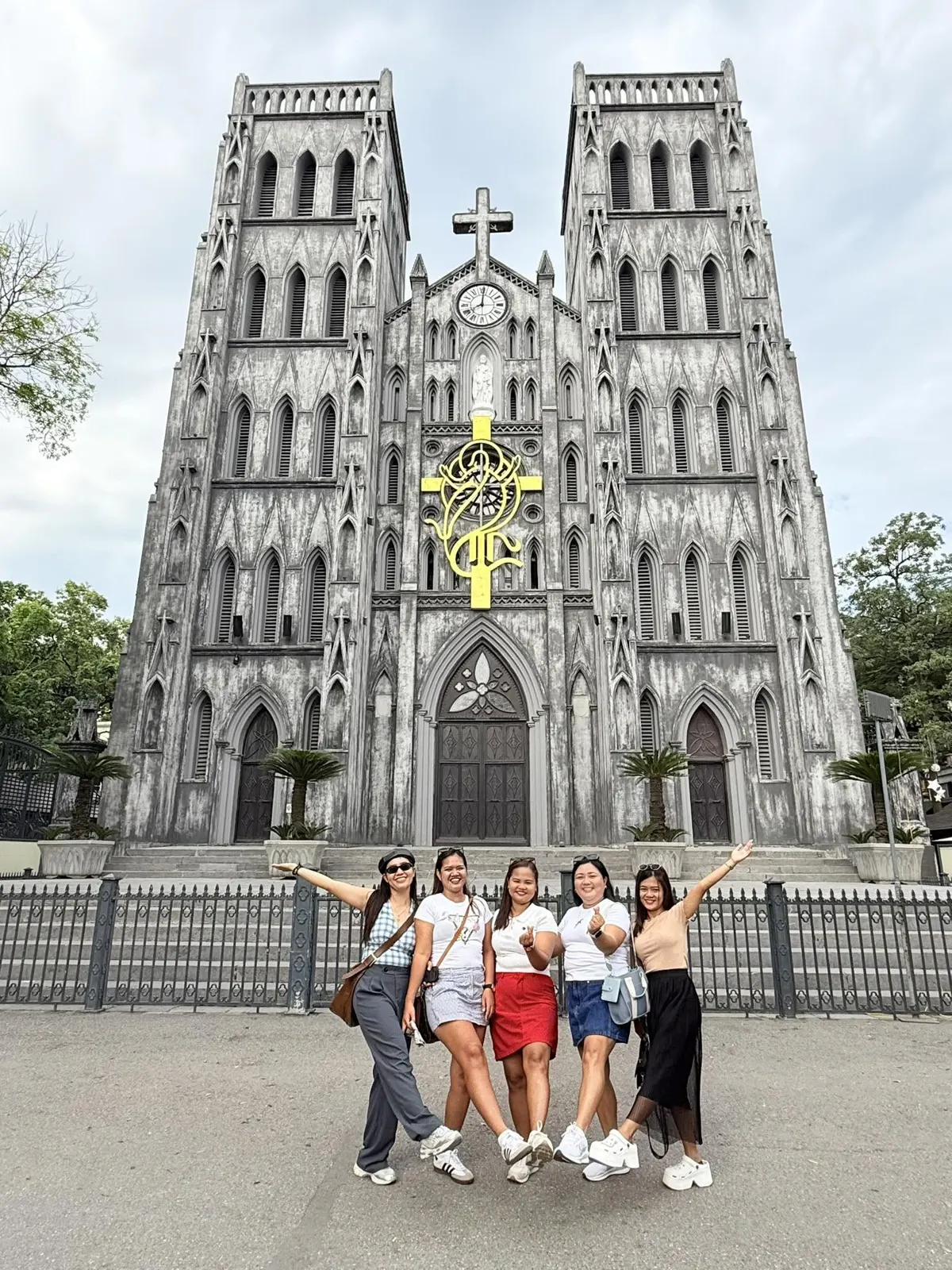
As evening descends upon Hanoi, the city's culinary landscape transforms into a dynamic hub of tastes, traditions, and ambiance. Options range from energetic street vendors to sophisticated restaurants housed in historic French colonial structures, ensuring that an evening meal in the Vietnamese capital is always distinctive. Beyond the culinary delights, exploring Hanoi also offers opportunities to find unique purchases and souvenirs, adding another dimension to your travel experience. Guests might find themselves enjoying traditional noodle dishes on simple seating or indulging in an elaborate dinner within an elegantly lit space, frequently just a short distance apart. The combination of classic Vietnamese dishes with international culinary touches means each meal offers something new to experience. This guide presents a selection of notable eateries for an excellent dinner in Hanoi.
Exploring Hanoi's Culinary Landscape After Dark
Hanoi's dinner scene represents a fusion of historical customs and modern trends, showcasing centuries of gastronomic development alongside current tastes. When daylight fades, thoroughfares previously busy with daytime trade become animated dining zones, as street vendors establish temporary cooking stations and restaurants illuminate their fronts. This shift provides a special chance to observe local routines while enjoying genuine regional tastes.
The city's food selections vary considerably in approach and cost. Visitors can encounter modest, family-operated establishments focusing on one particular dish, often perfected over many years, or explore high-end locations that reimagine Vietnamese components using international cooking methods. This extensive choice guarantees that whether a traveler desires a fast, tasty snack or an unhurried, multiple-course dinner, Hanoi offers a suitable option. A common element across all levels of dining is the priority given to fresh components and fragrant herbs, which contribute to the characteristic flavor profile of Hanoi's food.
Refined Dining Experiences in Hanoi
Travelers desiring a more upscale evening dining experience will find Hanoi presents numerous prominent restaurants that pair elegant surroundings with outstanding food. These venues frequently provide polished service, carefully selected menus, and environments spanning from preserved historical villas to contemporary rooftop bars, standing apart from the city's more informal dining choices.
A key characteristic of these locations is their dedication to precise food presentation and an insightful investigation of tastes, whether through classic Vietnamese dishes given a refined treatment or global cuisines adjusted to local tastes. Many also offer comprehensive drink lists, including premium wines and artisanal cocktails, to enhance the meal. Such settings are typically appropriate for significant events, intimate dinners, or professional gatherings.
| Restaurant Name | Address | Contact | Opening Hours (Verify Locally) | Price Range (Per Dish/Person, Verify Locally) | Key Highlights |
|---|---|---|---|---|---|
| Spicesvilla | 73 Ly Nam De Street, Cua Dong Ward, Hoan Kiem District, Hanoi | hello@spicesvilla.vn | +84 936 260 099 | 10:30 - 22:00 | $5 - $19/dish | Vietnamese cuisine in a French colonial villa, organic ingredients, al fresco dining, dishes like Hanoi baby basket clam spring rolls and Beef Rossini. |
| Ding Doong Restaurant | 9th Floor - 18 - 24 Nha Chung Street, Hoan Kiem Ward, Hanoi | sales@grandhoteldulachanoi.com | +84 376 092 022 | 06:30 - 22:00 | $7 - $33/dish | Vietnamese and European fusion, serene setting, highlight dishes include Nha Trang lobster bisque and grilled free-range French chicken. |
| November Restaurant & Sky Bar | 12th Floor, Le Jardin Haute Couture, 105 Nguyen Truong To, Truc Bach, Ba Dinh, Hanoi | fbm@lejardinhotels.com | (+84) 962 296 911 | 11:00 - 14:30 & 17:00 - 22:30 | $28 - $36/person | Modern European with Asian ingredients, Kaiseki-inspired, grilled king prawn, black cod, 14-day dry-aged duck, West Lake views, live music. |
| Co Dam Chay | 68 Tran Hung Dao Street, Tran Hung Dao Ward, Hoan Kiem District, Hanoi | (+84) 908 333 696 | 11:00 - 13:30 & 18:00 - 20:30 | $31 - $44/person | Vegetarian tasting menu, Buddhist and Champa architectural influence, lotus pond, grilled eggplant, lotus root, tofu dishes. |
| Moca Dining in Hanoi | 16 Nha Tho Street, Hang Trong Ward, Hoan Kiem District, Hanoi | +94 819 961 997 | 10:00 - 22:00 | $30 - $120/person | European techniques with Vietnamese roots, Gothic-inspired decor, seasonal tasting menus (Roots & Waves, Harvest Season), premium Western ingredients. |
| Hemispheres Steak & Seafood Grill | K5 Nghi Tam, 11 Xuan Dieu, Tay Ho, Hanoi | +84 904 850 995 | 18:00 - 22:00 | $36 - $100/person | International flavors, premium ingredients, Nha Trang lobster Thermidor salad, miso black cod, lakeside setting. |
| French Grill By Jean-François Nulli | JW Marriott, 8 Do Duc Duc Road, Me Tri Ward, South Tu Liem District, Hanoi | jw.hanoivietnamf&bsales@marriott.com | +84 903 290 998 | 18:00 - 22:30 | $8 - $84/dish | Premier French cuisine, largest open kitchen, foie gras ravioli, lobster bisque, extensive international wine selection. |
| Koki | 11 Le Phung Hieu, Hoan Kiem, Hanoi | Koki.Hanoi@capellahotels.com | +84 243 987 8888 | 11:30 - 13:30 & 18:00 – 22:00 | $116 - $340/person | High-end Japanese omakase, seasonal ingredients from Japan, aged toro, wagyu, extensive sake selection, private dining rooms. |
Authentic Vietnamese Eateries for Dinner
To truly engage with the local food scene, Hanoi's traditional dining spots provide an opportunity to taste well-known Vietnamese dishes within environments that echo the city's past. These businesses frequently concentrate on one or two distinctive items, having refined them over many years, and are popular with locals for their reliable standards and genuine tastes.
Eating at these neighborhood establishments offers a glimpse into everyday Vietnamese existence, characterized by straightforward decor and an undivided attention to the cuisine. Due to their widespread appeal, many of these locations have grown to include several outlets, making their signature offerings readily available throughout the city. They are perfect for visitors who want to enjoy the true essence of Hanoi's flavors without the formality of upscale dining.
| Restaurant Name | Address | Contact | Opening Hours (Verify Locally) | Price Range (Per Person, Verify Locally) | Key Highlights |
|---|---|---|---|---|---|
| Bamichao - Vua Banh Mi Chao | 1 Thanh Ha, Dong Xuan Ward, Hoan Kiem District, Hanoi | +84 779 770 707 | 7:30 - 21:00 | $1.6 - $2.4/person | Modern Vietnamese breakfast street food, "bánh mì chảo" (baguette with egg porridge and toppings), mixed pan of bread, beef steak. |
| Bun Cha Sinh Tu | Ex: 10 Hoang Cau Moi, Dong Da / 63 Duong Thanh, Hang Bong, Hoan Kiem / 57 Xuan La, Tay Ho, Ha Noi (14 locations) | cskh@bunchasinhtu.com | 1900 2866 | 07:30 - 14:00 & 17:00 - 21:00 | $2.6 - $5.4/person | Authentic Northern Vietnamese "bún chả" (grilled pork patties and belly with rice noodles), multiple locations, consistent quality. |
| Bach Phuong - Bun Bo Nam Bo | 75 Hang Dieu, Ha Noi | +84 911 529 166 | 7:30 - 22:30 | $2.6 - $4/person | Serving Beef Noodle Salad (Bún Bò Nam Bộ) since 1986, tender grilled beef, vermicelli, herbs, peanuts, fish sauce dressing. |
| Pho Khoi Hoi | 50 Hang Vai, Hanoi Old Quarter, Hoan Kiem, Ha Noi | +84 243 923 1561 | 06:00 - 21:00 | $1.6 - $3.2/person | Traditional Hanoi-style beef noodle soup (phở), clear aromatic broth, rare/well-done beef options, fresh herbs. |
| Banh Cuon Ba Xuan | 16 Hoe Nhai Street, Nguyen Trung Truc Ward, Ba Dinh District, Ha Noi | +84 968 404 665 | 06:30 - 13:30 & 15:30 - 23:30 | $1 - $1.8/dish | Delicate Vietnamese steamed rice rolls ("bánh cuốn") with minced pork and mushrooms, optional poached egg, pork meatloaf, cinnamon pork sausage. |
Budget-Friendly Street Food and Local Vendors
For an affordable yet exceptionally tasty evening meal, Hanoi's street food sellers present some of the capital's most cherished culinary items. These informal venues often feature basic arrangements, such as small plastic seating on pavements, yet they provide genuine tastes and an energetic ambiance fundamental to Hanoi's food culture.
Investigating these vendors enables visitors to try a broad selection of specialties at very reasonable costs. It offers a chance to dine like a local, experiencing the fast, fulfilling dishes that sustain everyday life in the capital. A significant number of these vendors have been in operation for years, continuously improving their recipes and cultivating a dedicated customer base among the local population.
| Vendor Name | Address | Contact | Opening Hours (Verify Locally) | Price Range (Per Dish, Verify Locally) | Key Highlights |
|---|---|---|---|---|---|
| Banh Mi Mama | 54 Ly Quoc Su, Hang Trong, Hoan Kiem, Ha Noi | +84 385 261 812 | 8:00 - 19:00 | $0.8 - $1.6/dish | Classic "bánh mì" near St. Joseph's Cathedral, mixed bánh mì with Vietnamese sausage, pork, fried egg, pâté, fresh ingredients. |
| Pho Hanh Lan Ong | 65B Lan Ong, Hang Bo, Hoan Kiem, Ha Noi | +84 915 340 341 | 17:30 - 23:00 | $1.8 - $5.2/dish | Traditional chicken "phở", mixed chicken pho with various cuts, boneless chicken feet delicacy, late-night dining. |
| Chao Suon Co La | 2A Ly Quoc Su, Hang Trong, Hoan Kiem, Ha Noi, Vietnam | +84 355 092 802 | 6:45 - 18:15 | $0.6 - $2/dish | Pork rib congee ("cháo sườn"), slow-cooked silky porridge, tender pork ribs, crispy fried dough sticks, optional century egg. |
| Long Vi Dung - Nom Thit Bo Kho | 23 Ho Hoan Kiem Commune, Hang Trong, Hoan Kiem, Ha Noi, Vietnam | +84 904 656 708 | 8:00 - 22:00 | $1.2 - $2.6/dish | "Nộm bò khô" (dried beef salad), shredded green papaya/banana blossom, savory-sweet dried beef, herbs, peanuts, tangy dressing. |
Choosing Your Hanoi Dinner Experience
Selecting a dining location in Hanoi often hinges on individual preferences for the environment, type of food, and financial plan. The city clearly differentiates between its upscale dining venues, customary local eateries, and informal street food stalls, with each offering a unique encounter.
Think about the specific event: a significant celebration could warrant an elegant environment, whereas a craving for genuine local tastes might draw you to a busy street vendor. The hour of the day is also a factor, as some local dining spots conclude service earlier, and street vendors frequently continue operating until late at night.
| Dining Category | Typical Atmosphere | Cuisine Focus | Price Point (Approx. USD, Verify Locally) | Best Suited For |
|---|---|---|---|---|
| Fine Dining | Elegant, quiet, sophisticated | Gourmet Vietnamese, European, Japanese fusion | $20 - $340+ per person | Special occasions, romantic dinners, business meals, culinary connoisseurs |
| Local Restaurants | Casual, authentic, often busy | Traditional Vietnamese specialties (e.g., phở, bún chả) | $2 - $6 per person | Authentic local flavors, family meals, cultural immersion |
| Street Food Vendors | Lively, outdoor, very casual | Quick, traditional snacks and meals (e.g., bánh mì, congee, salads) | $1 - $4 per person | Budget-conscious travelers, quick bites, experiencing local street life |
Practical Advice for Dining in Hanoi
Exploring Hanoi's varied dining landscape can be simple with some useful guidance. Familiarity with local practices and practical considerations will enrich your food adventure.
- Payment Options: Although numerous mid-tier and premium restaurants accept credit cards, it is always prudent to have Vietnamese Dong (local currency) on hand for street food vendors and smaller, family-operated businesses. Always verify if card payments are accepted prior to placing your order if you intend to pay digitally. For more comprehensive information on managing your finances, consider reading our guide on banking services in Hanoi.
- Advance Bookings: For upscale dining locations and rooftop eateries, it is strongly advised to make a reservation ahead of time, particularly on weekends or public holidays. Many venues facilitate bookings via telephone, email, or online platforms. Casual local restaurants and street food stalls generally welcome customers without prior booking.
- Dietary Considerations: Hanoi increasingly offers vegetarian and vegan choices. Establishments such as Co Dam Chay are dedicated to plant-based cooking. Many other venues can also cater to specific dietary requirements if clearly communicated. Learning a few basic Vietnamese phrases for common restrictions can be beneficial.
- Gratuity Practices: While tipping is not obligatory in Vietnam, it is valued for good service, especially in more refined environments. A tip ranging from 5-10% is a typical practice in mid-range or fine dining establishments. Some restaurants might already incorporate a service charge into the final bill, so review it before adding an additional amount.
- Food Hygiene: When sampling street food, pay attention to where local residents congregate; a busy stall often signifies fresh ingredients and good standards. Seek out vendors with high customer traffic and tidy preparation zones.
Frequently Asked Questions
What is the typical cost for dinner in Hanoi?
The cost of an evening meal in Hanoi varies considerably depending on the specific dishes, beverages, and location. Generally, prices at street vendors are between $1 and $4 USD per person. At local restaurants, the average cost typically falls within the range of $2 to $6 USD per person. For fine dining establishments or rooftop venues, expect to pay from $20 to upwards of $60 USD per person. These figures are estimates and are subject to change.
Is tipping customary in Hanoi restaurants?
While not a mandatory practice in Vietnam, offering a tip is a kind gesture for good service, particularly in more upscale settings. A gratuity of 5–10% is a common amount in mid-range or high-end restaurants. It is worth noting that some establishments might already include a service charge on the bill.
Should I make reservations for dinner in Hanoi?
For street food stalls and most local eateries, making a reservation is usually not necessary, as they typically accommodate walk-in guests. However, for fine dining establishments and popular rooftop restaurants, securing a booking in advance is strongly advised, especially during weekends and public holidays. Many venues provide options for reservations via phone, email, or online platforms.
Are credit cards widely accepted for dinner payments?
Credit cards are generally accepted at mid-range and high-end restaurants in Hanoi. Nevertheless, for street food vendors, local eateries, and small, family-owned shops, carrying cash (Vietnamese Dong) is almost always essential. It is always a good idea to confirm if a restaurant accepts card payments before placing your order, and to have some cash available as a backup.
Are vegetarian or vegan dining options available in Hanoi?
Indeed, Hanoi provides a variety of vegetarian and vegan dining choices. Several restaurants, such as Co Dam Chay mentioned earlier in this guide, specialize in plant-based cuisine. Additionally, many other establishments can offer vegetarian or vegan adaptations of local dishes upon request. It is always best to inquire with the staff about ingredients and options.








