
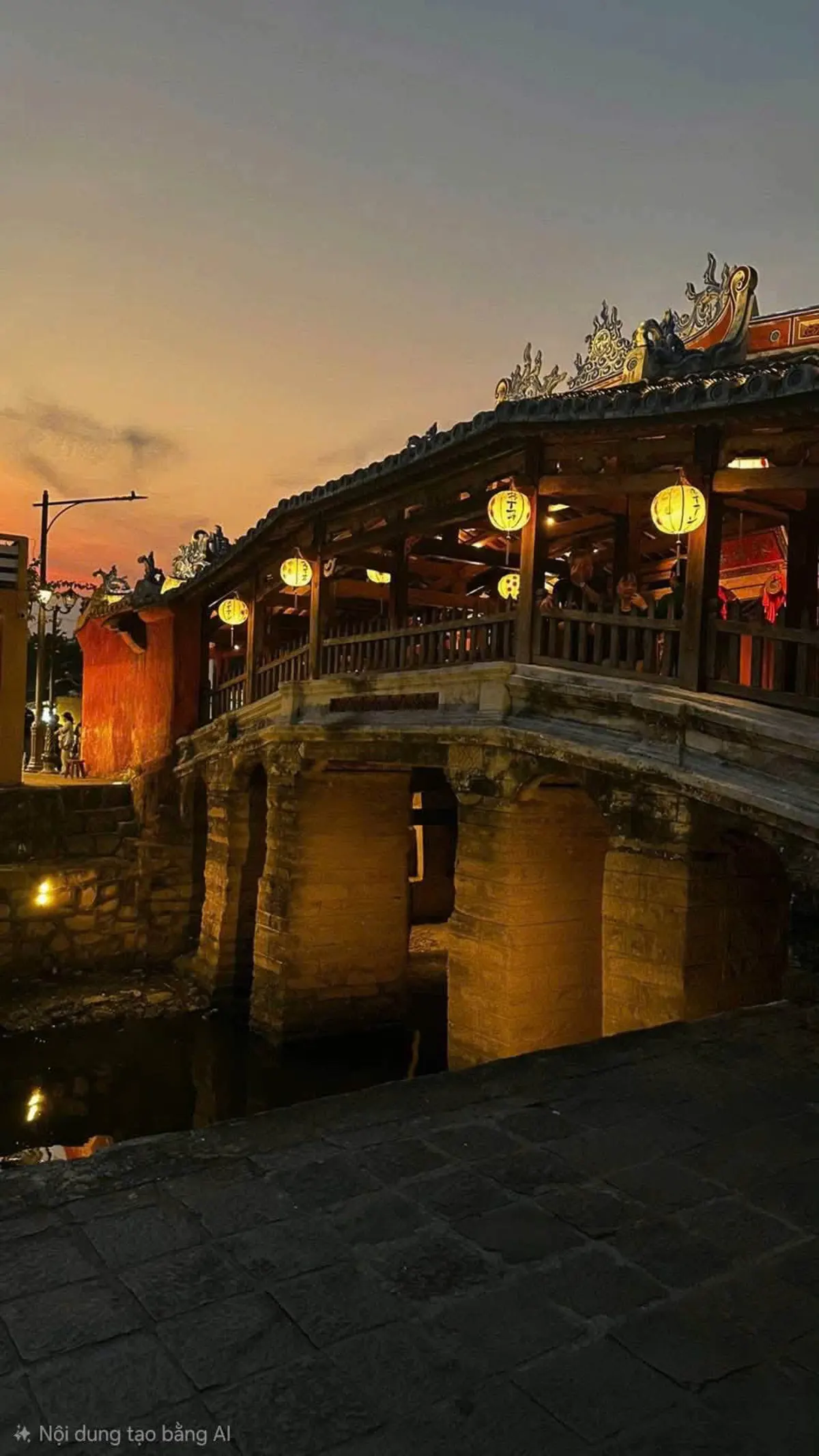
Hoi An, a historic town recognized by UNESCO, offers more than its renowned ancient architecture and culinary scene. Visitors often explore the ancient town's markets and shops for unique purchases and souvenirs. For those seeking aquatic experiences, the waters surrounding Hoi An provide excellent opportunities for both snorkeling and scuba diving, primarily centered around the Cham Islands. These islands host a diverse array of marine life and extensive coral formations, making them a popular destination for underwater enthusiasts.
Understanding Underwater Exploration Near Hoi An
The region around Hoi An, particularly the Cham Islands, serves as a significant hub for marine activities. Recognized as a UNESCO World Biosphere Reserve since 2009, the Cham Islands comprise eight distinct islands, including Hon Lao (the largest), Hon Dai, Hon Mo, Hon Kho Me, Hon Kho Con, Hon Tai, Hon Ong, and Hon La. Each island contributes to the area's rich biodiversity, offering varied underwater landscapes and different species of corals and sea creatures.
Visitors to Hoi An can easily arrange excursions to these islands for underwater exploration. The experience ranges from leisurely snorkeling trips suitable for all ages to advanced scuba diving certifications. The protected status of the Cham Islands helps maintain the health of its marine ecosystems, providing a rewarding environment for observing aquatic life. The Cham Islands, like other coastal regions in Vietnam, offer distinct marine environments. While Halong Bay is known for its dramatic limestone karsts and its top beaches, the Cham Islands focus more on coral reefs and diverse fish populations for underwater exploration.
Reputable Operators for Diving and Snorkeling Excursions
Several established companies in Hoi An facilitate access to the underwater world of the Cham Islands. These operators cater to various skill levels, from those taking their first breath underwater to certified dive masters seeking new sites. It is advisable to verify current operating hours and booking procedures directly with each provider.
| Operator Name | Primary Services Offered | Key Features | Address | Contact/Booking (Verify Current) |
|---|---|---|---|---|
| Cham Island Diving Center | Snorkeling, Scuba Diving (private & group tours) | Multilingual crew (English, Italian, French, Spanish, Vietnamese); caters to all skill levels from beginners to dive masters. | No.88 Nguyen Thai Hoc Street, Hoi An | Not supplied in source |
| Hoi An Diving Center (Blue Coral Diving) | Scuba Diving, Snorkeling, PADI Courses | Only 5 Star IDC PADI Dive Center in Hoi An; international team of instructors; access to ten distinct dive sites. | No. 33 Tran Hung Dao Street, Hoi An | Not supplied in source |
| Sea Trek Vietnam | Underwater Walking Tours, Snorkeling | Designed for non-swimmers and non-divers (ages 8-80); provides specialized equipment for walking on the seabed; no scuba diving offered. | No.160A Nguyen Duy Hieu Street, Hoi An | Not supplied in source |
Notable Underwater Sites Around Cham Islands
The Cham Islands offer a variety of specific locations for underwater activities, each with its own characteristics and marine inhabitants. These sites provide different experiences based on depth, current, and the types of corals and fish present.
Hon Tai North and Hon Tai South
Considered among the premier locations for diving within the Cham Islands, Hon Tai is divided into two sections. The water here typically maintains a comfortable temperature, averaging around 29ºC, which is conducive for extended underwater excursions. Divers frequently encounter a wide array of hard and soft corals, alongside diverse marine creatures such as shrimps, crabs, triggerfish, clownfish, sea cucumbers, and lionfish.
Hon Nhan
For those with some diving experience, Hon Nhan presents an appealing option. This site allows for descents to a maximum depth of 40 meters. It is known for its abundance of nudibranchs, as well as sightings of ribbon eels, seahorses, pipefish, triggerfish, and barracudas.
Hon Mo
The Hon Mo dive site is characterized by its extensive hard and soft coral formations. Divers can observe pipefish, clownfish, seahorses, and nudibranchs. Depths here range from an initial 4 meters down to a maximum of 35 meters, allowing for exploration of various aquatic habitats.
Ran Manh
Ran Manh is an underwater island formation that attracts large aggregations of fish. Here, visitors can observe lionfish, barracudas, and nudibranchs, in addition to interesting rock formations on the seabed. This location is accessible to divers of all experience levels, with depths varying between 6 and 24 meters.
Optimal Seasons for Underwater Activities in Hoi An
Timing your visit is crucial for the best underwater experience near Hoi An. The most favorable period for diving and snorkeling in the Cham Islands generally spans from March through August. During these months, the weather typically features dry, sunny conditions, and the sea remains calm, providing excellent visibility.
The peak season for underwater exploration is specifically during the summer months of June, July, and August. At this time, the water clarity is at its best, significantly enhancing the viewing of numerous small, colorful tropical fish and the intricate coral structures. Conversely, attempting to visit between September and February is largely impractical due to adverse weather patterns, including heavy rainfall and rough sea conditions, often accompanied by storms. Most diving and snorkeling operators in the region typically cease operations during these challenging months.
Practical Advice for Underwater Explorers
Preparing for an underwater excursion from Hoi An involves a few simple considerations to ensure a safe and enjoyable experience.
- Equipment: Most reputable dive companies supply all necessary snorkeling and diving equipment. Visitors are generally advised to bring their own swimsuits and, if desired, a waterproof camera to document their underwater observations.
- Safety Guidelines: Adhering to the instructions provided by your diving or snorkeling guides is essential for safety. Staying in close proximity to your guide helps ensure a secure and guided exploration of the sites.
- Accessibility: Underwater tours are structured to accommodate various skill levels. Non-swimmers and individuals without prior diving certification can participate in many offerings. Snorkeling is often highlighted as an accessible option, requiring no specific certification or extensive training, making it suitable for almost anyone. When planning your trip, consider how you will manage your finances, especially if you need to exchange currency or access ATMs. Understanding the local banking landscape in Hoi An can be very helpful.
- Environmental Awareness: While exploring the marine environment, it is important to practice responsible tourism. Avoid touching corals or disturbing marine life to help preserve these delicate ecosystems for future visitors.
Frequently Asked Questions
Can non-swimmers participate in underwater activities near Hoi An?
Yes, non-swimmers can participate in certain underwater activities. Snorkeling tours are generally suitable for individuals who do not swim, and some operators, like Sea Trek Vietnam, offer underwater walking tours specifically designed for non-swimmers and non-divers, providing specialized equipment to breathe and walk on the seabed.
What kind of marine life can I expect to see around the Cham Islands?
The Cham Islands are home to a diverse range of marine life. Visitors frequently encounter various hard and soft corals, numerous fish species such as triggerfish, clownfish, lionfish, and barracudas, as well as other creatures like shrimps, crabs, sea cucumbers, nudibranchs, seahorses, and pipefish.
Are there PADI certification courses available in Hoi An?
Yes, at least one operator, Hoi An Diving Center (Blue Coral Diving), is identified as a 5 Star IDC PADI Dive Center and offers various PADI courses for different skill levels, from beginner to advanced.
What should I bring for a diving or snorkeling trip?
Typically, dive companies provide all essential snorkeling and diving gear. You should plan to bring a swimsuit, a towel, sunscreen, and potentially a waterproof camera if you wish to capture underwater photographs. Personal items like hats and sunglasses are also recommended for boat travel.
Is it possible to dive in Hoi An year-round?
No, diving and snorkeling in Hoi An are seasonal. The optimal period is from March to August, with June, July, and August offering the clearest water. From September to February, adverse weather conditions, including heavy rains and rough seas, make underwater activities largely impossible, and most operators close during this time.








