
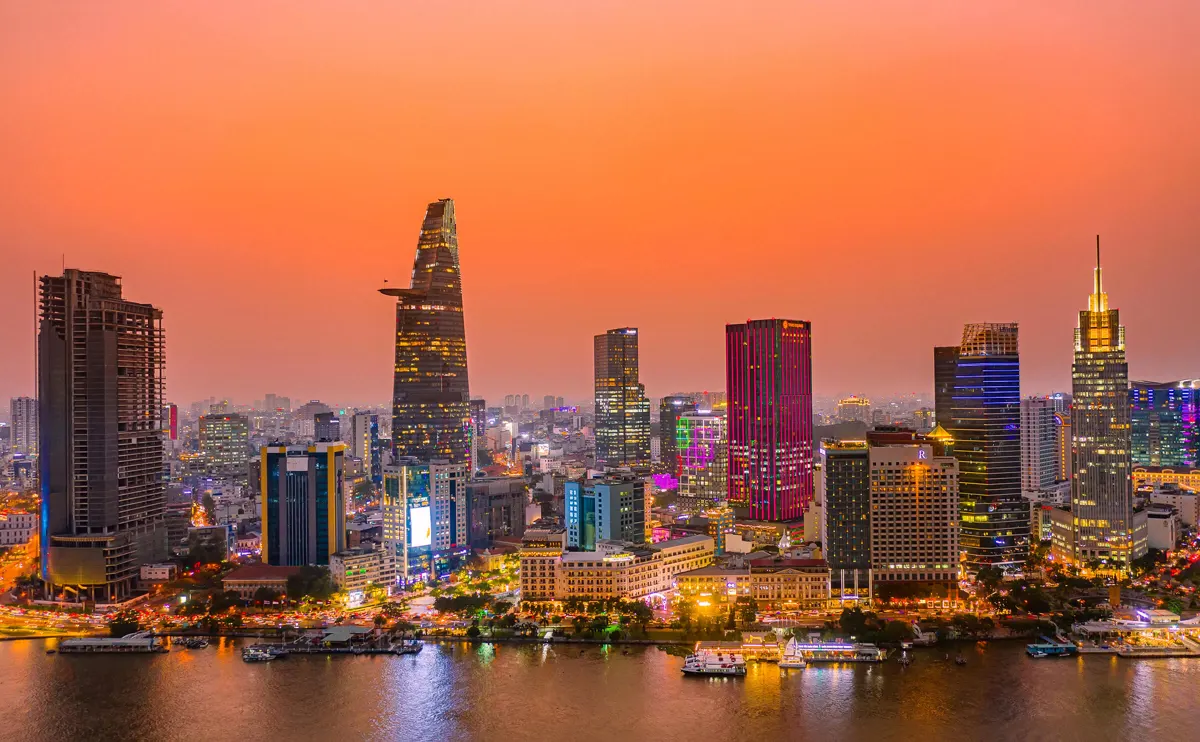
Ho Chi Minh City, often recognized as a primary entry point for those exploring southern Vietnam, presents a wide selection of sites that reflect its complex history and evolving culture. Visitors can experience a range of attractions, from structures commemorating pivotal historical moments to architectural remnants of the colonial era, alongside lively markets and significant cultural venues. This guide highlights key places to consider during your stay in this dynamic metropolis.
Exploring Historical Landmarks in Ho Chi Minh City
The city holds several locations that stand as testaments to Vietnam's past, particularly its 20th-century conflicts and colonial heritage. These sites offer profound insights into the nation's journey.
The Reunification Palace, previously known as the Independence Palace, is a prominent historical structure. It gained international recognition in April 1975 when a North Vietnamese Army tank breached its gates, signaling the conclusion of the Vietnam War and the commencement of a new era for the country. Today, the palace remains a symbol of peace and continues to host important national events, allowing visitors to tour its preserved rooms and grounds.
The Saigon Central Post Office, situated in the heart of Ho Chi Minh City, showcases impressive French architectural design from its construction period between 1886 and 1891. Attributed to a renowned French architect, its grand exterior and interior details draw many onlookers. Beyond its visual appeal, the building continues to function as a busy postal service hub, providing traditional postal services to residents and visitors alike.
Another significant architectural legacy is the Saigon Notre-Dame Cathedral, erected by French colonists from approximately 1863 to 1880. This ancient-style construction introduces a sense of calm amidst the city's constant activity. Its enduring presence makes it a notable stop for those interested in colonial-era structures.
The Ho Chi Minh City Hall, also known as the People's Committee Building, is another elegant and remarkable structure in the city center. While its exterior is a popular spot for photographs due to its architectural beauty, the building is not accessible to the general public for tours. Nevertheless, its distinctive appearance makes it a worthwhile sight during a city exploration.
Cultural and Architectural Highlights
Beyond its historical significance, Ho Chi Minh City offers a rich cultural landscape, evident in its religious sites and traditional market designs.
The Thien Hau Pagoda is considered one of Ho Chi Minh City's most important pagodas. Located within the Cho Lon market area, it attracts visitors with its ornate decorations and tranquil atmosphere. The pagoda's design clearly reflects Chinese architectural influences, honoring Thien Hau, a revered deity in traditional Chinese religion, particularly among overseas Chinese communities. This site provides a window into the spiritual practices and cultural contributions of the Chinese diaspora in Vietnam.
For those interested in exploring more of the city's unique blend of influences, consider a comprehensive itinerary guide for a longer stay to fully appreciate its diverse offerings.
Markets and Local Experiences
Ho Chi Minh City's markets are central to its daily life, offering a glimpse into local commerce, traditional crafts, and culinary traditions. They are ideal places to find souvenirs and experience the local atmosphere.
Ben Thanh Market, located in the downtown area, is a well-known marketplace for acquiring traditional Vietnamese goods. Shoppers can find textiles, artworks, souvenirs, handicrafts, and various other items. The market is also celebrated for its food stalls, where visitors can sample a wide range of Vietnamese dishes, making it a popular spot for culinary exploration. For an in-depth look at the city's food scene, explore Ho Chi Minh City's essential street food dishes.
Binh Tay Market, situated in the Cho Lon district, also exhibits a distinct architectural style. Established by a Chinese businessman, its traditional Chinese-influenced structure provides an interesting backdrop for shopping. This market is another destination where people can purchase a variety of goods while experiencing a different side of the city's commercial activity.
When visiting these markets, visitors often find opportunities to engage in price negotiation, a common practice in Vietnamese markets, which can enhance the shopping experience.
Reflecting on History: War Narratives
For many, a visit to Ho Chi Minh City includes a deeper understanding of the Vietnam Wars, with specific sites dedicated to preserving and presenting this challenging period.
The War Remnants Museum offers a powerful and often sobering perspective on the conflicts. Established by the Vietnamese government on September 4, 1975, initially under the name “Exhibition House for US and Puppet Crimes,” the museum features extensive exhibits. These include photographs, personal accounts, military hardware such as US armored vehicles, and instruments reportedly used to interrogate prisoners. The displays aim to provide visitors with a comprehensive understanding of the wars' impact.
A journey to the Cu Chi Tunnels allows visitors to explore a portion of the extensive underground network that played a crucial role during the war. This intricate system of tunnels, stretching for hundreds of kilometers beneath the ground, provided shelter, communication routes, and strategic advantages. Experiencing a section of these tunnels can offer a tangible sense of the hardships endured by Vietnamese people during wartime.
Day Trips from Ho Chi Minh City
Beyond the city limits, several excursions offer different perspectives on southern Vietnam's natural beauty and rural life.
The Can Gio Mangrove Forest and Monkey Island provide an opportunity for an eco-tourism experience outside the urban environment. This area allows visitors to observe mangrove forests and encounter wildlife, particularly monkeys, in their natural habitat. Additionally, the trip offers a chance to sample local specialties, such as sugarcane juice, in a more relaxed setting.
For travelers seeking a focused exploration of the city's main points of interest, a Ho Chi Minh City Heritage & Market Exploration day tour can efficiently cover many of these significant sites.
Key Attractions in Ho Chi Minh City: Overview
Here is a summary of the prominent attractions mentioned, with available details for planning your visit. Please note that specific addresses, phone numbers, and current operating hours were not provided in the source material and should be verified independently before your visit.
| Attraction Name | Description | Notes for Visitors |
|---|---|---|
| Reunification Palace | Historic site marking the end of the Vietnam War. | Open to the public for tours. |
| Saigon Central Post Office | French colonial architectural landmark, active postal service. | Admire architecture, send mail. |
| Ben Thanh Market | Central marketplace for goods and Vietnamese cuisine. | Opportunities for shopping and local food. |
| War Remnants Museum | Exhibits on the Vietnam Wars. | Offers a historical perspective on the conflicts. |
| Saigon Notre-Dame Cathedral | French colonial-era cathedral. | Architectural interest, peaceful atmosphere. |
| Ho Chi Minh City Hall | Elegant French colonial building. | Exterior viewing and photography only; not open to public. |
| Thien Hau Pagoda | Chinese-style pagoda in Cho Lon. | Cultural and religious site, ornate furnishings. |
| Binh Tay Market | Market with traditional Chinese architecture. | Shopping for various goods. |
| Cu Chi Tunnels | Extensive underground tunnel network from the war. | Offers historical insights; part of network accessible for tours. |
| Can Gio (Mangrove Forest & Monkey Island) | Eco-tourism destination with mangroves and wildlife. | Day trip for nature and local specialties. |
Frequently Asked Questions
What is the most historically significant site in Ho Chi Minh City?
The Reunification Palace is widely considered the most historically significant site. It was the location where the Vietnam War officially concluded in 1975, making it a powerful symbol of national unity and peace.
Are there any attractions in Ho Chi Minh City that are not open to the public?
Yes, the Ho Chi Minh City Hall, while an architecturally notable building in the city center, is not open for public entry. Visitors can appreciate its exterior and take photographs from the outside.
Where can I experience local culture and cuisine in Ho Chi Minh City?
For a deep dive into local culture and cuisine, Ben Thanh Market is highly recommended. It offers a wide array of traditional Vietnamese goods and numerous food stalls where visitors can sample authentic dishes. Binh Tay Market also provides a cultural shopping experience with its unique Chinese architectural style.
What kind of day trips are available from Ho Chi Minh City?
A notable day trip option from Ho Chi Minh City is to Can Gio, which features a mangrove forest and Monkey Island. This eco-tourism destination allows visitors to engage with nature, observe wildlife, and try local food products like sugarcane juice.
What type of exhibits can be found at the War Remnants Museum?
The War Remnants Museum houses various exhibits related to the Vietnam Wars. These include extensive collections of photographs, personal narratives, military equipment such as US armored vehicles, and items used for prisoner interrogation, all aiming to convey the human impact of the conflicts.








