
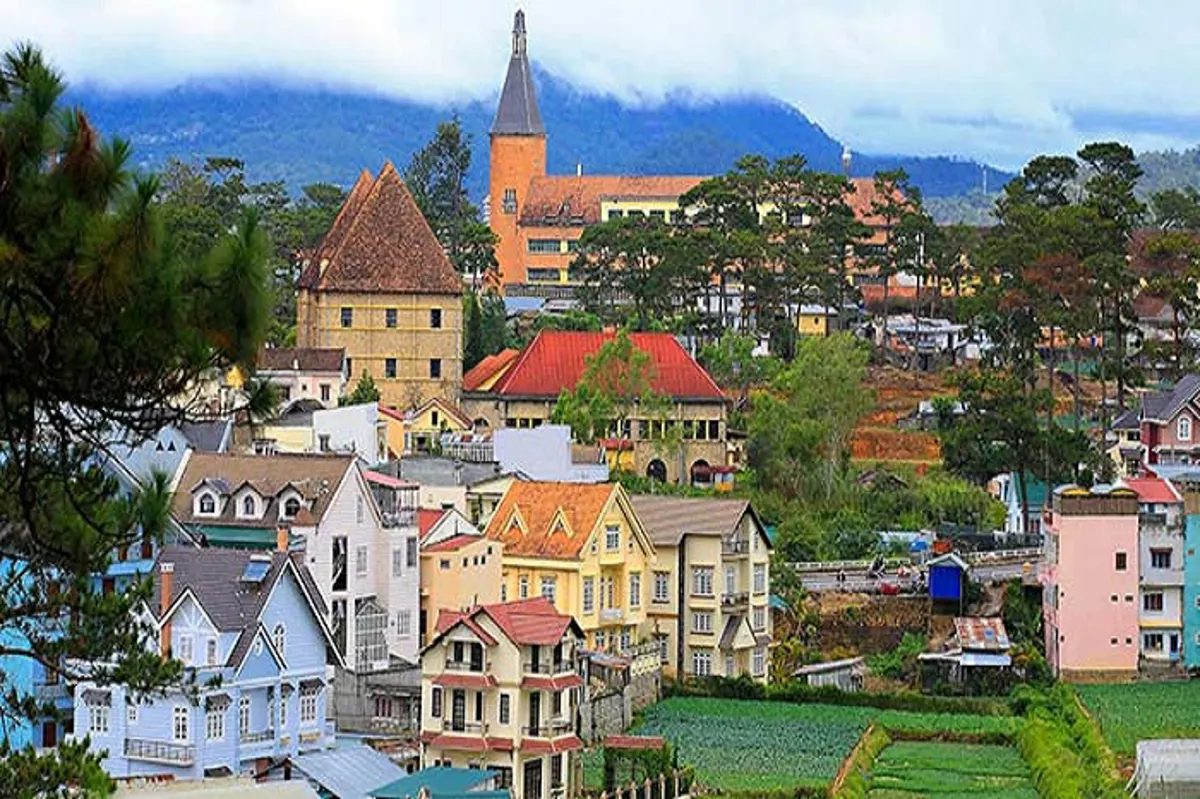
Da Lat, situated in the Lam Dong highlands, is a Vietnamese city renowned for its temperate climate and verdant landscapes. Established by French colonialists as a resort center over a century ago, its appeal continues to draw visitors seeking natural beauty and a cooler atmosphere. The city provides a diverse range of activities, from exploring expansive natural parks and sampling local coffee to visiting historic pagodas and enjoying street food.
Exploring Da Lat's Natural Landscapes
The Langbiang Plateau, encircling Da Lat City, presents some of Central Vietnam's most striking scenery. Within this region, pathways lined with trees lead to cascades like Datanla Waterfall, where visitors can engage in canyoning. This activity combines abseiling, climbing, swimming, and sliding through the forest's natural environment.
For those interested in more extensive outdoor exploration, Bidoup Nui Ba National Park, one of Vietnam's largest protected areas spanning 70,000 hectares, offers opportunities for multi-day camping and trekking, alongside observing various bird species. If time is limited, a day hike to the summit of Langbiang Mountain is an option, or mountain bikes can be rented for navigating dirt trails within the pine forests located north of the city center.
A Taste of Da Lat's Coffee Culture
Coffee cultivation has long been a significant agricultural industry in Da Lat. More recently, local entrepreneurs have created opportunities for visitors to learn about the region's coffee history and production. For an educational morning, consider a trip to the K’Ho Coffee Farm and Roastery, where the K'Ho ethnic farming community demonstrates sustainable methods for growing and processing specialty heirloom Arabica coffee.
Closer to the city, La Viet Coffee embodies a modern Da Lat aesthetic with its industrial-style warehouse and cafe. After selecting a beverage, guests can take a complimentary tour of the roasting facilities. For individuals who appreciate traditional settings or wish to experience a glimpse of Da Lat's past, Cafe Tung offers a retro ambiance with its aged decor, providing a nostalgic coffee experience.
| Venue Name | Description | Specialty | Location Proximity |
|---|---|---|---|
| K’Ho Coffee Farm and Roastery | Sustainable Arabica farm and processing by K'Ho community | Heirloom Arabica, farm tour | Outside city (requires travel) |
| La Viet Coffee | Modern, industrial-style cafe with roasting labs | Specialty coffee, free roasting tour | Closer to town |
| Cafe Tung | Retro cafe with vintage decor | Traditional coffee experience | Within city center |
Tranquil Retreats: Da Lat's Pagodas and Temples
Da Lat's pagodas, often situated on hillsides, offer more than religious significance; they are also notable attractions. While Linh Phuoc Pagoda is frequently visited for its distinctive architecture, Linh Son Pagoda provides a more serene experience within the city. This elegant pagoda, established in 1940, is located on a small hill at 120 Nguyen Van Troi. Its quiet corridors and courtyards are accessible to the public for prayer, with modest attire recommended for visitors.
Another significant spiritual site is Truc Lam Temple, positioned on Phuong Hoang Hill. This Zen Buddhist complex, inspired by the traditions of King Tran Nhan Tong, who became a monk after abdicating his throne, includes both private areas for the monastic community and public spaces for visitors. Guests can stroll through fragrant flower gardens, observe ceremonial halls, or relax under pine trees with views overlooking Tuyen Lam Lake. Da Lat also offers romantic settings for a honeymoon, often including visits to such peaceful locations.
Culinary Delights: Street Food in Da Lat
Thanks to the surrounding fertile agricultural lands, Da Lat is known for its fresh produce. Eating like a local involves joining residents at the lively street food establishments throughout the city. Historically influenced by various ethnic groups, Da Lat's culinary identity is characterized by its adaptation and enhancement of Central Vietnamese dishes, rather than creating entirely new ones. These dishes are often adjusted to suit Da Lat's cooler climate and to highlight its abundant local ingredients.
Visitors should try bánh căn, which are small rice cakes topped with quail egg and typically served with an onion sauce, for breakfast. For lunch, sticky bánh bèo featuring river shrimp is a popular choice. In the evenings, bánh mì xíu mại, a bread roll dipped in a warm, savory broth, makes for a satisfying snack. Exploring these street food options provides an authentic taste of the city.
Where to Stay: Accommodation Options in Da Lat
Da Lat provides a range of accommodation choices to suit different preferences. Locally operated hostels, such as Leuleu Hostels, offer a chance to connect with local culture and discover the city's lesser-known areas. Hostels and homestays often facilitate interactions with hosts, allowing guests to learn about their experiences and stories.
Beyond the city center, numerous charming bed and breakfasts and smaller hotels are available. These establishments frequently provide views of rustling pine trees and opportunities to enjoy hot beverages outdoors. For couples seeking a particularly romantic retreat, Ana Mandara Villas is a notable option. This property consists of restored French-era villas set within landscaped gardens on a hillside, featuring rooms with hardwood floors, large bathtubs, fireplaces, and canopied beds. The hotel's heated swimming pool, spa, and restaurant are designed to enhance a relaxing stay.
Historical Echoes: Colonial Architecture and Markets
Enthusiasts of Art Deco architecture will find much to admire while exploring Da Lat's streets, where Indochine-era villas stand with a sense of aged charm. French urban planners conceived Da Lat as a resort town for colonial administrators and Vietnamese elite, incorporating health facilities, golf courses, and parks. Many buildings in Da Lat still exhibit early 20th-century French architectural styles, often blended with local design elements.
The Domaine de Marie Catholic church and convent is a recommended starting point for architectural exploration. The former Lycée Yersin, now a teachers' college, also contains several distinctive structures on its campus, though access may be restricted. Another option is to experience afternoon tea at the Dalat Palace Hotel. Opened in 1922, its expansive views and grand interiors evoke the period when it served as a favored retreat for colonial officials and their families. While exploring the city, travelers might also consider navigating air travel within Vietnam for onward journeys.
Da Lat's Central Market serves as a major commercial hub, a multi-level structure in the city center. The market is a primary source for produce like artichokes, avocados, and asparagus, which thrive at higher altitudes and are supplied to other parts of Vietnam. On the upper floor, cooks prepare dishes such as mì Quảng noodles throughout the day. Lower levels feature stalls abundant with fresh fruits and vegetables. Rows inside the market are dedicated to clothing and textiles, while the perimeter hosts flower vendors, phở stalls, and sellers of dried goods. For souvenirs, visitors can find Da Lat's renowned preserved fruits, candied ginger, local coffee, and artichoke tea. An early morning visit offers a comprehensive view of the market's activity.
Lakeside Leisure and Activities
Da Lat's lakes are central to its reputation as a serene destination, particularly for couples. The pathways bordering Xuan Huong Lake offer an excellent vantage point for observing daily local life, pausing for refreshments, or engaging in a jog along the water's edge. Not far from the urban core, another artificial lake attracts those seeking natural tranquility. Tuyen Lam Lake, a 350-hectare expanse of calm water, is surrounded by pine trees and frequently enveloped in mist. This scenic environment is ideal for a leisurely circuit around the lake, or for exploring the water by boat or kayak.
Frequently Asked Questions
What are the main outdoor activities available in Da Lat?
Da Lat offers a variety of outdoor pursuits, including canyoning at Datanla Waterfall, trekking and camping in Bidoup Nui Ba National Park, hiking Langbiang Mountain, and mountain biking through the local pine forests.
Can visitors learn about coffee production in Da Lat?
Yes, several places provide insights into Da Lat's coffee industry. The K’Ho Coffee Farm and Roastery offers tours on sustainable Arabica cultivation, while La Viet Coffee provides free tours of its roasting labs closer to the city center.
Are there historical sites to visit in Da Lat?
Da Lat features numerous colonial-era structures, including Art Deco villas, the Domaine de Marie Catholic church and convent, and the former Lycée Yersin. The Dalat Palace Hotel, opened in 1922, also showcases historical architecture and grand interiors.
What kind of local food should I try in Da Lat?
Da Lat is known for its adaptations of Central Vietnamese street food. Recommended dishes include bánh căn (mini rice cakes with quail egg), bánh bèo with river shrimp, and bánh mì xíu mại (bread dipped in savory broth).
What types of accommodation are available for travelers in Da Lat?
Accommodation options range from local hostels like Leuleu Hostels and charming bed and breakfasts outside the city to more luxurious choices such as Ana Mandara Villas, known for its romantic French-era setting and amenities.








