
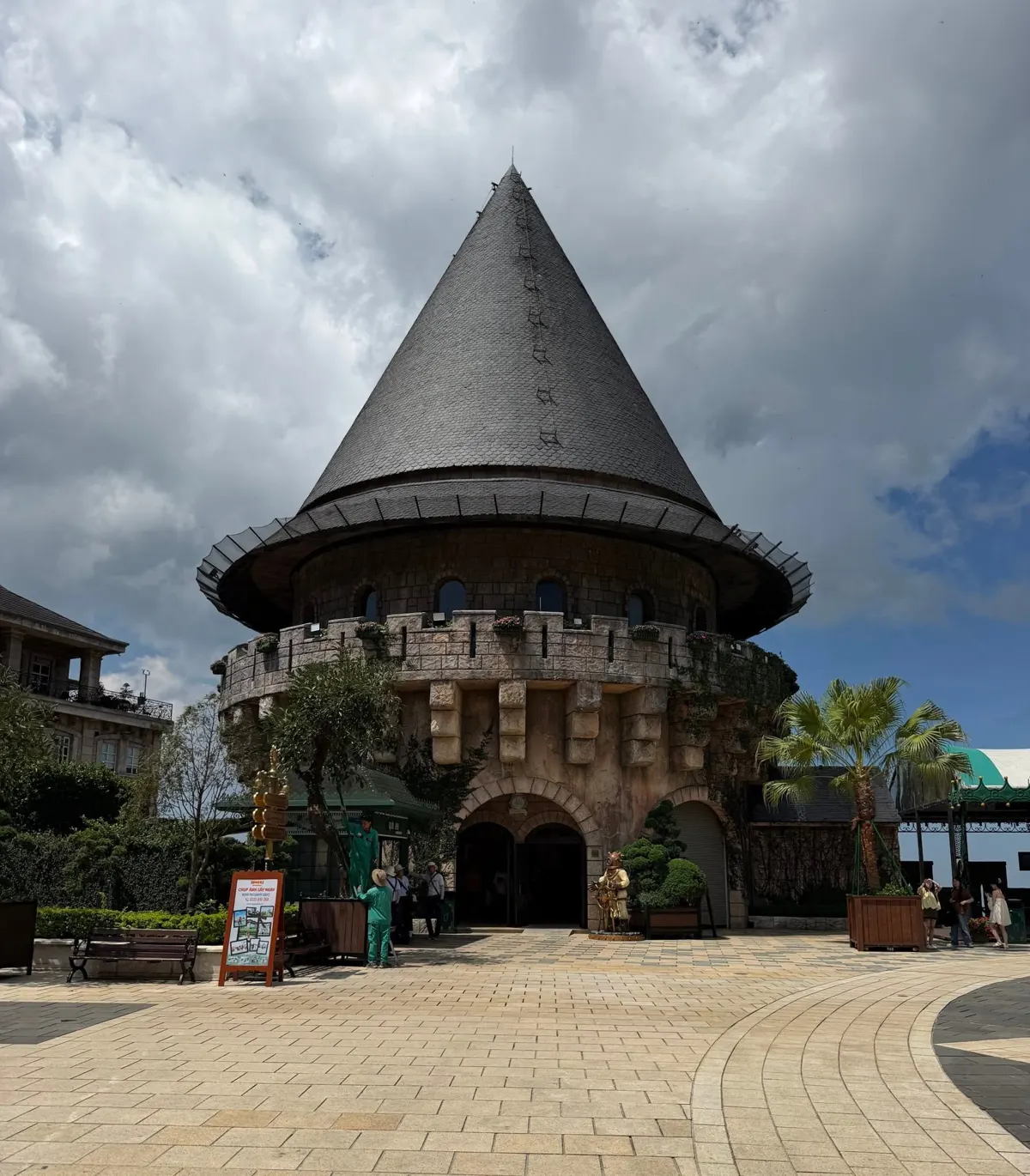
Da Nang, situated along the central coast of Vietnam, presents visitors with a variety of experiences, blending natural landscapes with cultural heritage. From elevated mountain retreats to ancient museums and sandy shores, the city provides numerous points of interest for different preferences. Preparing an itinerary beforehand can help travelers navigate the city's offerings efficiently.
The region is known for its accessible attractions, many of which are a short distance from the city center. Whether seeking adventure, relaxation, or cultural insights, Da Nang serves as a gateway to memorable moments in Central Vietnam.
Major Attractions and Experiences in Da Nang
Da Nang's appeal stems from its varied geography, encompassing mountains, rivers, and coastline. Each site offers a distinct perspective on the area's character, from modern leisure facilities to historical landmarks.
Ba Na Hills
Ba Na Hills provides a mountain resort experience accessible via a renowned cable car system. This system, recognized for its length, features 201 cabins and can transport up to 3,000 passengers hourly. One route extends towards Toc Tien waterfall, a segment noted among global cable car journeys. Beyond the aerial ascent, visitors can explore a mountain-based theme park, observe the sunset from an elevated position, and sample various culinary options, including Vietnamese regional dishes and international fare. A 1-day pass for Ba Na Hills is available with prices starting from $60 (verify current pricing upon booking).
Son Tra Peninsula
Located approximately 13 kilometers from Da Nang's city center, Son Tra Peninsula is a natural preserve characterized by its appealing coastal scenery, light-colored sands, and an ancient forest supporting diverse flora and fauna. Its appealing beaches attract those interested in a seaside retreat in Vietnam. Activities such as scuba diving are offered, allowing participants to observe marine life and coral formations. Additionally, the peninsula hosts mountain villages where individuals can find a quiet atmosphere and enjoy views of both the forests and the sea.
Cham Museum
The Cham Museum showcases a significant collection of Cham artifacts within a structure that combines French colonial architectural styles with traditional Cham elements. Established in 1915 by the École Française d’Extrême Orient, it houses over 300 pieces, including statues of Ganesha, garudas, lingas, altars, apsaras, and depictions of Vishnu, Shiva, and Brahma. These items date from the 5th to the 15th centuries, offering insights into the historical art and culture of the Cham people.
Marble Mountains (Ngu Hanh Son)
The Marble Mountains, known locally as Ngu Hanh Son, consist of five marble and limestone peaks near Da Nang. Each mountain is named after one of the five elements: water, wood, fire, metal, and earth. The area contains a network of intricate tunnels and caverns, which historically served as shelters and strategic bases for Vietnamese revolutionaries during periods of conflict. At the foot of these mountains lies Non Nuoc village, where artisans display and sell stone sculptures and handicrafts, including marble items like necklaces, earrings, pots, and vases. For those interested in top destinations in Vietnam, the Marble Mountains offer a blend of natural wonder and cultural craft.
Hai Van Pass
The Hai Van Pass is a notable mountain road in Vietnam, recognized for its scenic qualities. This winding route ascends and descends the mountainside, offering contrasting views of lush mountains, deep valleys, and dense tree cover on either side. The journey can be both visually striking and challenging due to its curves. The name Hai Van translates to “Sea Clouds,” reflecting how the mountain summit often meets clouds while the sea extends directly below.
My Khe Beach
My Khe Beach has gained international recognition, having been listed among the world's most appealing beaches by US Forbes Magazine. It is characterized by its untouched appearance, clean sand, and a gentle slope into the water. Visitors can partake in various water activities such as diving, yachting, water-skiing, and fishing. The beach area also features food stalls offering local seafood specialties, including crabs, prawns, cuttlefish, and various fish, typically at reasonable prices. For those planning a trip, understanding Da Nang's January climate can help optimize beach activities.
Practical Information for Your Da Nang Visit
To assist with planning, here is a summary of key attractions and their general characteristics. Please note that specific operating hours and detailed booking information should be verified directly with each venue or service provider, as details can change.
| Attraction | Key Features | Typical Activities | Location Context | Estimated Cost (Verify) |
|---|---|---|---|---|
| Ba Na Hills | Mountain resort, long cable car, theme park | Cable car ride, park exploration, dining, sunset viewing | Mountainous, inland from city | From $60 (1-day pass) |
| Son Tra Peninsula | Coastal nature reserve, white sand beaches, primitive forest | Scuba diving, beach relaxation, wildlife observation, village stays | 13km from city center, coastal | Activity-dependent |
| Cham Museum | French-Cham architecture, ancient Cham artifacts (5th-15th century) | Cultural exploration, historical insights | Central Da Nang | Entry fee (not specified in source) |
| Marble Mountains | Five marble/limestone peaks, caves, tunnels, artisan village | Cave exploration, hiking, shopping for stone crafts | Coastal, south of city center | Entry fee (not specified in source) |
| Hai Van Pass | Scenic mountain road, coastal views | Motorbike touring, photography | Between Da Nang and Hue | Free (road access) |
| My Khe Beach | Internationally recognized beach, clean sand, gentle slope | Diving, yachting, water-skiing, fishing, seafood dining | Central Da Nang coastline | Activity-dependent |
When considering a broader trip that includes Da Nang, several comprehensive tour options are available. For example, a 10-day cultural journey from Northern to Southern Vietnam often includes a stop in Da Nang, allowing travelers to experience its unique blend of attractions as part of a wider exploration of the country.
Dining in Da Nang: Local Flavors
Da Nang offers a range of culinary experiences, from street food stalls to more formal restaurants. The coastal location means seafood is a particular highlight, with many establishments serving fresh catches daily. At My Khe Beach, for instance, numerous vendors provide crabs, prawns, cuttlefish, and various fish at competitive prices. Exploring these local eateries is an integral part of understanding the city's culture.
Beyond seafood, the city provides opportunities to taste central Vietnamese specialties. Many visitors find the local cuisine to be a memorable aspect of their trip. For those keen to explore the regional food scene, Da Nang offers a variety of dishes that reflect its heritage. You can also explore Vietnamese delicacies that extend beyond the well-known dishes.
Cultural and Historical Context
Da Nang's history is evident in sites like the Cham Museum and the Marble Mountains. The Cham Museum preserves artifacts from a significant historical kingdom, offering a window into an ancient civilization that once thrived in the region. The Marble Mountains, with their caves and tunnels, bear witness to more recent historical events, having served as strategic locations during wartime. These sites provide a deeper understanding of Vietnam's layered past.
The blend of natural beauty and historical depth makes Da Nang a destination that caters to both leisure travelers and those with an interest in cultural exploration. The city's development over time has seen it evolve into a modern hub while retaining connections to its heritage.
Frequently Asked Questions
What is the best way to get around Da Nang?
Visitors typically use taxis, ride-sharing services, or rented motorbikes to navigate Da Nang. For specific excursions like the Hai Van Pass, renting a motorbike is a popular choice for those comfortable with the experience, offering flexibility to stop and admire the scenery. Public transport options are also available, though less extensive than in some larger cities.
What kind of food can I expect in Da Nang?
Da Nang is renowned for its fresh seafood, which is widely available at markets and beachfront stalls, particularly near My Khe Beach. Beyond seafood, the city offers a variety of central Vietnamese dishes, including noodle soups, rice dishes, and local specialties. International cuisine is also accessible, especially in tourist-focused areas and at resorts.
Is Da Nang suitable for family travel?
Yes, Da Nang is generally considered suitable for families. Attractions like Ba Na Hills with its theme park, and the gentle slopes of My Khe Beach, provide activities for various age groups. The city's infrastructure and range of accommodations also support family visits.
What is the historical significance of Da Nang's attractions?
Da Nang's attractions hold considerable historical value. The Cham Museum houses a world-renowned collection of artifacts from the ancient Cham Kingdom, dating back centuries. The Marble Mountains, beyond their natural beauty, served as important strategic points and shelters for Vietnamese revolutionaries during conflicts, reflecting a more recent yet significant period of history.








