
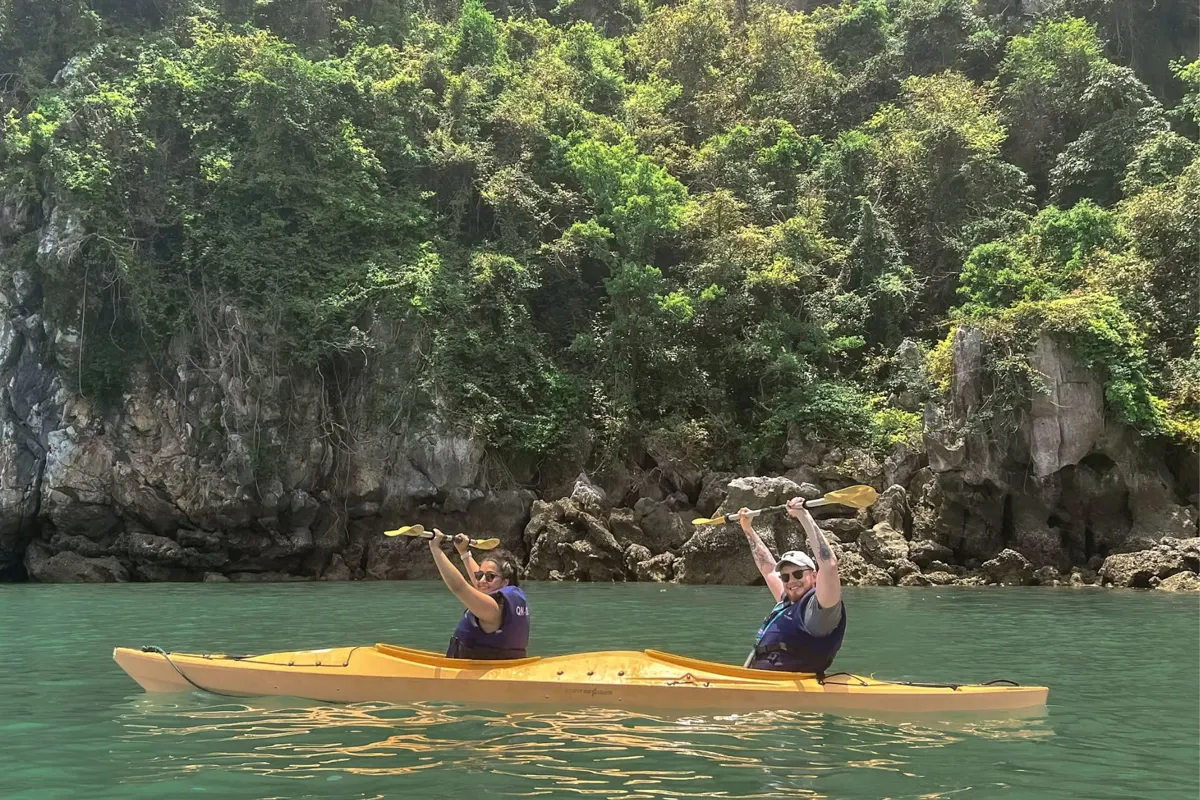
Halong Bay in North Vietnam stands as a globally recognized UNESCO World Heritage site, celebrated for its unique geological formations. This destination consistently ranks among top choices for travelers to Vietnam, often cited as one of the world's natural wonders. Its distinctive seascape, characterized by thousands of limestone islands, offers a truly remarkable travel experience.
The Unique Geology of Halong Bay
The striking landscape of Halong Bay, featuring approximately 1,600 islands and islets, developed over millions of years. What are now towering limestone formations protruding from the calm, emerald waters were once expansive mountain ranges. Over geological time, the softer limestone gradually eroded, leaving behind only the more resilient rock outcrops.
This prolonged natural process resulted in a spectacular collection of jungle-covered pillars, secluded coves, and sandy shores that evoke a sense of ancient wonder. The bay's geological significance contributes to its status as a UNESCO World Heritage site, drawing admiration for its natural beauty and ongoing geomorphic evolution.
Navigating Halong Bay: Cruise Options and Activities
The most comprehensive way to appreciate Halong Bay's ancient landscape is by sailing across its calm waters. The numerous rock formations provide natural shelter, ensuring a generally tranquil sea surface. This allows for smooth passage between the towering outcrops, offering continuous views of the verdant scenery.
A wide array of boat tour options are available, designed to accommodate various preferences, financial plans, and trip durations. These range from traditional wooden junks to modern luxury cruise ships, many of which operate as floating accommodations. Guests can expect a variety of activities during their journey:
- Water-Based Exploration: Many visitors enjoy swimming directly from the boat deck into the deep blue waters. Island hopping allows for multiple opportunities to swim in different coves. Snorkeling among coral reefs and kayaking close to the limestone cliffs or into concealed grottos provide closer views of the bay's natural features.
- Cave Discoveries: The karst topography of Halong Bay is home to numerous caves, appealing to both experienced and new explorers. Notable sites on Bon Hon Island include Virgin Cave (Trinh Nu Cave), which holds a shrine commemorating a local legend, and Sung Sot Cave (Surprise Cave), known for its formations resembling a general and his guards. Another well-known site is the Bewitching Grotto (Me Cung Cave), which features a narrow entrance leading to winding passages and a chamber filled with stalagmites and stalactites.
- Onboard Dining Experiences: Cruises typically offer diverse culinary options, including Vietnamese and Western dishes, often served with panoramic views. Meals can range from intimate candle-lit dinners on deck to casual luxury picnics and seafood barbecues on beaches. Fresh local seafood, such as squid, lobster, and crab, is frequently featured.
- Night Squid Fishing: During the squid season, on evenings with minimal moonlight, guests can participate in squid fishing. This activity involves using a basic bamboo rod with a shrimp-shaped hook, with lights employed to attract squid to the surface. It offers a chance to experience a traditional local fishing method.
- Morning Yoga Sessions: Halong Bay provides a serene setting for sunrise. Many boats facilitate morning yoga classes led by instructors, or guests can practice independently on deck. The calm sea, fresh air, and imposing rock formations contribute to a peaceful and invigorating start to the day.
- Vietnamese Cooking Classes: To gain a deeper cultural understanding, many cruises offer cooking classes. Resident chefs demonstrate how to prepare classic Vietnamese dishes, simplifying the steps. Learning to make items like spring rolls allows guests to recreate a taste of Vietnam upon returning home.
Exploring Halong Bay's Floating Communities
A distinctive aspect of Halong Bay's past is the development of floating settlements, where communities lived directly on the water, reliant on the sea for their livelihoods. These villages consisted of boats tethered together, functioning as homes, schools, shops, and restaurants.
Today, four primary floating villages in Halong Bay – Cua Van, Vung Vieng, Cong Dam, and Ba Hang – are primarily maintained for tourism and fishing-related work, rather than full-time residency. They remain intact, offering visitors a glimpse into this unique way of life.
For those venturing into Lan Ha Bay, near Cat Ba Island, the Cai Beo floating village can be observed. This community still hosts approximately 600 to 1,000 residents living on boats, with access to the mainland via water taxi. The colorful boats, often adorned with small balconies, plants, and even pets, provide interesting photographic subjects and a window into a continuing maritime tradition. Exploring such communities offers a unique perspective on local life and culture, similar to visiting ancient villages on land.
Onboard Amenities and Relaxation
Despite being surrounded by a natural wonder, modern cruise vessels in Halong Bay often provide a range of comforts. Travelers can expect amenities that enhance their stay, ensuring a relaxing and enjoyable experience.
Many tour boats are equipped with entertainment options, such as onboard cinemas for family film viewings. Live musical performances are also frequently available, offering a pleasant way to unwind after a day of exploration. These facilities ensure that guests can enjoy contemporary conveniences while appreciating the natural environment.
Planning Your Halong Bay Cruise
Selecting the right cruise is key to a fulfilling Halong Bay experience. Considerations typically include the duration of the trip, the types of activities offered, and the level of luxury desired. Options vary from shorter day trips to multi-night excursions, each providing different opportunities to explore the bay's islands, caves, and cultural sites.
Visitors are encouraged to research various operators to find a cruise that aligns with their personal interests and budget. Whether seeking adventure, relaxation, or cultural engagement, a Halong Bay cruise offers a memorable way to engage with one of Vietnam's most celebrated natural landscapes.
Frequently Asked Questions
What makes Halong Bay a UNESCO World Heritage site?
Halong Bay is recognized by UNESCO for its outstanding universal value, specifically its aesthetic natural beauty and its significant ongoing geological processes, particularly its distinctive limestone karst formations that rise dramatically from the sea.
What types of boats are available for tours in Halong Bay?
Tour options in Halong Bay include a range of vessels, from traditional wooden junks that evoke a classic maritime feel to modern luxury cruise ships offering extensive amenities. These options cater to various budgets and preferences for comfort and style.
Can visitors swim in Halong Bay?
Yes, many cruise itineraries incorporate opportunities for swimming in designated safe areas within the bay. Additionally, activities such as kayaking and snorkeling are commonly offered, allowing for closer interaction with the water and surrounding environment.
Are there opportunities to interact with local culture?
Cruises often include visits to either former or still-active floating villages, providing insights into the traditional maritime life of the region. Some tours also feature cooking classes where guests can learn to prepare local Vietnamese dishes, further engaging with the cultural aspects of their trip.
What activities are available on a Halong Bay cruise?
Activities typically offered on a Halong Bay cruise include swimming, kayaking, exploring various caves, participating in night squid fishing, morning yoga sessions on deck, and learning local recipes through cooking classes. Visits to floating villages are also a common inclusion.








