
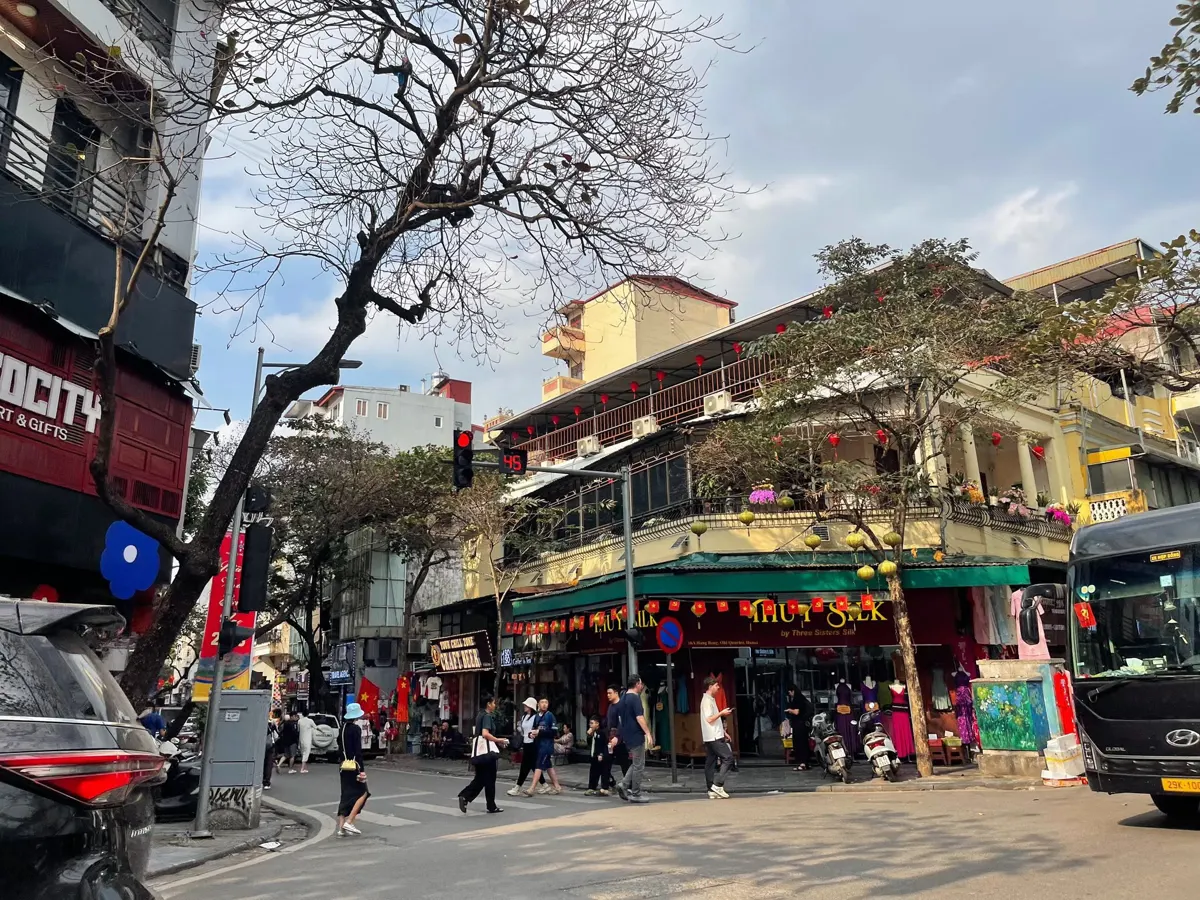
Hanoi, the capital city of Vietnam, offers a deep connection to the country's spiritual and historical past through its many religious buildings. For those interested in Vietnam's cultural heritage, exploring these ancient pagodas and temples provides a profound experience. This guide presents five prominent sites that showcase unique architecture and compelling stories, inviting visitors to understand a significant aspect of Vietnamese identity.
Understanding Hanoi's Religious Architecture
Hanoi's religious landscape is primarily shaped by Buddhism, which arrived in Vietnam centuries ago and profoundly influenced the nation's culture, art, and governance. Alongside Buddhist pagodas, one also finds temples dedicated to national heroes, revered scholars, and Taoist deities, reflecting a syncretic blend of beliefs common in Vietnamese spiritual life. These structures are not merely places of worship but also repositories of history, often bearing witness to significant events and dynastic changes.
The architectural styles of these sites vary, from the unique single-pillar design to more elaborate complexes featuring multiple halls, courtyards, and intricate carvings. Many incorporate elements of traditional Vietnamese design, often harmonizing with natural surroundings like lakes and gardens. Visiting these sites offers an opportunity to observe local religious practices and appreciate the craftsmanship that has been preserved over generations.
Prominent Pagodas and Temples to Visit in Hanoi
Hanoi is home to numerous revered religious sites, each with its own distinct history and architectural character. The following five locations are particularly noteworthy for their cultural importance and historical narratives.
One-Pillar Pagoda (Chùa Một Cột)
The One-Pillar Pagoda stands as a distinctive symbol of Hanoi, known for its singular architectural form. Located within the Ho Chi Minh complex, it is easily accessible and situated near Ho Chi Minh’s Mausoleum. Specifically, visitors can find it on Ong Ich Khiem Street in Ba Dinh District. The pagoda's construction is attributed to Emperor Ly Thai To during the Ly dynasty, reportedly inspired by a dream. According to legend, the emperor envisioned the Holy Lady, also known as Phat Ba Quan Am, leading him to a sacred place. Following this dream and the counsel of Thien Tue Monk, he commissioned the building of a pagoda designed to resemble a lotus flower, mirroring the one the Holy Lady was said to have rested upon. Historically, the emperor would visit this pagoda on the eighth day of each lunar April to perform Buddhist rituals, including the bathing of Buddha statues and the release of birds. This site offers a glimpse into ancient imperial piety and unique design.
Tran Quoc Pagoda
Considered the most ancient pagoda in Hanoi, with a history spanning approximately 1,500 years, Tran Quoc Pagoda occupies a small peninsula on West Lake. Its long existence has seen several name changes, each reflecting a specific period in Vietnam's history. Initially named Khai Quoc, meaning "establishing a country," it was erected at a site by the Red River and during the Ly Nam De Dynasty (544-548). In the 15th century, during the Le Thai Tong Dynasty, Khai Quoc was renamed An Quoc, signifying "the country in peace." A significant event in its history occurred in 1915 when a severe landslide damaged its foundation, prompting the feudal government to relocate it to its current position on Kim Ngu Island within West Lake. The pagoda eventually acquired its present name, Tran Quoc. Its architecture largely adheres to Buddhist principles, creating a serene atmosphere that blends the solemnity of a religious space with the scenic beauty of West Lake and profound historical layers.
Ngoc Son Temple (Đền Ngọc Sơn)
Ngoc Son Temple is positioned on a small island within Hoan Kiem Lake, offering a tranquil retreat in the heart of Hanoi. Constructed in the 19th century, this temple is notable for its dedication to both Van Xuong Scholar and Tran Hung Dao, a revered national hero from the 13th century who famously led forces against Mongol invaders. The temple underwent renovations in 1985, overseen by the Confucian scholar Nguyen Van Sieu. While it sits on an island, visitors do not need a boat to reach it; access is provided by a distinctive red bridge known as The Huc, which itself is an architectural feature of the site. The temple's location and historical associations make it a significant cultural landmark.
Quan Su Pagoda (Chùa Quán Sứ)
Quan Su Pagoda holds a unique place in Vietnamese history, particularly concerning foreign relations during the Le Dynasty in the 15th century. It served as the central headquarters for the Buddhist community in Vietnam during that era. The pagoda's establishment was prompted by the arrival of Buddhist ambassadors from other territories who came to offer tributes to the Vietnamese king. At the time, there were no formal Buddhist pagodas for their worship, only small cottages. Consequently, King Le ordered the construction of this pagoda specifically for these visiting dignitaries. While its interior might not be as visually elaborate as some other sites, Quan Su Pagoda is recognized as a significant historical treasure due to its role in the nation's past and its connection to early diplomatic exchanges.
Quan Thanh Temple (Đền Quán Thánh)
Quan Thanh Temple is another historically important site situated on West Lake, close to the ancient Citadel of Hanoi. It is recognized as one of the four sacred temples of Ancient Thang Long, the former name of Hanoi. Erected in the 11th century, the temple is dedicated to Tran Vu, a deity believed to protect the northern region. Over the centuries and through various dynasties, this historical and cultural monument has undergone multiple renovations, resulting in its current distinctive architectural characteristics. A visit to Quan Thanh Temple provides valuable insights into Vietnam's historical defense and spiritual beliefs.
Overview of Hanoi's Historic Pagodas and Temples
| Site Name | Primary Location | Key Historical Detail | Dedicated To |
|---|---|---|---|
| One-Pillar Pagoda | Ho Chi Minh Complex, Ba Dinh District | Built by Emperor Ly Thai To (Ly dynasty) based on a dream | Holy Lady (Phat Ba Quan Am) |
| Tran Quoc Pagoda | Kim Ngu Island, West Lake | Oldest pagoda in Hanoi (approx. 1,500 years), relocated in 1915 | Buddhist deities |
| Ngoc Son Temple | Small island, Hoan Kiem Lake | Built 19th century, accessible by The Huc Bridge | Van Xuong Scholar, Tran Hung Dao |
| Quan Su Pagoda | Hanoi (specific street not provided in source) | 15th-century Buddhist headquarters, built for foreign ambassadors | Buddhist worship |
| Quan Thanh Temple | West Lake, near ancient Citadel | 11th-century, one of four sacred Thang Long temples | Tran Vu (northern protector deity) |
Planning Your Visit to Hanoi's Sacred Sites
When preparing to explore Hanoi's pagodas and temples, a few practical considerations can enhance your experience. Most religious sites in Vietnam request respectful attire, meaning shoulders and knees should be covered. Removing hats and shoes before entering main worship halls is also customary. Photography is generally permitted, but it is always courteous to ask or observe local signs, especially during active prayer times.
The weather in Hanoi can influence your visit. March, for instance, often presents moderate temperatures and less rain, making it a pleasant time for outdoor exploration. Consider planning your Hanoi visit based on seasonal weather for optimal comfort. Transportation to these sites is straightforward, with options ranging from taxis and ride-sharing services to local buses. Many of these sites are concentrated in central Hanoi, making it feasible to visit several in a single day. For a structured exploration of the city's historical and spiritual landmarks, consider booking a Hanoi heritage and culture day tour.
Cultural Significance and Preservation
Hanoi's pagodas and temples are more than just architectural marvels; they are active centers of spiritual life and vital links to Vietnam's past. They serve as places for community gatherings, religious ceremonies, and personal reflection for local residents. The preservation of these sites is a continuous effort, often involving both government initiatives and local community support to maintain their structural integrity and cultural authenticity.
These religious buildings often play a role in national identity, symbolizing resilience and continuity through centuries of change. They offer a tangible connection to the country's historical narratives, from ancient legends to dynastic shifts and struggles for independence. For visitors, engaging with these sites provides a deeper appreciation for the enduring spiritual traditions and rich historical layers that define Vietnam.
Frequently Asked Questions
What is the best time of year to visit Hanoi's pagodas?
The most comfortable times to visit Hanoi's pagodas are during the spring (March to April) and autumn (September to November). During these periods, the weather is typically mild with lower humidity, making it ideal for walking and exploring outdoor sites. Summers can be hot and humid, while winters are cooler and sometimes damp.
Are there any dress code requirements for visiting temples in Hanoi?
Yes, when visiting religious sites like pagodas and temples in Hanoi, it is generally expected to dress respectfully. This typically means wearing clothing that covers your shoulders and knees. It is also customary to remove your shoes before entering the main worship halls.
How can I reach these pagodas from central Hanoi?
Many of Hanoi's prominent pagodas and temples, such as Ngoc Son Temple and Tran Quoc Pagoda, are centrally located or easily accessible from the city center. You can reach them by taxi, ride-sharing apps (like Grab), local buses, or even by walking if they are within a reasonable distance of your accommodation. Some visitors also opt for cyclo rides for a traditional mode of transport.
What is the difference between a pagoda and a temple in Vietnam?
In Vietnam, the terms "pagoda" (chùa) and "temple" (đền or miếu) generally refer to different types of religious structures. A pagoda is primarily a Buddhist place of worship, housing Buddha statues and serving as a monastery. A temple, on the other hand, is typically dedicated to a deity, a national hero, a revered ancestor, or a significant historical figure, often associated with folk religions or Taoism. While both are important spiritual sites, their primary focus and dedication differ.








