
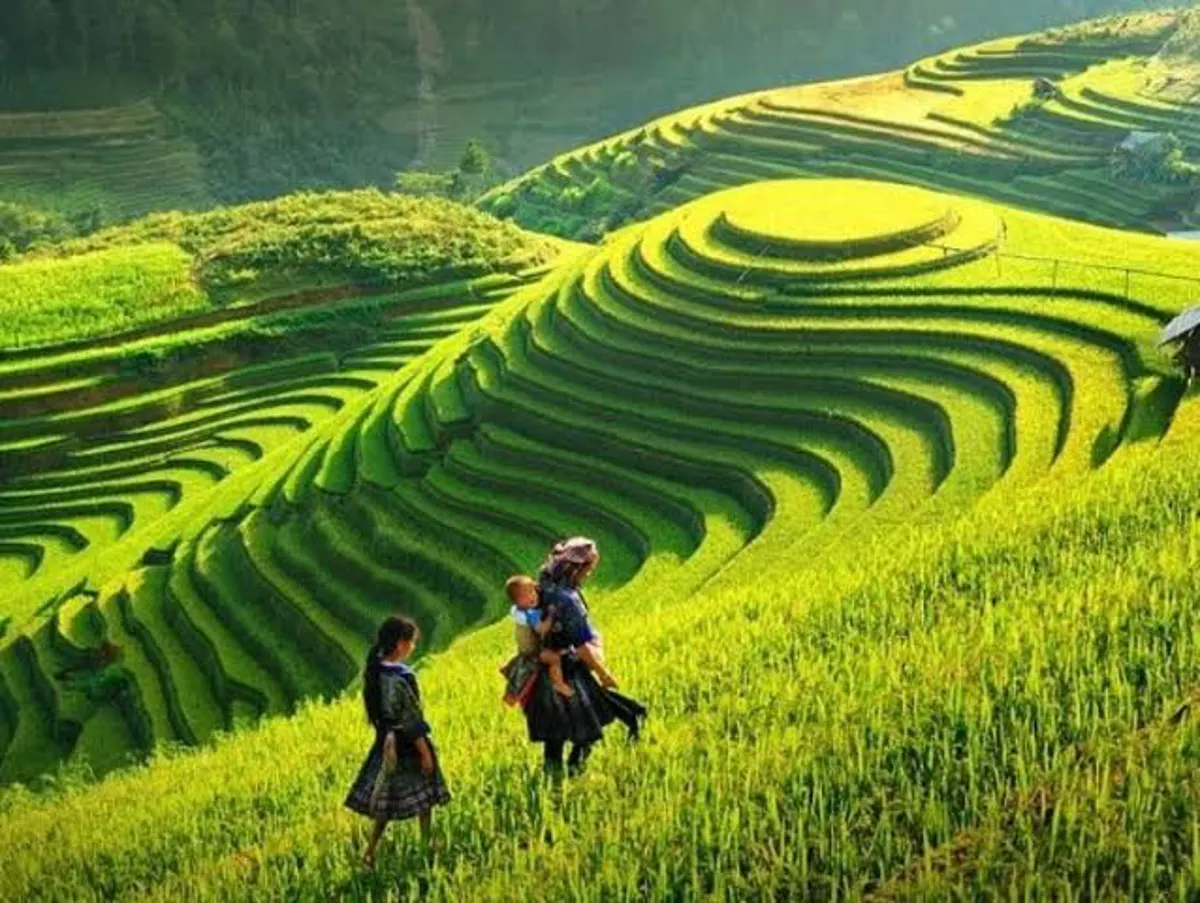
Hoang Su Phi, situated within Vietnam's northern mountains, presents a distinctive destination for travelers interested in trekking. This area is renowned for its extensive terraced rice fields and the cultural heritage of its highland populations. Visitors can explore various paths that lead through agricultural landscapes, dense forests, and traditional villages, offering insights into local life and the natural environment.
The region's appeal lies in its combination of scenic beauty and opportunities for cultural interaction, making it suitable for those who appreciate outdoor activity alongside genuine community engagement. Journeys here are often characterized by a deliberate pace, encouraging a deeper appreciation for the surroundings and the customs of the people who inhabit these mountains.
Understanding Hoang Su Phi's Unique Appeal
Hoang Su Phi, located in Ha Giang Province, is distinguished by its dramatic agricultural scenery, particularly the terraced rice fields that cascade down mountain slopes. These formations are not only visually striking but also represent centuries of traditional farming practices by local ethnic groups. The area's geography, with its layers of mountains extending towards the horizon, contributes to an atmosphere of remote tranquility.
Beyond the agricultural landscapes, Hoang Su Phi encompasses primary forests and a network of villages belonging to communities such as the Red Dao. The region attracts individuals interested in sustainable travel, offering experiences that aim to balance visitor enjoyment with the preservation of natural resources and cultural traditions. This approach allows for a more meaningful interaction with both the environment and its inhabitants.
Planning Your Trekking Experience
Undertaking a trek in Hoang Su Phi requires some preparation to ensure a comfortable and safe experience. The routes vary in difficulty, from shorter walks to multi-day expeditions, accommodating different levels of physical ability. Generally, participants should possess moderate to good physical fitness, capable of sustained walking over varied terrain.
Essential gear includes sturdy hiking footwear, sufficient drinking water, and a windproof jacket, as mountain weather can change unexpectedly. The period around August, corresponding with the rice harvest, is often considered a particularly favorable time to visit. During this month, the terraces take on a golden hue under the autumn sun, enhancing the visual spectacle. For those interested in seasonal travel in Vietnam, this timing offers a unique perspective on the agricultural cycle.
Notable Trekking Paths from Panhou Retreat
Panhou Retreat, located in the Thong Nguyen Valley, serves as a common starting point for several popular trekking routes in Hoang Su Phi. These paths are designed to showcase the area's natural beauty and cultural elements, each offering distinct characteristics.
Three routes frequently chosen by travelers include journeys from Panhou to Yen Son, Panhou to Giang Ha, and Panhou to Nam Nghi. Each route provides a different perspective on the region's landscapes and local life. The retreat's focus on nature conservation and cultural preservation extends to how these trekking experiences are structured, aiming to provide authentic encounters while minimizing environmental impact.
| Route Name | Difficulty | Key Features |
|---|---|---|
| Panhou to Yen Son | Moderate | Rolling golden rice terraces, bamboo forests, green valleys, Red Dao stilt houses, simple lunch stops |
| Panhou to Giang Ha | Challenging | Steep ascents, mountain passes, rounded hills, mist-covered valleys, extensive cloud formations |
| Panhou to Nam Nghi | Gentle/Tranquil | Primary forests, grasslands, ancient Shan Tuyet tea hills, clear streams, observations of daily village life |
Panhou to Yen Son
The path leading from Panhou to Yen Son typically involves traversing areas characterized by golden rice terraces, especially during the harvest season. Trekkers pass through bamboo groves and verdant valleys. A common feature of this route is the opportunity for a simple meal break within the traditional wooden stilt houses of the Red Dao community, offering a direct glimpse into their way of life.
Panhou to Giang Ha
Considered a more demanding option, the route to Giang Ha includes steeper climbs and mountain passes. The effort is often rewarded with expansive views of the landscape, featuring rounded hills and valleys frequently enveloped in mist. Travelers on this path may encounter vast expanses of clouds, creating an ethereal atmosphere across the mountainous terrain.
Panhou to Nam Nghi
For those seeking a more relaxed experience, the route from Panhou to Nam Nghi offers a tranquil journey. This path winds through untouched forests, open grasslands, and past ancient Shan Tuyet tea plantations. Along the way, clear streams flow through rocky formations. This route provides numerous opportunities to observe the unhurried rhythm of local daily life, from villagers engaged in routine tasks to children playing near their homes.
Engaging with Highland Communities
A significant aspect of trekking in Hoang Su Phi is the opportunity for cultural engagement with the highland ethnic communities. These interactions go beyond mere observation, allowing visitors to experience aspects of local traditions firsthand. The sensory experience is often highlighted, from the distinctive aroma of cinnamon leaves in old-growth forests to tasting wild fruits gathered by guides.
Conversations with village elders can offer profound insights into the area's history, customs, and beliefs. In some mountain villages, travelers might have the chance to wear traditional indigo clothing, which is hand-woven and naturally dyed through methods passed down through generations. These moments provide a window into the daily routines and cultural practices that define life in these remote areas. The presence of Red Dao herbal baths in the region further exemplifies the rich traditional practices.
During colder months, sitting by a fire with villagers and sharing hot Shan Tuyet tea becomes a particularly comforting experience. Such moments often evoke a sense of peace and connection, allowing guests to momentarily step away from modern urban pressures and appreciate a simpler existence. The sights and sounds of rural life – ducks by a porch, persimmon trees laden with fruit, buffalo grazing – collectively paint a vivid picture of the highlands.
Hoang Su Phi and Responsible Tourism
Trekking activities in Hoang Su Phi, particularly those organized through establishments like Panhou Retreat, often exemplify a model of responsible tourism. The focus is on harmonizing visitor experiences with the imperatives of nature conservation and cultural preservation. This approach typically involves designing routes on a smaller scale, limiting group sizes to minimize impact on the natural environment and the daily routines of local communities.
Routes are carefully surveyed to avoid ecologically sensitive zones, frequently utilizing traditional paths that have been used by local people for generations. Travelers are encouraged to adhere to principles of responsible tourism, which include respecting local living spaces, refraining from littering, and contributing to the protection of both landscapes and community life. Local guides play a crucial role, not only in leading the way but also in sharing knowledge about the value of the forests, rice terraces, and cultural heritage. This method has contributed to maintaining the pristine character of Hoang Su Phi over time, fostering a balance between visitor enjoyment and long-term benefits for both the environment and its people. For more information on Vietnam's northern rice terraces, visitors can explore dedicated guides.
Frequently Asked Questions
When is the best time to trek in Hoang Su Phi?
The most recommended period for trekking in Hoang Su Phi is generally around August, which coincides with the rice harvest season. During this time, the terraced fields turn a golden color, offering particularly striking visual experiences. The weather is also typically favorable for outdoor activities.
What level of fitness is required for trekking in Hoang Su Phi?
Most trekking routes in Hoang Su Phi are suitable for individuals with moderate to good physical condition. While some paths are gentle, others involve steep ascents and descents. It is advisable to be comfortable with walking for several hours and to prepare with appropriate gear.
What should I bring for a trek in Hoang Su Phi?
Essential items for trekking in Hoang Su Phi include proper hiking shoes, adequate drinking water, and a windproof jacket. Depending on the duration of your trek, other items like a small backpack, snacks, and sun protection may also be beneficial.
Can I interact with local communities during the treks?
Yes, cultural interaction is a core component of the trekking experience in Hoang Su Phi. Many routes pass through Red Dao villages, offering opportunities to observe daily life, learn about local customs, and sometimes share a meal or tea with residents. These interactions are often facilitated by local guides.
Is Hoang Su Phi suitable for sustainable tourism?
Hoang Su Phi is often highlighted as a destination that promotes sustainable tourism. Treks are typically organized with small group sizes, follow traditional paths, and emphasize respecting the environment and local culture. A portion of revenue from some trekking activities is reinvested into community projects, supporting local livelihoods and conservation efforts.








