
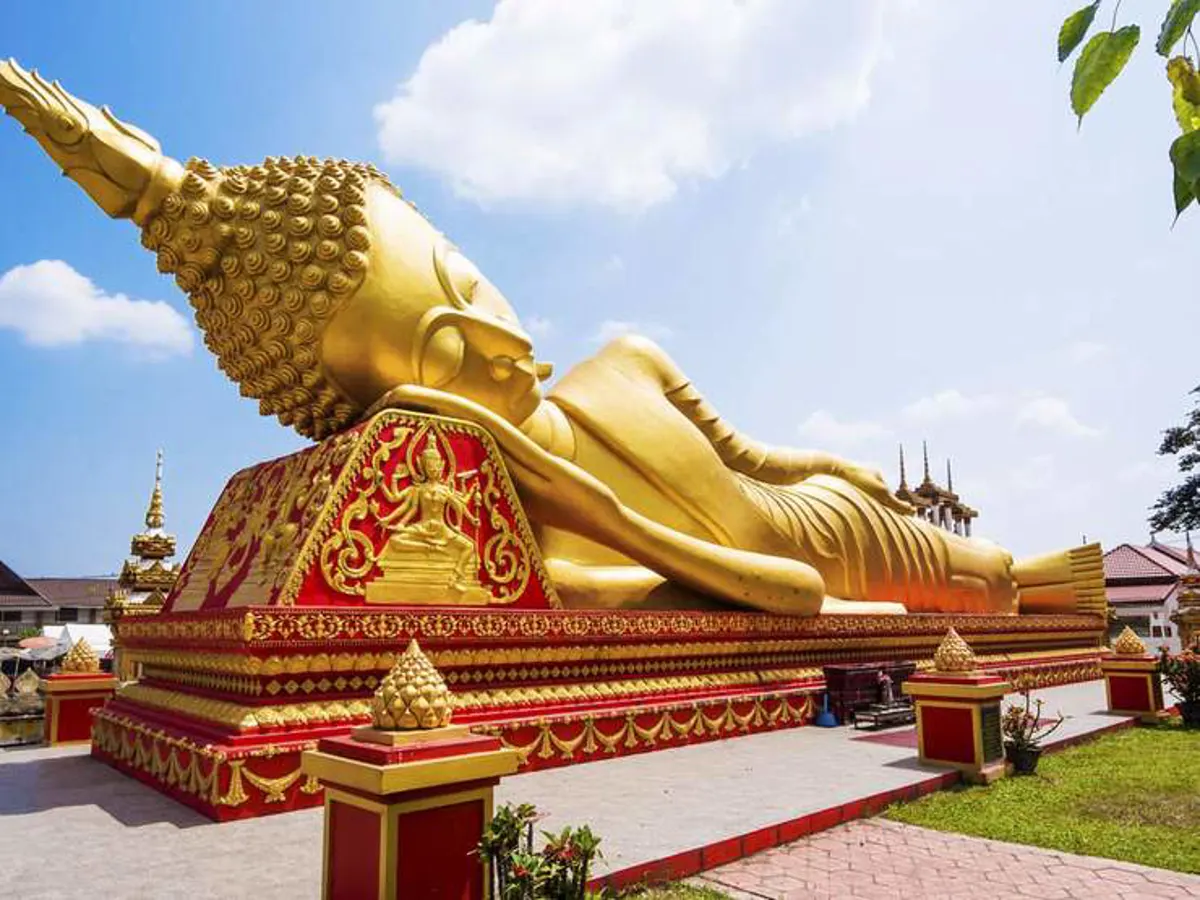
Laos offers a diverse range of experiences for travelers, encompassing rich cultural heritage, significant historical sites, and varied natural landscapes. Visitors can explore ancient temples, engage in active tours, and enjoy local traditions across its different regions, from the capital Vientiane to the ancient city of Luang Prabang. The country's unique character provides ample opportunities for those seeking both cultural depth and outdoor pursuits.
Many travelers find that an active holiday provides a deeper understanding of the country. Exploring areas beyond the most frequented tourist routes can offer fresh perspectives on Laotian life and its attractions. The nation's appeal stems from its blend of historical depth, cultural authenticity, and natural beauty, making it suitable for various travel preferences.
Discovering Laos: A Land of Culture and Exploration
Laos stands as a compelling destination for individuals seeking distinctive experiences in Southeast Asia. Its geographical position and historical trajectory have shaped a country rich in tradition and natural wonders. The pace of life in Laos often encourages a more reflective form of travel, allowing visitors to connect with local customs and environments.
The country's allure is multifaceted, drawing interest from those interested in ancient civilizations, spiritual practices, and the tranquility of its landscapes. From its northern mountains to its southern plains, Laos presents a continuous narrative of cultural evolution and natural splendor, inviting exploration at every turn.
Key Destinations for Exploration
Laos features several prominent locations, each offering distinct attractions. In the southern region, Pakse serves as a significant hub and a gateway to historical sites such as the ancient Wat Phou ruins. This area also includes Khlong island, known for its traditional fishing communities and serene monasteries, providing a glimpse into traditional riverine existence and local spiritual life.
Further north, Luang Prabang stands out as a particularly well-preserved urban center, recognized for its spiritual significance and architectural heritage. The city's collection of temples and its setting by the Mekong River contribute to its reputation as a cultural highlight. The capital, Vientiane, is the country's largest city and offers numerous points of interest for visitors, including monuments and markets. Other notable places include Vang Vieng, recognized for its karst scenery and outdoor activities, and the expansive Mekong River, which plays a central role in the nation's geography and culture, offering routes for travel and commerce. Travelers interested in river journeys might consider exploring Laos by river to experience its waterways firsthand.
Major Laotian Destinations
- Vientiane: The capital and largest city, offering a mix of cultural sites and urban experiences.
- Luang Prabang: A UNESCO World Heritage site, celebrated for its preserved temples and traditional architecture.
- Pakse: A southern city providing access to the Bolaven Plateau and ancient Khmer ruins like Wat Phou.
- Vang Vieng: Known for its dramatic limestone karsts, caves, and river activities.
- Mekong River: A central waterway influencing life and offering scenic travel opportunities throughout the country.
Tailoring Your Laos Experience: Adventure and Day Trips
For those who prefer an active holiday, Laos provides opportunities for adventure-focused travel. These experiences often involve moving away from standard tourist paths to explore less-visited locations, offering a more distinctive and fulfilling journey. Such trips are designed to help travelers gain a comprehensive appreciation for the country's diverse aspects, from its natural environment to its local communities.
Day trips are a popular way to explore specific regions or themes within Laos. These excursions can range in duration, with some extending up to seven days, each structured with a sequence of activities to foster a more profound understanding of the area. For example, a multi-day itinerary could combine the capital with other cultural sites, offering a broad overview of the country's heritage and landscapes. For an organized exploration of key cities and natural areas, consider a Laos cultural and nature journey from Vientiane to Luang Prabang.
Cultural Immersion and Local Flavors
A significant part of any visit to Laos involves engaging with its cultural traditions and sampling its culinary offerings. The local cuisine is often highlighted by travelers, providing an opportunity to taste authentic dishes alongside international options prepared with local ingredients. Food markets and local eateries offer insights into daily life and the flavors that define Laotian cooking.
Beyond food, the cultural landscape of Laos includes ancient caves, historical imagery, and varied natural scenery. These elements collectively contribute to a memorable travel experience, offering insights into the country's heritage and natural environment. Understanding the local context is key to exploring Laos' cultural sites, which often carry deep spiritual and historical significance. The country's serene atmosphere provides a backdrop for appreciating these cultural nuances.
Planning Your Visit to Laos
Organizing a trip to Laos can be simplified through structured travel options. These packages are often designed to provide accessible holiday choices, making it easier for visitors to manage their budget and itinerary. Such arrangements typically cover major attractions and include accommodation, often in well-regarded hotels or resorts, ensuring comfort throughout the journey.
The duration and activities within these packages can vary, allowing for different levels of engagement with the country. Whether focusing on the capital or extending to other regions, these structured plans aim to offer a well-rounded experience, minimizing planning complexities for the traveler. For instance, a Luang Prabang and Vientiane cultural journey provides a focused exploration of two key cities, combining cultural highlights with practical travel arrangements.
Frequently Asked Questions
What are the main cities to visit in Laos?
The primary cities often visited in Laos include Vientiane, the capital and largest city, and Luang Prabang, known for its preserved heritage. Other notable areas for exploration are Pakse in the south and Vang Vieng, recognized for its natural surroundings and outdoor activities.
What kind of activities can I do in Laos?
Activities in Laos range from exploring ancient ruins like Wat Phou, visiting traditional fishing villages, and touring monasteries, to engaging in adventure-oriented trips that venture into less-traveled regions. Cultural experiences, including sampling local cuisine and observing traditional practices, are also central to a visit.
Is it possible to take day trips in Laos?
Yes, day trips are a common way to explore Laos, often originating from larger cities like Vientiane. These trips can vary in length, sometimes extending up to seven days, and are structured to cover specific attractions and provide a deeper understanding of the local area and its culture.
What is the significance of the Mekong River in Laos?
The Mekong River is a vital geographical and cultural feature in Laos, influencing local life, transportation, and ecosystems. It is a key element in many travel experiences, including river cruises and visits to communities along its banks, offering unique perspectives on the country.
What should I know about Laotian cuisine?
Laotian cuisine is a highlight for many visitors, offering a range of local dishes characterized by fresh herbs, sticky rice, and a balance of spicy, sour, salty, and sweet flavors. International cuisine is also available, particularly in larger cities, but sampling local specialties is highly recommended for a complete cultural experience.








