
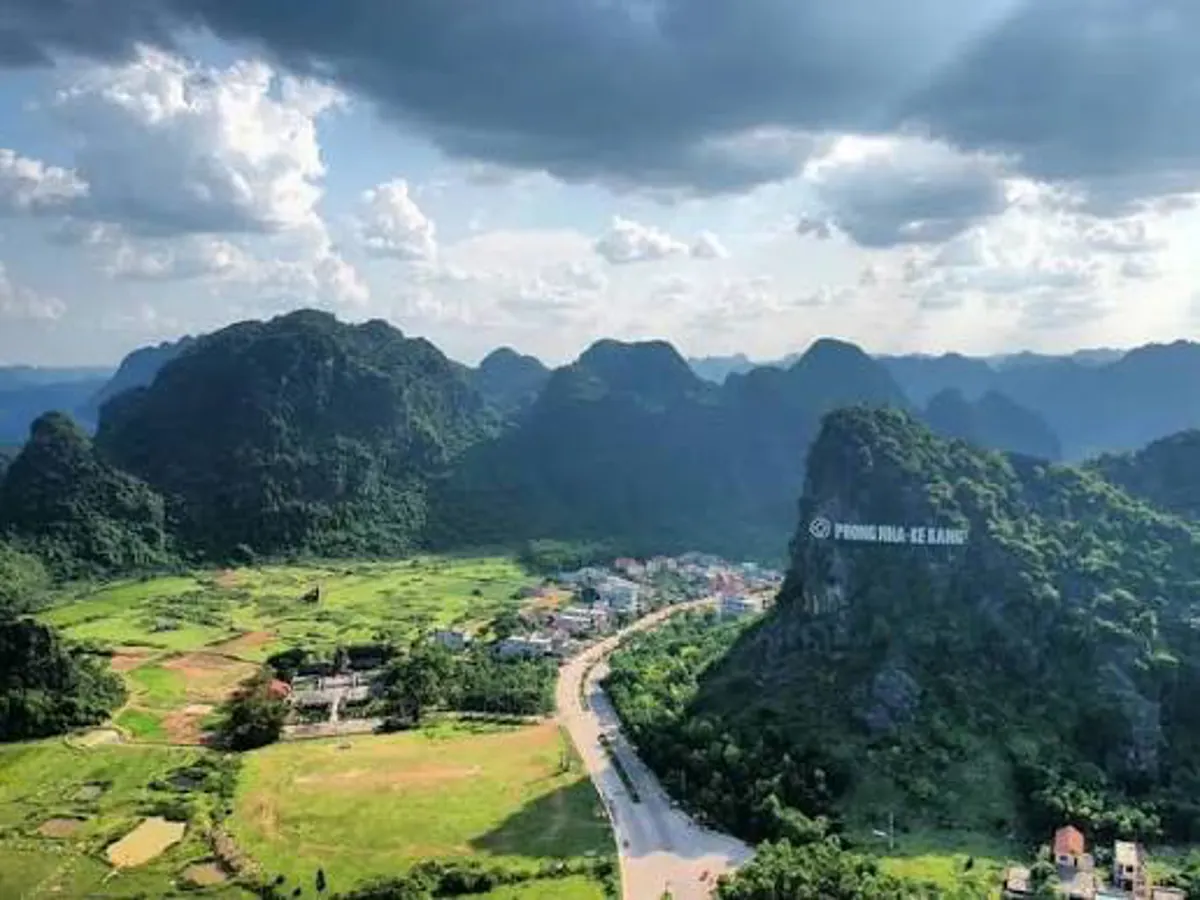
Phong Nha-Ke Bang National Park, situated in Vietnam's Quang Binh Province, offers visitors a remarkable natural environment extending far beyond its renowned Son Doong Cave. This UNESCO World Heritage site is characterized by an expansive limestone karst landscape, an intricate network of hundreds of caves, and a rich array of plant and animal life. Travelers can engage in various outdoor pursuits, from exploring on two wheels to trekking through forests and experiencing unique cave adventures.
The Natural Heritage of Phong Nha-Ke Bang National Park
Located within the Bo Trach and Minh Hoa Districts of Quang Binh Province, Phong Nha-Ke Bang National Park was recognized on the World Heritage List in 2003. Initially encompassing 85,754 hectares, the protected area was later expanded to cover a total surface of 123,326 hectares, representing a 46% increase in its designated boundaries. This significant area safeguards one of the world's most impressive limestone karst ecosystems.
The park is home to more than 300 identified caves and subterranean rivers, showcasing a diverse range of cave formations. These include dry caves, terraced caves, suspended caves, dendritic caves, and intersecting cave systems. Among these, Son Doong Cave, first explored in 2009, holds the distinction of being considered the largest cave globally. Beyond its geological features, the park supports a wide variety of flora and fauna, including numerous species classified as rare or endangered, making it a crucial site for conservation.
Exploring the Park's Landscapes by Land
For those wishing to experience the park's natural beauty at their own pace, options like cycling and motorbike tours are highly recommended. These methods allow visitors to traverse the park's pathways, providing opportunities to observe the verdant scenery and the diverse biological elements present. Navigating the routes by motorbike can lead to less-traveled areas and elevated viewpoints, offering different perspectives of the park's varied terrain.
Alternatively, a leisurely walk or a more challenging hike provides a direct connection with Phong Nha-Ke Bang's natural environment. The park's varied topography supports journeys through dense forests, where visitors might encounter streams and delicate plant species in a peaceful setting. For individuals seeking more active pursuits, designated hiking trails ascend to elevated positions, presenting wide views of the surrounding karst formations. These activities cater to different fitness levels, allowing many to appreciate the park's ecological richness. Vietnam's diverse outdoor adventures extend to many regions, including this national park.
Key Attractions: Botanical Garden and Chay River-Dark Cave
Within the heart of Phong Nha-Ke Bang National Park, several specific sites offer distinct experiences.
The Phong Nha – Ke Bang Botanical Garden spans 40 hectares and serves as an eco-tourism destination. It features approximately 500 plant species, with 133 identified as rare or valuable. The garden is primarily a natural forest and includes six main visitor areas:
- The 30-meter high Gio (Wind) Waterfall
- Vang Anh Lake
- A specimen showroom
- A 3-kilometer natural walking path
- A plant nursery
- Designated areas for precious and rare plants
While walking the pathways, visitors might observe monkeys and porcupines, both in their natural habitat and within a semi-wild enclosure. The botanical garden also provides options for overnight stays, including camping or renting rooms, and offers local cuisine prepared with ingredients such as chicken, spring shrimp, river fish, and pigs raised in the forest.
Another popular destination is the Chay River - Toi (Dark) Cave, located in Son Trach Commune, Bo Trach District, Quang Binh Province. This site is known for its recreational activities and refreshing atmosphere. Visitors frequently come here to engage in:
- Ziplining: A prominent activity with two routes. One extends over 400 meters from an observatory to the entrance of Dark Cave. The second is a shorter zipline from the riverbank, releasing participants into the waters of the Chay River.
- Kayaking: Available for exploring the Chay River and reaching Dark Cave.
- Mud Bathing: Inside Dark Cave, visitors can experience a natural mud bath composed of pure, diluted mud, naturally refined by the limestone mountains.
To access Dark Cave itself, individuals can choose to zipline directly to the cave mouth or navigate by swimming or kayaking.
Unique Cave Experiences and Overnight Stays
Beyond day trips, Phong Nha-Ke Bang National Park offers opportunities for more extensive exploration, including overnight camping and caving. Spending a night within the ancient limestone formations allows for a deeper connection with the underground environment. With headlamps illuminating the pathways, the caves take on a different character after dark.
For these more involved activities, participation with experienced guides is strongly advised. Guides can provide essential insights into the park's geology, its historical context, and the unique ecosystems that thrive within the cave systems, ensuring both safety and an informative experience. Exploring Vietnam's national parks often involves such guided adventures.
Planning Your Visit to Phong Nha-Ke Bang
To make the most of a trip to Phong Nha-Ke Bang National Park, timing is a key consideration. The optimal period for a visit is generally from March to August, which corresponds with the region's dry season. During these months, weather conditions are typically more favorable for outdoor activities such as trekking, kayaking, cycling, and cave exploration.
Visitors should prepare for a range of activities and consider the level of physical exertion involved in certain tours. While some areas are easily accessible, others, particularly deeper cave systems or longer treks, require a reasonable level of fitness and appropriate gear. It is always recommended to verify current operating hours and any specific requirements for activities directly with local tour operators or park authorities, as conditions and offerings can change. The park's designation as one of Vietnam's UNESCO World Heritage Sites underscores its global importance.
Frequently Asked Questions
When is the best time to visit Phong Nha-Ke Bang National Park?
The most favorable time to visit Phong Nha-Ke Bang National Park is during the dry season, which typically runs from March to August. This period offers suitable weather for outdoor activities and cave exploration.
What types of activities are available in Phong Nha-Ke Bang National Park?
Visitors can engage in a variety of activities, including cycling and motorbike tours, walking and hiking, ziplining, kayaking, mud bathing, and guided cave expeditions. The botanical garden also offers opportunities for nature walks and wildlife observation.
Is Son Doong Cave the only attraction in Phong Nha-Ke Bang National Park?
While Son Doong Cave is internationally recognized as the world's largest cave, Phong Nha-Ke Bang National Park offers numerous other attractions. These include over 300 different caves, the Phong Nha-Ke Bang Botanical Garden, and the Chay River-Dark Cave complex, all providing distinct experiences.
Are there options for staying overnight within Phong Nha-Ke Bang National Park?
Yes, the Phong Nha-Ke Bang Botanical Garden offers camping and room rentals. Additionally, some tours provide opportunities for overnight camping within the cave systems, typically requiring the accompaniment of expert guides for safety and educational purposes.
What kind of wildlife can be seen in the park?
Phong Nha-Ke Bang National Park is home to diverse flora and fauna, including many rare and endangered species. Within the botanical garden, visitors may observe monkeys and porcupines in designated areas or their natural habitat.








