
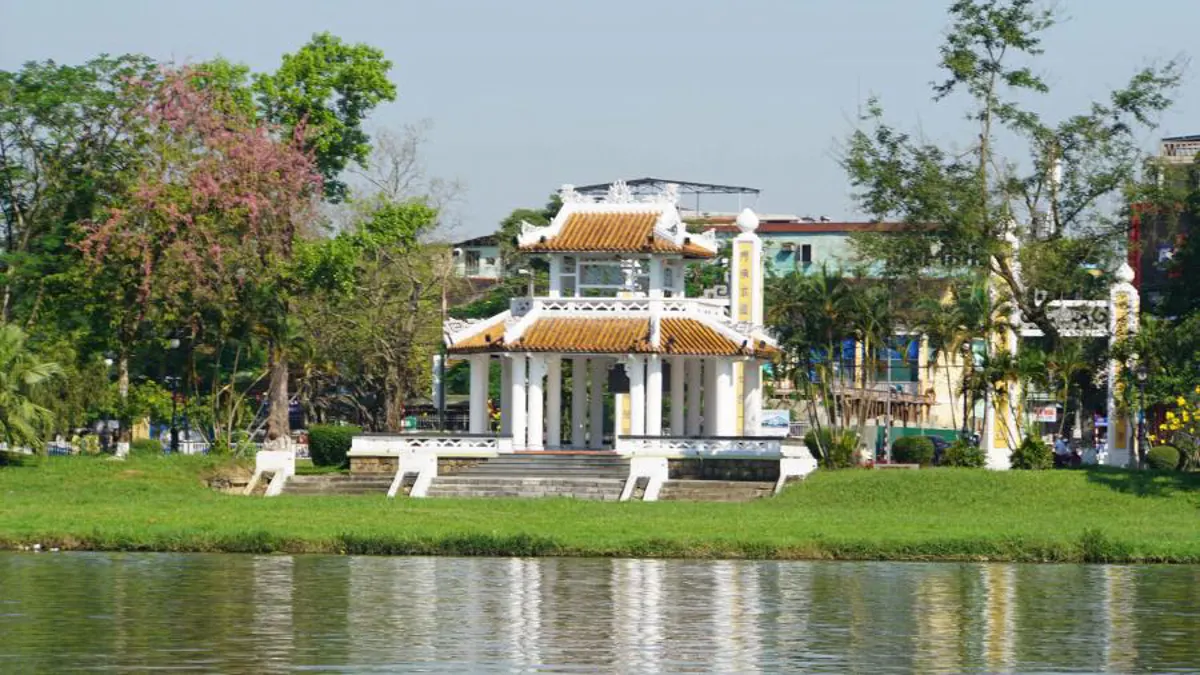
Hue, a city renowned for its historical significance and elegant landscapes in central Vietnam, offers numerous ways to experience its distinct character without incurring significant costs. Visitors can engage with local culture and admire natural beauty through various complimentary activities, making it an accessible destination for all travelers.
The Allure of Hue: A Glimpse into Vietnam's Past
Hue served as Vietnam's imperial capital under the Nguyen Dynasty, leaving a legacy of architectural marvels and cultural depth. While many prominent historical sites, such as the Imperial Citadel and the tombs of emperors, require an entrance fee, the city's broader ambiance and certain public spaces provide rich experiences at no charge. The city's charm extends beyond its ticketed attractions, inviting exploration of its public areas and natural settings.
The city's historical importance is evident in its layout and the preservation of certain elements from its royal past. Beyond the grand structures, the daily life and natural surroundings contribute significantly to Hue's appeal, offering opportunities for visitors to connect with the local environment and community.
Observing the Perfume River's Scenery
The Perfume River, also known as Sông Hương or Hương Giang, is a central feature of Hue, celebrated for its gentle flow and poetic scenery. Stretching approximately 80 kilometers, the river meanders through forests before reaching the city, contributing to its tranquil atmosphere. While boat excursions, particularly dragon boat trips at night, are popular paid activities offering light parties and views of lantern festivals, simply observing the river from its banks or bridges provides a serene experience.
The riverbanks present an opportunity to witness local life unfold, with views of traditional architecture, such as those found in Bao Vinh Old town, and the graceful willow trees lining the water. Many visitors find that appreciating the river's romantic qualities from a public vantage point is a fulfilling, cost-free way to connect with Hue's essence.
Experiencing Daily Life at Dong Ba Market
Dong Ba Market stands as Hue's most prominent market, covering an expansive area of 15,600 square meters. Its central feature is a three-story structure known as "Lau Chuong," encircled by U-shaped buildings. This marketplace serves as a lively hub for commerce, offering a wide array of goods from regional specialties and clothing to handcrafted items and local street food. While purchasing goods or tasting the diverse culinary offerings like Banh Khoai, Bun Bo Hue, Banh Bot Loc, and Che Hue will incur costs, the experience of simply walking through the market and observing the daily interactions of local residents is entirely free.
The afternoon is often suggested as an ideal time to visit, as the market becomes particularly active and offers more options for observing food preparation and local bargaining. Engaging with the market's atmosphere provides insight into the local economy and social customs, offering a glimpse into the authentic rhythm of Hue.
Discovering Traditional Craftsmanship in Local Villages
Beyond Hue's well-known historical landmarks like the Imperial Citadel and Truong Tien Bridge, the surrounding area is home to several traditional crafting villages that showcase Vietnam's cultural heritage. These villages offer a chance to observe artisans at work, providing a free educational and cultural experience. Examples include Tay Ho village, known for its conical hat production; Phuoc Tich pottery village, celebrated for its ceramic creations; Thanh Tien paper flower village, where intricate paper blossoms are crafted; and Sinh painting village, recognized for its folk art.
A visit to these communities allows individuals to learn about the intricate processes involved in creating unique Vietnamese products, from delicate conical hats to artistic pottery and colorful paper flowers. This direct exposure to traditional methods offers a deeper understanding of Hue's history and cultural practices.
Exploring the Abandoned Thuy Tien Water Park
For those interested in unique and atmospheric locations, the abandoned Thuy Tien Water Park, situated in Thuy Bang commune, Huong Thuy district, offers a distinctive exploration opportunity. This site, once a functioning water park, is now freely accessible and appeals to individuals who appreciate adventure and places with an unusual, somewhat eerie ambiance.
Visitors can wander through the decaying slides, observe the former crocodile lake, and view the dragon's mouth entrance to the aquarium, which some find reminiscent of scenes from horror films. The park's overgrown state and silent structures create a compelling environment for photography and quiet contemplation, providing a free and unconventional experience.
Appreciating Hue's General Charm and Architecture
Hue's overall appeal lies in its blend of historical architecture, serene landscapes, and daily local life. While specific modes of transport like cyclos offer a unique, paid perspective on the city's streets, simply walking through different neighborhoods allows visitors to absorb the city's romantic qualities and ancient beauty at no cost. Exploring the streets and alleys reveals the former capital's character, offering a peaceful and authentic experience.
Taking time to observe the daily routines of residents, the architectural details of older buildings, and the general flow of life provides a rich, free cultural engagement. This unhurried exploration allows for personal discoveries and a deeper connection with the city's atmosphere, making it a highlight for many travelers.
Planning Your Visit to Hue
Hue's climate is typically tropical, with a rainy season from September to January and a dry season from February to August. The months of February to April often present comfortable temperatures for exploration. While the city is walkable, especially within its central areas, various transportation options are available for longer distances.
When navigating the city, consider local customs, particularly when interacting with vendors in markets. It is advisable to verify operational hours for any specific venues, as details can change. For managing finances, numerous banking institutions are available in Hue City. Understanding local banking options is important for visitors.
For those interested in souvenirs, Vietnam offers a diverse array of local products and traditional crafts.
Frequently Asked Questions
What is the best time of year to visit Hue for free activities?
The period from February to April generally offers pleasant weather conditions for exploring Hue's outdoor attractions and markets without charge.
Are there any free cultural performances in Hue?
While the source does not specify free cultural performances, observing local life in markets and traditional villages offers a direct cultural experience at no cost. Larger festivals, such as the lantern festival on the Perfume River, can sometimes be observed from public areas without a fee, though specific events within them might be ticketed.
Can I find free Wi-Fi in Hue?
Many cafes, restaurants, and hotels in Hue offer complimentary Wi-Fi to their customers. Public spaces typically do not provide widespread free Wi-Fi, so planning for mobile data or using services where Wi-Fi is included with a purchase is advisable.
Is it safe to explore the abandoned Thuy Tien Water Park?
Exploring abandoned sites carries inherent risks, including uneven terrain, decaying structures, and potential hazards. Visitors should exercise caution, be aware of their surroundings, and consider visiting during daylight hours. The park is not officially maintained for public access.
How can I get around Hue without spending money on transportation?
Walking is the primary free method of transportation for exploring central Hue. For longer distances, public buses are an economical option, though not free. Cycling is also popular, with rental bikes available for a fee.








