
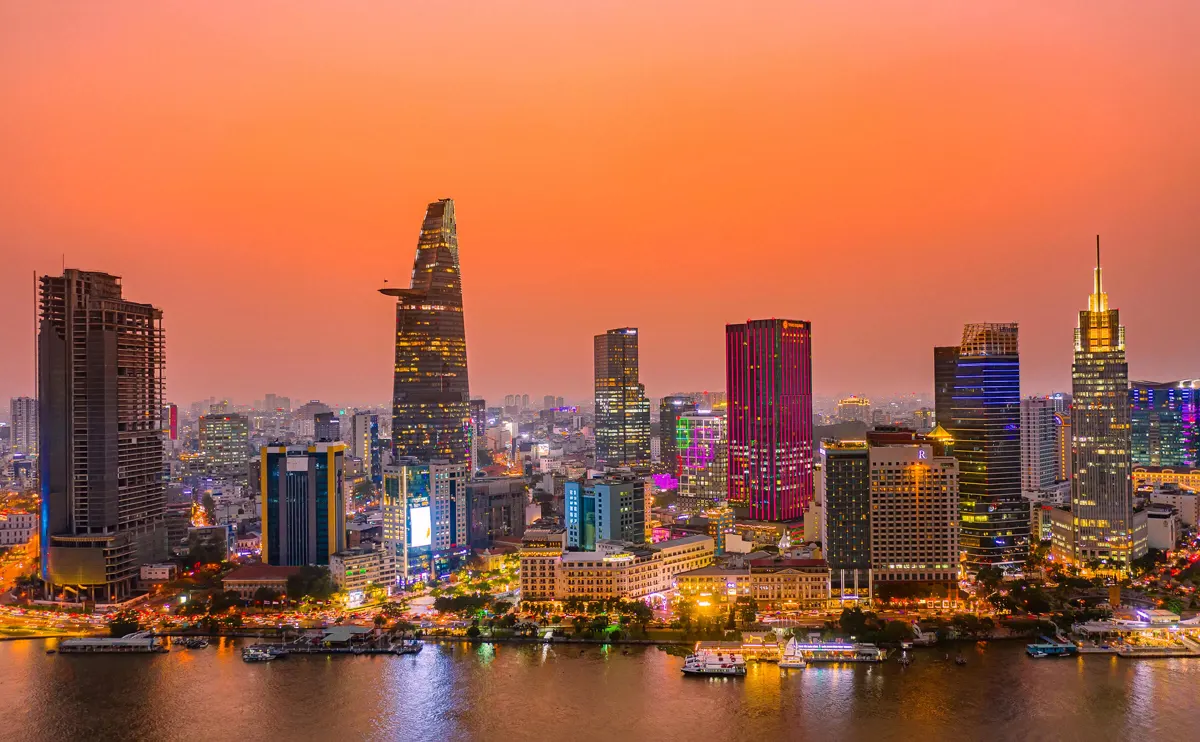
Ho Chi Minh City presents a rich array of temples and pagodas, each offering a window into Vietnam's spiritual traditions and architectural diversity. These sacred spaces are not only active places of worship but also significant cultural landmarks that reflect the city's historical layers and various religious influences. For those interested in local customs and serene environments, exploring these sites can be a meaningful part of a visit.
Ho Chi Minh City's Spiritual Heritage and Diverse Traditions
Ho Chi Minh City, also known as Saigon, possesses a rich spiritual foundation reflected in its numerous religious structures. These sites represent a blend of Buddhist, Taoist, Hindu, and indigenous beliefs, shaped by centuries of cultural exchange. From ancient pagodas with intricate carvings to more modern temples, each location tells a story of faith and community, often serving as focal points for local celebrations and daily devotions.
The city's religious landscape is characterized by a variety of faiths. Buddhism, the predominant religion, is represented by numerous pagodas featuring Buddha statues, altars, and serene gardens. Taoist temples, like Khanh Van Nam Vien, focus on deities associated with nature and balance, often recognized by colorful statues and Yin and Yang symbols. The Mariamman Hindu Temple stands as a testament to the city's Indian heritage, honoring a pantheon of Hindu gods and goddesses. Furthermore, sites like Candaransi Pagoda highlight the cultural presence and spiritual practices of the Khmer people in southern Vietnam, offering a unique perspective on their traditions and artistic expressions.
Key Temples and Pagodas to Explore
Ho Chi Minh City is home to many revered religious sites, each with unique characteristics and historical importance. From ancient structures dating back centuries to more contemporary designs, these locations offer diverse experiences for visitors. Below is a selection of prominent temples and pagodas, detailing their addresses, typical operating hours, and key features.
- Thien Hau Temple
Established in 1760 in District 5, this temple is among Saigon's oldest, dedicated to Mazu, the Chinese sea goddess. Its architecture and decorative elements distinctly follow ancient Chinese styles. The temple houses hundreds of artifacts from the late 18th to early 20th centuries. Peak visiting times include Lunar New Year and Mazu’s birthday. - Mariamman Hindu Temple
Near Ben Thanh market, this Hindu temple, built in the late 19th century by Indian residents, honors Mariamman, the goddess of rain. Its design draws from ancient Indian temples, featuring various deity statues. As Saigon's only Hindu temple, it is regarded as a source of good fortune. Visitors should remove shoes and dress respectfully. - Vinh Nghiem Pagoda
A 15-minute drive from Bui Vien Walking Street, Vinh Nghiem Pagoda is one of the city's largest, and the first to use concrete in its construction. Built in the late 20th century, it combines Vietnamese and Japanese influences. Its 46-foot-tall stone tower is Vietnam's tallest, and its expansive grounds attract many locals seeking blessings. - Jade Emperor Pagoda (Ngoc Hoang Pagoda)
Centrally located in District 1, this pagoda attracts many seeking prayers for fertility, relationships, prosperity, and health. It houses around 300 antique statues and 100 carved wooden panels. Its prominence increased after a visit by former American President Barack Obama in May 2016. Taoist deities and Buddhist figures like Guanyin are venerated within. - Xa Loi Pagoda
Xa Loi Pagoda was Vietnam's first to feature contemporary architecture. Its complex includes a garden, Guanyin statues, a seven-story bell tower, and a library. This pagoda played a significant role in the 1963 protests against the Ngo Dinh Diem administration. Its library contains about 7,000 books on Buddhism, literature, and culture. - Giac Lam Pagoda
One of Ho Chi Minh City's oldest pagodas, Giac Lam is known for its unique architectural blend of Khmer, Vietnamese, and Cham styles. It preserves valuable historical documents and Buddhist artworks. The walls, main hall, and arches are adorned with 7,454 ceramic plates, recognized by the Vietnam Book of Records. It is considered sacred for prayers related to prosperity and health. - Buu Long Temple
Situated in District 9, Buu Long Temple is recognized for its architectural fusion of Indian, Myanmar, Laotian, Thai, and Vietnamese styles. Constructed in 1942 on a hill near the Dong Nai River, the temple features elaborate gold decorations and exclusively worships Buddha. It remains less frequented by tourists, contributing to its peaceful atmosphere. - Tran Hung Dao Temple
This memorial temple in District 1 honors Tran Hung Dao, a revered Vietnamese general. Its design reflects northern Vietnamese temples. Inside, visitors find lacquered boards and intricately carved incense tables. The temple features two statues of Tran Hung Dao. Significant times to visit include the 20th day of the eighth lunar month. - Viet Nam Quoc Tu Pagoda
Located on Ba thang Hai street in District 10, Viet Nam Quoc Tu is among the city's tallest pagodas. Its architectural beauty and landscape make it a popular destination. The main complex extends seven stories, with the first two levels generally accessible. Guests can view a central Buddha statue and walk the surrounding grounds. - Pho Quang Pagoda
Approximately 16km southeast of the city center, Pho Quang Pagoda in Tan Binh District was initiated in 1951. Initially modest, it underwent renovations in 1961 and expanded its campus. It has since become a site for worship and early spring celebrations for many tourists visiting Saigon. - Khanh Van Nam Vien Temple
Found in Saigon's Chinatown, Khanh Van Nam Vien Temple is notable for its colorful Taoist disciple statues and is one of Vietnam's few Taoist pagodas. Cantonese immigrants constructed it between 1939 and 1942. The main altar prominently displays a Yin and Yang symbol. It serves as a significant site for Taoists and travelers interested in the region's Taoism. - Phap Hoa Pagoda
Phap Hoa Pagoda is one of Ho Chi Minh City's older and more prominent Buddhist temples. Its architecture draws from traditional Northern Vietnamese pagodas, featuring upward-curving roofs adorned with dragon motifs. At the main entrance, two white reclining Buddha statues are visible. The temple grounds include green spaces and a small lake, creating a calm environment. - Hoang Phap Pagoda
Established in 1957 in Hoc Mon District, Hoang Phap Pagoda, with its appealing grounds, attracts many Buddhists. Spanning over 6 hectares, it frequently hosts educational courses and commemorative events. It becomes particularly active during summer, when thousands of students attend retreats focused on well-being and spiritual development. - Phu Chau Floating Temple (Mieu Noi)
This 300-year-old floating temple is unique to Ho Chi Minh City, known for its distinctive and visually appealing architecture. It occupies an entire islet of 2,500 square meters, decorated with intricate mosaics and images of dragons, tigers, and phoenixes. Originally for sailors praying for safe voyages, it now also hosts fortune-tellers, and visitors come to make wishes. - Candaransi Pagoda (Wat Chantaransay - Khmer Pagoda)
Constructed in 1946, Wat Chantaransay is Ho Chi Minh City's first Khmer temple. It serves as a vital center for Khmer people's cultural and religious activities. The interior features pictorial representations of Jataka stories, narrating the previous births of Gautam Buddha. A visit here offers insights into the culture and religious practices of the Khmer community.
| Name | Address | Typical Opening Hours |
|---|---|---|
| Thien Hau Temple | 710 Nguyen Trai, Ward 11, District 5 | 8:00 – 16:30 |
| Mariamman Hindu Temple | 45 Truong Dinh Street, Ben Thanh Ward, District 10 | 7:00-12:00, 13:00-19:00 |
| Vinh Nghiem Pagoda | 339 Nam Ky Khoi Nghia, Ward 7, District 3 | 6:00 – 20:00 |
| Jade Emperor Pagoda (Ngoc Hoang Pagoda) | 73 Mai Thi Luu, Da Kao Ward, District 1 | 7:30 – 19:00 |
| Xa Loi Pagoda | 89 Ba Huyen Thanh Quan, Ward 7, District 3 | 7:00 – 17:00 |
| Giac Lam Pagoda | 565 Lac Long Quan, Ward 10, Tan Binh District | 8:00 – 20:00 |
| Buu Long Temple | Address not supplied | Hours not supplied |
| Tran Hung Dao Temple | 36 Vo Thi Sau, District 1 | 6:00 – 11:00, 14:00 – 18:00 |
| Viet Nam Quoc Tu Pagoda | 244 3/2 Blv., Ward 12, District 10 | 6:00 – 18:00 |
| Pho Quang Pagoda | 64/3 Huynh Lan Khanh, Ward 2, Tan Binh District | 6:00 – 21:00 |
| Khanh Van Nam Vien Temple | 269 Nguyen Thi Nho, Ward 16, District 11 | 4:00 – 17:00 |
| Phap Hoa Pagoda | 870 Truong Sa, Ward 14, District 3 | 6:30 – 11:00, 13:30 – 21:00 |
| Hoang Phap Pagoda | Tan Hiep Commune, Hoc Mon District, Ho Chi Minh City | 6:00 – 18:00 |
| Phu Chau Floating Temple (Mieu Noi) | 173/36/7B11 Duong Quang Ham, Ward 5, Go Vap District | Hours not supplied |
| Candaransi Pagoda (Wat Chantaransay - Khmer Pagoda) | Address not supplied | Hours not supplied |
Practical Advice for Visiting Religious Sites
When exploring Ho Chi Minh City's temples and pagodas, it is important to observe local customs and show respect.
- Dress Code: Modest attire covering shoulders and knees is generally recommended. Some sites may require shoe removal before entering main worship areas.
- Photography: While often permitted, it is courteous to ask permission, especially if photographing people. Avoid flash during ceremonies or pointing cameras directly at worshippers.
- Behavior: Maintain quietness and speak softly. Refrain from touching statues or religious artifacts unless invited. During prayer times, be mindful not to disturb the atmosphere.
- Offerings: Small donations or offerings are common and help support site maintenance, though they are not mandatory.
- Timing: Early mornings or late afternoons often provide a more peaceful experience, avoiding crowds and midday heat. Visiting during significant lunar calendar events offers cultural insight but will be busier.
Planning Your Itinerary: Integrating Spiritual Landmarks
Incorporating Ho Chi Minh City's temples and pagodas into your travel plans offers a tranquil contrast to the city's energetic pace. Consider grouping sites by district; for example, District 1 and 3 host several prominent pagodas like Jade Emperor, Xa Loi, and Vinh Nghiem, making them convenient to explore together. District 5, known as Chinatown, features Thien Hau Temple and Khanh Van Nam Vien Temple, providing insight into Chinese-Vietnamese spiritual practices.
Most religious sites are accessible via local taxis, ride-hailing services, or public transport. Always verify current opening hours, as these can change. Combining a spiritual tour with other cultural activities, such as exploring local markets or historical museums, can enrich your understanding of the city. For those managing their finances during their trip, understanding banking services in Ho Chi Minh City can be helpful. Additionally, consider exploring local craft shops near these sites for essential souvenirs and unique purchases from a trip to Vietnam.
Frequently Asked Questions
What is the difference between a temple and a pagoda in Vietnam?
In Vietnam, "pagoda" (chùa) typically refers to a Buddhist place of worship. A "temple" (đền or miếu) usually honors historical figures, folk deities, or Taoist gods. However, some sites may combine these functions, and the distinction can be subtle.
Are there entrance fees for temples and pagodas in Ho Chi Minh City?
Most temples and pagodas in Ho Chi Minh City do not charge an entrance fee. Visitors are welcome to enter and explore freely. Donations are often appreciated to help with the upkeep and maintenance of these historical and religious sites.
What is the best time of year to visit these religious sites?
The dry season, from December to April, is generally the most comfortable time to visit due to less humidity and rainfall. Visiting during significant lunar calendar festivals, such as Lunar New Year, offers a unique cultural experience, though sites will be more crowded.
How should I behave inside a temple or pagoda?
Inside sacred spaces, maintain a respectful demeanor. This includes speaking quietly, dressing modestly (covering shoulders and knees), and removing shoes before entering main prayer halls. Avoid disruptive behavior or touching religious artifacts without permission.
Can I take photographs inside the temples and pagodas?
Photography is generally allowed in many areas, but discretion and respect are key. Avoid using flash, especially during ceremonies, and refrain from photographing individuals without their consent. Look for signage indicating any specific photography restrictions.








