
Ha Giang, a province in Vietnam's northern reaches, presents visitors with a landscape of imposing mountains, deep valleys, and a rich cultural heritage. This highland region provides an opportunity to observe distinct natural formations and engage with the traditions of various ethnic communities. For those seeking destinations away from more frequented tourist routes, Ha Giang offers a compelling array of sights and activities.
Exploring Ha Giang's Distinctive Natural Landscapes
The geography of Ha Giang is defined by its dramatic terrain, offering several points of interest that showcase the region's raw natural beauty. From unusual mountain shapes to expansive geological parks and agricultural wonders, the province provides diverse visual experiences.
One notable formation is Quan Ba Twin Mountain, located approximately 40 kilometers from Ha Giang town along Highway 4C in Quan Ba District, Ha Giang Province. These two rounded peaks are often described as resembling a pair of breasts, leading to their unique name. A local narrative, known as the Fairy Mountain legend, recounts a celestial fairy, captivated by the music of a H'Mong man's "dan moi" (jaw harp), descending to Earth and marrying him. When compelled to return to the heavens, she left her breasts behind to nourish their child, which are said to have transformed into these mountains. This story adds a layer of cultural depth to the natural landmark.
Further north lies the Dong Van Karst Plateau, a UNESCO Global Geopark. This extensive area spans four districts—Yen Minh, Quan Ba, Dong Van, and Meo Vac—and sits at elevations ranging from 1,000 to 1,600 meters above sea level, covering an area of 2,356 square kilometers. The plateau is characterized by its remarkable limestone formations, which constitute about 80% of its geological structure. These "rock gardens" are the result of millions of years of geological evolution and environmental shifts, displaying clear evidence of the Earth's crustal development. Travelers interested in experiencing elevated cloudscapes often find this region particularly rewarding.
The agricultural terraces of Hoang Su Phi represent another significant natural attraction. This area is celebrated for its extensive terraced rice fields, which cascade down hillsides, particularly striking during planting and harvest seasons. Hoang Su Phi remains relatively untouched by mass tourism, allowing visitors to experience its serene atmosphere and observe traditional agricultural practices. The region is also home to several traditional villages, including Phin Ho, Nam Hong, Giang Thuong, and Lang Giang, where local life continues largely unchanged.
Seasonal Spectacles: The Buckwheat Flower Fields
A distinctive seasonal highlight in Ha Giang is the blooming of the Tam Giac Mach flower, commonly known as buckwheat. This flower is considered a symbolic plant of Vietnam's northern mountainous provinces, with Ha Giang offering some of the most extensive and visually appealing fields. The buckwheat flower season typically occurs from the end of October into early November each year. This timing coincides with the period following the rice harvest, transforming the landscape from golden hues to a canvas of pink and white as the buckwheat blossoms cover the hillsides, creating a truly memorable sight. Planning a trip to Ha Giang during this period can align well with a broader Vietnam in November travel plan, offering insights into regional weather and activities.
These expansive fields provide ample opportunities for photography and offer a unique perspective on the agricultural cycles and natural beauty of the region. The delicate flowers, set against the backdrop of limestone peaks, contribute significantly to Ha Giang's reputation as a destination for naturalists and photographers.
Cultural Insights: Historical Sites and Local Markets
Beyond its natural features, Ha Giang provides opportunities to connect with the history and daily lives of its diverse ethnic populations through historical sites and traditional market gatherings.
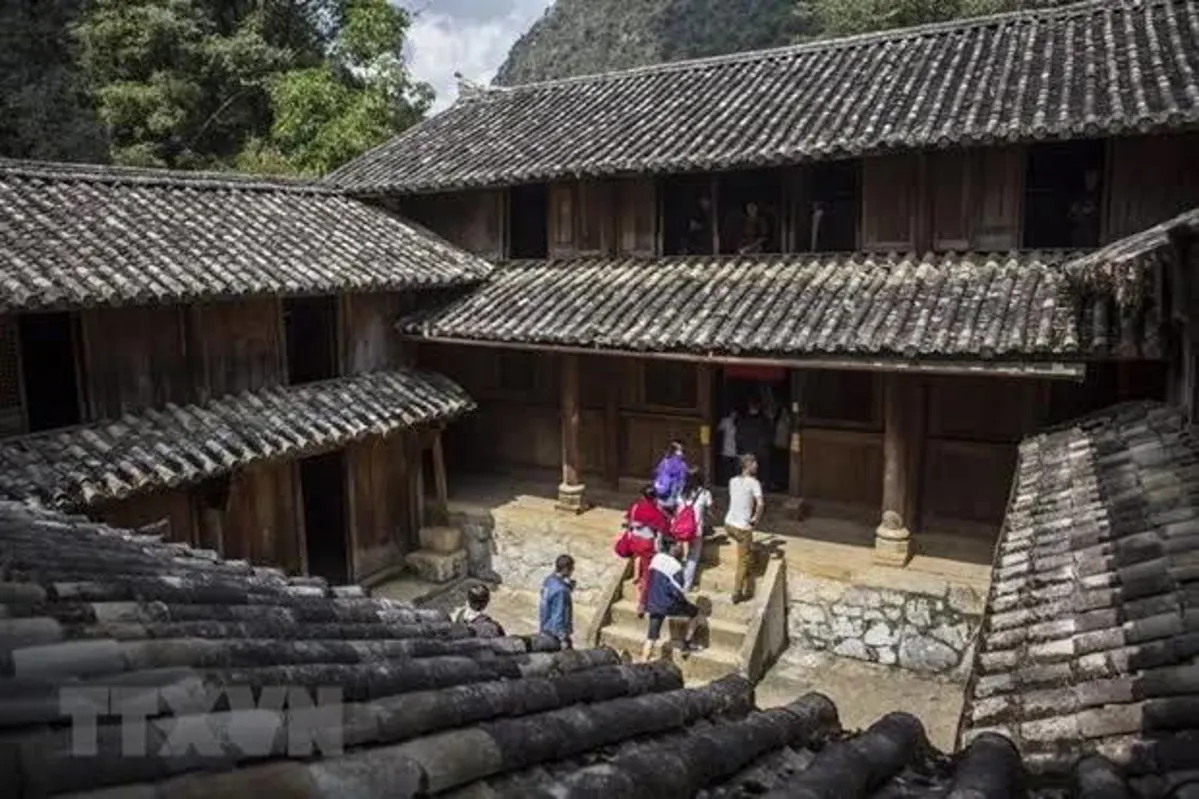
The Vuong Family’s Mansion, also referred to as the King of the H'mong's Palace, stands as a notable architectural landmark. Situated in Xa Phin, within the Dong Van district, Ha Giang, this residence is positioned at an elevation of 1,600 meters. Its construction involved skilled Chinese artisans and local H'Mong workers, resulting in a design that harmoniously blends Chinese and H'Mong architectural elements. The mansion is distinguished by intricate carvings of figures such as phoenixes, dragons, and bats, which adorn various parts of the structure, reflecting the craftsmanship of its era.
Market Sessions in districts like Meo Vac offer a window into the local economy and social fabric of Ha Giang. These markets serve as central gathering points for various ethnic communities, including the Dao, Nung, Mong, and Giay, who come to trade agricultural produce and handcrafted items. Many of the goods available are homemade or farmed by the families themselves, offering unique products that are often difficult to find elsewhere. Attending a market session provides a chance to observe local interactions and acquire distinctive souvenirs, reflecting the region's cultural identity. For those interested in traditional crafts, exploring these markets can be as enriching as visiting a brocade village.
Planning Your Adventure in Ha Giang
Ha Giang appeals to travelers seeking an authentic experience, characterized by dramatic landscapes and deep cultural engagement. The province is particularly suited for those who appreciate remote natural environments, enjoy outdoor activities such as trekking or motorbiking, and wish to learn about the traditions of Vietnam's highland communities. While the region is less developed for tourism than some other parts of Vietnam, this contributes to its appeal for adventurous visitors.
Travelers often find that exploring Ha Giang requires a degree of planning, especially regarding transportation and accommodation. The mountainous terrain means roads can be challenging, and public transport options may be limited outside of major towns. Many visitors opt for organized tours or rent motorbikes to navigate the Ha Giang Loop, a popular route that encompasses many of the province's key attractions. For those preferring structured travel, options are available, such as a Ha Giang Jeep Expedition, which provides a guided experience through its dramatic landscapes. Alternatively, a more extensive Northern Vietnam Highlands and Ba Be Lake Adventure can combine Ha Giang with other regional highlights.
The best time to visit often depends on specific interests. The buckwheat flower season in late October and early November is popular for its visual appeal. The dry season, generally from October to April, offers more stable weather for travel, though temperatures can be cool in the higher elevations. The rainy season, from May to September, can make some roads more difficult to traverse, but also brings lush greenery to the terraced fields.
Summary of Ha Giang Attractions
Below is a summary of the main attractions in Ha Giang, outlining their key features and what makes them noteworthy for visitors.
| Attraction Name | Location | Key Feature(s) | Best Known For |
|---|---|---|---|
| Quan Ba Twin Mountain | Quan Ba District, Ha Giang Province (approx. 40km from Ha Giang town on Highway 4C) | Unique breast-like shape, associated with the Fairy Mountain legend. | Distinctive natural formation, local folklore. |
| Tam Giac Mach Flower Fields | Throughout Ha Giang, notably in Dong Van, Meo Vac, Quan Ba | Expansive fields of pink and white buckwheat flowers. | Seasonal beauty (late Oct-early Nov), photography. |
| Dong Van Karst Plateau | Yen Minh, Quan Ba, Dong Van, Meo Vac districts (1,000-1,600m elevation) | UNESCO Global Geopark, 80% limestone formations, geological evolution. | Dramatic rock landscapes, scientific significance. |
| Vuong Family’s Mansion | Xa Phin, Dong Van, Ha Giang (1,600m elevation) | Architectural blend of Chinese and H'Mong styles, intricate carvings. | Historical residence, cultural architecture. |
| Meo Vac Market Sessions | Meo Vac District | Gathering of Dao, Nung, Mong, Giay ethnic communities, trade of homemade goods. | Authentic local culture, unique products. |
| Hoang Su Phi Terraced Fields | Hoang Su Phi District | Extensive terraced rice fields, traditional villages (Phin Ho, Nam Hong, Giang Thuong, Lang Giang). | Agricultural landscapes, unspoiled nature, rural life. |
Frequently Asked Questions About Ha Giang
What is the primary appeal of visiting Ha Giang?
Ha Giang's main draw lies in its dramatic mountainous landscapes, including unique geological formations and expansive terraced fields, coupled with the opportunity to experience the distinct cultures and traditions of various ethnic minority groups residing in the highlands.
When is the most favorable time to see the buckwheat flowers in Ha Giang?
The buckwheat flowers, known locally as Tam Giac Mach, typically bloom from late October through early November. This period offers the most visually striking displays of pink and white blossoms across the region's hillsides.
What makes the Dong Van Karst Plateau significant?
The Dong Van Karst Plateau is recognized as a UNESCO Global Geopark due to its unique geological features. It is characterized by extensive limestone formations, which provide clear evidence of millions of years of Earth's crustal evolution and environmental changes.
Are there opportunities to learn about local culture in Ha Giang?
Yes, Ha Giang provides numerous cultural engagement opportunities. Visitors can explore historical sites like the Vuong Family's Mansion, which showcases traditional architecture, and attend local market sessions in areas like Meo Vac, where ethnic communities trade their goods and maintain their customs.
What type of traveler would most enjoy Ha Giang?
Ha Giang is particularly appealing to adventurous travelers, nature enthusiasts, and those interested in cultural immersion. It suits individuals who appreciate remote, untouched environments, enjoy outdoor activities, and seek to understand the traditional lifestyles of highland communities.








