
Participating in a cooking class while cruising through Halong Bay provides an engaging way to connect with Vietnamese culture and cuisine. These onboard sessions allow travelers to learn techniques for preparing traditional dishes, often culminating in the chance to sample their own creations. It's a popular activity for those interested in food and seeking an interactive experience during their voyage.
Most Halong Bay cruises incorporate a culinary demonstration or class into their itineraries, typically without an additional charge. These activities offer insight into local ingredients and cooking methods, making them a valued part of the overall cruise experience for many passengers.
Culinary Experiences on Halong Bay Cruises
Cooking classes on Halong Bay cruises are frequently highlighted as a top activity, particularly for individuals with an interest in cooking or exploring Vietnamese food culture. The majority of cruises operating in the bay include some form of culinary instruction as part of their standard package, meaning guests can often participate without incurring extra costs.
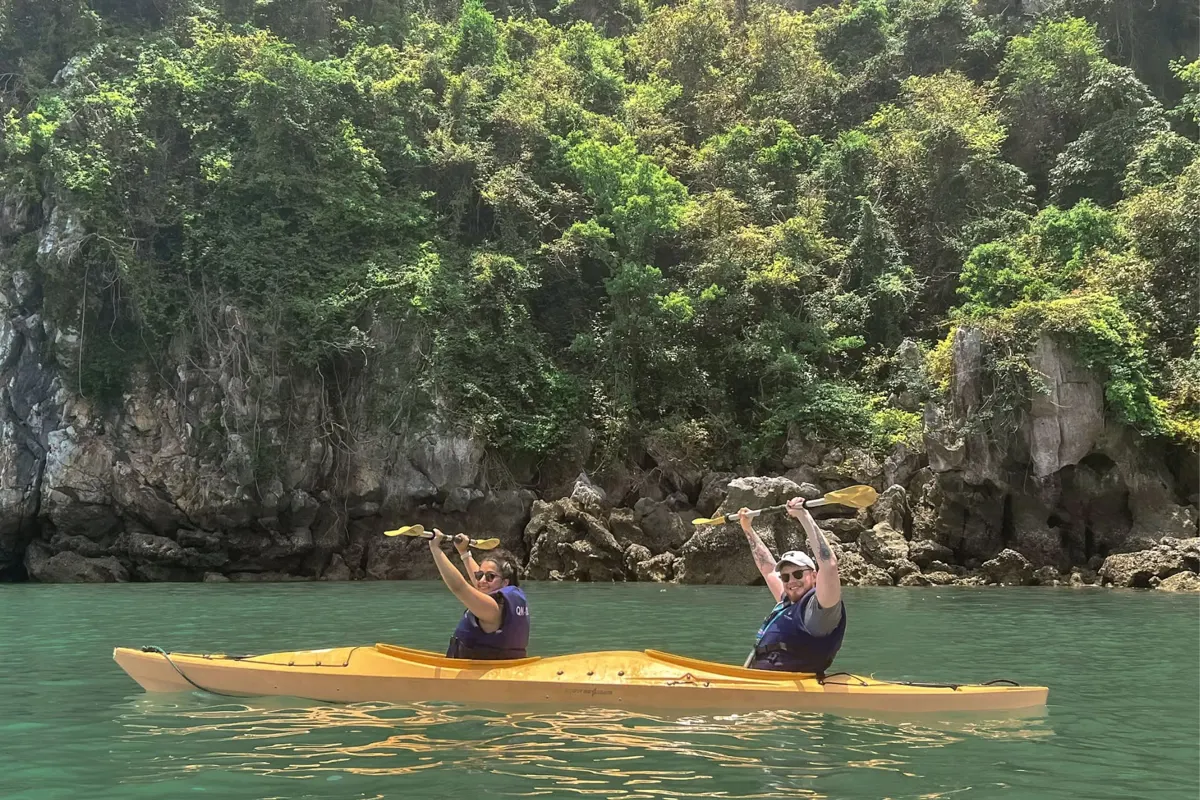
These culinary sessions generally span approximately one to one and a half hours. Their timing within the cruise schedule can vary; some are held before dinner on the first day, following excursions to caves and kayaking, while others might take place after lunch on the second day of a two-day, one-night itinerary. It's worth noting that cruises designed for a single day typically do not feature these cooking activities.
What You Can Learn in a Halong Bay Cooking Class
A cooking demonstration offers an excellent opportunity to appreciate fine cuisine and deepen understanding of Vietnamese culinary heritage. Cruise chefs typically guide participants through the preparation of traditional Vietnamese dishes, such as fresh or dried spring rolls. Beyond cooking, some classes also focus on decorative skills, like carving various fruits and vegetables.
These classes often include a playful competitive element among passengers, adding to the enjoyment. Many find the experience of preparing their own dish rewarding, with the added benefit of tasting their efforts. Chefs are usually on hand to provide expert guidance and share useful cooking tips, ensuring that participants gain valuable skills regardless of their prior experience. You might also consider exploring unique purchases from a trip to Vietnam to bring home culinary tools or ingredients.
Cruises Offering Unique Culinary Activities in Halong Bay
Several cruise lines in Halong Bay provide distinct culinary experiences for their guests. While specific booking details for these classes are typically integrated into the overall cruise package, the following list outlines what each cruise generally offers. Please note that specific addresses, phone numbers, and individual class pricing are not separately provided, as these activities are part of the cruise itinerary.
| Cruise Name | Culinary Activity Offered | Typical Timing | Notes |
|---|---|---|---|
| Mon Cheri Cruise Halong Bay | Traditional Spring Rolls | Afternoon, during sunset party | Chef-led demonstration of Vietnamese cuisine. |
| Era Cruises Halong Bay | Appetizer Preparation | During happy hours | Dishes vary; step-by-step guidance provided. |
| Scarlet Pearl Cruise | Bartending Class | Before dinner | Learn to create special cocktails. |
| Sena Cruise Halong Bay | Lotus Tea Ceremony | Not specified | Focus on traditional serving and appreciation of Vietnamese Lotus Tea. |
| Indochina Sails | Fruit and Vegetable Carving | Not specified | Demonstration of decorative carving and traditional food preparation. |
Mon Cheri Cruise Halong Bay
Recognized as a prominent 5-star cruise in Halong Bay, Mon Cheri Cruise features a comprehensive cooking demonstration. This activity usually occurs in the afternoon, after guests have completed outdoor pursuits like kayaking and cave exploration. During the sunset gathering, the onboard chef demonstrates how to prepare traditional Vietnamese spring rolls. While making spring rolls might appear challenging, the chef's instruction helps participants master the technique.
Era Cruises Halong Bay
Era Cruises Halong Bay, another highly-rated 5-star option, also includes a cooking class. This session typically coincides with happy hour, where the chef guides guests through the preparation of appetizers. The specific dishes taught can change, offering variety for repeat visitors. Guests receive step-by-step instructions throughout the process.
Scarlet Pearl Cruise
Distinguishing itself from other cruises, Scarlet Pearl Cruises offers a bartending class rather than a traditional cooking lesson. Participants learn to craft unique cocktails, suitable for special occasions. This class usually takes place before dinner, allowing guests to enjoy their self-made drinks with their meal. For those interested in other activities, Halong Bay also features many beaches for relaxation.
Sena Cruise Halong Bay
The name 'Sena' signifies the Lotus of Asia, a flower symbolizing beauty and vitality in Vietnamese culture. On the Sena Cruise, the culinary focus shifts from cooking dishes to appreciating the art of serving Vietnamese Lotus Tea. Guests observe how this high-grade green tea, infused with the fragrance of lotus, is prepared and presented to preserve its delicate sweetness and lingering taste.
Indochina Sails
Indochina Sails provides a class centered on fruit and vegetable carving. The cruise's chef leads this demonstration, teaching guests decorative techniques and how to incorporate these into traditional Vietnamese food presentation. While it may require some precision, participants often find this class enjoyable and creatively stimulating.
Essential Advice for Participating in a Cooking Class
To make the most of your cooking class experience on a Halong Bay cruise, consider these practical suggestions. Engaging fully will enhance both your learning and enjoyment.
- Do not hesitate to taste your dish or share it with fellow passengers. This encourages interaction and appreciation of different flavors.
- Feel comfortable asking the chef to repeat instructions or clarify any steps in the cooking process. The goal is for everyone to learn effectively.
- Approach the chef to request a written recipe for the dish or to inquire about their personal tips for making it delicious.
- Remember to photograph your finished dish. It serves as a personal souvenir of your culinary achievement.
Frequently Asked Questions
What kind of dishes are typically taught in Halong Bay cooking classes?
Most cooking classes on Halong Bay cruises focus on traditional Vietnamese dishes. A common offering is the preparation of fresh or dried spring rolls, a staple of Vietnamese cuisine. Some classes may also include instruction on making other appetizers or main courses, depending on the cruise line.
Are Halong Bay cooking classes suitable for beginners?
Yes, these cooking classes are generally designed to accommodate participants of all skill levels, including beginners. The onboard chefs provide clear, step-by-step instructions and demonstrations, making it accessible for everyone to follow along and learn new techniques.
Is there an extra cost for joining a cooking class on a Halong Bay cruise?
Typically, cooking classes are included as part of the standard activities offered on most Halong Bay cruises, especially those on multi-day itineraries. This means guests can usually participate without paying an additional fee, making it a value-added component of their cruise package.
How long do the cooking classes usually last?
The duration of a cooking class on a Halong Bay cruise usually ranges from one hour to one and a half hours. This allows sufficient time for demonstrations, hands-on participation, and often, the opportunity to taste the prepared dishes.
Can I request specific dishes to learn during the class?
While the specific dishes for a cooking class are usually predetermined by the cruise line and its chef, some cruises may vary their menu. It is generally not possible for individual guests to request specific dishes to be taught, as the class itinerary is set for all participants. However, you can always inquire about the planned menu upon boarding.








