
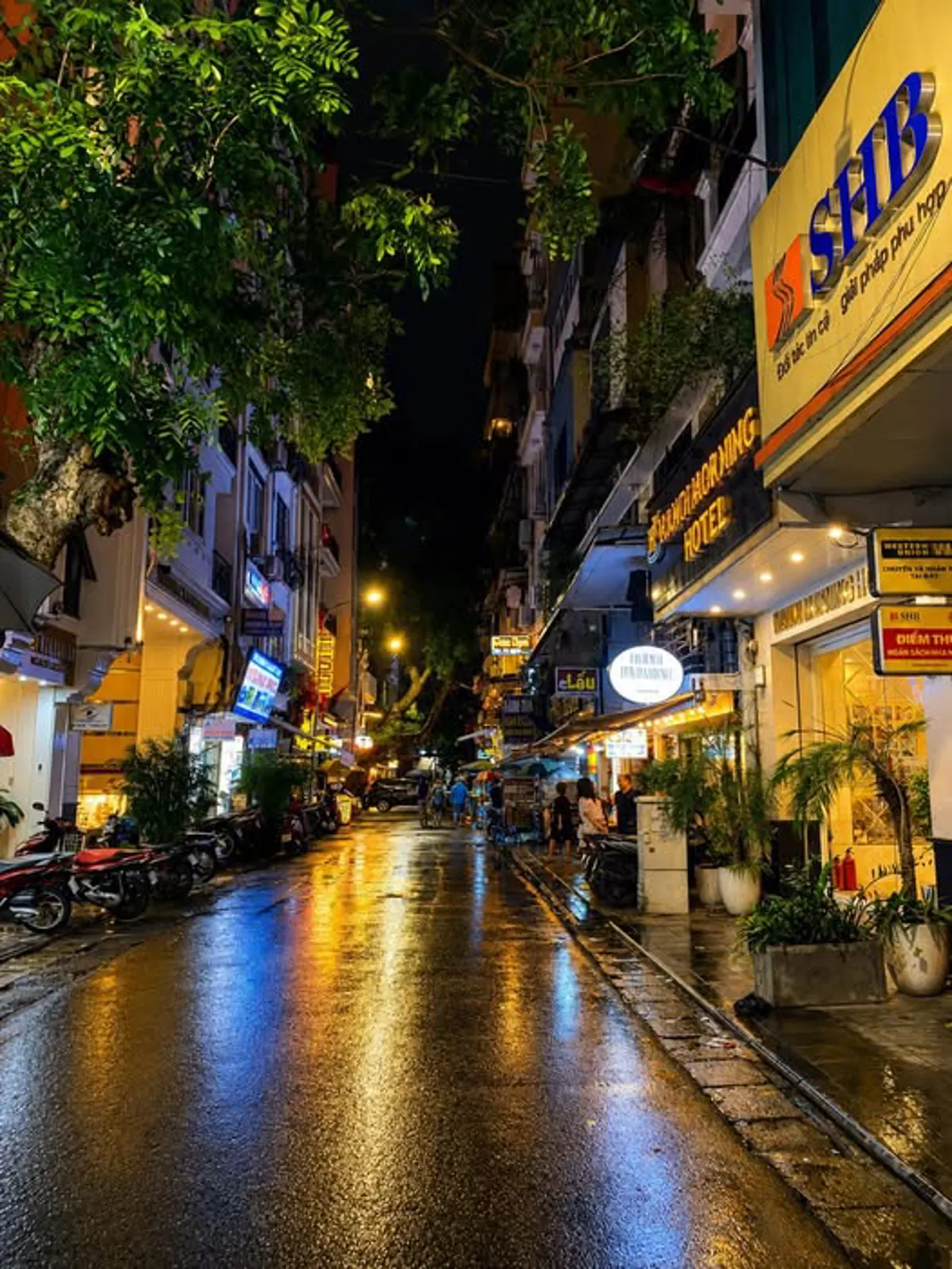
March presents favorable conditions for visiting Hanoi, as the city transitions from its cooler winter period into the warmth of spring. Travelers can anticipate generally mild temperatures and a reduction in the cold, making it an opportune time for sightseeing and engaging in various local experiences. Understanding the typical climate and available activities helps in planning a well-prepared and enjoyable trip to the Vietnamese capital.
Hanoi's March Climate Overview
During March, Hanoi experiences a noticeable shift in its weather, moving away from the colder temperatures of earlier months. The climate becomes generally mild, with the chill of winter receding and more sunshine becoming prevalent, particularly during midday. Average low temperatures typically hover around 18°C, while average high temperatures usually reach about 23°C. Humidity levels remain relatively consistent with those observed in February.
The air temperature throughout March is generally comfortable for most of the day. Mornings at the beginning of the month can still feel cool, but by the latter third of March, afternoons tend to be warmer. While some rainy days occur, the intensity of precipitation is generally light, often described as more significant than a drizzle but rarely heavy. March is still considered part of the dry season, so prolonged heavy rainfall is uncommon.
Recommended Activities for a March Visit
Beyond the standard attractions available year-round, March offers specific advantages for certain activities due to the agreeable weather. The moderate temperatures and minimal rainfall create an excellent environment for outdoor pursuits, including trekking. This period is considered a peak travel season for Hanoi, though it often sees fewer visitors compared to February, potentially offering a more relaxed experience and sometimes lower airfare costs.
Exploring the city's culinary scene via a motorbike food tour is particularly enjoyable in March. The pleasant weather makes it comfortable to navigate Hanoi's narrow alleys, especially within the Old Quarter, to sample local delicacies. Additionally, a trip to Ba Vi Mountain for camping is a popular choice. Waking up amidst the natural surroundings, enjoying the fresh air, cool breeze, and occasional mist, provides a unique perspective of the region's natural beauty.
Major Festivals and Cultural Events in March
Although the significant Tet celebrations conclude before March, the month still hosts several important cultural festivals that offer insight into Vietnamese traditions and spirituality. These events are often tied to the lunar calendar, so specific dates vary each year and should be verified closer to travel dates.
- Thay Pagoda Festival: This festival honors Tu Dao Hanh, a revered religious figure credited with inventing Vietnamese water puppetry. The event, held at Tu Dao Hanh's Pagoda approximately 32 kilometers (20 miles) southwest of Hanoi, features water puppetry performances. It typically takes place from the fifth to the seventh day of the third lunar month.
- Bat Trang Ceramic Village Festival: Celebrated on the full moon day of the second lunar month, this festival pays tribute to the traditional pottery craft of Bat Trang. It serves as an occasion for villagers to honor their heritage, offer sacrifices, and pray for prosperity and peace within the community.
- Huong Pagoda Festival: One of Northern Vietnam's largest events, the Huong Pagoda Festival primarily involves visits to pagodas, temples, and caves, alongside ceremonial activities to seek blessings from Lord Buddha. Located about 60 kilometers southwest of Hanoi, Huong Son features several pagodas dating back to the Posterior Le Dynasty. The official festival period runs from the 15th to the 20th day of the second lunar month.
- Dong Nhan Temple Festival: This event in Hanoi includes traditional activities such as human chess, lantern dances, and various water sports.
- Phu Dong Thien Vuong Festival: Held in Gia Lam District, this festival may feature water puppet shows depicting the legend of Giong, a significant figure in Vietnamese folklore.
Table of March Festivals in Hanoi (Lunar Calendar Dates)
| Festival Name | Primary Focus | Approximate Lunar Date | Location |
|---|---|---|---|
| Thay Pagoda Festival | Honoring Tu Dao Hanh, Water Puppetry | 5th-7th day of 3rd lunar month | Tu Dao Hanh's Pagoda (32 km SW of Hanoi) |
| Bat Trang Ceramic Village Festival | Traditional Pottery Craft, Ancestral Worship | Full moon day of 2nd lunar month | Bat Trang Ceramic Village |
| Huong Pagoda Festival | Pilgrimage, Buddhist Ceremonies | 15th-20th day of 2nd lunar month | Huong Son (60 km SW of Hanoi) |
| Dong Nhan Temple Festival | Human Chess, Lantern Dance, Water Sports | Varies (within March) | Dong Nhan Temple, Hanoi |
| Phu Dong Thien Vuong Festival | Legend of Giong, Water Puppetry | Varies (within March) | Gia Lam District |
Note: Lunar calendar dates shift annually relative to the Gregorian calendar. Travelers should confirm exact dates for the year of their visit.
Practical Advice for Traveling in Hanoi During March
Preparing for Hanoi's March weather involves packing a range of clothing and essentials to accommodate the fluctuating temperatures. While the spring atmosphere can be inviting with blooming flowers, individuals with pollen allergies should exercise caution. It is always advisable to check local weather forecasts regularly to adjust clothing choices as needed.
Given the potential for cool mornings and warmer afternoons, a versatile wardrobe is recommended. Long-sleeved shirts, short-sleeved t-shirts, light sweaters, and a thin overcoat are useful for layering. Trousers, sunglasses, and peaked caps are also practical items. For those not accustomed to seasonal transitions, having flu medication on hand can be beneficial. Additionally, SPF 30+ sunscreen is important for protection during sunny midday hours. For managing your finances while in the city, understanding the local banking options is also helpful; you can find more information on navigating banking services in Hanoi.
Who Should Visit Hanoi in March?
March is an excellent time for travelers who appreciate mild weather and wish to explore cultural sites without the intense heat of summer or the deeper chill of winter. It suits those interested in outdoor activities like light trekking or exploring the countryside, as well as individuals keen on experiencing local festivals and traditions. The slightly reduced crowds compared to earlier in the spring season can also appeal to visitors seeking a more relaxed pace.
This month is particularly suitable for those who enjoy walking tours, cycling, or motorbike excursions to discover the city's architecture and street food. The pleasant conditions make extended periods outdoors more comfortable. For those considering what to purchase as mementos, Hanoi offers a wide range of crafts and local products, and a guide to essential souvenirs and unique purchases from Vietnam can be quite useful.
Frequently Asked Questions
What are the typical temperatures in Hanoi during March?
In March, Hanoi generally experiences mild temperatures. Average low temperatures are around 18°C, and average high temperatures typically reach about 23°C. Mornings can be cool, especially early in the month, while afternoons become warmer towards the end of March.
Is March a good month to visit Hanoi?
Yes, March is considered a favorable month to visit Hanoi. The weather is comfortable, transitioning from cool to warm with pleasant sunshine and minimal heavy rainfall, making it ideal for sightseeing, outdoor activities, and attending local festivals.
What kind of clothing should I pack for a trip to Hanoi in March?
Due to varying temperatures between day and night, it is advisable to pack a mix of warm and light clothing. Essentials include long-sleeved shirts, short-sleeved t-shirts, light sweaters, a thin overcoat for layering, trousers, sunglasses, and a cap.
Are there any significant cultural events in Hanoi during March?
Yes, March hosts several notable festivals, often based on the lunar calendar. These include the Thay Pagoda Festival, Bat Trang Ceramic Village Festival, and the Huong Pagoda Festival, all offering unique cultural insights and traditional performances.
Should I be concerned about rain when visiting Hanoi in March?
March is part of Hanoi's dry season. While there can be some rainy days, the precipitation is usually light and rarely involves heavy downpours. Travelers typically do not need to worry about significant rain disrupting their plans during this month.








