
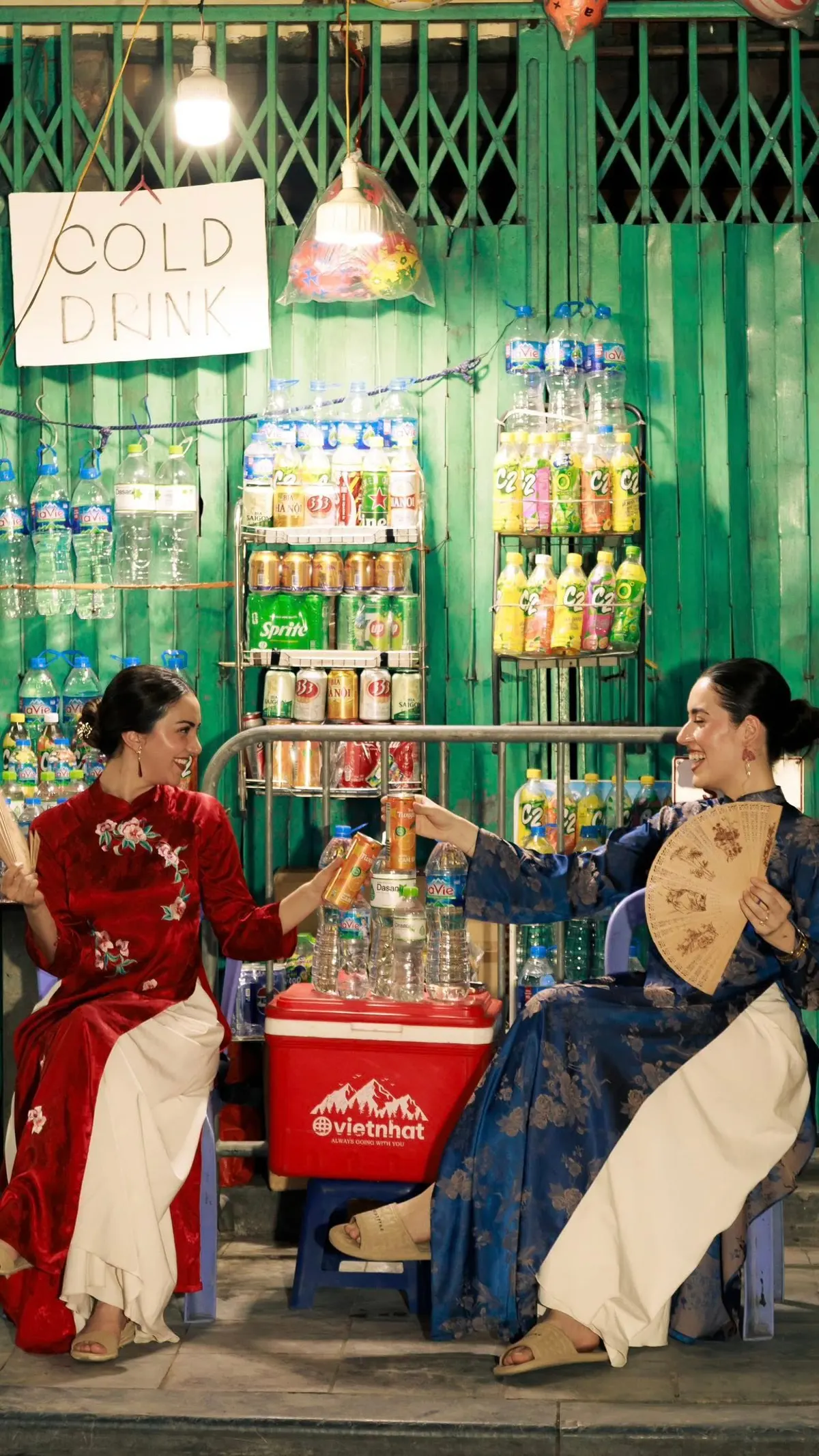
The Hanoi Old Quarter, known historically as 'Hanoi – 36 Old Streets,' stands as a central historical and commercial district within Vietnam's capital. This area uniquely blends its long-preserved heritage with the dynamic evolution of a modern city. It remains one of Hanoi's oldest and most active commercial zones, drawing many visitors to its distinctive atmosphere.
For those planning a visit to Hanoi, understanding the Old Quarter's background, its key attractions, and practical aspects can greatly enhance the experience. This guide provides an overview of its development, popular activities, culinary offerings, and accommodation options, helping travelers navigate this iconic part of the city.
Historical Overview of the Old Quarter
The Hanoi Old Quarter is situated in the northeastern part of Hanoi, within the Hoan Kiem District. Its strategic placement between the Imperial Citadel and the Red River historically facilitated trade and economic growth. The district's origins trace back to the 11th century, following King Ly Thai To's decision to relocate the capital from Hoa Lu (Ninh Binh) to Thang Long, which is present-day Hanoi.
Following this move, numerous artisans and merchants gathered near the royal palace to sell their goods. Over time, these individuals organized themselves into craft cooperatives and guilds. Residents from the same villages often settled together, specializing in particular trades, which led to streets being dedicated to specific products. These streets were named 'Hang' (meaning merchandise or shop), followed by the product's name, such as Hang Bac (Silver products), Hang Ma (Paper products), Hang Duong (Sugar), and Hang Muoi (Salt). While many of these street names still reflect their original specializations today, few maintain their exclusive commerce entirely.
Key Activities and Sights in Hanoi Old Quarter
The Old Quarter presents an intricate network of narrow streets and alleys, offering a wide array of experiences from street food vendors and restaurants to boutique shops, bakeries, coffee houses, art galleries, and bars. While the list of things to do is extensive, certain activities are particularly recommended for visitors.
Traditional Water Puppet Theater
A visit to Hanoi often includes experiencing a traditional Water Puppet Performance, a unique Vietnamese art form rooted in Southeast Asia's wet-rice agricultural heritage. Wooden puppets appear to dance on water, guided by skilled puppeteers concealed behind a screen, using large rods positioned beneath the water's surface to narrate folk tales.
The Thang Long Water Puppet Theater, conveniently located near Hoan Kiem Lake and within walking distance of the Old Quarter, is a well-known venue for this traditional spectacle. The theater typically hosts four daily performances at 4:10 PM, 5:20 PM, 6:30 PM, and 8:00 PM throughout the year.
Hoan Kiem Lake and Ngoc Son Temple
Hoan Kiem Lake, also known as the Lake of the Returned Sword, and Ngoc Son Temple, or Temple of the Jade Mountain, are iconic landmarks in Hanoi. Situated adjacent to the Old Quarter, the lake serves as a significant scenic point and a central gathering place for public life in the city. After exploring the active streets of the Old Quarter, a pause by the lake, surrounded by green scenery, can offer a moment of calm.
Visiting Ngoc Son Temple, which rests on a small islet in the middle of Hoan Kiem Lake, provides insight into Vietnamese worship traditions. Constructed in the 19th century, the temple honors Van Xuong De Quan, the star of literature, and Tran Hung Dao, a national hero. Access to the temple is via The Huc Bridge, also known as the Morning Sunlight Bridge, a distinct red wooden bridge constructed in a classical Vietnamese style.
Dong Xuan Market
Dong Xuan Market stands as one of the oldest markets within the Hanoi Old Quarter, with a history spanning over two centuries, dating back to the Nguyen Dynasty. Today, it is recognized as Hanoi's largest market, featuring a broad selection of goods including clothing, household items, souvenirs, food products, and Hanoi specialties. Visitors can find various items here at reasonable costs, especially with practiced bargaining skills.
The market operates daily from 6:00 AM to 6:00 PM. Additionally, an open-air night market takes place every Friday, Saturday, and Sunday evening, starting at 7:00 PM. This night market extends through the Old Quarter district, beginning from Hang Dao Street and proceeding north towards the edge of Dong Xuan Market. For those interested in acquiring unique items, exploring local markets like Dong Xuan is a great way to find distinctive purchases and souvenirs.
Cyclo Tours
The Hanoi Old Quarter is an ideal destination for individuals seeking to understand the city's heritage and daily life. With its historic narrow streets and traditional brick houses, the area maintains a sense of its past while adapting to the modern city's pace. A ride on a cyclo, a common form of human-powered transport in Hanoi with a passenger seat at the front, offers an excellent opportunity for photography and leisurely observation of the active, narrow thoroughfares within the Old Quarter. This mode of transport allows for closer interaction with the local environment and provides a glimpse into the energetic daily routines of Hanoians.
Culinary Experiences: Street Food and Local Drinks
Vietnamese cuisine is characterized by a careful balance of salty, sweet, sour, and spicy flavors. The aromas of street food are ever-present throughout Hanoi. Food options are generally plentiful, with dishes available at competitive prices regardless of dining preference. Several dishes are highly recommended for visitors to Hanoi.
Sampling Vietnamese Street Cuisine
Dishes such as Pho, Bun cha, Cha ca, Bun thang, and Bun dau mam tom are among the top suggestions for those exploring Hanoi's culinary landscape. Visitors often express surprise at the rich flavors of these straightforward dishes. For those with a preference for sweets, options like fried bananas, dessert soups, or caramel pudding are popular choices. Experiencing a new cuisine extends beyond the dish itself; it is an engagement with cultural heritage. Engaging with local guides can offer a deeper understanding of Vietnamese street food traditions.
Enjoying Bia Hoi
Bia Hoi, or fresh draft beer, is a well-known beverage in Hanoi, and many consider a visit incomplete without trying it. Guidebooks and many international visitors often recommend trying Bia Hoi at the intersection of Ta Hien and Luong Ngoc Quyen streets, an area that frequently sees many foreign travelers. For a more local experience, Phung Hung Street is suggested, offering various choices and reasonably priced menus. This area typically becomes crowded from 4:40 PM as the workday concludes and remains busy into the evening. People often sit on low plastic stools, enjoying a glass of Bia Hoi with snacks like flower seeds or peanuts, while conversing with friends. Participating in this local custom can provide a genuine sense of Hanoi's energetic nightlife.
Navigating the Old Quarter: Transport and Accommodation
The Old Quarter's dense layout and active streets mean that walking is a primary mode of exploration, though cyclos offer a different perspective. For those planning an extended stay, the district also offers numerous accommodation choices.
Staying in the Old Quarter
Given its status as a central tourism hub, many visitors choose to stay in the Old Quarter due to its convenient location and the wide range of available services. The area features various lodging options, from historically styled boutique hotels to contemporary luxury properties. Here are some recommended hotels in the Hanoi Old Quarter:
| Hotel Name | Address | Phone | Booking Details |
|---|---|---|---|
| Conifer Grand Hanoi Hotel | Not supplied | Not supplied | Not supplied |
| La Siesta Central Hotel & Spa | Not supplied | Not supplied | Not supplied |
| The Chi Boutique Hotel | Not supplied | Not supplied | Not supplied |
| The Oriental Jade Hotel | Not supplied | Not supplied | Not supplied |
| Apricot Hanoi Hotel | Not supplied | Not supplied | Not supplied |
| Hotel de l’Opera | Not supplied | Not supplied | Not supplied |
| Sofitel Legend Metropole Hanoi Hotel | Not supplied | Not supplied | Not supplied |
Planning Your Visit: Practical Advice
To fully appreciate the Hanoi Old Quarter's unique character, history, and culinary offerings, consider joining a walking tour, especially for first-time visitors. Local guides can provide deeper insights into the area's cultural nuances and hidden spots. Understanding local services can enhance any trip. For visitors to Hanoi, managing finances is straightforward with various local and international institutions available. More detailed information on banking services in Hanoi can assist with planning.
For further assistance in planning your holiday in Hanoi or elsewhere in Vietnam, engaging with travel consultants can provide tailored advice and arrangements.
Frequently Asked Questions
What is the historical significance of Hanoi Old Quarter?
The Hanoi Old Quarter's history dates back to the 11th century when King Ly Thai To established Thang Long (Hanoi) as the capital. It developed as a commercial hub where craftsmen and merchants organized into guilds, leading to streets named after their specialized products, such as Hang Bac (silver) or Hang Ma (paper).
What are the must-do activities in the Old Quarter?
Key activities include watching a traditional Water Puppet Show at Thang Long Water Puppet Theater, strolling around Hoan Kiem Lake and visiting Ngoc Son Temple, exploring Dong Xuan Market for shopping, sampling various Vietnamese street foods, enjoying a local Bia Hoi, and taking a cyclo tour through the narrow streets.
When is the best time to visit Dong Xuan Market?
Dong Xuan Market is open daily from 6:00 AM to 6:00 PM. For a different experience, visit on Friday, Saturday, or Sunday evenings after 7:00 PM to explore the open-air night market, which features additional stalls and local food vendors.
Where can I try local street food in the Old Quarter?
The Old Quarter is renowned for its street food. You can find numerous vendors and small eateries offering dishes like Pho, Bun cha, Cha ca, and Bun dau mam tom throughout the district. Exploring with a local guide can help identify popular spots and authentic flavors.
Are there good accommodation options in the Hanoi Old Quarter?
Yes, the Hanoi Old Quarter is a popular area for accommodation due to its central location and access to attractions. It offers a range of hotels, from boutique properties to more luxurious options, catering to different preferences and budgets.








