
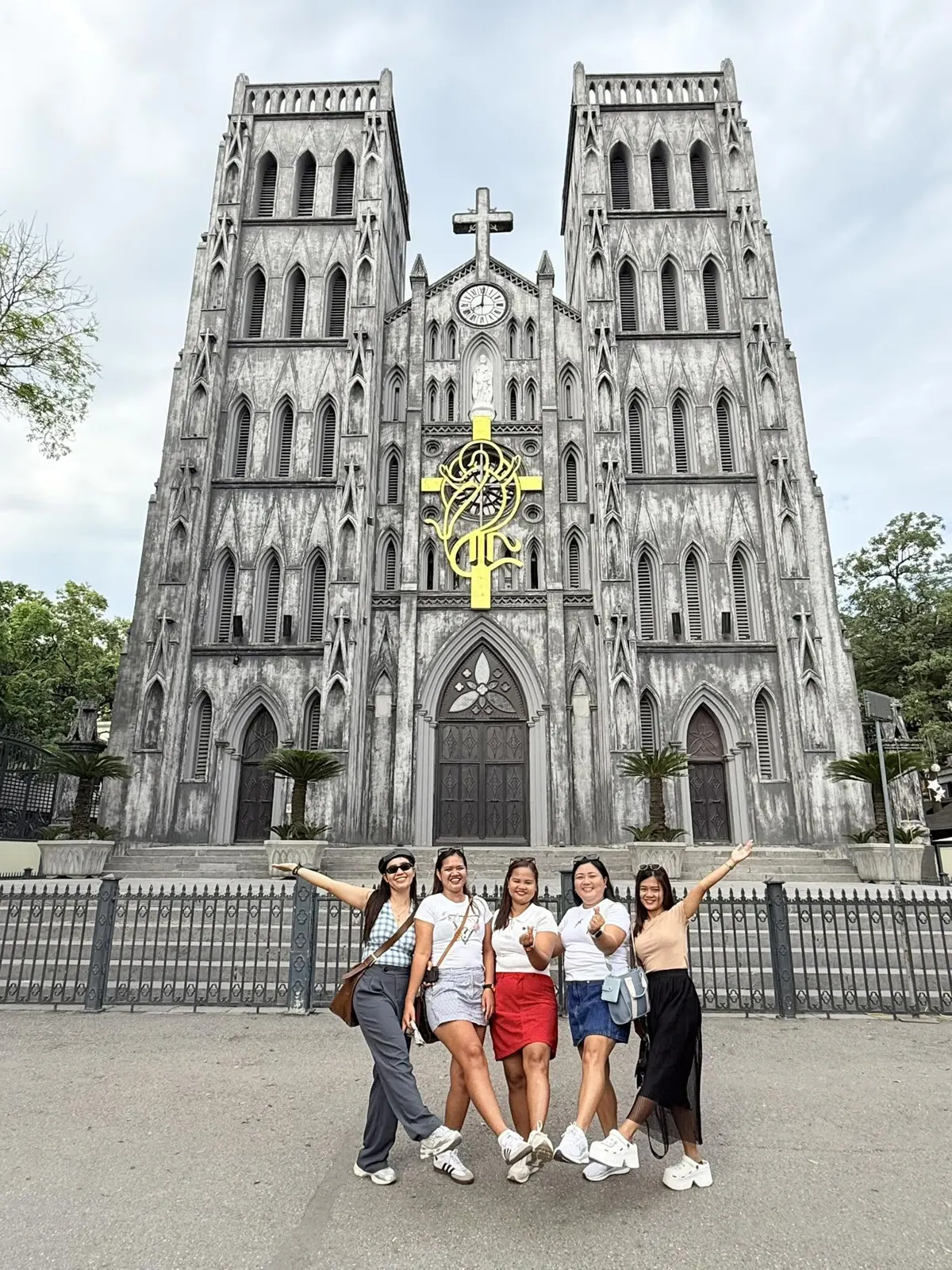
Hanoi experiences distinct rainy periods throughout the year, offering a unique perspective on the city for those who travel during these times. Understanding the typical weather patterns and preparing appropriately can help visitors enjoy the capital's cultural richness and culinary delights, regardless of the precipitation. This guide outlines what to expect from Hanoi's wet season and suggests activities to enhance your travel experience.
Understanding Hanoi's Seasonal Rainfall
Hanoi's climate includes two primary rainy phases, each with its own characteristics. The first occurs from February to March, marked by a fine, persistent drizzle. This light rain often appears during the transition from winter to early spring, contributing to a moist atmosphere and occasionally lasting for days or even weeks. It is generally not intense but can be a constant presence.
The second, more significant rainy period spans from May to August, coinciding with the summer months. During this time, the city frequently experiences heavy downpours and thunderstorms. These storms are typically brief but powerful, often preceded by high temperatures ranging from 30°C to 38°C, sometimes reaching 40°C. The rain usually provides a temporary respite from the heat, clearing up after a few hours rather than persisting all day. Travelers should consult weather forecasts closer to their travel dates to anticipate conditions.
Engaging Activities for Hanoi's Wet Weather
Even with rain, Hanoi offers numerous opportunities for exploration and enjoyment. Many activities are well-suited for days when the weather is less cooperative, allowing visitors to delve into local culture, cuisine, and history from sheltered locations.
Culinary Experiences and Cooking Classes
Participating in a cooking class presents an excellent way to spend a half-day, particularly when outdoor plans are affected by rain. These sessions often include a visit to a local market, providing insight into Vietnamese ingredients and culinary traditions. Guests can interact with local instructors, learn to prepare traditional dishes, and gain practical cooking tips. Many classes offer flexible schedules, a cookbook, and a certificate upon completion. They typically feature professional chefs, small class sizes (often a maximum of 10 students), and well-equipped, air-conditioned kitchens, ensuring a comfortable learning environment.
Traditional Performances
Experiencing a cultural show is another enriching activity for a rainy day. Water puppetry, an ancient art form originating from village festivals, is a prominent example. These performances feature colorful puppets moving gracefully on water, accompanied by unique sound effects, creating a whimsical spectacle. Each performance often reflects the history, traditions, and daily life of the Red River Delta region, showcasing the diversity of artistic expression within the area. Additionally, traditional folk songs, deeply rooted in the Red River Delta, offer a window into local sentiments and cultural heritage. These musical expressions are often performed with sincerity and respect, serving as a cherished weekend activity for residents and a meaningful experience for visitors seeking to understand Vietnam's cultural values. For those interested in acquiring unique purchases and souvenirs, local markets near performance venues often have artisan crafts.
Exploring Local Flavors: Street Food
Hanoi's street food scene remains a major draw, with countless delicious options available regardless of the weather. Many eateries offer covered seating, allowing guests to savor authentic flavors comfortably. Here are some popular dishes to try:
- Bun Cha: This dish features grilled pork patties and slices served with vermicelli noodles, fresh herbs, and a savory dipping sauce. Some establishments enhance the experience with a side of crispy crab spring rolls. It gained international recognition when a former US president enjoyed it during a visit.
- Banh Xeo (Vietnamese Pancake): A savory crepe with a crispy exterior, filled with shrimp, pork, bean sprouts, and various herbs. To eat, a piece of the pancake is typically wrapped in rice paper with raw vegetables and pickles, then dipped in a sweet and sour sauce.
- Goi Cuon (Fresh Spring Rolls): A lighter option, these rolls consist of fresh meat and vegetables wrapped in translucent rice paper, often served with a sweet dipping sauce. They provide a refreshing contrast to richer dishes.
- Banh Mi (Vietnamese Baguette): This iconic sandwich is renowned globally. Hanoi's versions often combine a fragrant, crispy baguette with savory pate, various cold cuts (like sausage and spring rolls), fresh vegetables, and a medley of sauces, creating a satisfying and flavorful meal.
Navigating the City with Hop-on Hop-off Tours
For visitors wishing to see Hanoi's main attractions without the hassle of navigating in the rain, a hop-on hop-off city tour offers a practical solution. These tours combine transportation with sightseeing, allowing guests to board and alight at various points of interest at their own pace. The buses are typically equipped with modern amenities, including complimentary Wi-Fi, screens displaying stop information and scenic images, and an automatic GPS-linked audio guide available in multiple languages. Some vehicles also feature cameras, refrigerators, and mini-bars, enhancing comfort during the journey. This option provides a comprehensive overview of the city's landmarks from a sheltered vantage point.
Essential Preparations for a Rainy Hanoi Trip
Thoughtful packing and planning are key to a pleasant experience during Hanoi's rainy season. Being prepared for wet conditions can significantly improve comfort and convenience.
- Waterproof Backpack: Protect electronics and other valuables from moisture. For luggage, plastic suitcases offer better water resistance compared to fabric alternatives.
- Umbrella and Raincoat: These items are indispensable. A compact umbrella can shield from both sun and rain, while a lightweight raincoat provides additional protection.
- Portable Dryer: A small, portable dryer can be useful for quickly drying clothes or shoes that may get wet, preventing dampness and odors.
- Waterproof Footwear: Bringing waterproof shoes or sandals is highly recommended for easy movement and cleaning after walking through wet streets.
- Weather Forecasts: Always check the local weather forecast before heading out to anticipate heavy rain or storms and adjust plans accordingly.
- Safety: Exercise caution when walking or driving in heavy rain, as streets can become slippery or flooded. Prioritizing safety ensures a more enjoyable trip. For general travel planning, understanding banking services in Hanoi can also be beneficial, as well as being aware of healthcare facilities in Vietnam for peace of mind.
Traveling during Hanoi's rainy season can offer a distinct and memorable perspective on the city. With proper preparation and an open mind, visitors can fully appreciate its unique charm, cultural depth, and culinary excellence, even when the skies are gray.
Frequently Asked Questions
What are the main rainy periods in Hanoi?
Hanoi experiences two primary rainy periods: a light drizzle from February to March, and heavier thunderstorms from May to August. The summer storms are often intense but brief, while the spring drizzle can be more continuous.
Are outdoor activities still possible during Hanoi's rainy season?
Many outdoor activities are still possible, especially during the lighter drizzle period. For heavy rain, sheltered attractions like museums, temples, and indoor markets are good options. Hop-on hop-off tours also allow for sightseeing from a covered vehicle.
What should I pack for a trip to Hanoi during the rain?
Essential items include a waterproof backpack, an umbrella, a raincoat, and waterproof shoes or sandals. A portable dryer can also be useful for drying damp clothing.
Is street food safe to eat in Hanoi during the rainy season?
Yes, street food is generally safe. Many street food vendors operate under cover, and the food is typically prepared fresh. It's always advisable to choose busy stalls with high turnover for the freshest options.
How do I get around Hanoi when it's raining heavily?
Taxis, ride-sharing apps, and hop-on hop-off buses are convenient options during heavy rain. Walking might be challenging due to slippery surfaces or temporary flooding, so consider sheltered transport.








