
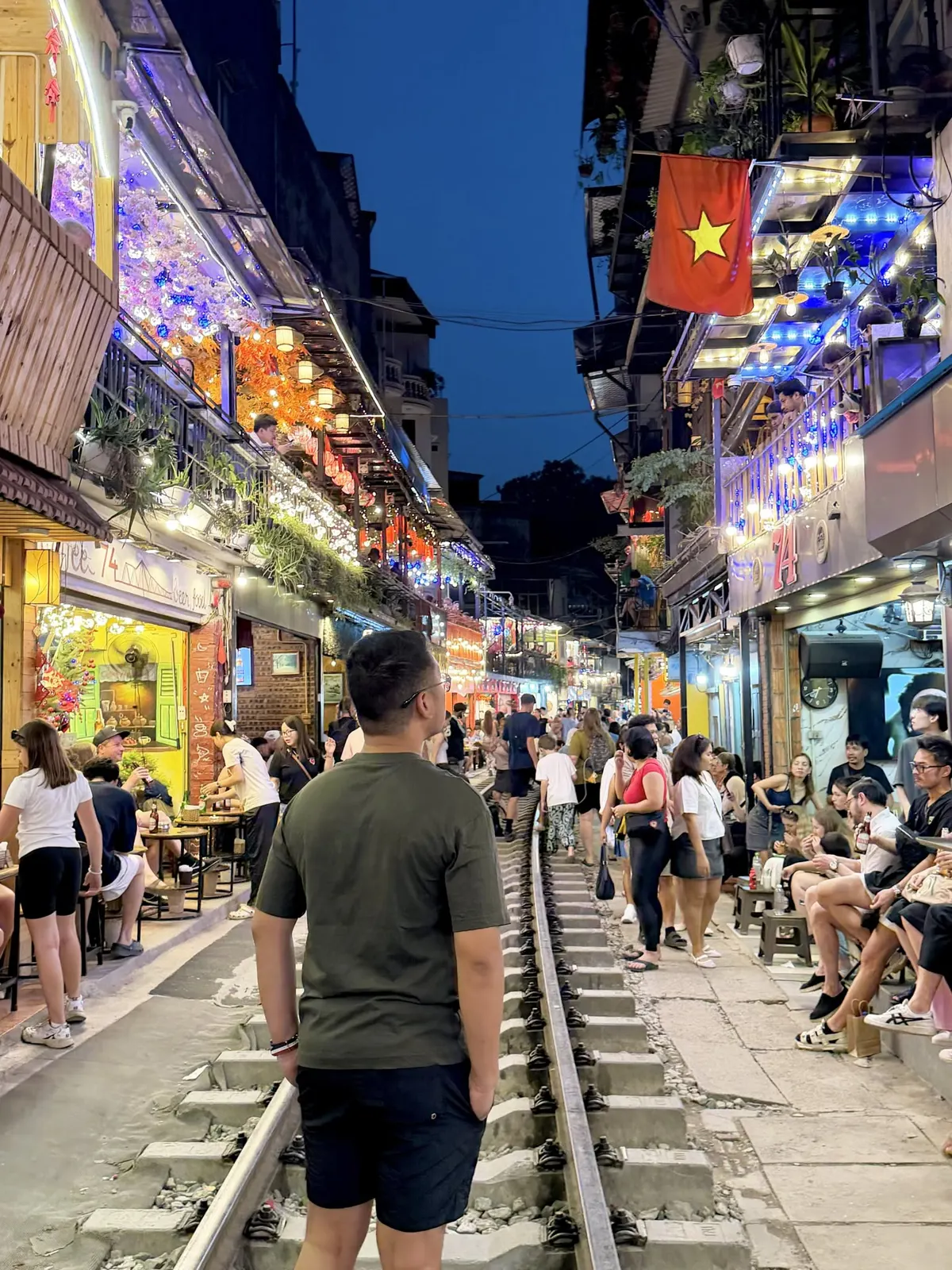
Hanoi, Vietnam's capital, offers a rich array of culinary experiences that reflect its long history and cultural identity. For visitors seeking to understand the city through its flavors, sampling local dishes is a fundamental part of the journey. This guide introduces several essential food items that characterize Hanoi's distinctive gastronomic landscape.
The Culinary Identity of Hanoi
Hanoi's food scene is deeply rooted in tradition, with many recipes passed down through generations. The city's cuisine is often characterized by a balance of flavors—sweet, sour, salty, and spicy—and a strong emphasis on fresh ingredients and aromatic herbs. Street food plays a central role, with vendors preparing dishes in open-air settings, contributing to the city's lively atmosphere.
The experience of eating in Hanoi extends beyond just the meal; it encompasses the communal aspect of dining, whether at a small family-run eatery or a popular sidewalk stall. Understanding the local ingredients and preparation methods provides insight into Vietnamese culture itself. Hanoi's enduring charm is partly due to these culinary traditions.
Iconic Noodle Soups of the Capital
Hanoi is renowned for its diverse noodle soups, each offering a unique profile of tastes and textures. These warming bowls are a staple for locals throughout the day, from breakfast to late-night meals.
Pho: Perhaps the most globally recognized Vietnamese dish, Pho holds a special place in Hanoi's culinary heart. It typically features tender rice noodles served in a clear, flavorful broth, accompanied by either sliced beef (pho bo) or chicken (pho ga). Fresh herbs and various spices are added, creating a complex and satisfying taste.
Bun Thang: This sophisticated noodle soup originates from Northern Vietnam, specifically Hanoi. It is known for its delicate presentation and refined flavors. A bowl of Bun Thang usually contains fine rice vermicelli, shredded chicken, thinly sliced Vietnamese ham, fried egg strips, dried shrimp, and often a touch of belostomatid essence for a unique aroma, all served in a clear, savory broth.
Bun Rieu: A distinctive vermicelli soup, Bun Rieu stands out with its rich, savory broth, often made from a base of crab or shrimp paste. It typically includes pieces of tomato, fried tofu, and sometimes pork or snails, enhancing its depth of flavor. The combination of ingredients gives this soup a hearty and tangy character.
Savory Delights Beyond the Bowl
Beyond its famous soups, Hanoi offers a range of other savory dishes that are equally essential to its culinary landscape. These items showcase the versatility of Vietnamese ingredients and cooking techniques.
Bun Cha: This dish gained international recognition and is a favorite among both residents and visitors. Bun Cha consists of grilled pork patties and slices of marinated pork belly, served in a sweet and sour dipping sauce (nuoc cham) with a side of rice vermicelli and fresh herbs. The traditional way to enjoy it involves dipping the noodles and herbs directly into the sauce with the grilled meats. Consider an evening food walk to try this and other street food.
Banh Cuon: These delicate steamed rice rolls are a traditional Vietnamese specialty. Thin sheets of steamed rice batter are typically filled with seasoned minced pork and wood ear mushrooms. The preparation involves pouring a rice flour and water mixture onto a steamer to create the translucent wrappers. Banh Cuon is usually served with a sweet and sour fish sauce for dipping.
Xoi Xeo: A popular sticky rice dish, Xoi Xeo is distinguished by its vibrant yellow color, derived from turmeric powder. It combines glutinous rice with mung bean paste, fried shallots, and a drizzle of liquid fat. While its ingredients are common, the preparation process is considered intricate, making it a highly regarded local treat.
Nem Cua Be (Crab Spring Rolls): These square-shaped spring rolls are a specialty, particularly from the northern coastal regions, but widely enjoyed in Hanoi. Each roll is prepared by enclosing a mixture of ground crab meat, ground pork, egg white, carrots, kohlrabi, and mushrooms within rice paper, then deep-fried until golden and crisp. They are commonly served with fresh bean sprouts, vermicelli noodles, and a dipping fish sauce.
Finding Authentic Hanoi Cuisine
To experience the true flavors of Hanoi, visitors often seek out local eateries and street food stalls. These establishments, while sometimes modest in appearance, are where the most authentic and traditional dishes are found. Specific venue details such as addresses, phone numbers, and operating hours for individual restaurants were not provided in the source material.
General advice for finding these culinary spots includes exploring the Old Quarter, where numerous street vendors and small restaurants operate. Local markets also offer opportunities to sample freshly prepared foods. For a deeper understanding of local ingredients and cooking methods, consider a culinary market and cooking class experience.
Tips for Enjoying Hanoi's Food Scene
- Embrace Street Food: Many of Hanoi's best dishes are served from sidewalk stalls. Don't hesitate to try them; they are often fresh and prepared right in front of you.
- Observe Locals: A good indicator of a popular and tasty spot is a crowd of local diners.
- Be Adventurous: While some dishes might seem unfamiliar, trying new flavors is part of the travel experience.
- Stay Hydrated: Drink plenty of bottled water, especially when exploring the city's food options.
- Carry Small Bills: Many street vendors prefer cash, and having smaller denominations is convenient.
- Consider a Food Tour: A guided food tour can help navigate the city's culinary landscape, offering insights into dishes and ingredients. For those planning a broader trip, a comprehensive Vietnam trip often includes culinary stops in Hanoi.
Dish Overview Table
| Dish Name | Primary Ingredient | Dish Type | Key Characteristics |
|---|---|---|---|
| Pho | Beef or Chicken | Noodle Soup | Clear broth, tender rice noodles, fresh herbs |
| Bun Cha | Grilled Pork | Noodle & Meat Dish | Grilled pork patties, sweet & sour dipping sauce, vermicelli |
| Banh Cuon | Minced Pork, Mushrooms | Steamed Rice Rolls | Thin, translucent rice wrappers, savory filling, fish sauce |
| Bun Thang | Chicken, Ham, Egg | Noodle Soup | Delicate broth, fine vermicelli, varied toppings |
| Bun Rieu | Crab or Shrimp Paste | Vermicelli Soup | Rich, tangy broth, tomato, fried tofu, sometimes meat |
| Xoi Xeo | Glutinous Rice, Mung Bean | Sticky Rice Dish | Yellow sticky rice, fried shallots, complex preparation |
| Nem Cua Be | Crab, Pork, Vegetables | Fried Spring Rolls | Square-shaped, crispy, savory filling, served with herbs |
Frequently Asked Questions
Is Hanoi street food safe to eat?
Generally, Hanoi street food is considered safe, particularly at popular stalls with high turnover, ensuring fresh ingredients. Look for places where locals are eating and where food is cooked fresh to order.
What is the best time of day to try these dishes?
Many of these dishes are enjoyed throughout the day. Pho is a common breakfast, lunch, or dinner item. Bun Cha is popular for lunch. Banh Cuon and Xoi Xeo can be breakfast or snack options. Street food stalls often operate from early morning until late evening.
Are vegetarian options available in Hanoi?
While many traditional dishes feature meat, vegetarian versions of some items, like pho or spring rolls, can be found. It is advisable to specify "chay" (vegetarian) when ordering. Many Buddhist eateries also offer plant-based meals.
How much do these dishes typically cost?
The cost of these dishes can vary, but street food in Hanoi is generally very affordable. A bowl of pho or bun cha might cost anywhere from 30,000 to 60,000 VND (approximately $1.20 to $2.50 USD), depending on the vendor and location.
What drinks pair well with Hanoi cuisine?
Traditional Vietnamese iced coffee (ca phe sua da), fresh limeade (nuoc chanh), or local beer (bia hoi) are popular choices to accompany meals. Green tea is also commonly served.








