
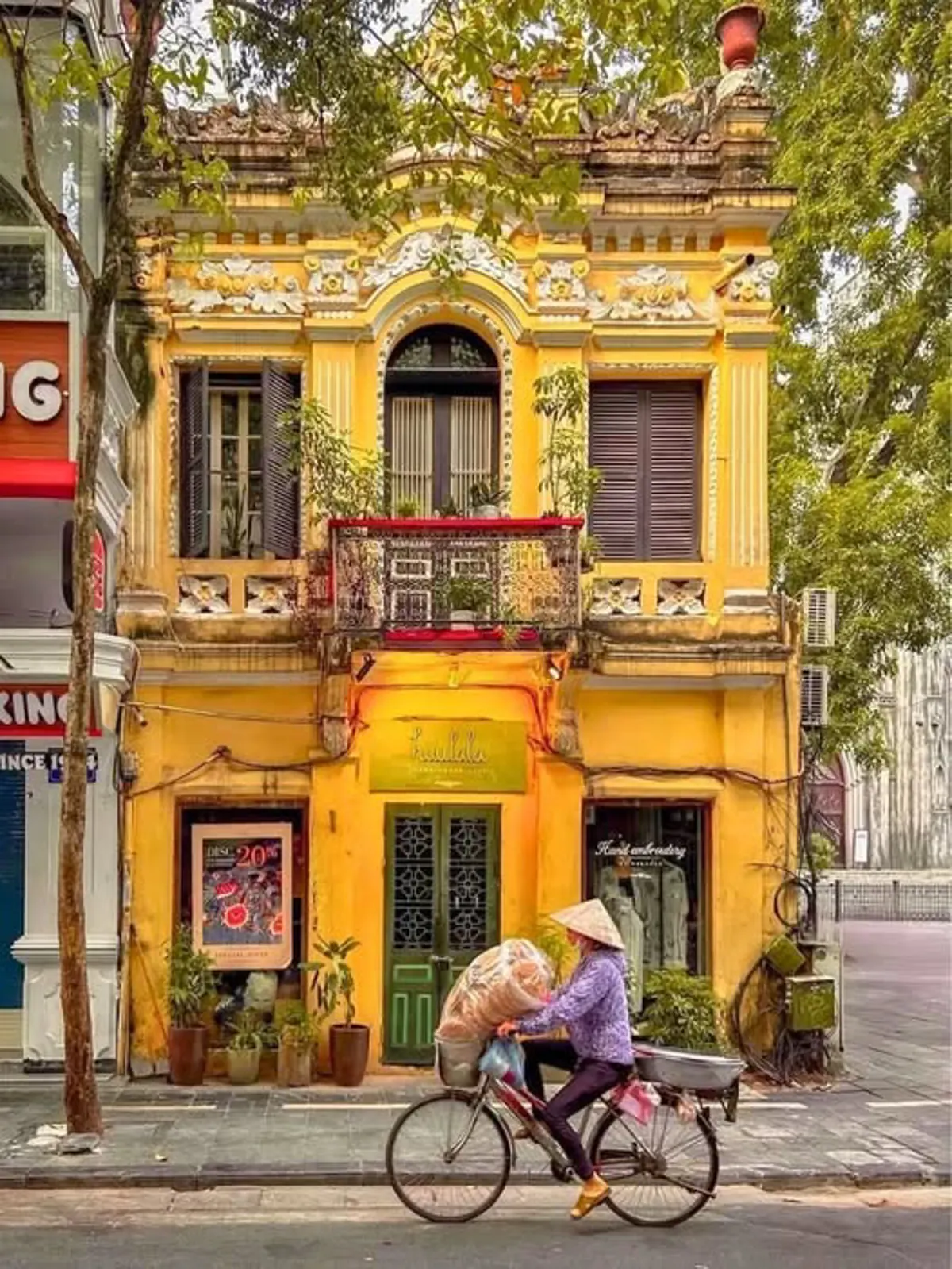
Hanoi, the capital of Vietnam, presents a distinctive culinary landscape, particularly renowned for its street food. While some Vietnamese dishes are widespread, many specialties found in Hanoi are specific to the city. The local food experience often involves casual dining directly on the street, characterized by welcoming interactions with vendors.
The Heart of Hanoi's Street Food Culture
Hanoi's street food scene extends far beyond its most globally recognized dishes like Phở Bò (traditional beef noodle soup), Bún Chả (barbecued pork with rice vermicelli), and Bánh Mì (baguette sandwiches). The city's culinary offerings are remarkably diverse, inviting visitors to explore a wide array of flavors and textures. Dining on the street is a fundamental aspect of the experience, requiring only an openness to new tastes and a readiness for adventure.
The regional variations in Vietnamese cuisine mean that many dishes encountered here possess a unique character, distinct from those found in other parts of the country. This regional specificity contributes significantly to Hanoi's reputation as a premier destination for food enthusiasts. For those looking to explore the broader Hanoi's culinary landscape, the street food scene provides an excellent starting point.
Signature Hanoi Dishes to Sample
Bánh Cuốn (Steamed Rice Rolls)
A traditional breakfast choice in Hanoi, Bánh Cuốn consists of delicate steamed rice rolls. These thin, translucent sheets of rice batter can be filled with various ingredients, including minced pork, mushrooms, eggs, or a combination. They are typically served with crispy fried shallots, a sweet and sour fish sauce (nước mắm chua ngọt), an assortment of fresh herbs, and a lime-based dipping sauce.
Bún Ốc (Snail Rice Vermicelli Soup)
Considered a classic comfort food in Hanoi, Bún Ốc is a snail rice vermicelli soup. A standard serving includes rice vermicelli (bún), often supplemented with toppings like beef and crab meat. A generous plate of fresh herbs usually accompanies this dish, as is common with many Vietnamese soups. The broth is distinguished by key ingredients such as tomatoes, wine vinegar, and pepper, which contribute to its distinctive tangy and slightly spicy profile.
Lẩu (Vietnamese Hot Pot)
Lẩu, or Vietnamese hot pot, offers a communal dining experience. Diners gather around a simmering pot and add fresh vegetables, various meats, and seafood according to their preference. While the process might initially seem unfamiliar, participating in a hot pot meal is an authentic way to engage with the city's street food culture. It often provides opportunities for social interaction.
Bún Cá (Fish Rice Vermicelli Soup)
Often enjoyed during lunchtime, Bún Cá is a fish rice vermicelli soup featuring fried fish pieces. The broth is prepared with green vegetables, frequently including a variety of 'morning glory,' a common ingredient in Vietnamese stir-fries and boiled dishes. A blend of aromatic herbs, such as cilantro and dill, gives this soup its characteristic flavor.
Miến Xào Lươn (Stir-fried Glass Noodles with Eel)
Eel is not a daily staple but is a noteworthy ingredient to try in Hanoi. Miến Xào Lươn combines crispy eel with stir-fried glass noodles, egg, and bean sprouts. Other preparations include miến trộn, which are noodles tossed with eel, cucumber, and herbs, and cháo lươn, an eel porridge.
Bánh Đa Trộn (Mixed Flat Rice Noodles)
While walking through the Old Quarter, visitors might encounter vendors preparing Bánh Đa Trộn from portable street stalls. This Hanoi specialty features thick, flat noodles topped with ingredients such as sausage, fried fish cakes, tofu, peanuts, and leafy greens. An alternative version uses thin glass noodles, known as miến. The unique flavors of this local dish are often surprising to diners.
Bánh Tôm (Hanoi Shrimp Cakes)
Originating from the West Lake (Hồ Tây) area, Bánh Tôm are shrimp cakes made from battered sweet potatoes and prawns, typically sourced locally. These savory snacks are served with a sweet and sour fish sauce and papaya. Many people opt for a glass of iced soy milk to complement the richness of the fried cakes. For those interested in other refreshing Vietnamese drinks, there are many options available.
Bánh Gối (Crispy “Pillow” Cake)
Bánh Gối, or crispy "pillow" cakes, are a popular fried snack for an active afternoon exploring Hanoi. These pillow-shaped pastries contain a filling of minced pork, black fungus, vermicelli noodles, and a quail egg. Alongside Bánh Gối, other fried treats like há cảo (fried dumplings), phô mai que (fried cheese sticks), and nem chua rán (fried fermented sausage) are often available from the same vendors.
Mỳ Gà Tần (Herbal Braised Chicken Noodles)
This dish might appear unusual to some, yet it offers a hearty and satisfying meal. Mỳ Gà Tần features braised chicken served with egg noodles. Diners can choose between a standard chicken or a smaller, slightly more expensive black chicken, named for its dark skin. The chickens are traditionally prepared by stuffing them into empty soda or beer cans with aromatic herbs, including mugwort. The cans are then heated, allowing the meat to absorb the herbal flavors as it simmers. Egg noodles (mỳ trứng) are added to the stew before serving.
Bánh Đúc Nóng (Vietnamese Hot Steamed Rice Cake)
For visitors to Hanoi during the colder months, a bowl of hot Bánh Đúc Nóng is a recommended afternoon snack. This steamed rice cake, made from plain rice and tapioca flour, is prepared with careful attention to consistency. The cake's filling includes black fungus, meat, and fried shallots, and it is served with a chili garlic fish sauce and fresh herbs. The warm, soft texture and savory aroma of onions and meat make Bánh Đúc Nóng an ideal choice on a chilly day. Understanding Vietnam's seasonal travel guide can help plan your visit to enjoy such seasonal specialties.
Chè (Colourful Sweet Dessert Soup)
No culinary exploration is complete without dessert, and Chè offers a sweet and fragrant conclusion to a day of eating in Hanoi. This "sweet soup" typically features layers of ingredients such as red bean and mung bean pastes, glutinous rice balls, and herbal jelly cubes. It is usually topped with syrup and shredded coconut. The mixed chè thập cẩm, often prepared with a locally favored jasmine syrup, comes highly recommended.
Comparing Hanoi's Unique Street Food Dishes
| Dish Name | Main Ingredients | Typical Serving Time | Flavor Profile |
|---|---|---|---|
| Bánh Cuốn | Steamed rice rolls, minced pork/mushroom/egg | Breakfast | Light, savory, fresh herbs, tangy sauce |
| Bún Ốc | Rice vermicelli, snails, beef/crab, tomatoes, vinegar | Any meal | Tangy, savory, slightly spicy |
| Bún Cá | Rice vermicelli, fried fish, green vegetables, dill | Lunch | Savory, fresh, aromatic |
| Miến Xào Lươn | Glass noodles, crispy eel, egg, bean sprouts | Any meal | Savory, crispy texture, rich |
| Bánh Tôm | Battered sweet potatoes, prawns | Snack | Savory, crispy, sweet & sour dipping sauce |
| Bánh Gối | Pastry, minced pork, black fungus, quail egg | Snack | Savory, fried, rich filling |
| Mỳ Gà Tần | Braised chicken, egg noodles, herbs (mugwort) | Any meal | Hearty, savory, herbal, comforting |
| Bánh Đúc Nóng | Steamed rice cake, meat, fungus, shallots | Afternoon (winter) | Warm, soft, savory, aromatic |
| Chè | Beans, glutinous rice balls, jelly, syrup, coconut | Dessert | Sweet, fragrant, varied textures |
Tips for Enjoying Hanoi Street Food
Experiencing Hanoi's street food is generally a casual affair. There is no need for formal attire or strict dining etiquette often associated with upscale restaurants. The essence of this dining style lies in its accessibility and the direct interaction with local culture.
Many street food stalls operate from early morning until late evening, catering to different meal times. It is common to see small plastic stools and tables set up directly on sidewalks, creating an informal and inviting atmosphere. While specific venues are not listed here, visitors typically find a wide array of options by simply exploring the city's neighborhoods, especially around the Old Quarter.
Frequently Asked Questions
What are the most famous street foods in Hanoi?
Beyond the general street food scene, Hanoi is particularly known for Phở Bò (beef noodle soup), Bún Chả (barbecued pork with vermicelli), and Bánh Mì (baguette sandwiches). These are widely available and considered essential tastes of the city.
Is Hanoi street food safe to eat?
Most visitors find Hanoi street food to be safe and enjoyable. It is generally advisable to choose stalls that appear busy, as high customer turnover often indicates fresh ingredients. Observing local dining habits can also guide choices.
What is a typical Hanoi street food breakfast?
A common breakfast option in Hanoi is Bánh Cuốn, which are steamed rice rolls with various fillings. Other popular choices include different types of noodle soups.
Are there vegetarian options available in Hanoi street food?
While many traditional Hanoi street food dishes feature meat or seafood, vegetarian options can often be found. Dishes like certain versions of Bánh Cuốn (without meat), some vegetable-based soups, or modified noodle dishes may be available upon request. It's best to inquire with vendors.
What is Chè and when is it typically eaten?
Chè refers to a category of sweet dessert soups or puddings in Vietnam. In Hanoi, it often consists of various layers of beans, jellies, and glutinous rice balls, topped with syrup and coconut. It is typically enjoyed as a dessert or a sweet snack at any time of day.








