
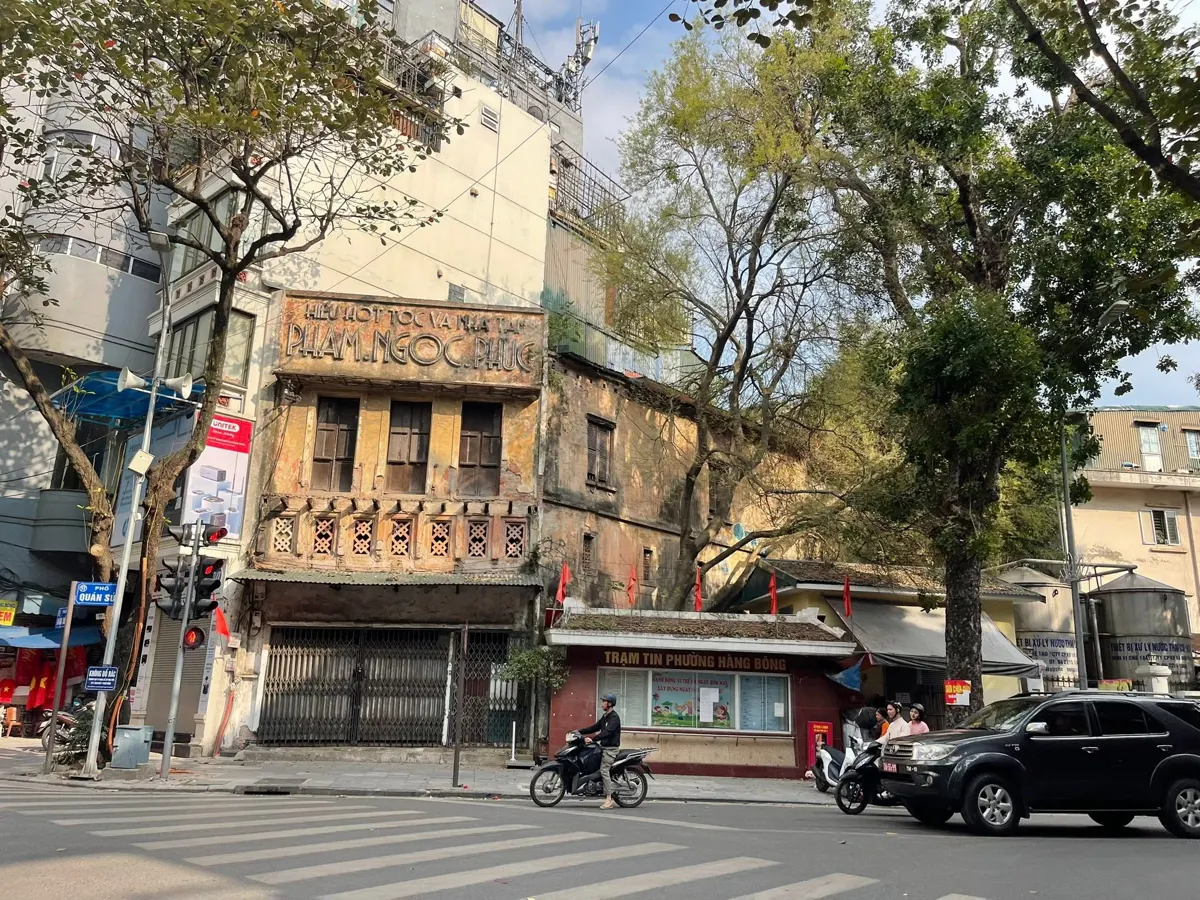
Hanoi, the capital of Vietnam, presents visitors with a multifaceted experience that extends beyond its historical Old Quarter, traditional noodle soup, ancient architecture, and cultural performances. Recent international attention has underscored the city's reputation for security, its rich gastronomic offerings, and the inherent friendliness of its people, inviting travelers to explore its deeper character.
A Reputation for Security and Warm Welcomes
Hanoi has long carried the moniker “The City for Peace,” a designation rooted in its consistent stability. This reputation for safety was notably affirmed when it hosted a high-profile international summit involving two prominent world leaders in February 2019. The decision by President Donald Trump and President Kim Jong Un to convene their discussions in Hanoi demonstrated a clear trust in the city's secure environment.
The summit concluded without incident on February 28, 2019, even though the leaders did not reach a joint agreement. Both expressed gratitude to Vietnam for the hospitality and the secure setting provided for their meetings. This event served as a global declaration from Vietnam, signaling its openness and readiness to welcome international visitors, encouraging both initial visits and repeat journeys.
Hanoi's Diverse Culinary Landscape
While many associate Vietnamese food primarily with pho, the country's culinary scene, especially in Hanoi, offers a much broader array of flavors. During the 2019 summit, approximately 3500 international journalists had the opportunity to sample a wide selection of traditional Vietnamese dishes, receiving complimentary meals that showcased the nation's gastronomic heritage.
Reporters were treated to various specialties beyond pho bo (beef noodle soup), including bun cha (grilled pork with noodles), bun thang (chicken broth noodle soup), nem (spring rolls), and different kinds of xoi (sticky rice). A particular highlight was the widespread introduction of Giang's egg coffee, a unique local creation, to an international audience for the first time at such a significant event. The city's culinary excellence is not confined to special events; delicious traditional food is readily available from street vendors across Hanoi. Many journalists, pressed for time, opted for street food instead of catered buffets and reported being thoroughly impressed by the quality and taste, with none expressing disappointment. A CNN reporter, Josh Berlinger, specifically praised cha ca, a turmeric-marinated, pan-fried fish, noting its renown to the extent that an entire street bears its name.
Notable Hanoi Dishes to Experience
- Pho bo: Traditional beef noodle soup.
- Bun cha: Grilled pork served with vermicelli noodles and a dipping sauce.
- Bun thang: A complex noodle soup typically made with chicken broth, shredded chicken, thin omelet strips, and Vietnamese ham.
- Nem: Fried spring rolls, often filled with pork and vegetables.
- Xoi: Various preparations of sticky rice, often with savory or sweet toppings.
- Giang's Egg Coffee: A unique Hanoi specialty featuring creamy egg foam over coffee. Specific address and contact details for Giang's Café were not provided in the source material.
- Banh My: A Vietnamese baguette sandwich with diverse fillings.
- Cha ca: Turmeric-marinated, pan-fried fish, famously served with dill and vermicelli.
The Genuine Hospitality of Vietnamese People
The warmth and helpfulness of the Vietnamese people are consistently noted by visitors. Mr. Hoa, the proprietor of Giang's café, reflected this sentiment, stating that while Hanoi cannot determine the success of international negotiations, its people strive to treat international guests with the utmost care. This approach is evident in numerous small gestures, such as providing delicious, affordable food, offering complimentary iced tea, and distributing hats during Hanoi's warm and humid weather.
Locals typically greet foreign visitors with smiles and are often willing to assist. These examples of kindness are representative of the general welcome travelers can anticipate throughout Vietnam. The country holds many more appealing aspects awaiting exploration by international guests.
Planning Your Visit to Hanoi
Hanoi serves as an excellent starting point for exploring Vietnam, offering a blend of historical depth, culinary delights, and a welcoming atmosphere. When planning a trip, consider the city's distinct seasons; the warm and humid conditions are typical for much of the year, but cooler, drier periods occur from November to April.
Exploring the city often involves walking through its older districts, sampling street food, and visiting cultural sites. Public transportation, including buses and ride-sharing services, is available for longer distances. For those interested in managing their finances during their stay, information on banking services in Hanoi can be helpful. Additionally, for those looking to bring home mementos, guidance on unique purchases and souvenirs from Vietnam can enhance the travel experience.
Frequently Asked Questions
What makes Hanoi a safe destination for travelers?
Hanoi has a long-standing reputation as "The City for Peace," reinforced by its ability to securely host major international events. Visitors generally report feeling safe within the city, which maintains a welcoming environment for foreign guests.
What Vietnamese dishes should I try in Hanoi besides Pho?
Beyond pho, Hanoi offers a rich variety of dishes including bun cha, bun thang, nem (spring rolls), xoi (sticky rice), Giang's egg coffee, banh my, and cha ca. These can be found at local restaurants and street food stalls throughout the city.
How friendly are the locals in Hanoi?
Hanoians are widely regarded as friendly and hospitable. They often greet visitors with smiles and are generally willing to offer assistance, contributing to a pleasant experience for international travelers.
Is it easy to find authentic Vietnamese food in Hanoi?
Yes, authentic Vietnamese food is widely available across Hanoi. Many local eateries and street vendors offer traditional dishes, often at affordable prices, allowing visitors to experience genuine local cuisine.








