
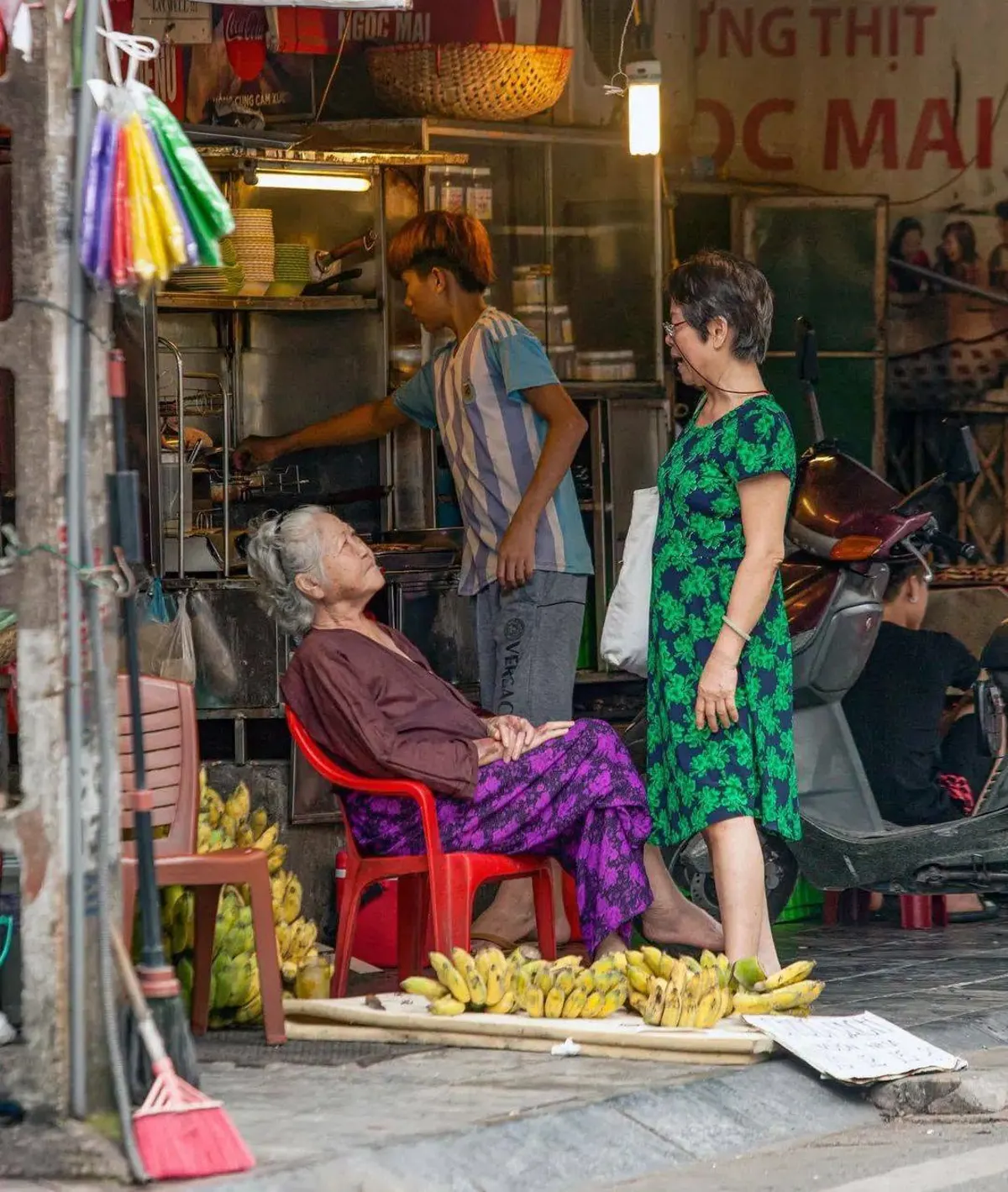
Planning a trip to Hanoi, Vietnam's capital, involves navigating its historical streets, colonial architecture, and dynamic cultural scene. This guide provides practical advice for visitors, covering essential aspects from optimal travel times and managing finances to transportation options, shopping venues, and local culinary experiences. Understanding these details can help travelers make the most of their time in this distinctive Southeast Asian city.
Planning Your Visit: Weather and Festivals
Hanoi experiences four distinct seasons, characteristic of its northern hemisphere location. Winter typically begins in December, bringing cooler temperatures, while summer, from June to August, is generally hot and humid. Predicting daily weather precisely is challenging, as conditions can shift frequently.
The monsoon season affects northern Vietnam from April to October, often bringing heavy rainfall and increased humidity. These downpours can sometimes lead to localized flooding and may impact travel plans, such as boat excursions to nearby Halong Bay. For those preferring drier conditions, the period between October and March is generally recommended for a visit to Hanoi. Travelers extending their journey to central Vietnam might consider waiting until December, as typhoons can occur along the central coast as late as November.
- Cooler Months: The autumn and spring months, specifically September, October, April, and May, offer more moderate temperatures, typically in the 70s and low 80s Fahrenheit (20s Celsius). While some rain may still occur in September and April, the overall climate is more comfortable than the peak summer heat. November and December are frequently cited as particularly favorable months due to a balance of cooler weather and reduced rainfall.
- Major Festivals:
- Tet New Year (Lunar New Year): Occurring in late January or early February, Tet is Vietnam's most significant cultural celebration. Officially lasting three days, festivities often extend for a full week. Many local businesses close during this time, making it less ideal for shopping. However, it is a period rich with parades, street celebrations, and temple activities. A unique tradition during Tet is that all Vietnamese citizens mark their age as one year older, regardless of their actual birth date.
- Mid-Autumn Festival (Moon or Lantern Festival): This event takes place annually on the 15th day of the eighth month in the Chinese lunar calendar, typically falling in September or early October. During the full moon, children parade through streets with lanterns and sing traditional songs. Dragon dances and consuming mooncakes are also customary. Unlike celebrations in some other Asian countries, the Vietnamese Mid-Autumn Festival places a strong emphasis on children.
Managing Finances in Hanoi
Navigating financial transactions in Hanoi is generally straightforward, with various options available for currency exchange and cash withdrawals. The local currency is the Vietnamese Dong (VND).
- Currency Exchange: Airports and train stations sometimes offer competitive exchange rates due to the volume of transactions, though this is not universally true, especially in areas with limited competition. Most banks facilitate foreign currency exchange for major currencies like US dollars or euros during standard business hours. Additionally, several independent money exchange establishments can be found along Hang Bac Street in the Old Quarter and near Hoan Kiem Lake. One specific bank branch for currency exchange is Hanoi Sacombank, located at 88 Ly ThuongKiet, with a contact telephone number of 04/3942-8095.
- ATMs and Credit Cards: Automated Teller Machines (ATMs) are widely accessible across Hanoi, with major banks such as Vietcombank and Vietin Bank having numerous branches. Hotel reception desks can often provide directions to the nearest ATM. It is advisable to consult with your home bank regarding international ATM usage fees. Most ATMs support withdrawals from VISA, MasterCard, Cirrus, Maestro, Plus, and JCB networks, and can also process cash advances from credit cards. By Vietnamese law, ATMs only dispense Vietnamese Dong. Typical withdrawals are in VND 50,000 and VND 100,000 notes, with a maximum limit of VND 2,000,000 per transaction and a daily limit of VND 20,000,000. A transaction fee of VND 50,000 is usually applied per withdrawal. Many hotels, shops, and restaurants in tourist-centric areas accept Visa, MasterCard, and JCB cards. However, credit card use is less common among local Vietnamese businesses, and travelers should anticipate an additional charge of 3-4% on each transaction. For urgent cash needs, Vietcombank branches can provide cash advances against Visa or MasterCard credit cards. For more detailed information on local banking, consider reading our guide on banking services in Hanoi.
- Bargaining: When shopping in local markets and many tourist-oriented stores, bargaining is a common practice. Listed prices, particularly for souvenirs, are often negotiable, sometimes significantly so. Engaging in polite but firm negotiation is expected and can lead to more favorable prices.
- Additional Financial Advice:
- Avoid exchanging currency on the black market; official exchange rates are typically better and safer, reducing the risk of counterfeit or outdated notes.
- Budget travelers might anticipate spending approximately $25 per day for food and accommodation. Those with a mid-range budget, including dining at nicer restaurants, using taxis, and staying in comfortable hotels, could expect to spend around $65 daily.
- When visiting pagodas or temples, leaving a small donation upon departure is a customary gesture.
- Carrying a small calculator can assist with quick currency conversions.
- Traveler's checks are challenging to cash outside major cities and tourist zones; cash is preferable when exploring less frequented areas.
- Always secure cash, credit cards, and other valuables in a safe location, such as a hotel room safe.
Getting Around Hanoi
Hanoi offers a variety of transportation methods, from traditional options to modern taxi services, catering to different travel preferences and distances.
- Taxis: Several reputable taxi companies operate in Hanoi, providing metered services. It is advisable to use well-known companies to ensure fair pricing.
- Mai Linh Taxi: 024.38.222.666
- Thanh Nga Taxi (4-seat cars only): 024.38.215.215
- ABC Taxi: 024.37.19.19.19
- NoiBai Taxi (specializes in airport transportation): 0243.886.8888
- Viet Thanh Taxi (specializes in airport transportation): 0243.563.6666
- Motorbike Rentals: For those comfortable navigating local traffic, motorbikes offer flexibility. A popular model like the Honda Wave Alpha can be rented for around US$7 per day or US$50 per week. Rental locations include:
- 6B Tam Thuong St, Hanoi (Old Quarter)
- No.27, Alley 52, To Ngoc Van St, Hanoi (Tay Ho / West Lake area)
- Phung Motorbike: No. 13 Ngo Huyen Street, Hoan Kiem Dist. (Rental fee: 5-10 USD/day)
- Flamingo Travel: no. 66 Dao Duy Tu Street, Hanoi, Vietnam (Rental fee: 6-12 USD/day)
- Bicycles: Exploring Hanoi's streets by bicycle provides a slower pace, particularly suitable for the Old Quarter. Quan's Motorbike & Bicycle Rentals, located at 70 Hang Bac St, Hoan Kiem, Hanoi, offers bicycle rentals. Their phone number is 0904244941 for price inquiries.
- Cyclo (Three-wheeled Pedicab): Cyclos are a traditional way to experience the Old Quarter. Hotels can often assist in arranging a cyclo ride and negotiating the fare, which is typically around $7-$8 per hour per cyclo.
- Xe-om (Motorbike Taxi): These motorbike taxis are readily available throughout the city, with drivers often displaying “XE OM” signs. It is crucial to agree on the price with the driver before beginning the journey. Fares generally depend on distance, road conditions, and even weather, with 10,000-15,000 VND per kilometer considered a reasonable rate.
Shopping Experiences in Hanoi
Hanoi's retail landscape blends traditional markets and specialty shophouses with contemporary shopping centers and boutiques. Many shopping areas, particularly around Hoan Kiem Lake and the Old Quarter, are walkable, with certain streets historically dedicated to specific trades. Visitors can find a range of items, from traditional Vietnamese handicrafts like lacquerware and silk products to modern clothing and accessories. For information on what unique items to look for, consider our guide on unique purchases and souvenirs in Vietnam.
- Shopping Centers:
- Trang Tien Plaza: 27 Trang Tien Street, Hoan Kiem District
- Vincom Tower: 191 Ba Trieu Street, Hai Ba Trung District
- Royal City: 72 Nguyen Trai Street, Thanh Xuan, Hanoi
- Vincom Mega Mall Times City: 458 Minh Khai Street, Hai Ba Trung District
- Lotte Center Hanoi: 54 Lieu Giai Street, Ba Dinh District
- AEON MALL Long Bien: 27 Co Linh Road, Long Bien District
- Keangnam Hanoi Landmark Tower (Keangnam Landmark 72): Pham Hung Street
- Markets:
- Dong Xuan Market: Dong Xuan Street, Hoan Kiem District
- Hanoi Weekend Night Market: Hang Dao Street, Hoan Kiem District (operates Friday, Saturday, and Sunday evenings)
- Hang Da Market: 1 Hang Da Street, Hoan Kiem District
- Hom Market: 293 Tran Nhan Tong, Hai Ba Trung District
- Quang Ba Flower Market: Au Co Street, Tay Ho District
- Specialty Streets and Local Shops:
- Silk Products: Hang Gai Street (often referred to as Silk Street)
- Footwear (shoes, sandals, flip-flops): Hang Dau Street
- Souvenirs: Hang Be Street, Dong Xuan Night Market
- Silver Products: Hang Bac Street
- Accessories, Scarves: DinhLiet Street
- Decorative Items, Children's Toys: Luong Van Can Street, Hang Ma Street
- Clothing: Ly Quoc Su Street, and "Made in Vietnam" shops at locations such as 58 Ba Trieu Street, 55c Ly Thuong Kiet Street, 139 Thai Ha Street.
Essential Hanoi Cuisine
Hanoi's culinary scene offers a range of traditional dishes, available at any time of day. These local specialties are often highlights for visitors.
- Pho Bo (Beef Noodle Soup): A ubiquitous Vietnamese dish, Pho consists of flat rice noodles served in a savory, light meat-based broth. It is typically accompanied by fresh herbs like basil, lime wedges, and chili, allowing diners to customize the flavor to their preference. The combination of sweet, salty, spicy, and citrus notes makes Pho a popular choice. While Pho Bo (beef) is common, Pho Ga (chicken) is also widely available.
- Banh Cuon (Steamed Rice Rolls): This popular breakfast item features delicate, thin rice flour sheets wrapped around fillings such as minced pork, black fungus, and shallots. Banh Cuon is commonly served with bean sprouts and Vietnamese pork sausage (Cha Lua), offering a smooth texture and mild flavors.
- Cha Ca (Grilled Fish): So significant is Cha Ca to Hanoi's gastronomy that an entire street bears its name. This dish features seasoned fish, often with garlic, ginger, and turmeric, sizzled with generous amounts of dill. It is traditionally served with rice noodles.
- Bun Cha (Grilled Pork with Vermicelli): Bun Cha Hanoi is a straightforward yet highly regarded dish. It comprises grilled pork patties, often cooked over charcoal, served alongside rice vermicelli noodles. A distinctive Vietnamese dipping sauce, unique to the region, enhances the flavors of the grilled pork and noodles.
| Dish | Recommended Eateries | Average Price (VND) |
|---|---|---|
| Pho Bo (Beef Noodle Soup) |
| 40,000 - 85,000 per bowl |
| Banh Cuon (Steamed Rice Rolls) |
| 40,000 per portion |
| Cha Ca (Grilled Fish) |
| 350,000 – 600,000 per portion (for 2 people) |
| Bun Cha (Grilled Pork with Vermicelli) |
| 50,000 – 100,000 per portion |
Frequently Asked Questions
What is the most favorable time of year to visit Hanoi?
The dry season, from October to March, is generally considered the most pleasant time to visit Hanoi, offering cooler temperatures and less rainfall. November and December are often highlighted as particularly good months due to comfortable weather conditions.
Is bargaining customary when shopping in Hanoi?
Yes, bargaining is a common practice in many Hanoi markets and tourist-focused shops. Prices are often negotiable, and engaging in polite negotiation is expected, especially for souvenirs and non-fixed-price items.
What are the typical ATM withdrawal limits and fees in Hanoi?
Hanoi ATMs typically dispense a maximum of VND 2,000,000 per transaction, with a daily limit of VND 20,000,000. A fee of VND 50,000 is usually charged per withdrawal. ATMs only dispense Vietnamese Dong.
How can I travel from Noi Bai Airport to central Hanoi?
Taxis are a common option for airport transfers. Reputable companies like NoiBai Taxi and Viet Thanh Taxi specialize in airport transportation. As of 2017, one-way fares ranged from 180,000 – 550,000 VND, depending on vehicle size, while round-trip fares were between 480,000 – 800,000 VND.
What are some must-try local dishes in Hanoi?
Key Hanoi dishes include Pho Bo (beef noodle soup), Banh Cuon (steamed rice rolls), Cha Ca (grilled fish), and Bun Cha (grilled pork with vermicelli). These dishes offer a true taste of the city's culinary heritage.








