
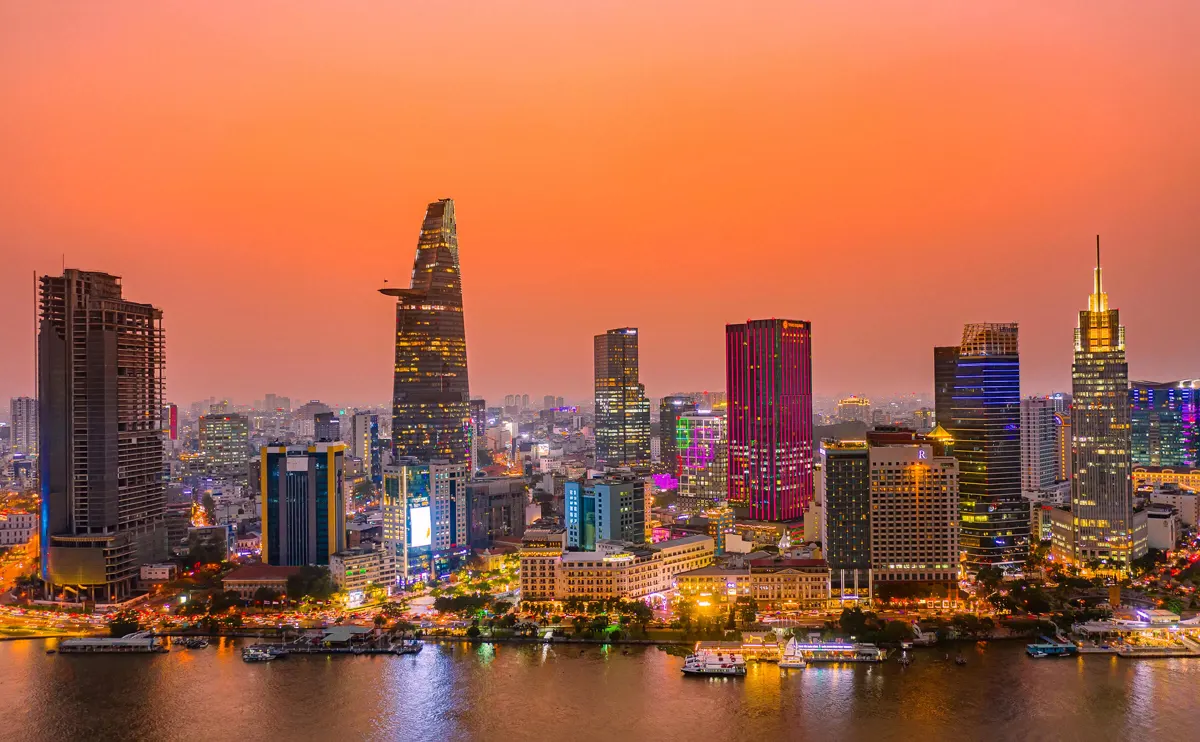
Ho Chi Minh City offers an extensive range of culinary experiences, reflecting its status as a major Vietnamese metropolis. The city's food culture is characterized by a convergence of diverse regional and international influences, resulting in a unique gastronomic identity that spans from casual street stalls to elegant, upscale restaurants. Visitors can explore a wide variety of dishes, each telling a story of the city's dynamic history and innovative spirit.
Ho Chi Minh City's Distinctive Culinary Identity
While northern Vietnamese cuisine, particularly in Hanoi, often adheres to established recipes with subtler seasoning, Ho Chi Minh City's food scene is a true melting pot. Here, ingredients and cooking methods from various regions and cultures are enthusiastically combined, creating a bold and inventive flavor profile. Many dishes that originated in this southern hub are best enjoyed in their birthplace, offering an authentic taste of Saigonese innovation.
The city's culinary landscape is constantly evolving, yet it remains deeply rooted in local traditions. This blend of old and new, local and international, makes dining in Ho Chi Minh City a fascinating exploration. From morning until late night, food plays a central role in daily life, with countless options available to suit every palate and budget.
Essential Street Food Experiences
The heart of Ho Chi Minh City's food culture often lies in its street food, enjoyed on low plastic stools in lively alleys or at expansive roadside eateries. This casual dining style is prevalent throughout the city, offering a genuine taste of local life.
Snails (Ốc)
Snails are considered a quintessential street food item, pairing exceptionally well with a cold beverage. They are typically prepared in various ways—boiled, steamed, grilled, or sautéed—and served with rich, spicy sauces. The enjoyment comes from carefully extracting the meat from each shell, a delightful, albeit untidy, eating experience that is often compared to snacking on peanuts in Western bars, but with far more flavor and texture.
Banh Mi
Alongside pho, banh mi stands as one of Vietnam's most recognized dishes. This iconic sandwich is widely believed to have originated in Ho Chi Minh City and has since gained international fame, though its preparation varies significantly across Vietnam. The quality of the baguette is paramount, providing a soft yet crunchy foundation. It is typically spread with pâté and chili sauce, then filled with an assortment of meats, fresh herbs, and pickled vegetables, commonly carrot and daikon. A savory sauce is considered essential, harmonizing the salty, sweet, and spicy elements. This convenient delicacy is consumed at any time of day and is readily available from numerous vendors. Sampling banh mi from different sellers allows one to appreciate the subtle variations in this beloved street food. Exploring Vietnam's diverse bánh mì sandwiches can reveal the regional differences in this iconic dish.
Com Tam (Broken Rice)
Com Tam is perhaps the most fundamental Saigonese dish, a daily staple found on nearly every street. The aroma of barbecued pork frequently wafts from com tam establishments, filling the air of active streets and attracting hungry individuals throughout the day. Marinated pork ribs are slow-grilled over gentle heat for several hours, ensuring even flavor absorption while the meat remains succulent and tender. These ribs are served over "broken rice"—grains fractured during harvesting or processing—and accompanied by an omelet, egg rolls, and sausages. A topping of onion fat or pork grease is common. For a complete experience, a generous portion of fresh and pickled vegetables is recommended.
Hu Tieu
While pho receives widespread acclaim as Vietnam's national soup, hu tieu offers a strong contender, particularly in Ho Chi Minh City, where it is often considered superior to the northern pho. The essence of any Vietnamese soup lies in its broth, and hu tieu's is no exception. Its delicate, slightly sweet, and clear broth is simmered for hours using pork bones, dried squid, shrimp, and root vegetables. Common toppings include boiled eggs, shrimp, and various forms of pork: ground, lean cuts, liver, intestines, and tongue. Specific toppings may differ between eateries. Adding a generous portion of lettuce, bean sprouts, and scallions provides balance. Hu tieu can also be served as a dry salad, with the essential broth provided separately in a bowl. For those interested in Vietnam's regional noodle dishes, hu tieu offers a distinct and flavorful experience.
Prominent Street Food Destinations
Ho Chi Minh City boasts several areas renowned for their concentrated street food offerings, each with its own character and specialties.
Ho Thi Ky Street
This street is celebrated for both its culinary scene and its flower market. Ho Thi Ky Market, the city's largest wholesale flower market, receives fresh blooms daily from Da Lat and surrounding provinces. The market's garden-like appearance and fragrant atmosphere provide a pleasant setting for the adjacent food street. Though only a few hundred meters long, Ho Thi Ky food street features a remarkable concentration of food and drink stalls. It is a popular destination for students, social media enthusiasts, and young professionals seeking affordable and delicious meals after classes or work. The street is well-known on platforms like Instagram due to its appealing atmosphere and diverse offerings. Dishes are typically priced under 10,000 VND. Options range from sweet and savory noodle soups, snails, fruits, and cakes, to Saigonese staples like pha lau and unique items such as tamarind seed sweet soup.
Alley 76 Hai Ba Trung
Even more compact than Ho Thi Ky, Alley 76 on Hai Ba Trung Street also provides a wide array of affordable choices. This location is particularly popular for afternoon snacks, reaching its busiest period between 3 PM and 6 PM. It serves as a preferred meeting spot for students and office workers finishing their day. While snacks are available, this alley is also ideal for a substantial hot meal. Offerings include Bun Thai, bun rieu, chicken and rice, which are excellent for a hearty late lunch or early dinner. Grilled meat skewers are cooked to order, ensuring freshness. Bot chien, fried dough bites served with egg and shredded papaya, presents an enjoyable alternative to noodle dishes for those seeking new culinary experiences. Most dishes cost around 20,000 VND, making it possible to enjoy a substantial meal for approximately 100,000 VND.
Bui Vien Walking Street
Designated as Ho Chi Minh City's second official walking street in 2017, Bui Vien underwent a transformation, banning vehicles and becoming a continuously active thoroughfare. It is now an energetic gathering place for backpackers and young individuals seeking both food and entertainment. The food stalls here are diverse, featuring not only Vietnamese street cuisine but also Indian, Italian, Chinese, and Thai options. Sit-down restaurants offer reasonable prices given Bui Vien's global recognition, and portion sizes are generally generous. Barbecue spots are particularly popular, where patrons can enjoy cold drinks while grilling meats, seafood, and vegetables. The atmosphere is lively and convivial, often enhanced by street performers singing ballads or karaoke. Activities on Bui Vien typically begin around dinner time and continue throughout the night.
| Destination | Typical Vibe | Peak Hours | Approx. Price/Dish | Key Offerings |
|---|---|---|---|---|
| Ho Thi Ky Street | Lively, student-friendly, Instagrammable | Afternoons, evenings | Under 10,000 VND | Noodle soups, snails, fruits, cakes, pha lau, tamarind seed sweet soup |
| Alley 76 Hai Ba Trung | Casual, local, afternoon snack spot | 3 PM - 6 PM | Around 20,000 VND | Bun Thai, bun rieu, chicken and rice, grilled skewers, Bot chien |
| Bui Vien Walking Street | Energetic, international, nightlife-focused | Dinner onwards, all night | Moderate (sit-down), affordable (street) | Vietnamese street food, international cuisine, barbecue, drinks |
Upscale Dining in Ho Chi Minh City
While Ho Chi Minh City is celebrated for its authentic, local street food scene, it also functions as a modern metropolis housing some of the world's sophisticated dining establishments. The city's upscale culinary offerings encompass refined Vietnamese dishes and internationally acclaimed cuisines.
Quince Saigon
Originating from Bangkok, this Mediterranean-style restaurant established its presence on a quieter edge of District 1 in Ho Chi Minh City. It serves as a premier destination for those desiring European cuisine, offering a distinct experience within the city. Dishes prominently feature abundant local ingredients, complemented by high-quality imported produce, all prepared on their signature wood-burning stove. Guests can request wine pairings from an extensive list or select a bottle directly from the wine cellar. The restaurant prioritizes guest comfort alongside flavor, providing welcoming environments for various group sizes. Solo diners may opt for seating at the bar counter, observing the chefs at work. An upstairs dining room accommodates larger private gatherings, though the open kitchen downstairs remains a central attraction.
Baozi
Located in the heart of District 1, Baozi offers a selection of Taiwanese dishes within a contemporary and stylish restaurant setting. It was founded by a Vietnamese-British entrepreneur who successfully brought his popular bao concept from London to Ho Chi Minh City. The menu presents creative, Vietnamese-influenced interpretations of Taiwanese street snacks. The bao itself is the restaurant's core identity and inspiration. Similar to the steamed Vietnamese banh bao sold by street vendors, a Taiwanese baozi is a soft, fluffy steamed bun with a wide array of fillings, ranging from savory pork and meat to sweet beans and custard. A key distinction is that Vietnamese bao are typically "closed," with fillings cooked inside, whereas Taiwanese bao are "open," featuring fillings sandwiched between two fluffy buns. The founder specifically recommends the scotch eggs, ramen, teriyaki ribs, pork belly rice, and carrot cake.
AnAn Saigon
AnAn Saigon stands as a culinary highlight for visitors to Ho Chi Minh City, offering a refined conclusion to a gastronomic tour. Its mission is to redefine Vietnamese culinary traditions, presenting modern and international interpretations of local food staples. Situated directly within Cho Cu, a local wet market, AnAn creatively combines French culinary techniques with Vietnamese street foods. This approach results in creative and refined interpretations of dishes commonly found at the plastic tables in the market below. Founder and head chef Peter Cuong Franklin refers to this style as "Cuisine Moi," or "New Cuisine," honoring the historical and cultural roots of Vietnamese food while advancing culinary perspectives. The rooftop dining bar provides expansive views over central Saigon, offering a unique setting for enjoying a distinctive take on pho. For those exploring premier fine dining in Southeast Asia, AnAn Saigon represents a significant culinary achievement.
Frequently Asked Questions
What distinguishes Ho Chi Minh City's cuisine from Hanoi's?
Ho Chi Minh City's cuisine is often described as a melting pot, incorporating diverse regional and international influences, leading to bolder and more varied flavors. In contrast, Hanoi's food tends to be more delicate, adhering closely to traditional recipes with subtler seasoning and spices.
Are street food options in Ho Chi Minh City affordable?
Yes, street food in Ho Chi Minh City is generally very affordable. Many dishes at popular street food areas like Ho Thi Ky Street can be found for under 10,000 VND, and even heartier meals in places like Alley 76 Hai Ba Trung often cost around 20,000 VND.
Can visitors find upscale dining experiences in Ho Chi Minh City?
Absolutely. Beyond its celebrated street food, Ho Chi Minh City is home to numerous sophisticated dining establishments. These include restaurants offering refined Vietnamese dishes, as well as award-winning international cuisines, providing a range of high-end culinary choices.
What are some must-try street food dishes in Ho Chi Minh City?
Essential street food dishes to try include banh mi (the iconic Vietnamese sandwich), com tam (broken rice with grilled pork), hu tieu (a flavorful noodle soup distinct from pho), and various snail dishes (ốc), often served with spicy sauces.
What is the best time to experience Ho Chi Minh City's street food scene?
Street food is available throughout the day and into the night. However, specific areas have peak times. For instance, Alley 76 Hai Ba Trung is particularly busy between 3 PM and 6 PM for afternoon snacks, while Bui Vien Walking Street comes alive from dinner time and continues late into the night.








