
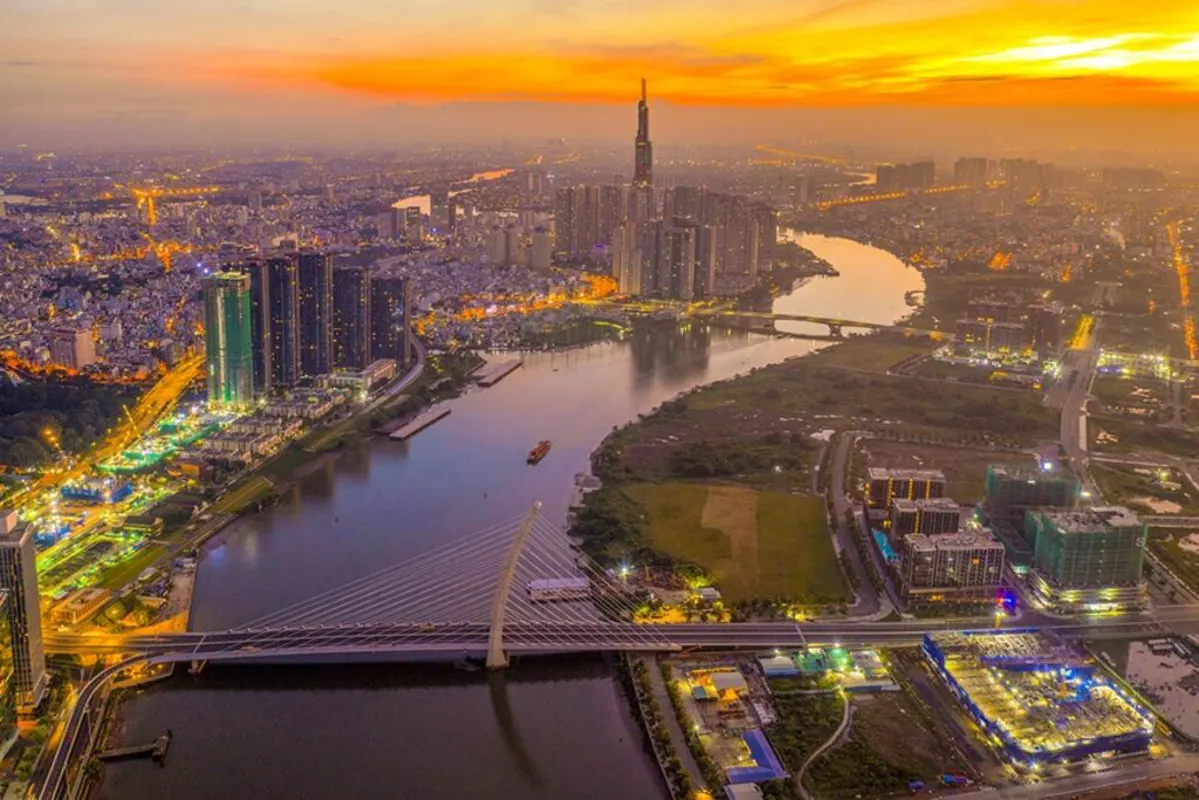
Ho Chi Minh City's markets serve as more than just commercial centers; they are integral to the daily rhythm and social fabric of the community. For visitors seeking to understand local life and acquire distinctive goods, exploring these trading hubs offers a direct insight into Vietnamese culture. From sprawling wholesale operations to specialized night markets, each location presents a unique atmosphere and a variety of products, ranging from fresh ingredients to traditional crafts and contemporary fashion.
These markets provide opportunities to engage with local vendors, sample regional culinary delights, and observe the dynamic flow of commerce. Whether you are searching for a specific item or simply wish to absorb the local ambiance, Ho Chi Minh City's markets are key destinations for an authentic experience.
Key Markets in Ho Chi Minh City
Ho Chi Minh City hosts numerous markets, each with its own character and specialties. Below is a detailed overview of prominent markets, including their operating hours, addresses, and typical offerings. Please note that operating hours and specific offerings can change, so it is advisable to verify details locally upon arrival.
| Market Name | Address | Operating Hours | Primary Offerings | Notes on Pricing/Experience |
|---|---|---|---|---|
| Ben Thanh Market | Le Loi, Ben Thanh, Quan 1, Ho Chi Minh | Night Market: 18:00 – 24:00 daily (Daytime activity for fresh produce) | Handicrafts, branded goods, Vietnamese art, souvenirs, street food (seafood, noodles, hotpot), coffee, lacquerware, conical hats, jewelry, dried specialties. | Bargaining is expected. Visitors should be mindful of personal belongings. |
| Binh Tay Market (Cholon Market) | 57 Thap Muoi, District 6, Ho Chi Minh City | Daily 07:00 – 18:00 | Handicrafts, lacquerware, textiles, fresh produce (Chinese influence), Vietnamese and Chinese food (noodles, dumplings, wonton, duck noodles). | Located in Chinatown; offers cultural and historical significance. |
| Ho Thi Ky Flower Market | 52 Alley, Ho Thi Ky Street, Ward 1, District 10, Ho Chi Minh City | All day; most active 00:00 – 3:00 | Fresh flowers (chrysanthemum, marigold, rose, orchid, sunflower from various regions and countries), Cambodian specialties. | Known for its peaceful and romantic atmosphere, especially in early morning. |
| Russian Market | 328 Vo Van Kiet Street, Co Giang Ward, District 1, Ho Chi Minh City | 9:00 – 20:00 | Russian clothing (winter jackets, boots, sweaters), food (chocolates, sunflower seeds, canned goods, dumplings), souvenirs (Matryoshka dolls). | Specializes in imported Russian goods, popular for winter wear. |
| An Dong Market | An Duong Vuong Street, District 5, Ho Chi Minh City | 5:30 – 20:00 | Textiles, clothing (latest fashion trends, often cheaper), woodwork, lacquerware, knitwear, gemstone jewelry (amethyst, jade), food stalls. | Considered a major clothing market, with a wide array of fabrics. |
| Dan Sinh Market (War Surplus Market) | 104 Yersin, District 1, Ho Chi Minh City | 7:00 – 18:00 | War surplus, camping items, industrial electrical appliances, military memorabilia (hats, boots), hardware, tools. | Prices can vary significantly; offers both genuine and replica items. |
| Ba Chieu Market | Bach Dang Street, Ward 1, Binh Thanh District, Ho Chi Minh City | 24 hours a day | Clothes, shoes, fruits, food, fresh produce, jewelry, bags. | One of the city's oldest retail markets, active day and night. |
| Hanh Thong Tay Market | 10/2 Quang Trung Street, District Go Vap | 6:00 – 23:00 | Inexpensive clothes, accessories, phone gear, local snacks, home goods. | Popular night market, especially among students, known for low prices. |
| Tan Dinh Market | 48 Ma Lo Street, Tan Dinh Ward, District 1, Ho Chi Minh City | 05:00 – 17:00 | Groceries, clothing, footwear, fruits, textiles (specializes in Ao Dai fabrics), accessories, household items. | Features French-style architecture; known for quality products. |
| Ba Hoa Market | Tran Mai Ninh, Ward 11, Tan Binh district | 2:00 – 20:00 | Quang Nam food specialties (crispy dry pancakes, thuẫn cakes), black sugar, cu nen, Ly Son Island garlic, dried potatoes, fish sauce. | A gathering place for those from Central Vietnam, known for regional cuisine. |
| Minh Phung Market (Cay Go Night Market) | 122 Minh Phung, District 6 | 18:00 – 6:00 | Clothing, designer replicas, handbags, jewelry, children’s clothes, home furnishings, traditional cuisine. | One of the city's notable night markets; vendors often offer fixed prices. |
| Thu Duc Market | 1 Vo Van Ngan, Thu Duc district | 5:00 – 19:00 | Wholesale agricultural products from southern provinces, clothes, food, household items. | Considered a major wholesale market with high volumes of goods. |
| Kim Bien Market | Van Tuong, Ward 13, District 5 | 6:00 – 21:00 | Accessories (beauty, hair jewelry, glasses, phone cases, sunglasses, bags, teddy bears), souvenirs, chemicals. | Originally for foreign currency exchange, now known for inexpensive accessories. |
What to Purchase at Ho Chi Minh City Markets
Markets in Ho Chi Minh City offer a broad spectrum of items, catering to both daily needs and tourist interests. At locations like Ben Thanh Market, visitors can find unique purchases such as traditional Vietnamese handicrafts, intricate lacquerware, and locally produced silk. Apparel, including the elegant Ao Dai and casual elephant print pants, is widely available. For those interested in local flavors, Vietnamese coffee, dried fruits, and regional candies are popular choices.
Specialized markets like the Russian Market provide a different selection, focusing on imported goods such as winter clothing and Russian food items. An Dong Market is renowned for its vast array of textiles and fashion, while Ba Hoa Market is the go-to for culinary specialties from the Quang Nam region. When considering purchases, it's helpful to have an idea of typical prices, though these can fluctuate. For example, T-shirts at Ben Thanh Market might range from 100,000 to 160,000 VND, while a traditional Ao Dai could be between 250,000 and 500,000 VND. Silk often sells for 120,000 to 150,000 VND per meter.
Practical Advice for Visiting Markets
To make the most of your market experience in Ho Chi Minh City, a few practical considerations are beneficial. Firstly, managing finances is crucial. While some larger stalls may accept cards, cash is the primary method of payment, especially at smaller vendors and street food stalls. It is wise to carry smaller denominations of Vietnamese Dong.
Bargaining is a common practice in many markets, particularly those catering to tourists like Ben Thanh. Vendors often expect negotiation, and a friendly approach can lead to a more favorable price. However, be aware that some markets, such as Minh Phung, are known for fixed prices. Additionally, maintaining awareness of your surroundings is important, as crowded areas can sometimes attract pickpockets. Keeping valuables secure and close to your body is a sensible precaution. Visiting markets during off-peak hours can offer a more relaxed experience, though some markets, like Ho Thi Ky Flower Market, are best visited in the early morning for their full activity.
Culinary Exploration at Local Markets
Ho Chi Minh City's markets are exceptional places to sample authentic Vietnamese street food and local delicacies. Ben Thanh Market, for instance, transforms into a lively night food hub where visitors can enjoy fresh seafood, various noodle dishes, and hotpot until late hours. Binh Tay Market, situated in the city's Chinatown, offers a taste of both Vietnamese and Chinese culinary traditions, with options like dumplings, wontons, and duck noodles readily available.
Beyond the main dishes, many markets feature stalls selling refreshments, sweetened dried fruits, and traditional snacks. Ba Hoa Market stands out for its regional Quang Nam specialties, including crispy dry pancakes and thuẫn cakes, which are often prepared fresh on-site. Exploring the food sections of these markets provides an opportunity to savor diverse flavors and observe the preparation of local dishes, offering a genuine culinary journey.
Frequently Asked Questions
What are the best times to visit Ho Chi Minh City markets?
Visiting times vary by market. For flower markets like Ho Thi Ky, the early morning (00:00 – 3:00) is when they are most active. Daytime markets typically operate from early morning until late afternoon (e.g., Binh Tay, Tan Dinh). Night markets, such as Ben Thanh's evening section or Minh Phung, come alive after 6:00 PM. Checking specific market hours is always recommended.
Is bargaining expected at all markets in Ho Chi Minh City?
Bargaining is a common practice in many Ho Chi Minh City markets, especially those frequented by tourists like Ben Thanh Market. However, some markets or specific stalls, particularly those with clearly marked prices or in more local-focused areas like Minh Phung Market, may have fixed prices. It is generally acceptable to politely negotiate for a better deal.
What types of products can I expect to find?
You can find a vast array of products. This includes fresh produce, meat, and seafood; textiles, clothing, and accessories; handicrafts, souvenirs, and art; household items; and a wide selection of street food and local delicacies. Specialized markets also offer unique items, such as Russian goods at the Russian Market or war memorabilia at Dan Sinh Market.
Are Ho Chi Minh City markets safe for tourists?
Generally, markets are safe, but like any crowded public space, it is important to be aware of your surroundings. Pickpocketing can occur, particularly in busy areas like Ben Thanh Market. It is advisable to keep valuables secure, carry only necessary cash, and be mindful of your personal belongings.
Do markets offer vegetarian or vegan food options?
While many street food stalls focus on meat and seafood, it is often possible to find vegetarian or vegan options, especially at stalls offering noodle soups (pho, hu tieu) where you can request them without meat, or at fresh fruit and vegetable stalls. Look for dishes like fresh spring rolls (goi cuon) or various rice dishes that can be customized. Ho Chi Minh City also has dedicated vegetarian eateries outside of the main markets.








