
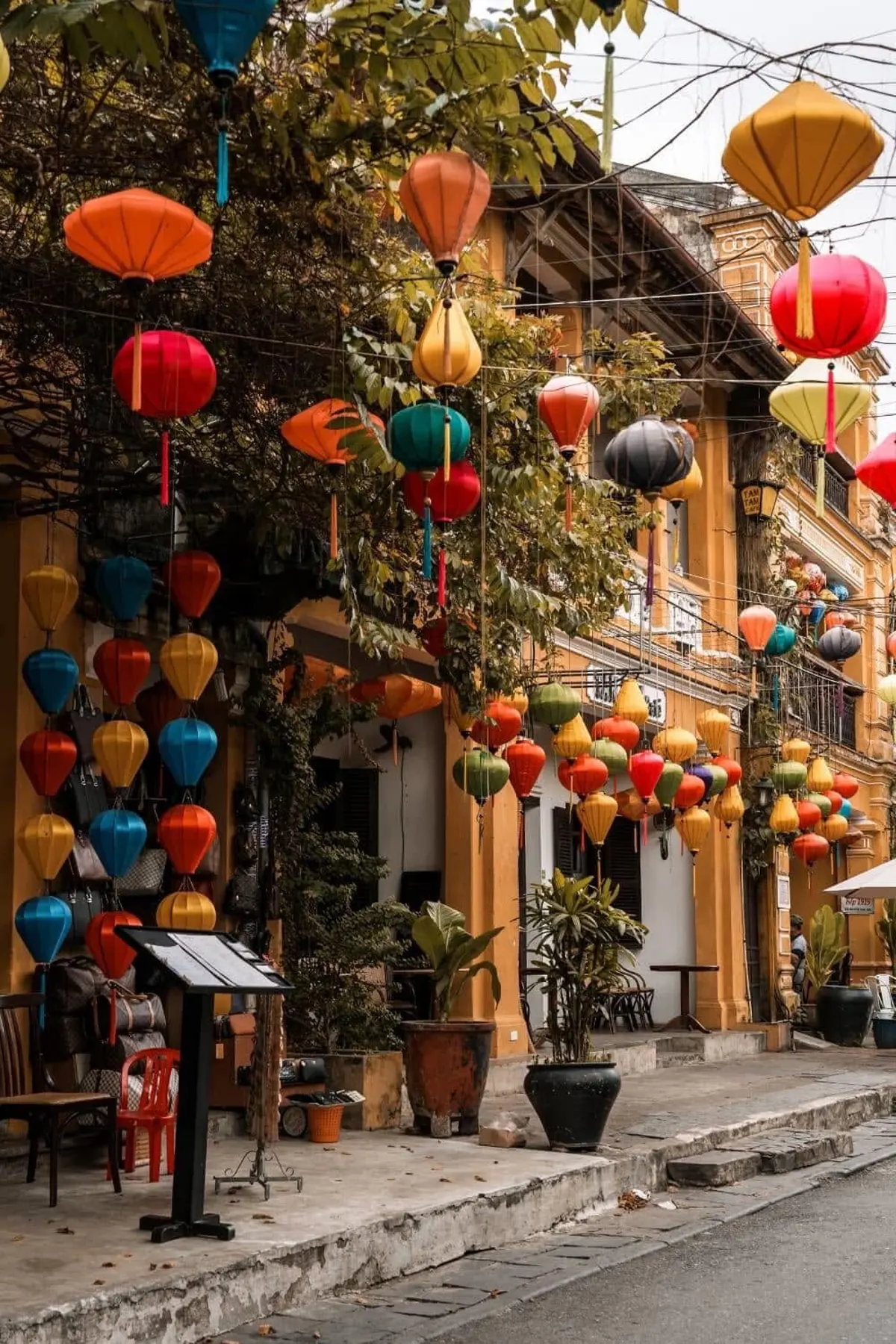
Hoi An, a UNESCO World Cultural Heritage site, is widely celebrated for its historical architecture and scenic beauty. Beyond its visual charm, the ancient town has gained increasing recognition for its rich culinary heritage, offering visitors a unique insight into Central Vietnamese flavors. To truly experience Hoi An, sampling its distinctive local dishes provides an essential connection to its culture and history.
Hoi An's Culinary Identity
The fascinating past of Hoi An as a significant trading port is evident not only in its preserved buildings but also profoundly reflected in its gastronomy. Historically, the town served as a crossroads for merchants from various parts of the world, leading to a diverse culinary landscape. This environment introduced influences from Chinese, Japanese, and Western cuisines, among others, which have been skillfully integrated into local recipes over centuries.
Beyond historical trade routes, Hoi An's geographical position contributes significantly to its unique food offerings. While some dishes are regional variations of national favorites, others are specifically associated with the Quảng Nam province of Central Vietnam. A distinct category comprises creations exclusive to Hoi An, often incorporating ingredients sourced only from the immediate vicinity. For instance, many local specialties feature fresh greens cultivated in the nearby Tra Que Vegetable Village, lending a particular freshness and authenticity to the dishes. This blend of historical influences, regional variations, and hyper-local ingredients has garnered international acclaim for Hoi An's food scene. Prominent travel authorities have acknowledged its status: Lonely Planet described Hoi An as a "global food paradise," TripAdvisor ranked it among the "Top 25 best culinary destinations in the world," and the World Association of Chefs recognized it as Vietnam's food capital. For those who view food as an integral part of cultural exploration, engaging in a culinary tour or cooking workshop offers a deeper understanding of these traditions.
Signature Dishes of Hoi An
Hoi An's culinary scene boasts a collection of dishes that are either unique to the town or represent its distinct interpretation of broader Vietnamese cuisine. Each offers a glimpse into the region's flavors and history.
Cao Lầu (Pork Rice Noodles)
Considered the quintessential Hoi An dish, Cao Lầu is unique to this town and prepared using a closely guarded local recipe with specific ingredients. The name, meaning "high storey," is said to originate from the 17th century, when it was typically served to affluent diners on upper floors of establishments. The noodles themselves are a defining feature, reportedly made with mineral-rich water drawn from the ancient 10th-century Ba Le well, combined with wood ash from Melaleuca trees found on the nearby Cham islands. This process yields thick, firm noodles with a texture often compared to Japanese Udon. The dish is completed with slices of seasoned pork belly, reminiscent of Chinese char siu, fresh bean sprouts, local herbs, and crispy dry pancake pieces. A small amount of savory broth, a touch of chili, and a squeeze of lime are added just before serving, creating a harmonious blend of tastes and textures. For a broader understanding of similar dishes, consider exploring a comprehensive guide to Vietnamese noodle dishes.
Bánh ướt thịt nướng (Grilled Pork Spring Rolls)
This interactive dish often allows diners to assemble their own rolls. The central component is pork, marinated and grilled on lemongrass skewers over charcoal, known as ‘thịt nướng’. Once cooked, the tender meat is removed from the skewers and arranged with various raw ingredients, typically including fresh salad leaves, aromatic herbs, crisp cucumber, and tart star fruit. These components are then wrapped in soft, wet rice paper, or ‘bánh ướt’. The finished rolls are dipped into a rich sauce, commonly prepared from soybean paste, ground peanuts, sesame, fish sauce, and chili, delivering a delightful combination of smoky, fresh, and savory notes. This dish shares some preparation methods with Da Nang's special pork rolls, offering a regional comparison.
Mì Quảng (Quang Noodles)
Variations of this noodle dish, often described as a "soup-salad," are prevalent throughout the Quảng Nam province. Mì Quảng features flat, chewy rice noodles, frequently colored yellow with turmeric. These noodles form the base for an assortment of fresh ingredients and proteins, which can include pork, chicken, beef, shrimp, or quail eggs. A flavorful ladle of broth is added, distinct from a full soup, providing moisture without submerging the ingredients. The dish is garnished with crunchy rice crackers, fresh herbs, roasted peanuts, and chili, enhancing both its texture and flavor profile.
Bún thịt nướng (Grilled Pork over Vermicelli Rice Noodles)
Ideal for warmer days, this dish offers a satisfying yet light meal. It bears a resemblance to the bún chả found in Northern Vietnam, consisting of grilled pork slices, delicate rice vermicelli noodles, and a medley of fresh salad greens. A key difference in Hoi An's bún thịt nướng is the thicker, satay-style sauce that coats all the ingredients, rather than a separate dipping sauce. This makes it a convenient and flavorful option for a quick meal.
Cơm gà (Chicken Rice)
For those preferring rice over noodles, Cơm gà is a popular choice widely available across Hoi An. Some locals suggest that a visit to Hoi An is incomplete without trying its chicken rice. While similar to chicken rice dishes found in Singapore, Thailand, and Malaysia, and believed to have Hainanese origins brought by Chinese immigrants, the Hoi An version has distinct local characteristics. The chicken is typically shredded, and the accompanying fresh sides are uniquely Vietnamese. The fragrant yellow pilaf rice is cooked with chicken broth and turmeric, served alongside poached chicken, a selection of herbs, a small bowl of chicken soup, and a tangy papaya salad, creating a well-rounded meal.
Bánh xèo (Savoury Vietnamese Pancake)
This savory pancake, often enjoyed throughout Vietnam, captivates visitors with its interactive dining experience. Diners typically slice the crispy pancake, then wrap pieces with fresh herbs and greens in dry rice paper before dipping them into a flavorful sauce. The preparation and fillings of bánh xèo can vary significantly from one region to another, making it an interesting dish to sample in different locations.
Bánh Bao Bánh Vạc (‘White Rose’ Savoury Dumpling)
Exclusively found in Hoi An, these delicate steamed dumplings are known as "white rose" due to their resemblance to a blooming flower. The recipe for these unique dumplings is reportedly a closely guarded family secret, passed down through generations of the same family who have supplied them throughout Hoi An for years. Made from rice flour and the same special well water used for Cao Lầu noodles, the dumplings are filled with a mixture of minced pork, shrimp, and mushrooms, then topped with crispy fried spring onions and shallots for added texture and aroma.
Bánh mì (Vietnamese Baguette Sandwich)
Like many places in Vietnam, Hoi An offers this iconic baguette sandwich at numerous street stalls. While bánh mì is ubiquitous across the country, the late American chef and travel journalist Anthony Bourdain famously declared the versions served at Bánh Mì Phượng to be among the finest in Hoi An. This popular street food typically combines a crispy baguette with a variety of fillings, including pâté, various meats, fresh herbs, and pickled vegetables.
Bánh xoài (Mango Cake)
For a sweet conclusion to a meal, the chewy ‘mango’ cake is a delightful option. Despite its name, this dessert does not contain mango; its appellation refers to its shape. It is crafted from glutinous rice flour, filled with crushed peanuts and brown sugar, and often compared to Japanese mochi or Chinese tang yuan rice balls due to its soft, chewy consistency.
Where to Savor Hoi An's Specialties
To experience the authentic flavors of Hoi An, numerous local eateries and street vendors offer these traditional dishes. Below is a compilation of recommended establishments mentioned in local guides:
| Dish | Establishment | Address | Notes |
|---|---|---|---|
| Cao Lầu | Cao Lầu bà Bé | 1 Trần Phú, Cẩm Châu | |
| Cao Lầu | Quán Cao Lầu Thanh | 26 Thái Phiên, Phường Minh An | |
| Cao Lầu | Morning Glory Original | 106 Nguyễn Thái Học, Phường Minh An | |
| Cao Lầu | Ong Hai (Mr. Hai Restaurant) | 6A Trương Minh Lượng, Cẩm Châu | |
| Bánh ướt thịt nướng | Bale Well Restaurant | 51 Trần Hưng Đạo, Phường Minh An | |
| Bánh ướt thịt nướng | Sidewalk stalls next to Kazik Park | 13 Trần Phú, Cẩm Châu | Street food vendors |
| Bánh ướt thịt nướng | Bà Hường | 31 Tiểu La, Phường Minh An | |
| Mì Quảng | Mì Quảng Dì Hát | 81 Phan Chu Trinh, Phường Minh An | |
| Mì Quảng | Mì Quảng Ông Hai - Mr. Hai Noodles | 6A Trương Minh Lượng, Cẩm Châu | |
| Mì Quảng | Mì Quảng Hát | 4 Phan Chu Trinh, Phường Minh An | |
| Bún thịt nướng | Bún Thịt Nướng | 81 Trần Cao Vân, Phường Cẩm Phô | |
| Bún thịt nướng | Cô Bảy Hội An | 12 Trần Quang Khải | |
| Bún thịt nướng | Ty Ty Quán | 17/6 Hai Bà Trưng, Phường Minh An | |
| Cơm gà | Cơm Gà Bà Buội | 22 Phan Chu Trinh, Phường Minh An | |
| Cơm gà | Hoi An chicken rice | 47/2 Tran Hung Dao | |
| Bánh xèo | Bánh Xèo Cô Anh, Sông Hoài | 59/32, 18/8 Phường Minh An | |
| Bánh xèo | Bánh Xèo Minh Tú Chợ Hội An | Chợ ẩm thực, Old Town | Located in the food market |
| Bánh Bao Bánh Vạc | White Rose Restaurant | 533 Hai Bà Trưng, Phường Cẩm Phổ | Specializes in these dumplings |
| Bánh mì | Bánh Mì Phượng | 2B Phan Chu Trinh, Cẩm Châu | Praised by Anthony Bourdain |
| Bánh mì | Madam Khanh - The Banh Mi Queen | 115 Trần Cao Vân, Phường Minh An | |
| Bánh xoài | Street-vendor stalls close to the Japanese bridge | (No specific address provided) | Look for vendors near the Japanese Bridge |
Note: Specific operating hours, phone numbers, and current pricing for these establishments were not provided in the source material. Visitors are advised to verify details locally upon arrival.
Planning Your Culinary Exploration
Exploring Hoi An's food scene can be approached in several ways, from self-guided culinary adventures to structured tours. For those keen to delve deeper into the local food culture, booking a dedicated food tour offers an organized way to sample various specialties and learn about their origins from knowledgeable local guides. These tours often provide insights into preparation methods and ingredient sourcing that might be missed when exploring independently.
Alternatively, participating in a cooking class presents a hands-on opportunity to understand the nuances of Vietnamese cuisine. Many establishments in Hoi An offer classes where participants can learn to prepare traditional dishes, gaining practical skills and a greater appreciation for the local culinary artistry. Whether you choose a guided experience or prefer to create your own gastronomic itinerary, Hoi An's diverse offerings ensure a memorable experience for any food enthusiast. For a broader perspective on the town's appeal, consider reading about Hoi An's global recognition as a top destination.
Frequently Asked Questions
What makes Hoi An's cuisine distinct from other regions of Vietnam?
Hoi An's food is unique due to its historical role as a trading port, which introduced a blend of Chinese, Japanese, and Western culinary influences. Additionally, it incorporates specific local ingredients, such as fresh greens from Tra Que Vegetable Village and special well water for its noodles and dumplings, creating dishes found nowhere else.
Are there options for vegetarian travelers in Hoi An?
While many traditional dishes feature meat or seafood, Hoi An's culinary scene is evolving, and many restaurants and street food stalls can accommodate vegetarian preferences. It is advisable to communicate dietary needs clearly when ordering.
Which dish is considered the most iconic or "must-try" in Hoi An?
Cao Lầu is widely regarded as the most iconic dish unique to Hoi An. Its distinct noodles, specific ingredients, and historical significance make it a quintessential culinary experience for visitors.
Can I learn to cook Vietnamese food in Hoi An?
Yes, Hoi An is a popular destination for cooking classes. Many local businesses offer workshops where participants can learn to prepare several traditional Vietnamese dishes, often including a market visit to source fresh ingredients.
Is street food safe to eat in Hoi An?
Generally, street food in Hoi An is considered safe and is a significant part of the local dining experience. Visitors are often advised to choose stalls that are busy with local patrons, indicating freshness and popularity.








