
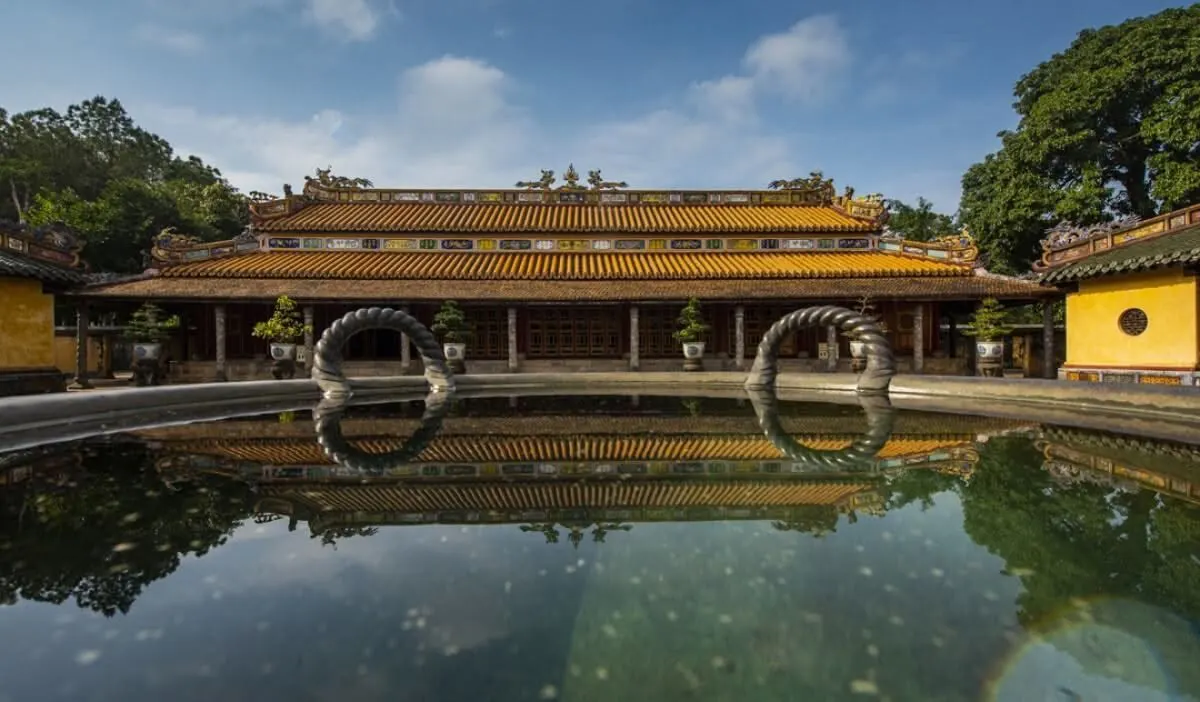
February presents a favorable time to visit Hue, Vietnam, characterized by more moderate temperatures and reduced precipitation. Travelers during this month can expect a pleasant environment for sightseeing and engaging with local culture, particularly due to the occurrence of the Lunar New Year (Tet) celebrations. Understanding the climatic conditions and available activities will help visitors plan an enriching experience in this historic city.
Understanding February Weather in Hue
The climate in Hue during February is generally considered cooler and more agreeable than many other times of the year. Average temperatures typically range between 17°C and 23°C. This period is notably the driest month for the region, with an average precipitation of approximately 56mm distributed over about 11 rainy days. Despite being the driest, visitors should still be prepared for occasional showers.
Sunshine is present, with the city experiencing around 151 hours of sun throughout February. Humidity levels average about 91%. While the days can be mild, mornings and evenings may feel quite cool, necessitating warmer clothing. The reduced rainfall and comfortable temperatures make February an appealing time for outdoor exploration, though beach activities might be less suitable due to the cooler conditions.
Key Attractions and Experiences in Hue
Hue offers a rich array of historical sites, natural landscapes, and culinary delights that are well-suited for exploration in February's milder weather. While specific operational details like addresses, phone numbers, or exact opening hours for many attractions are not consistently provided in the source material, visitors can generally plan to experience the following:
- Imperial Tombs: A visit to the ancient emperors' tombs is a primary activity in Hue. These sites offer insights into Vietnamese history and architectural styles from the 19th and 20th centuries, often incorporating elements of Buddhist legends. The Khai Dinh tomb is one such notable example.
- Perfume River Exploration: This prominent waterway is central to Hue's identity. The riverbanks feature a pleasant promenade, ideal for leisurely walks. For a closer perspective, visitors can consider renting a paddleboat during the day or taking an evening cruise to appreciate the scenery.
- Bach Ma National Park: Situated approximately 1,450 meters above sea level, Bach Ma National Park showcases diverse natural beauty. Expeditions into the park can reveal impressive waterfalls, well-maintained hiking paths, and the remnants of old French villas.
- Culinary Delights: Hue is renowned for its distinctive regional cuisine, often reflecting its royal heritage. Travelers can sample a variety of dishes, including Hue Beef Noodle Soup (Bún Bò Huế), Hue Lemongrass Skewers (Nem Lụi Huế), Clam Rice (Cơm Hến), Steamed Rice Cakes (Bánh Bèo), and Tapioca Dumplings (Bánh Lọc). Bánh Xèo, a savory pancake, is also a popular local specialty.
Cultural Celebrations: Tet Holiday in February
February frequently coincides with the Tet holiday, or Lunar New Year festival, which is the most significant annual celebration in Vietnam. This period offers a profound opportunity to engage with Vietnamese culture and traditions. The festivities typically commence at midnight on Tet eve with widespread fireworks displays across the city, marking the beginning of a week-long series of events and celebrations.
During Tet, Vietnamese families often prepare a wide array of traditional foods, including special royal dishes in Hue. Visitors present in the city during this time may have unique chances to taste these culinary creations. Making connections with local residents can sometimes lead to invitations to participate in family celebrations, offering an even deeper cultural understanding.
Practical Advice for Traveling to Hue in February
To ensure a comfortable and enjoyable trip to Hue in February, consider the following recommendations:
- Clothing: While daytime temperatures are moderate, evenings and early mornings can be cool. It is advisable to pack some warm layers in addition to lighter clothing suitable for the day.
- Rain Protection: Despite being the driest month, Hue still experiences an estimated 11 rainy days in February. Carrying an umbrella or a lightweight raincoat is recommended to stay dry during unexpected showers.
- Local Cuisine: Hue cuisine is known for its spicy flavors. If you prefer milder dishes, it is wise to inform your guide or restaurant staff about your preference.
- Activities Beyond Beaches: The cooler February weather is generally not ideal for beach activities such as swimming or sunbathing. Instead, consider alternative outdoor pursuits like cycling, trekking, camping, or other land-based sports to experience the region's natural beauty.
- Financial Management: For visitors managing their finances, numerous banking institutions are available throughout the city. A comprehensive guide to financial services in Hue City can provide useful information on local banks.
- Healthcare Preparedness: Understanding local medical options is important for any traveler. Information on healthcare facilities in Hue can help visitors prepare for any health-related needs during their stay.
Frequently Asked Questions
Is February a good month to visit Hue?
Yes, February is generally considered a favorable month to visit Hue. The weather is typically cooler and drier than other periods, with average temperatures between 17°C and 23°C, making it comfortable for sightseeing and outdoor activities. It also often coincides with the Tet holiday, offering unique cultural experiences.
What kind of clothing should I pack for Hue in February?
For a trip to Hue in February, it is advisable to pack a mix of clothing. Include some warm layers for cooler evenings and early mornings, as well as lighter attire for daytime exploration. Given the possibility of rain, a lightweight raincoat or umbrella is also recommended.
Are there any major festivals or events in Hue during February?
February is frequently the month of the Tet holiday, Vietnam's Lunar New Year. This is a significant cultural event marked by fireworks, traditional food, and various festivities that last for about a week. Visitors during this time can experience a deep dive into local traditions.
Can I enjoy beach activities in Hue during February?
While Hue has beaches, the weather in February is generally not suitable for typical beach activities like swimming or sunbathing due to the cooler temperatures. Travelers interested in water sports might find southern destinations in Vietnam more appropriate during this month. Instead, consider other outdoor activities such as cycling or trekking.
What are some must-try foods in Hue?
Hue is famous for its distinct cuisine. Some essential dishes to try include Hue Beef Noodle Soup (Bún Bò Huế), Hue Lemongrass Skewers (Nem Lụi Huế), Clam Rice (Cơm Hến), Steamed Rice Cakes (Bánh Bèo), Tapioca Dumplings (Bánh Lọc), and Bánh Xèo (savory pancakes). These dishes offer a taste of the city's culinary heritage.








