
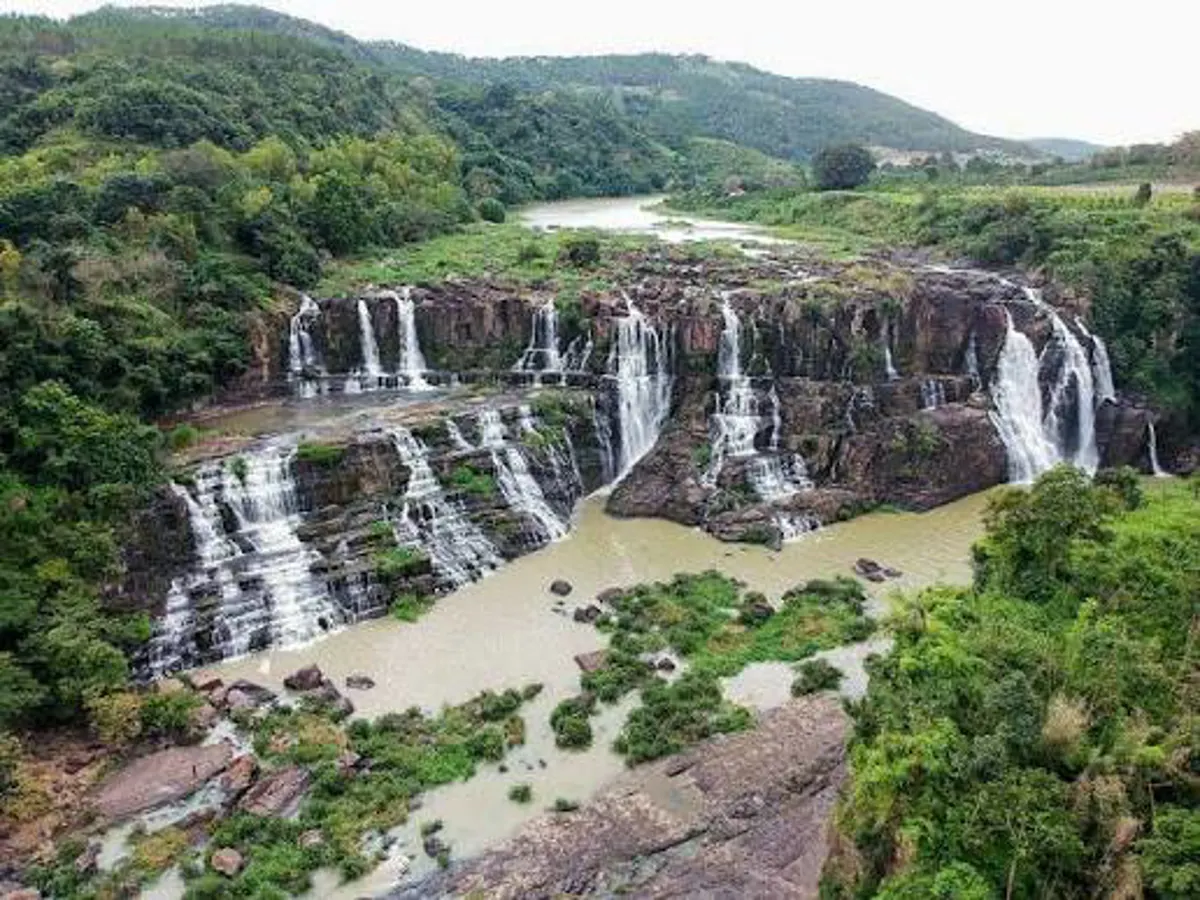
Many travelers wonder if Dalat merits a spot on their Vietnam itinerary. This city in the Central Highlands offers a refreshing contrast to other Vietnamese destinations, primarily due to its consistently temperate climate, distinctive architectural style, abundant natural landscapes, and a celebrated culinary tradition. These elements collectively contribute to Dalat's appeal as a destination for those seeking varied experiences.
Dalat's Temperate Climate and Ideal Visiting Seasons
One of Dalat's most distinguishing features is its pleasant weather, which remains comfortable throughout much of the year. Unlike the intense heat and humidity found in many parts of Southeast Asia, Dalat experiences average temperatures typically ranging from 16°C to 25°C. This consistent coolness allows for outdoor pursuits at almost any time.
The city generally has two main seasons: a dry period and a wet period, though the differences between them are not extreme. Sunshine hours usually hover around 10 per month, with humidity levels around 85%. The primary variation lies in rainfall. During the dry season, precipitation is minimal, often appearing as light drizzles. The wet season, however, sees significantly higher rainfall, sometimes reaching triple-digit figures. Visitors are generally advised to avoid September, as this month often marks the peak of the rainy season, which might limit certain activities. Outside of this period, the mild conditions support a wide array of activities, including sightseeing, hiking, cycling, and climbing.
Architectural Heritage and Unique Photo Locations
Dalat's historical character, shaped by its past as a French colonial resort area, is evident in its architectural landscape. Many structures from that era are still well-preserved and have become significant points of interest. These buildings offer a glimpse into a different period and provide distinctive backdrops for photography.
Notable examples of colonial architecture include the Dalat Train Station, Bao Dai Palace, Domaine de Marie, Dalat University, and the central Dalat Market. Exploring these sites in the cool mountain air can evoke a sense of being in an older European setting. Beyond these historical landmarks, Dalat also features numerous contemporary spots designed for striking photographs. These include themed cafes and natural settings like Kombi Land, Yen Cafe, Shadow Hill, Dreamers Homestay, and the distinctive yellow wall within Dalat Market. Many of these locations, often cafes or less formal sites, require minimal or no entry fee, making them accessible for travelers looking to capture memorable images for social media.
Outdoor Adventures and Natural Wonders
Beyond its architectural charm, Dalat is renowned for its natural surroundings, offering numerous opportunities for outdoor and adventure activities. The region's terrain is well-suited for those who enjoy exploring nature.
Popular activities include walks to Datanla Waterfalls, treks to Elephant Falls, and excursions to Pongour Falls. Other options involve visiting Lat Village, taking a cable car ride over Prenn Falls for aerial views, or spending time at the Valley of Love. Most of these outdoor experiences are readily available throughout the year, especially during the dry season, and are generally budget-friendly. Engaging in these activities allows visitors to connect with the natural environment and enjoy recreational time with companions, providing a refreshing break from urban life. For those interested in managing their travel funds, understanding local financial services can be helpful; information on banking facilities in Dalat is readily available.
Dalat's Culinary Scene: Street Food Highlights
A compelling reason to visit Dalat is its celebrated street food. The city's favorable climate supports the cultivation of various agricultural products, which form the basis for many local dishes. The culinary offerings, particularly the street food, are highly regarded by visitors.
Travelers to Dalat have the opportunity to sample a range of traditional Vietnamese dishes. These often include Banh Mi Xiu Mai (Vietnamese baguette served with a meatball soup), Banh Canh (a type of noodle soup), Bun Bo (beef rice noodle soup), and Banh Uot Long Ga (wet rice cake with boiled chicken). Many restaurants across the city serve these local specialties. Dining on street food also provides insight into Dalat's local culture, with many establishments offering sidewalk seating where patrons can observe daily life while enjoying their meals. Street food in Dalat is known for being affordable; a budget of approximately $50 can typically cover three to four substantial meals for two to three people. For those looking to bring a piece of Vietnam home, exploring local markets for unique food products and essential souvenirs is also a rewarding experience.
Recommended Eateries for Dalat Street Food
s>| Dish | Recommended Restaurants | Notes |
|---|---|---|
| Banh Uot Long Ga | Trang restaurant, Long restaurant, Hang 68 restaurant | Wet rice cake with boiled chicken |
| Banh Can | Le restaurant, Nha Chung restaurant, Doc Nha Lang restaurant | Noodle soup variety |
| Banh Mi Xiu Mai | Co Suong restaurant | Vietnamese baguette with meatball soup |
| Bun Bo | Vy Vy restaurant, Ben Ngu restaurant, Xuan An restaurant | Beef rice noodle soup |
Planning Your Trip to Dalat
Dalat caters to a wide range of travelers, from those seeking a relaxed escape in a cooler climate to adventurers looking for outdoor activities, and food enthusiasts eager to explore local flavors. Its distinct atmosphere, a blend of historical charm and natural beauty, makes it a unique destination within Vietnam.
The city offers experiences that can be tailored to various budgets, often allowing for a dynamic yet affordable vacation. Whether your interest lies in exploring French colonial architecture, trekking through waterfalls, or savoring authentic Vietnamese street food, Dalat provides a diverse itinerary. Considering these aspects, many find Dalat to be a worthwhile addition to their travel plans.
Frequently Asked Questions
What is the best time of year to visit Dalat?
The best time to visit Dalat is generally during the dry season, from November to April, when rainfall is minimal and temperatures are consistently mild. It is advisable to avoid September, which typically sees the heaviest rainfall.
What types of activities are available in Dalat?
Dalat offers a variety of activities, including exploring French colonial architecture, visiting natural attractions like waterfalls and lakes, engaging in outdoor adventures such as hiking and cycling, and experiencing the local street food scene. Many locations also serve as popular spots for photography.
Is Dalat suitable for budget travelers?
Yes, Dalat can be a very budget-friendly destination. Many attractions, including natural sites and architectural landmarks, have low or no entry fees. Street food is also notably affordable, allowing travelers to enjoy diverse meals without significant expense.
What kind of food should I try in Dalat?
Key street food dishes to try in Dalat include Banh Mi Xiu Mai (baguette with meatball soup), Banh Canh (noodle soup), Bun Bo (beef rice noodle soup), and Banh Uot Long Ga (wet rice cake with boiled chicken). The city's cool climate also makes hot dishes particularly appealing.
How does Dalat's climate compare to other Vietnamese cities?
Dalat's climate is significantly cooler and more temperate than most other major Vietnamese cities, which are typically warmer and more humid. Its elevation in the Central Highlands contributes to its 'eternal spring' reputation, offering a refreshing change from the tropical heat.








