
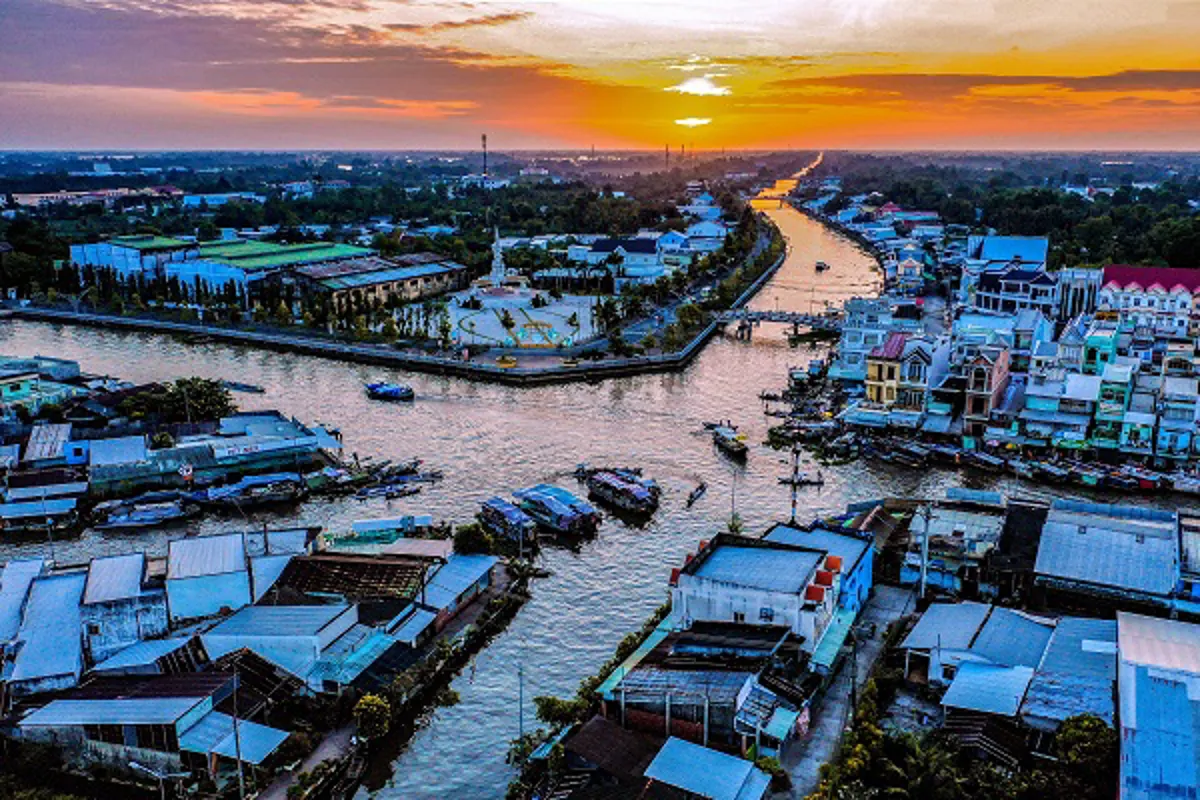
For those interested in the historical narratives of a new destination, the Khmer Museum stands as a significant cultural institution in Soc Trang Province, located within Vietnam's Mekong Delta. This museum showcases numerous valuable artifacts, illustrating the cultural and spiritual existence of the Khmer ethnic community across generations. A visit here provides insights into traditional clothing, architectural models of homes and pagodas, and various musical instruments.
The museum serves as a central point for understanding the rich heritage of the Khmer people, whose presence has profoundly shaped the cultural landscape of Southern Vietnam. It offers a comprehensive overview of their societal structures, artistic expressions, and religious practices, making it an essential stop for anyone seeking a deeper connection with the region's diverse population.
Journeying to Soc Trang: Transport Options
Reaching the Khmer Museum first requires travel to Soc Trang Province. From Ho Chi Minh City, bus services to Soc Trang are readily available at the Mien Tay Bus Station, located at 395 Kinh Duong Vuong Street, An Lac Ward, Binh Tan District. Upon arrival in Soc Trang City, travelers can easily locate the central market, from which the Khmer Museum is approximately a two-minute walk. The museum is situated at 53 Ton Duc Thang Street, Ward 6, Long Phu Town, Soc Trang City, directly across from Kh’leang Pagoda.
An alternative method for reaching the Khmer Museum from Ho Chi Minh City involves booking a guided tour of the Mekong Delta. Such tours often include visits to the Khmer Museum alongside other notable attractions within Soc Trang Province, offering a broader exploration of the area's cultural and natural points of interest. This option can simplify logistics for travelers preferring an organized itinerary. For a more comprehensive overview of the province, consider reviewing a Soc Trang travel guide.
Inside the Khmer Museum: A Glimpse into Heritage
Established in 1938, the Khmer Museum is structured into two primary sections: the exhibition area, known as the Xamacum Assembly House, and the administrative offices. The museum houses a vast collection of precious artifacts, providing visitors with a detailed perspective on the spiritual and cultural dimensions of the Khmer community. This extensive display helps to illustrate the unique identity of the Khmer people within the broader context of Southern Vietnam.
Among the exhibits, visitors will find collections of black masks, traditional garments, various musical instruments, ceremonial sets, and ancient leaf books. These items collectively offer a deeper understanding of Khmer culture and explain its significant role in the demographic composition of Soc Trang Province. The museum's displays also include a dedicated section for hand tools, which sheds light on the agricultural practices of the Khmer people from past centuries. These tools not only demonstrate their economic life but also reflect the impressive craftsmanship of ancient artisans. The museum is considered a cultural highlight for the Khmer community, attracting up to 200,000 visitors annually.
The Enduring Legacy of the Khmer People
The Khmer community, with a population exceeding one million, is represented through two dedicated cultural museums in Southern Vietnam; one is located in Tra Vinh, and the other is in Soc Trang. This institution in Soc Trang specifically highlights the community's historical, cultural, and patriotic traditions, particularly during periods of national struggle for independence. After Vietnam regained its sovereignty, the population of Soc Trang Province comprised Kinh, Hoa, and Khmer ethnic groups.
Despite their long history of cohabitation in the same region, each group maintains distinct characteristics in terms of lifestyle, cultural practices, customs, artistic expressions, religious beliefs, and festivals. The Khmer community in Southern Vietnam is known for its tendency to reside in urban areas, often living alongside Kinh and Chinese populations. This close interaction has facilitated cultural exchange, contributing to the enrichment and evolution of their community's traditions. Travelers interested in the broader cultural landscape might also find value in exploring Ho Chi Minh City's museums.
Planning Your Visit: Essential Details
The Khmer Museum is a cornerstone for understanding the region's ethnic diversity. It is recommended to allocate sufficient time to explore the various exhibits thoroughly, especially the detailed displays of traditional tools and cultural artifacts. While the museum does not typically provide specific opening hours or admission fees in general travel information, visitors are advised to verify current operational details before their trip, as these can change.
The museum's location opposite Kh’leang Pagoda also provides an opportunity to visit another significant cultural site in the immediate vicinity. The area around the museum is generally accessible, making it convenient for visitors to combine their cultural exploration with a stroll through Soc Trang City. For those planning a broader trip that includes the Mekong Delta, consider a Southern Vietnam and Ancient Cambodia Temples tour which often features regional highlights.
Beyond the Museum: Discovering Soc Trang Province
Soc Trang Province offers a variety of attractions beyond the Khmer Museum, making it a worthwhile destination for extended exploration. These sites provide further opportunities to experience the local culture and natural environment.
- Nga Nam Floating Market: A traditional market where goods are traded from boats, offering a glimpse into Mekong Delta life.
- Bat Pagoda (Chua Doi): Known for its unique architecture and as a sanctuary for a large colony of fruit bats.
- Tan Long Stork Sanctuary: A natural reserve where thousands of storks and other birds gather, particularly during breeding seasons.
- Kh’leang Pagoda: An ancient Khmer temple located directly opposite the Khmer Museum, featuring traditional Khmer architectural styles.
- My Phuoc Island: A peaceful island offering fruit orchards and a serene rural atmosphere.
Additionally, historical records from Soc Trang Museum indicate that many artifacts similar to those displayed are still preserved throughout the province. For instance, Soc Do Pagoda is known to house ancient Buddhist scriptures meticulously carved onto palm leaves, showcasing a long tradition of preservation and religious scholarship. A Vietnam and Cambodia cultural journey can further extend your exploration of the region's rich heritage.
Frequently Asked Questions
What is the Khmer Museum in Soc Trang?
The Khmer Museum in Soc Trang is a cultural institution dedicated to preserving and showcasing the history, traditions, and spiritual life of the Khmer ethnic community in Vietnam's Mekong Delta. It features a wide array of artifacts, including traditional costumes, musical instruments, and agricultural tools.
How can I reach the Khmer Museum from Ho Chi Minh City?
From Ho Chi Minh City, you can take a bus from Mien Tay Bus Station (395 Kinh Duong Vuong Street, An Lac Ward, Binh Tan District) to Soc Trang Province. Once in Soc Trang City, the museum is a short walk from the central market, located at 53 Ton Duc Thang Street, Ward 6, Long Phu Town, Soc Trang City.
What types of artifacts are displayed at the museum?
The museum displays over 13,000 artifacts, including traditional Khmer costumes, black masks, musical instruments, ceremonial sets, ancient leaf books, models of houses and pagodas, and hand tools used for agricultural production. Over half of these items were donated by Khmer individuals.
Why is the Khmer Museum important for understanding local culture?
The Khmer Museum is crucial for understanding local culture because it provides a comprehensive look at the spiritual, cultural, and economic life of the Khmer community. It highlights their unique customs, artistic skills, and historical contributions, demonstrating their significant role within the diverse population of Soc Trang Province.
Are there other cultural sites to visit near the museum?
Yes, several other cultural sites are located near the Khmer Museum in Soc Trang. These include Kh’leang Pagoda, which is directly opposite the museum, as well as Bat Pagoda, Nga Nam Floating Market, Tan Long Stork Sanctuary, and My Phuoc Island, all offering further insights into the region's heritage and natural beauty.








