
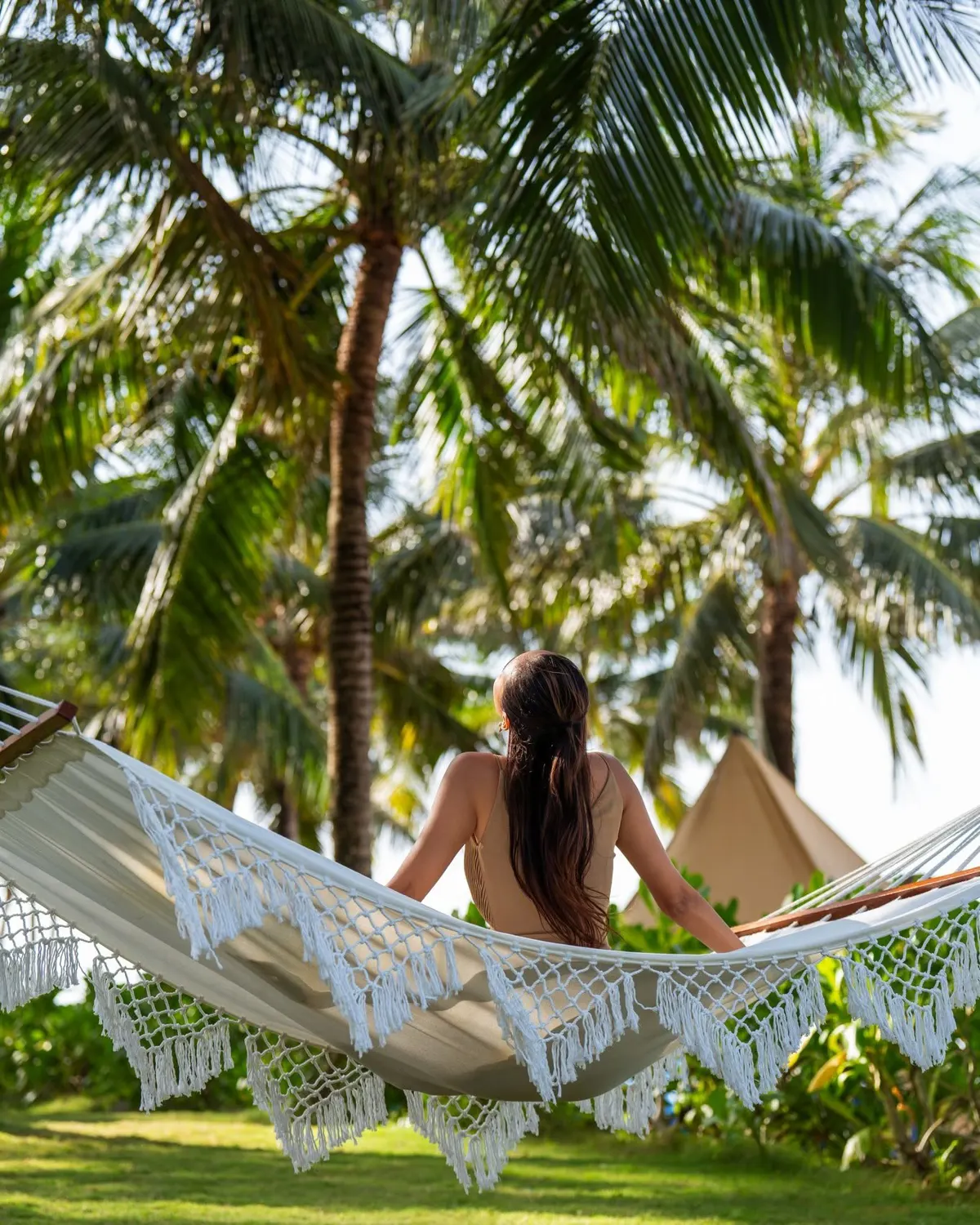
Phu Quoc Island, often recognized for its inviting beaches and striking sunsets, also presents a wealth of opportunities for those interested in natural environments and local culture. This Vietnamese island, along with the An Thới Archipelago, maintains much of its inherent character despite its growing appeal. From extensive protected forests and serene pagodas to diverse marine life and traditional pepper farms, there is a wide array of natural and cultural elements to experience.
Exploring Phu Quoc's Terrestrial Environments
The northern region of Phu Quoc Island is largely covered by dense forests, forming part of the Phu Quoc National Park. Within this protected area, four specific zones—Bai Thom, Cua Duong, Ham Ninh, and Ganh Dau—are designated for outdoor activities such as camping, observing local bird species, and walking trails. Each of these locations features pathways and unpaved routes suitable for exploration by bicycle or on foot.
The island's warm climate and geographical isolation contribute to a varied plant life, including palm bushland, open grasslands, and extensive mangrove forests. For an accessible walk through towering trees, the Ganh Dau trail is a popular choice, known for its ancient trees that offer appealing photographic subjects. Another gentle path leads to Suoi Tranh waterfall, where visitors can enjoy a refreshing dip in the water. For individuals seeking a more challenging trek with expansive ocean views, the Ham Ninh mountain trail provides an elevated perspective.
- Camping: Designated areas within the National Park offer opportunities for overnight stays amidst nature.
- Bird-Watching: The protected forests are home to various bird species, ideal for observation.
- Hiking: Trails range from flat, easy walks to more demanding mountain ascents.
- Biking: Dirt roads and trails provide routes for cycling through the natural landscape.
Underwater Worlds and Coastal Sands
The Kien Giang Biosphere Reserve, a site recognized by UNESCO, is considered a premier location for observing marine life in southern Vietnam. This area supports a rich biodiversity that attracts those interested in the aquatic environment. Near the National Park's shorelines, several engaging activities await, including visits to the Ganh Dau coral garden, the Ham Ninh rock garden, and the numerous islands of the An Thới Archipelago.
These marine locations are notable for their colorful offshore coral reefs, which are ideal for snorkeling, and host a variety of aquatic creatures. Near Rach Vem Village, a section of fine white sand, locally known as 'Starfish Beach,' allows visitors to observe numerous starfish in the clear, shallow turquoise waters. This area is also suitable for sunbathing and enjoying picnics under the cluster of palm trees that line the shore.
At specific times of the year, a natural phenomenon occurs where bioluminescent plankton can be observed in the shallower parts of Starfish Beach, along the southern stretch of Long Beach, and in the northern area of Dat Do Beach. This creates a distinctive glow in the water after sunset, offering a unique visual experience for those exploring Phu Quoc's marine environment.
Local Agriculture and Traditional Crafts
For many generations, farmers on Phu Quoc have utilized the island's fertile soil and favorable climate to cultivate high-quality crops. Among these, the island's aromatic and spicy peppercorns are particularly renowned. Visitors have the opportunity to tour these pepper farms, gaining insight into the cultivation and processing methods, and can purchase these distinctive ingredients to take home.
Honey production is another significant agricultural activity among Phu Quoc's farming communities. The Phu Quoc Bee Farm stands out as an excellent destination for those interested in this craft. Here, guests can sample various honey-infused coffees and sweets, and explore the grounds to learn about sustainable beekeeping practices. However, if there is one product most closely associated with Phu Quoc, it is fish sauce. The island has a long-standing reputation for producing premium fish sauce, which is not only a staple in Vietnamese cuisine but also exported internationally.
For those curious about the production process—from the initial anchovy fishing to the final bottling—a visit to the Red Boat Fish Sauce factory is recommended. Situated within a pleasant riverside garden, this factory offers tours that explain the creation of this highly regarded Vietnamese seasoning. Please note that specific addresses, phone numbers, and operating hours for these venues were not provided in the source material, and visitors should verify current details independently.
| Venue Name | Primary Offering | Key Details |
|---|---|---|
| Pepper Farms | Aromatic peppercorns | Tours available to learn about cultivation and processing. |
| Phu Quoc Bee Farm | Honey products, honey coffee, sweets | Educational tours on sustainable beekeeping. |
| Red Boat Fish Sauce factory | Premium fish sauce | Tours explaining the production process from anchovy to bottle. |
Island Life and Culinary Experiences
A visit to Phu Quoc often includes experiencing its traditional fishing villages and the fresh seafood they provide. Dương Đông seafood market is a central hub where the day's catch is prepared in numerous ways—grilled, boiled, steamed, and stir-fried—into a variety of delicious dishes, making it a popular spot for evening meals. During daylight hours, exploring one of the island's many fishing villages offers a glimpse into daily local life. Villages such as Cua Can, Rach Tram, and Ham Ninh are easily accessible by boat. Their docks are often adorned with brightly painted vessels, creating a scene reminiscent of a postcard.
Beyond the fishing villages, Phu Quoc's religious sites offer additional insight into the island's cultural fabric. The colorful Dinh Cau Pagoda is a significant location where sailors and fishermen traditionally offer prayers to the sea goddess before their voyages. Meanwhile, the Sung Hung Pagoda features notable murals depicting stories from Buddhist lore, providing a deeper understanding of local spiritual beliefs.
Given the abundance of fresh seafood, Phu Quoc's culinary experts have developed countless recipes to highlight these ingredients. During your trip, consider stopping at a bún kèn stall to sample a distinctive noodle dish with Cambodian origins. Its broth is typically made from dried fish, coconut milk, and a hint of curry powder. For a meal by the water, popular choices include cá sòng nướng (grilled Trachurus) or gỏi cá trích (raw herring salad). Other popular options include grilled oysters and echinus, often served with roasted shallots, peanuts, and green onion. Regardless of the seafood selection, visitors can expect it to be exceptionally fresh, reflecting Phu Quoc's culinary excellence.
Planning Your Nature-Focused Stay
For travelers seeking accommodation that harmonizes with the island's natural surroundings, Phu Quoc offers several unique options. The River Mouth Phu Quoc homestay provides stilt bungalows positioned over water, offering a direct connection to the aquatic environment. Alternatively, Sen Lodge accommodates guests in private treehouses, allowing for an elevated and secluded experience amidst the foliage. These types of accommodations align with a desire for eco-conscious lodging, providing a peaceful retreat after days of exploration.
When planning your visit, consider the activities that most appeal to your interest in nature. Whether it's hiking through the national park, snorkeling in marine reserves, or learning about local agriculture, Phu Quoc provides a variety of experiences. It is advisable to verify current operating hours and any potential entry requirements for specific sites, as this information was not available in the provided source material.
| Lodging Name | Type of Accommodation | Unique Feature |
|---|---|---|
| The River Mouth Phu Quoc homestay | Homestay | Stilt bungalows positioned over water. |
| Sen Lodge | Lodge | Private treehouses. |
Frequently Asked Questions
What kind of natural landscapes can I expect on Phu Quoc?
Phu Quoc features a diverse range of natural landscapes, including dense protected forests in its national park, extensive mangrove forests, grasslands, and palm bushland. The island also boasts white-sand beaches, coral reefs, and rock gardens along its coastlines.
Are there opportunities for hiking and exploring trails?
Yes, the Phu Quoc National Park offers several protected spots like Bai Thom, Cua Duong, Ham Ninh, and Ganh Dau, which have trails and dirt roads suitable for hiking and biking. Notable trails include the Ganh Dau trail for ancient trees and the Ham Ninh mountain trail for ocean views.
Where can I experience marine life on Phu Quoc?
The Kien Giang Biosphere Reserve is a UNESCO-protected area known for its marine biodiversity. Visitors can go snorkeling at the Ganh Dau coral garden, Ham Ninh rock garden, and around the islands of the An Thới Archipelago to observe colorful offshore reefs and various underwater creatures. Starfish Beach near Rach Vem Village is also a popular spot to see numerous starfish.
Can I learn about local industries and agriculture?
Absolutely. Phu Quoc is known for its pepper farms, where visitors can learn about cultivation and purchase products. The Phu Quoc Bee Farm offers insights into sustainable beekeeping and provides honey tastings. Additionally, the Red Boat Fish Sauce factory provides tours detailing the traditional process of making this renowned Vietnamese seasoning.
What are some unique local dishes to try on Phu Quoc?
Phu Quoc is famous for its fresh seafood. Local specialties include bún kèn, a noodle dish with a broth made from dried fish, coconut milk, and curry powder; cá sòng nướng (grilled Trachurus); and gỏi cá trích (raw herring salad). Grilled oysters and echinus, often served with roasted shallots, peanuts, and green onion, are also popular choices.








