Unlocking the North: Your Definitive Guide to Traveling from Hanoi to Ha Giang
For many intrepid travelers, the call of Vietnam's northern mountains culminates in the legendary Ha Giang Loop. This epic motorbike adventure, renowned for its breathtaking landscapes and vibrant ethnic cultures, begins in Ha Giang City. But before the winding roads and panoramic vistas, there's a crucial first step: the journey from Vietnam's bustling capital, Hanoi, to this remote northern gateway. Spanning approximately 300 kilometers, this transition from urban energy to tranquil, dramatic scenery requires careful planning. As your trusted travel partner, enjoyvietnamtravel.com is here to provide an in-depth, experience-backed guide to ensure your journey north is as smooth and enjoyable as the adventure that awaits.
The Call of the North: Why Ha Giang?
Ha Giang province isn't just a dot on the map; it's the primary entry point for one of Southeast Asia's most celebrated motorbike routes, the Ha Giang Loop. This mountainous region, situated to the north of Hanoi, draws countless visitors seeking rugged landscapes, challenging roads, and profound cultural experiences among the local communities. The journey from Hanoi typically involves a significant amount of travel time due to the terrain and distance, making your transport choice paramount.
When to Go: Timing Your Ha Giang Adventure
To fully appreciate Ha Giang's splendor, timing is key. The dry season, running from October to April, generally offers the most pleasant weather for the loop. During these months, you can expect cooler temperatures and less rainfall, resulting in clearer landscape views that stretch for miles. However, mountain weather can be unpredictable. Our own experience traveling in early February brought surprisingly rainy days and cold temperatures hovering around 15°C (59°F), underscoring the importance of being prepared for anything.
Navigating Your Way: Hanoi to Ha Giang Transportation Options
Connecting Vietnam's vibrant capital with its remote northern frontier, the 300-kilometer route offers several distinct transportation categories. These options cater to various preferences regarding comfort, cost, and convenience, typically spanning from budget-friendly local services to more personalized private transfers. Understanding each option is key to a smooth start to your adventure.
The Economical Choice: Local Seated Bus
One of the most budget-friendly choices is the Local Seated Bus. This option is characterized by its lower price point, generally ranging between VND 120,000 and VND 250,000. Passengers selecting this service should anticipate a more basic travel experience, often involving numerous stops and potentially less predictable schedules. While it offers significant savings, the journey may be longer and less comfortable compared to other alternatives, making it ideal for the most budget-conscious backpackers who prioritize cost over speed and comfort.
Elevated Comfort: Shared Minivans & 'Limousine Buses'
Beyond the local seated bus, shared minivan services, often referred to as 'limousine buses,' offer a noticeable upgrade in comfort. These services typically feature more spacious seating, air conditioning, and fewer stops, leading to a more streamlined and predictable journey. While specific price details vary, they generally represent a higher investment for greater convenience and a more relaxed travel experience. These are excellent mid-range options for travelers seeking a balance between cost and comfort, offering a quicker and more pleasant ride than standard local buses.
The Ultimate Convenience: Private Car Transfers
For those prioritizing maximum flexibility, privacy, and direct travel, a dedicated private car transfer is the premium choice. This option allows you to set your own schedule, make stops as desired, and travel in complete comfort. While it comes at a higher cost, it's particularly appealing for families, small groups, or individuals who value a seamless, personalized journey directly from their Hanoi accommodation to their Ha Giang destination. It ensures you arrive well-rested and ready for the adventure ahead.
Our Top Recommendation: The VIP Sleeper Bus Experience
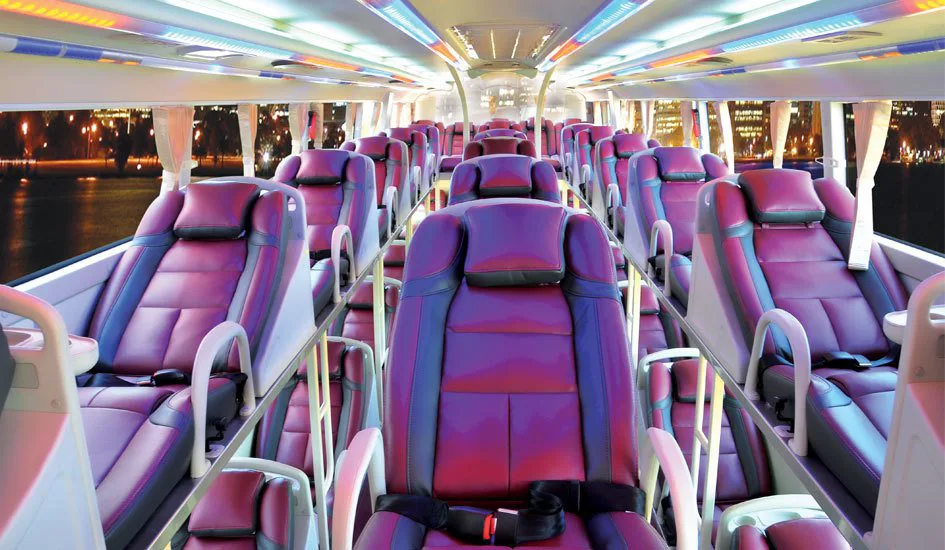
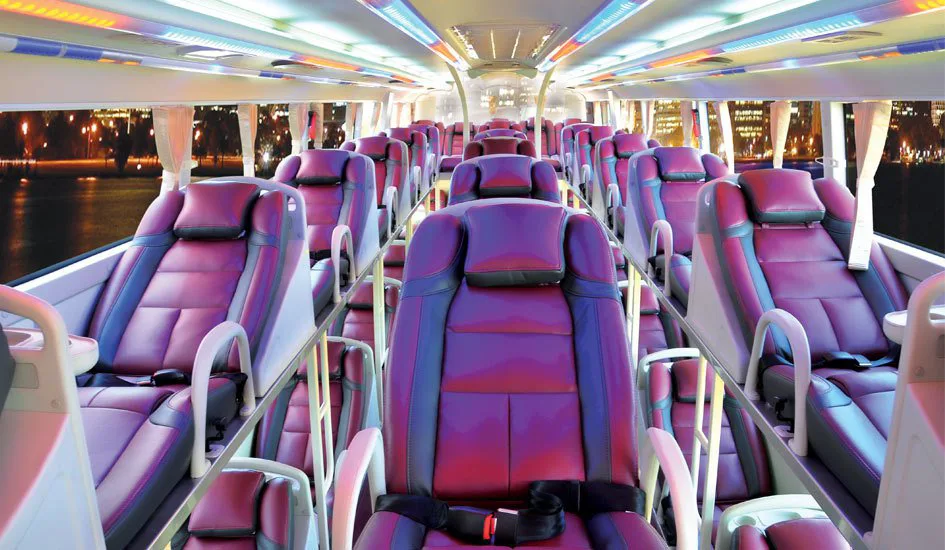
Based on our own travels and the experiences of countless adventurers, the VIP Sleeper Bus stands out as the most popular and often recommended option for the Hanoi to Ha Giang route. This overnight service offers an unparalleled blend of comfort and efficiency, allowing you to cover the 300km distance while you sleep and arrive refreshed in Ha Giang City early in the morning.
- Booking & Logistics: Many travelers, ourselves included, have found it incredibly convenient to book a VIP sleeper bus directly to Jasmine Hostel in Ha Giang City. This hostel is not only a popular starting point for the Ha Giang Loop but also highly recommended for its group coordination and overall service.
- Departure & Duration: Typically, these overnight buses check in around 9:30 PM and depart Hanoi at 10:00 PM. The direct driving distance from Hanoi to Ha Giang takes approximately 6 hours, meaning you'll arrive in Ha Giang City early in the morning, often around 4:00 AM - 5:00 AM.
- The Experience: Our VIP sleeper bus featured individual private cabins, each equipped with curtains for privacy, personal air conditioning, and interactive control buttons. The ride itself was remarkably smooth, allowing for a genuinely restful journey. While we did encounter an overbooking issue upon boarding, the bus crew swiftly resolved it by asking a local passenger to move, ensuring we (as foreign tourists, likely paying a premium rate) had our designated space. This demonstrated the service's commitment to accommodating international guests.
Preparing for the Ha Giang Loop: Beyond the Journey North
Arriving in Ha Giang is just the beginning. The real adventure, the Ha Giang Loop, requires its own set of preparations. Here's what you need to know to make the most of your time in the mountains.
Booking Your Adventure: Jasmine Hostel & Tour Logistics
As mentioned, ATT Asia Travel is a highly recommended hub for organizing your Ha Giang Loop tour. They excel at group coordination and offer comprehensive packages. The loop tour typically costs around €150 to €300 per person ($160 – $325 USD). This fee usually covers essential elements such as accommodation, meals, motorcycle rental, fuel, and the invaluable service fee for your tour guide or driver.
The Ha Giang Loop Itinerary: Routes & Distances
The full, immersive Ha Giang Loop experience stretches approximately 450 km over 4 days and 3 nights. For those on a tighter schedule, a shorter 3-day, 2-night alternative covering roughly 400 km is also available. The standard 4-day itinerary breakdown is:
- Day 1: Ha Giang City to Yen Minh (~95 km)
- Day 2: Yen Minh to Meo Vac (~120 km)
- Day 3: Meo Vac to Du Gia (~160 km)
- Day 4: Du Gia back to Ha Giang City (~108 km)
Easy Rider vs. Self-Drive: Safety First!
This is perhaps the most critical decision for your Ha Giang Loop experience. While the allure of riding solo is strong, safety should always be your top priority.
- The Easy Rider Option: For first-timers, going with an "Easy Rider" (sitting on the back of a professional local driver's bike) is highly recommended. This option eliminates the fear and stress of handling dangerous, winding mountain roads, allowing you to completely focus on the breathtaking scenery. It's the safest and often most rewarding way to experience the loop.
- Driving Independently: Motorbike accidents happen daily on the loop due to challenging terrain and varying road conditions. If you choose to ride solo, it is absolutely vital to have appropriate international driving permits (IDPs) and official Class A or A1 full motorcycle licenses. Rental agencies may instruct you on how to handle a semi-automatic bike and watch out for local police checkpoints, but without the proper documentation, you risk fines, bike confiscation, and most importantly, insurance invalidation in case of an accident. We encountered our first police check within 30 minutes of hitting the road outside Ha Giang town, underscoring the importance of being fully licensed.
A Note on Bikes: You'll find a significantly higher amount of semi-automatic motorbikes for rent in Vietnam compared to the typical automatic mopeds found elsewhere in Southeast Asia. Driving a semi-automatic requires getting used to shifting gears (foot pedals going from 1st gear down to 5th gear) without a hand-operated clutch lever. A quick test run up a nearby mountain pass is always a good idea before embarking on the full loop.
Essential Packing & Weather Wisdom
Given the unpredictable mountain weather, packing smart is crucial. It is strongly recommended to pack layers. Bring a hoodie, long-sleeve shirts, long pants, and gloves to combat unexpected mountain cold, alongside a few lighter tops and shorts for warmer days. A waterproof jacket is also a must-have, especially during the rainy season or if you encounter unexpected showers.
Practical Tips for a Smooth Journey
Undertaking a 300-kilometer journey in Vietnam requires some preparation to ensure a comfortable and efficient trip. Regardless of the chosen transport method, planning ahead can mitigate potential issues and enhance your overall experience.
- Book in Advance: Especially during peak travel seasons, booking your tickets for the Hanoi to Ha Giang leg in advance is advisable to secure your preferred departure time and seating.
- Packing Light: Packing light is often recommended for ease of movement, particularly if opting for local buses where luggage space might be limited. For the loop itself, you'll typically leave your main luggage at your hostel in Ha Giang City and take a smaller bag on the bike.
- Stay Hydrated & Fueled: Bringing snacks, water, and any necessary personal items will contribute to a more pleasant journey.
- Basic Vietnamese Phrases: Understanding a few basic Vietnamese phrases can assist with communication, although many travel providers catering to tourists will have English-speaking staff.
- Getting Around Hanoi (Pre-Ha Giang): If you plan to explore Hanoi before heading north, consider renting a motorbike. We rented a Honda Air Blade in Hanoi for 120,000 VND (~$5 USD) a day from a highly-rated local mechanic shop called "The Bike Doctor." Renting a bike in Hanoi is recommended over taxis to save money and avoid sweating while walking. Unlike generic thin cap helmets common across Southeast Asia, this shop provided solid, high-quality helmets.
- Police Checkpoints & Licensing: As highlighted, police checkpoints are common, especially around Ha Giang City. Always carry your International Driving Permit (IDP) and your home country's motorcycle license if you plan to self-drive. This is non-negotiable for a hassle-free and legal journey.
| Transport Type | Price Range (VND) | Typical Experience | Suited For |
|---|---|---|---|
| Local Seated Bus | 200,000 – 550,000 | Economical, Basic, Unpredictable, Many Stops | Budget-conscious backpackers, patient travelers |
| Mid-Range Shared Service ('Limousine Bus') | 300,000 – 500,000+ | Increased Comfort, Fixed Schedule, Fewer Stops, A/C | Comfort-seeking travelers, couples, small groups |
| VIP Sleeper Bus | 350,000 – 600,000+ | Overnight Travel, Private Cabins, Smooth Ride, Efficient | Most travelers, maximizing time, arriving refreshed |
| Private Transfer | 1,500,000 – 3,000,000+ | Direct, Flexible, Premium Comfort, Door-to-Door | Groups, families, convenience-focused individuals, luxury travelers |
Frequently Asked Questions
How far is Ha Giang from Hanoi?
The distance between Hanoi and Ha Giang is approximately 300 kilometers.
What is the most common way to get to Ha Giang?
Bus travel, particularly the overnight VIP sleeper bus, is widely considered the most common and recommended method for transportation between Hanoi and Ha Giang.
What is the cheapest travel option from Hanoi to Ha Giang?
The Local Seated Bus is identified as the most economical option for this route, with fares typically ranging from VND 120,000 to VND 250,000.
How many travel options are generally available for this route?
There are typically four main categories of travel options available for the journey from Hanoi to Ha Giang: Local Seated Bus, Mid-Range Shared Service (Limousine Bus), VIP Sleeper Bus, and Private Transfer.
What is the Ha Giang Loop?
The Ha Giang Loop is a renowned motorbike adventure route in northern Vietnam, famous for its stunning mountain passes, deep valleys, and ethnic minority villages, with Ha Giang city serving as its primary starting point and gateway.
What is a VIP sleeper bus like?
A VIP sleeper bus typically features individual private cabins with curtains, personal air conditioning, and comfortable beds, allowing passengers to sleep during the overnight journey. The ride is generally smooth, offering a comfortable and efficient way to travel long distances.
Is it safe to drive the Ha Giang Loop yourself?
While possible, driving the Ha Giang Loop independently carries significant risks due to challenging mountain roads and the frequency of accidents. It is crucial to have an appropriate International Driving Permit (IDP) and a valid motorcycle license (Class A or A1). For first-timers, the "Easy Rider" option (riding on the back of a professional local driver's bike) is highly recommended for safety and to fully enjoy the scenery.
What's the best time to visit Ha Giang?
The dry season, from October to April, is generally considered the best time to visit Ha Giang. This period offers cooler temperatures, less rainfall, and clearer views, ideal for exploring the loop.
Your Adventure Awaits
The journey from Hanoi to Ha Giang is more than just a transfer; it's the prelude to one of Vietnam's most unforgettable adventures. By choosing the right transportation and preparing wisely, you'll ensure a smooth transition from the urban buzz to the serene majesty of the northern mountains. Whether you opt for the comfort of a VIP sleeper bus or the flexibility of a private transfer, your Ha Giang Loop experience promises to be a highlight of your travels. Start planning your epic Vietnamese journey today with enjoyvietnamtravel.com, and let the mountains call you home.