
Ninh Binh, situated approximately two hours south of Vietnam's capital, Hanoi, offers a remarkable escape into a landscape characterized by towering limestone formations and historical depth. This region is recognized as a UNESCO World Heritage site, celebrated for both its natural splendor and its cultural significance. For travelers seeking to experience a substantial portion of its appeal within a single day, a well-structured itinerary allows for exploration of ancient dynastic grounds, serene waterways, and elevated viewpoints.
A day trip to Ninh Binh typically begins with an early departure from Hanoi, leading visitors to a series of distinct attractions. The journey provides an opportunity to witness Vietnam's countryside, transitioning from urban settings to rural vistas. Each stop on the itinerary contributes to a broader understanding of the area's geological features, its historical narrative, and the daily life of its inhabitants.
Exploring Vietnam's Ancient Capital at Hoa Lư
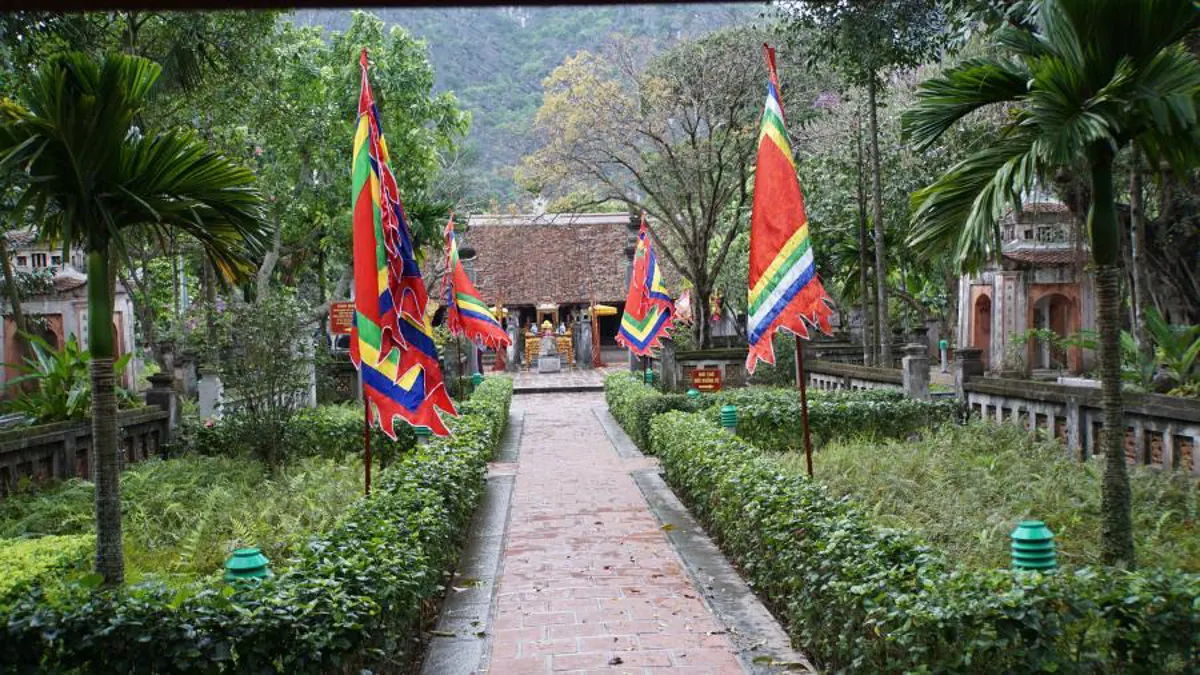
Your introduction to Ninh Binh's rich past commences at Hoa Lư, the site of Vietnam's first feudal dynasty. This historical area served as the nation's capital during the 10th and 11th centuries, a period marked by significant political events, including a notable assassination plot and the reigns of two distinct dynasties before the capital eventually relocated to Hanoi after 42 years.
Today, Hoa Lư is framed by natural defenses: imposing limestone karsts and expansive natural moats. Visitors can spend time walking through these historic grounds, observing the surviving temples, pagodas, and various artifacts that offer glimpses into a bygone era. Local guides often share insights into the site's complex history and provide context on regional traditions, enriching the experience of this centuries-old location.
Navigating the Waterways of Tràng An Scenic Landscape Complex
Following the historical exploration, the journey continues to the Tràng An Scenic Landscape Complex, a designated UNESCO World Heritage site renowned for its geological formations and ecological value. Here, guests board traditional rowboats for a tranquil passage through a network of rivers and caves. The experience involves gliding past impressive, jungle-clad limestone peaks that rise dramatically from the water.
During the boat tour, guides often recount tales of the people who inhabited these mountains in prehistoric times, alongside observations about contemporary farming practices in the area. The route frequently requires passengers to lower themselves as the boat passes through cool, dimly lit grottoes. Along the banks, visitors may observe peaceful pagodas and even a film set from 'Kong: Skull Island,' which can be explored on foot. For more details on navigating these unique waterways, consider reading our guide on Ninh Binh's boat ride routes.
Savoring Local Cuisine Near Tam Cốc
After emerging from the watery expanse of Tràng An, a short transfer typically leads to a lunch stop in the vicinity of Tam Cốc. This meal offers a chance to sample authentic regional dishes, providing a culinary insight into Ninh Binh. The local specialties often feature goat meatballs, a particular favorite in the area, alongside other Vietnamese staples.
A typical lunch might include fish cakes served on lemongrass skewers, stir-fried green vegetables, and steamed rice. These dishes are prepared with local ingredients, offering a fresh and flavorful experience. The dining setting often provides pleasant views of the surrounding countryside, allowing guests to relax and appreciate the natural environment while enjoying their meal.
Ascending to Bích Động Pagoda
Re-energized, the itinerary proceeds to the 15th-century Bích Động Pagoda. The approach to the pagoda is marked by a picturesque pathway that winds between lotus ponds, leading to the initial gate. From this point, the journey involves ascending a series of stairs carved into the mountainside to reach the higher tiers of the pagoda complex.
As visitors climb, they can absorb the serene atmosphere that pervades the site. Guides typically share information about the pagoda's historical background, detailing its construction and significance. It is a common practice for visitors to leave a coin from their home country as a symbolic offering. This site is a prime example of Vietnam's notable temples and pagodas, offering both spiritual reflection and historical insight.
Panoramic Views from Hang Múa Peak
The final significant stop on a day trip to Ninh Binh is Hang Múa Peak. Reaching the summit requires climbing approximately 500 steps, a challenging but rewarding endeavor. From the top, visitors are treated to expansive, sweeping panoramas of the Tam Cốc valley below, where the faint outlines of distant karsts extend towards the horizon.
This elevated vantage point is ideal for photography, capturing the unique geological formations of the region. Around the peak, statues representing Vietnam's four sacred animals can be found. After descending, a visit to the Hang Múa cave at the mountain's base offers a chance to cool down and enjoy an ice-cream. For those interested in exploring more elevated viewpoints, our guide on Ninh Binh hiking trails provides further options.
Key Attractions in Ninh Binh for a Day Trip
| Attraction | Key Features | Activities |
|---|---|---|
| Hoa Lư Ancient Capital | Historic seat of Vietnam's first feudal dynasty, surrounded by karsts and moats. | Explore temples, pagodas, and artifacts; learn about ancient history. |
| Tràng An Scenic Landscape Complex | UNESCO World Heritage site, dramatic limestone karsts, grottoes, rivers. | Rowboat tours, pass through caves, see pagodas and a film set. |
| Bích Động Pagoda | 15th-century pagoda complex built into a mountain, lotus ponds. | Hike up stairs, explore multiple pagoda tiers, enjoy peaceful atmosphere. |
| Hang Múa Peak | 500-step climb to a summit offering extensive views of Tam Cốc valley. | Panoramic photography, view sacred animal statues, visit Hang Múa cave. |
Planning Your Visit to Ninh Binh
Ninh Binh is well-suited for a day trip from Hanoi, offering a condensed yet comprehensive experience of its natural and cultural assets. Transportation from Hanoi is typically by car or tour bus, taking around two hours. It is advisable to start early to maximize daylight hours, especially if planning to undertake all the activities mentioned.
While the region can be explored independently, joining an organized tour often streamlines logistics, including transportation and guidance, allowing visitors to focus on the sights. The terrain at sites like Bích Động Pagoda and Hang Múa Peak involves significant walking and stair climbing, so comfortable footwear is recommended. Exploring regions like this is a highlight of North Vietnam's diverse offerings.
Frequently Asked Questions
How long does it take to travel from Hanoi to Ninh Binh?
Travel from Hanoi to Ninh Binh typically takes approximately two hours by road, depending on traffic conditions and the specific mode of transport chosen.
What is the main activity at Tràng An Scenic Landscape Complex?
The primary activity at Tràng An is a scenic rowboat tour, which navigates through rivers, past towering limestone karsts, and into various grottoes and caves, offering views of pagodas and natural landscapes.
Is hiking required for a day trip in Ninh Binh?
Yes, the suggested itinerary includes significant hiking. Visitors will climb stairs at Bích Động Pagoda and ascend approximately 500 steps to reach the summit of Hang Múa Peak, both offering rewarding views.
What local dishes are recommended to try in Ninh Binh?
Ninh Binh is known for its local specialties, particularly goat meatballs. Other dishes often include fish cakes on lemongrass skewers, stir-fried greens, and steamed rice, which are commonly served during lunch stops.
Is Ninh Binh suitable for all fitness levels?
Due to the stair climbing at Bích Động Pagoda and Hang Múa Peak, a moderate level of physical fitness is beneficial for fully enjoying all aspects of this itinerary. The boat tours at Tràng An are generally accessible to a wider range of visitors.








