
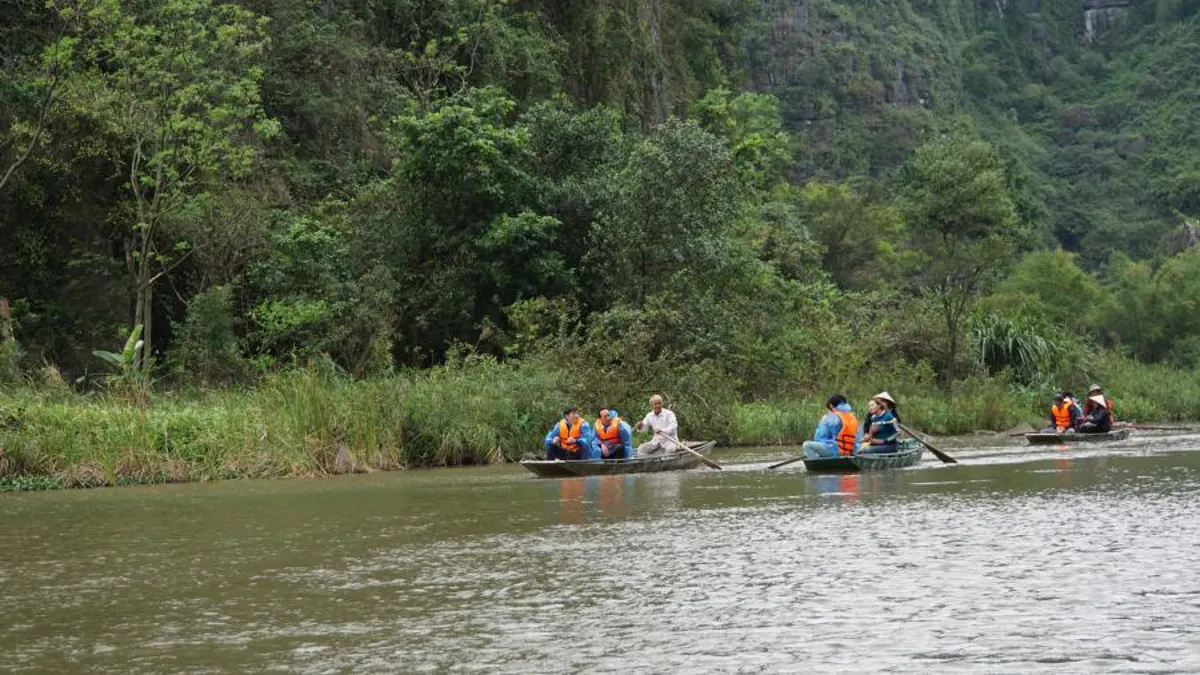
Visiting Ninh Binh in February means experiencing the region during its cooler, drier period, often coinciding with Vietnam's Lunar New Year (Tet) celebrations. Travelers can expect mild temperatures, making it comfortable for outdoor exploration of its natural landscapes and ancient sites. This month provides a distinct opportunity to observe local traditions and enjoy the area's cultural richness.
Ninh Binh is a destination that captivates visitors almost year-round with its natural splendor. Beyond its scenic beauty, the area holds significant historical importance, having served as the capital for three ancient feudal dynasties. Today, Ninh Binh maintains its traditional culture through numerous historical landmarks, ancestral villages, and annual festivals. This cultural depth makes February, particularly during the Lunar New Year, an especially appealing time to visit, allowing guests to appreciate both the natural environment and the distinctive local heritage.
February Climate Overview in Ninh Binh
The average temperature in Ninh Binh during February is approximately 22°C. Daily temperatures typically range from a low of 13°C to a high of 30°C around midday. Humidity levels are generally around 88%, with rainfall averaging only 29 mm for the month. February marks the concluding phase of winter, which typically commences in November, and is often considered the coldest part of this season.
For individuals accustomed to warmer climates, such as those from southern Vietnam or other tropical regions, these temperatures might feel quite cool, potentially influencing travel plans. However, this cooler weather presents an opportunity for different types of travel experiences. The reduced heat means less fatigue during extended periods of activity. Furthermore, the minimal rainfall in February is another advantage for those planning outdoor excursions.
Cultural Experiences During Lunar New Year (Tet)
February frequently aligns with the Lunar New Year, known as Tet, Vietnam's most significant holiday. During this period, Ninh Binh becomes a focal point for traditional customs and celebrations. Visitors have the chance to witness or participate in various activities that mark the arrival of the new year, offering a glimpse into local life and spiritual practices.
One of the most authentic ways to experience Tet is by choosing a local homestay. This accommodation option allows for a closer look at the daily routines of residents, providing insight into their lifestyle, culinary traditions, and other cultural aspects. During Tet, families clean and decorate their homes, acquire new furnishings, and prepare special festive dishes. It is a time for families, relatives, and close friends to gather, exchange greetings, and offer wishes for good health and prosperity in the coming year. Guests might even receive lucky money, a traditional gesture of good fortune, adding to a truly memorable experience.
Traditional Tet Cuisine
Food plays an integral role in any travel experience, and during the Tet holiday, its significance is heightened. Visitors should certainly sample the traditional dishes specifically prepared for this occasion. These foods are often crafted with great care and skill, resulting in distinct and delicious flavors.
Some examples of these special dishes include jellied meat, pickled small leeks, sticky rice cake (Banh Chung or Banh Tet), and meat stewed with eggs in coconut juice. Beyond their culinary appeal, these traditional foods are also central to ancestor worship, often arranged on a special five-fruit tray known as “Mam Ngu Qua.” Trying these local Tet specialties provides a deeper understanding of Vietnamese culinary heritage.
Recommended Activities for February Visitors
Ninh Binh is renowned not only for its natural beauty but also for its distinctive traditional culture. The region hosts numerous temples and pagodas, many of which are either well-preserved historical sites or impressive modern constructions. These spiritual locations offer a serene environment for cultural exploration.
During the Lunar New Year season in February, many temples organize annual festivals, creating a sacred setting for spiritual tourism. These temples are often historical landmarks, preserving significant cultural and historical values. They feature unique decorative patterns reflecting the fine arts of their respective periods and include elements such as lakes and gardens, contributing to their solemn and beautiful appearance. Suggested temples and pagodas to visit include Hoa Lu temples, Thai Vi temple, and Tran Temple. Exploring these sites provides a window into Vietnam's past and its enduring spiritual practices.
Exploring Local Crafts and Souvenirs
While visiting Ninh Binh, travelers may also find opportunities to observe local artisans and their traditional crafts. Though the source material does not specify particular craft villages within Ninh Binh, the general cultural focus during Tet suggests that local markets might offer unique handmade items. These could include textiles, ceramics, or other artisanal products that reflect the region's heritage. For those interested in acquiring mementos, exploring local shops can reveal authentic essential souvenirs and unique purchases from a trip to Vietnam.
Practical Advice for a February Trip to Ninh Binh
Given that February often coincides with the Tet holiday, a popular travel period for many Vietnamese families, Ninh Binh can become quite busy. Therefore, securing travel arrangements and accommodation well in advance is highly advisable. Early booking for flights, train tickets, hotels, or homestays helps ensure better pricing and availability at preferred locations.
Ninh Binh's winter climate is characterized by cool and dry conditions, typical of a humid subtropical region. It is important to pack warm clothing to remain comfortable and healthy throughout your journey. Additionally, the dry air can affect skin, so incorporating suitable moisturizing products into your daily skincare routine is recommended to prevent dryness or cracking. Preparing adequately for these conditions will contribute to a more enjoyable travel experience.
Frequently Asked Questions
Is February a good time to visit Ninh Binh?
February is generally considered a favorable time to visit Ninh Binh due to its cooler, drier weather, which is comfortable for sightseeing and outdoor activities. It also often coincides with the Lunar New Year (Tet) holiday, offering unique cultural experiences.
What is the typical weather in Ninh Binh during February?
In February, Ninh Binh experiences average temperatures around 22°C, with lows of 13°C and highs of 30°C. The month is relatively dry, with about 29 mm of rainfall, and humidity around 88%. It marks the end of winter, making it one of the cooler periods.
What kind of clothing should I pack for Ninh Binh in February?
Visitors should pack warm layers for February, as temperatures can be cool, especially in the mornings and evenings. Long-sleeved shirts, sweaters, light jackets, and trousers are recommended. Given the dry air, also consider bringing moisturizing skincare products.
Are there any special events in Ninh Binh in February?
February frequently hosts the Lunar New Year (Tet) celebrations, which include various traditional activities, family gatherings, and festivals at local temples and pagodas. This period offers a deep insight into Vietnamese culture and customs.
Should I book accommodation in advance for a February trip to Ninh Binh?
Yes, it is highly recommended to book accommodation and transportation well in advance for a February trip to Ninh Binh. The Tet holiday is a popular travel time, leading to increased demand and potentially higher prices or limited availability if not booked early.








