
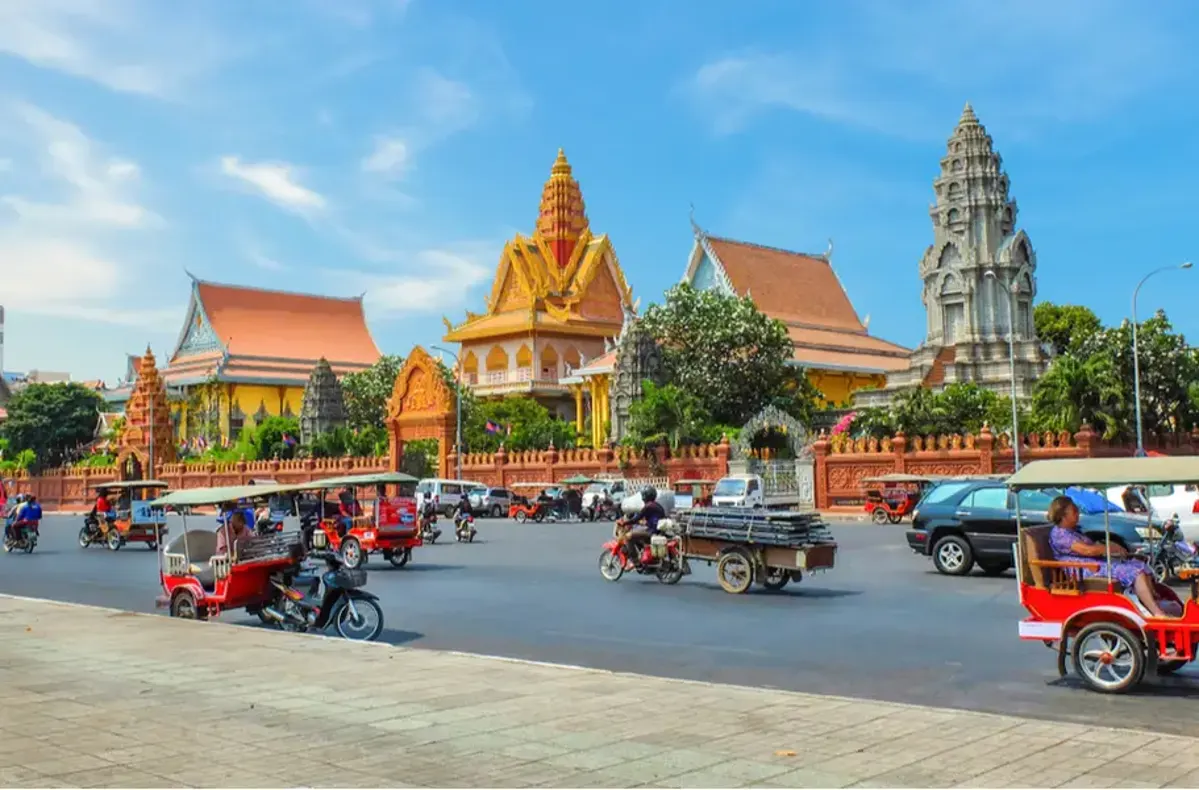
August in Phnom Penh falls within the city's wet season, bringing frequent rainfall and moderate temperatures. While some travelers might initially hesitate to visit during this period, understanding the typical weather patterns and preparing appropriately can facilitate a distinctive and rewarding experience in the Cambodian capital. This guide offers a comprehensive overview of what to expect from Phnom Penh's climate during August and provides practical advice for making the most of your journey.
Understanding August Weather in Phnom Penh
Phnom Penh consistently experiences a tropical climate, characterized by warmth and humidity throughout the year. August marks a significant period within the monsoon season, which is defined by elevated rainfall and a slight reduction in overall temperatures compared to the hotter, drier months. This time of year is often noted for its refreshing breezes and cooling downpours, which can offer a pleasant contrast to the intense heat prevalent at other times.
The capital typically records its most substantial rainfall totals during August. The average daily temperature hovers around 26°C, with minimal fluctuation, rarely dropping below 25°C or exceeding 27°C. Visitors should be prepared for approximately 187 millimeters of precipitation distributed across the 31 days of the month, indicating an average of 28 rainy days. This high frequency suggests a strong likelihood of encountering rain, often manifesting as sustained showers or afternoon thunderstorms. Cloud cover is also a dominant feature, with the sky remaining largely overcast for about 91 percent of the month. Despite the frequent rain, the region benefits from an average of 12 hours of daylight, offering considerable time for activities between periods of precipitation.
Advantages and Practical Considerations for August Travel
Visiting Phnom Penh in August presents a unique set of advantages alongside specific practical considerations. A notable benefit is the more temperate climate; the increased rainfall contributes to slightly cooler ambient temperatures, which can make exploring outdoor attractions more comfortable than during the peak dry season. The natural environment also undergoes a transformation, with the city and its surrounding landscapes appearing exceptionally lush and green. This verdant scenery can offer a fresh perspective on the region's natural beauty.
Furthermore, as August is typically part of the lower tourist season, visitors may find more favorable pricing for accommodations and tours compared to the busier periods. However, it is prudent for travelers to be aware of potential health issues; extended exposure to wet conditions can sometimes lead to minor ailments. Therefore, packing suitable warm clothing and essential cold medicines is a sensible precaution. Road conditions can also be affected by heavy rain, particularly unpaved routes which may become muddy and challenging to navigate. Even paved roads can develop puddles and slick surfaces, necessitating caution, especially for those planning to use bicycles or motorbikes. Equipping yourself with necessary tools and maintaining vigilance on the roads is advised.
Engaging Activities During Phnom Penh's Wet Season
Despite the frequent showers, August provides several engaging activities for visitors to Phnom Penh. River excursions are particularly appealing during this month, as the elevated water levels in the Mekong and Tonle Sap rivers facilitate smoother boat journeys and allow access to areas that might be less accessible during drier periods. Travelers can enjoy leisurely sightseeing cruises, observing local life along the riverbanks, including boats selling fresh produce and traditional fishing vessels. These tours often present opportunities to sample regional culinary specialties, such as the renowned dried snakehead fish, while enjoying the riverine scenery.
For those with an interest in cultural heritage, Phnom Penh's extensive collection of temples and historical sites, many reflecting Angkorian and Buddhist architectural influences, remain fully accessible. Exploring these significant landmarks on foot or by bicycle is entirely feasible, especially during the intermittent dry spells. The dramatic, often cloud-filled skies that emerge after a downpour can also create striking photographic backdrops, enhancing the visual impact of the city's iconic structures. Additionally, a tuk-tuk tour offers a practical and authentic way to traverse the city while staying sheltered from the rain, providing a chance to observe daily life and explore the diverse local cuisine. Consider visiting the Royal Palace or the Silver Pagoda, which offer indoor and sheltered areas for exploration.
Essential Preparation and Safety Guidelines
Thorough preparation for Phnom Penh's August weather is fundamental for a pleasant and trouble-free trip. Indispensable items include a lightweight, waterproof jacket or raincoat and a robust umbrella. Given the likelihood of wet conditions, packing minimal luggage and utilizing waterproof covers or bags for electronic devices is highly recommended to prevent damage. When participating in water-based activities like boat tours, prioritizing safety is paramount. It is crucial to wear a life jacket, especially if you are not a confident swimmer or if traveling independently. Many popular tourist locations, including floating markets, enforce the use of life jackets for all passengers boarding vessels.
Furthermore, the humid and wet environment can contribute to an increase in insects and mosquitoes. Travelers should carry effective insect repellent and consider wearing long-sleeved clothing and trousers, particularly in the evenings or when visiting garden areas, to minimize insect bites. While the city often adopts a more relaxed pace during the rainy season, it is always wise to maintain awareness of your surroundings, especially on potentially slippery roads. Embracing the slower rhythm of the city during this period can often lead to a more profound and authentic travel experience, allowing for moments of quiet reflection and appreciation for local life.
Frequently Asked Questions
Is August a suitable month for visiting Phnom Penh?
Yes, August can be a suitable time to visit Phnom Penh, particularly for travelers who appreciate cooler temperatures and the potential for reduced travel expenses. Although it falls within the peak of the rainy season, downpours are often brief, allowing ample time for sightseeing. The landscape is also at its most verdant and green during this period.
What are the typical temperatures in Phnom Penh during August?
In August, Phnom Penh experiences consistent average daily temperatures around 26°C. The temperature typically remains within a narrow range, seldom dropping below 25°C or rising above 27°C, offering a relatively mild and stable climate compared to other months.
How much rain should I anticipate in Phnom Penh in August?
August is one of Phnom Penh's wettest months, with an average precipitation of approximately 187 millimeters over the course of the month. Visitors should prepare for around 28 rainy days, indicating that rain is a frequent occurrence, often manifesting as afternoon thunderstorms or prolonged showers.
What kind of clothing should I pack for an August trip to Phnom Penh?
For an August trip, it is advisable to pack lightweight, quick-drying clothing suitable for warm and humid conditions. Essential items include a waterproof jacket or raincoat, a sturdy umbrella, and comfortable, water-resistant footwear. Long-sleeved shirts and trousers are also recommended for protection against insects, especially during evening hours.
Are river tours still available and enjoyable in August?
Yes, river tours are generally available and can be particularly enjoyable in August. The increased rainfall leads to higher water levels in the rivers, which can make boat excursions smoother and potentially allow access to more diverse routes. Many visitors find river cruises to be a pleasant and unique way to experience the city and its surrounding areas during the wet season.








