
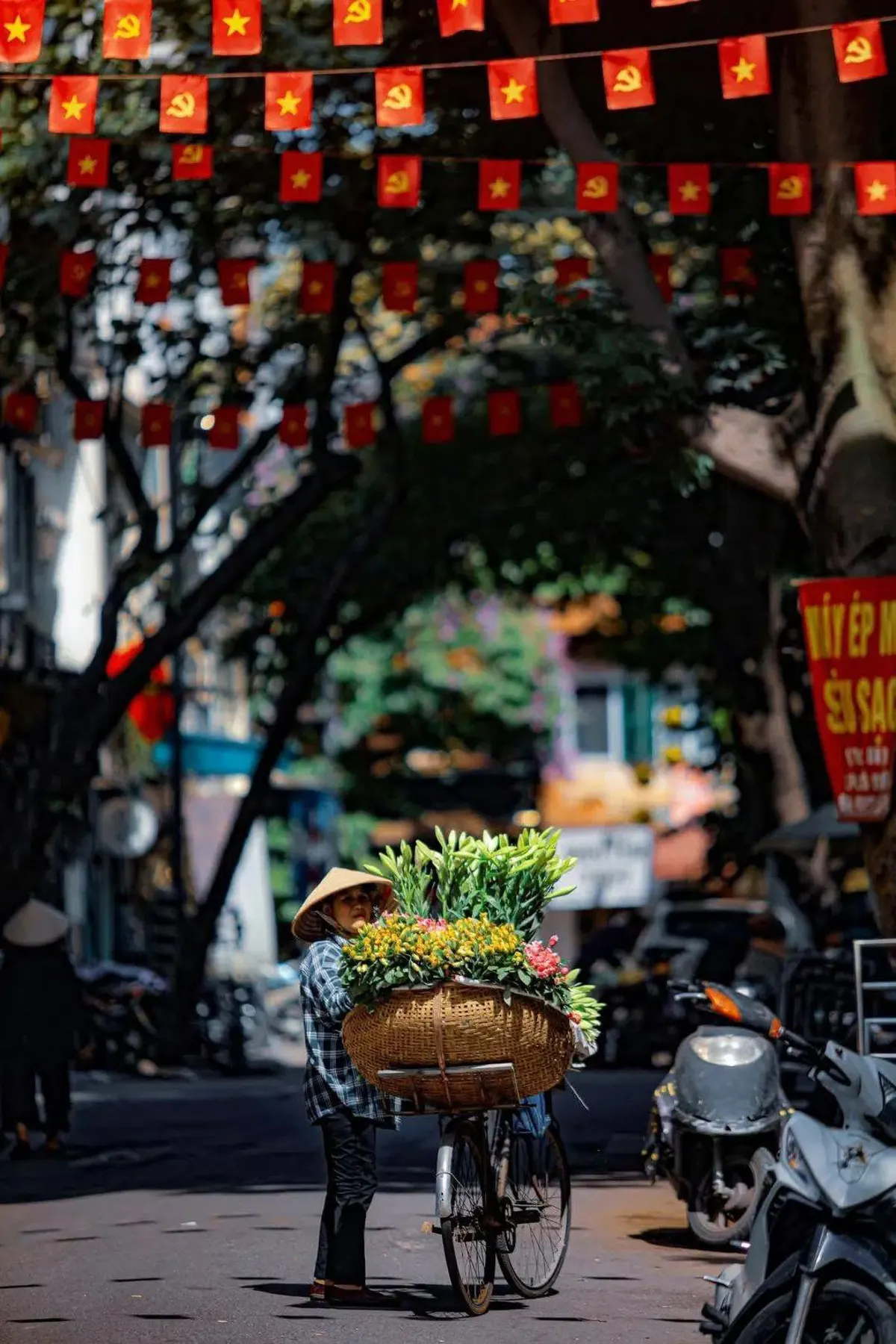
The lotus, Vietnam's national flower, offers a compelling subject for photography, particularly during its blooming period from May to July. This mid-summer window transforms various lakes and ponds across cities like Hanoi into scenes filled with colorful blossoms. Capturing these flowers, often alongside individuals in traditional attire, provides a unique photographic opportunity that reflects Vietnamese culture and natural beauty.
The Cultural Significance of Vietnam's Lotus Flower
The lotus holds deep cultural and spiritual importance in Vietnam, recognized as the nation's symbolic flower. Its ability to rise pure and clean from muddy waters is often seen as a metaphor for purity, resilience, and enlightenment. This symbolism extends beyond mere aesthetics, influencing various aspects of Vietnamese life, from spiritual practices to culinary traditions.
Different hues of the lotus carry distinct meanings. White lotuses are associated with purity, while pink varieties often symbolize devotion, particularly to Buddha. Blue lotuses represent wisdom and logical thought, suggesting enlightenment, and purple lotuses are linked to spirituality. Green lotuses, less common, are sometimes associated with rebirth. Understanding these meanings can add depth to photographic compositions and appreciation of the flower.
| Lotus Color | Symbolic Meaning |
|---|---|
| White Lotus | Purity, spiritual perfection |
| Pink Lotus | Devotion to Buddha, spiritual growth |
| Blue Lotus | Wisdom, logic, enlightenment |
| Purple Lotus | Spirituality, mysticism |
| Green Lotus | Rebirth, new beginnings |
Culinary and Traditional Uses of the Lotus
Beyond its visual appeal, the lotus plant is integrated into Vietnamese cuisine and ceremonial practices. Lotus tea, a revered beverage, is prepared by infusing tea leaves with the flower's fragrance. This can involve enclosing tea within the blossoms to absorb their scent or baking tea leaves with the stamens, the pollen-producing parts of the flower, a process often repeated to intensify the flavor.
Various parts of the lotus plant contribute to local dishes. The crisp stems are frequently used in Vietnamese salads, known as “Gỏi,” adding a unique texture and taste. Roasted lotus seeds serve as a popular snack, consumed plain or candied. Furthermore, the broad leaves of the lotus are utilized as natural wrappers for foods such as steamed sticky rice, imparting a subtle aroma and keeping the contents moist. These diverse applications underscore the lotus's integral role in Vietnamese daily life and traditions. For those interested in bringing home a piece of this culture, exploring local products and traditional crafts can offer a deeper connection to the country's heritage.
Premier Locations for Lotus Photography in Hanoi
For those seeking to photograph the lotus in its prime, Hanoi's West Lake (Hồ Tây) stands out as a prominent destination. During the peak blooming season, typically from May through July, the lake becomes a focal point for both local residents and visitors eager to witness and capture the floral spectacle. The area around West Lake experiences increased activity during these months, yet it still offers serene spots for contemplation and photography. For visitors planning a trip to Hanoi, understanding various aspects of the city, including its cultural highlights and practical services like banking options, can contribute to a smoother experience.
Along the pathways bordering West Lake, observers can frequently encounter individuals, particularly women dressed in traditional Vietnamese garments like the Ao Dai or Yem, posing gracefully among the flowers. The presence of these traditional outfits adds a significant cultural dimension to the photographic experience, showcasing attire not commonly seen in contemporary urban settings. Flower vendors are also often present along the lakeside, offering freshly cut lotus bunches for purchase, typically around 50,000 VND (current as of 2023, subject to change), which can be incorporated into photo shoots.
Planning Your Lotus Photography Session
Successful lotus photography requires some preparation to make the most of the seasonal bloom and the unique setting. Early mornings are often recommended for the softest light and cooler temperatures, allowing for more comfortable shooting conditions before the midday heat intensifies. Considering the cultural context, many photographers and subjects opt for traditional Vietnamese clothing, such as the Ao Dai or Yem, to enhance the authenticity and aesthetic of their images. These garments are sometimes available for rent near popular photography spots.
Visitors have the option to conduct their own photo sessions or engage professional services. For those desiring a more curated experience, professional photographers and makeup artists can be hired. Reports from 2023 indicate that the cost for a full day's professional photography service, including costumes and any applicable entrance fees, might be approximately 60 USD, though prices can vary and should be verified with service providers at the time of booking. This option can be particularly appealing for travelers looking to create high-quality, memorable portraits with the lotus flowers.
Frequently Asked Questions
When is the best time to see lotus flowers in Vietnam?
The lotus blooming season in Vietnam typically spans from mid-May to July, with peak bloom often occurring in June. This period offers the most abundant and vibrant displays of the national flower.
Where is the primary location for lotus photography in Hanoi?
Hanoi's West Lake (Hồ Tây) is widely considered the top spot for photographing lotus flowers. The lake is especially active during the blooming season, attracting many photographers and visitors.
What is the cultural significance of the lotus in Vietnam?
The lotus is Vietnam's national flower, symbolizing purity, resilience, and enlightenment, as it grows beautifully from muddy environments. It also plays a role in traditional cuisine and ceremonies, such as lotus tea.
Can I buy lotus flowers for my photo session?
Yes, during the blooming season, flower vendors are often found near lotus lakes, particularly around West Lake in Hanoi. A bunch of lotus flowers was reported to cost around 50,000 VND in 2023, but prices may fluctuate.
Are professional photography services available for lotus shoots?
Yes, professional photographers and makeup artists are available for hire, especially around popular lotus photography locations. A full-day package including costumes and entrance fees was approximately 60 USD as of 2023, but it is advisable to confirm current rates with local providers.








