
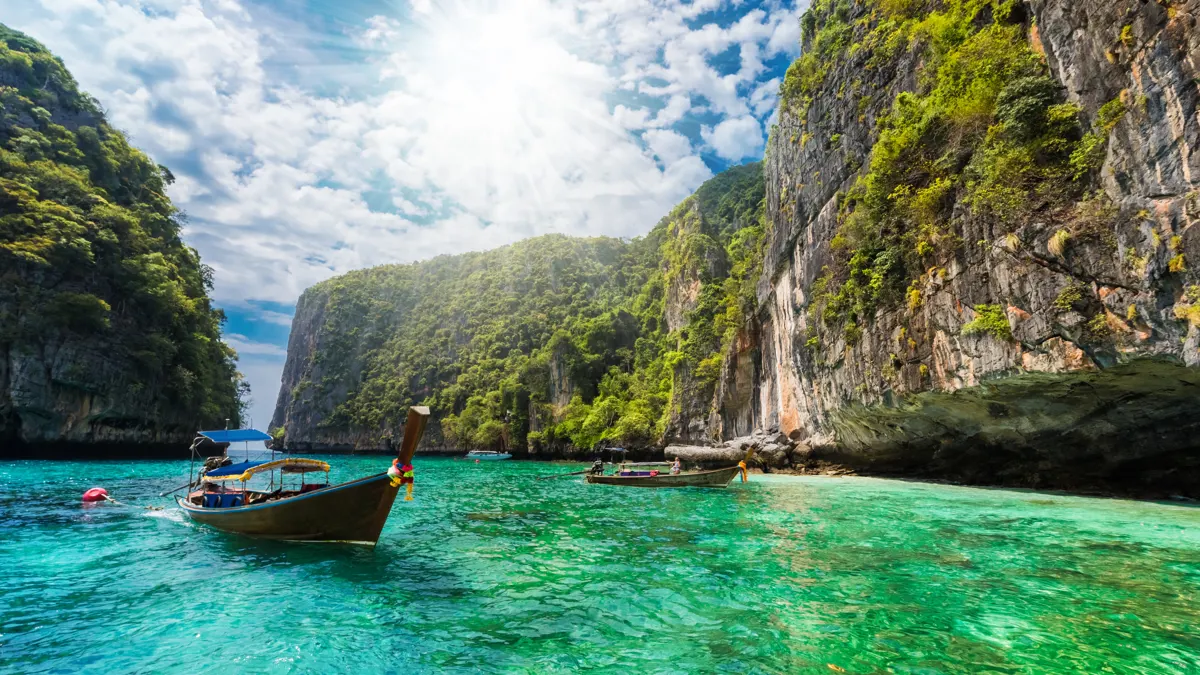
Visiting Phuket during its rainy season, which typically runs from June to November, can be a rewarding experience for travelers seeking a different pace and potential cost savings. While rain showers are common, they often occur in short bursts, leaving ample time for various activities. This period allows visitors to enjoy the island's attractions with fewer crowds and benefit from reduced prices on accommodation and flights.
Understanding Phuket's Monsoon Climate
Phuket experiences a distinct monsoon climate, with the wet season generally spanning from June through November. Contrary to a common misconception, it does not rain continuously every day during this time. Instead, precipitation often comes in brief, intense showers, allowing for clear spells in between. However, there are instances, locally referred to as 'unlucky weeks,' when rainfall can persist for several consecutive days, sometimes for three, six, or even nine days. Predicting these extended rainy periods is not possible.
The early part of the rainy season, from June to August, typically features a mix of sunshine and rain. As the season progresses, September, October, and November are generally the wettest months, though in some years, the monsoon conditions can extend into December. Throughout this period, the average temperature in Phuket remains around 28 degrees Celsius, offering warm conditions even on overcast days. It is important to note that while the skies might clear, the sea can often be rough during the monsoon, impacting certain water-based activities.
Advantages of Visiting During the Wet Season
Opting to travel to Phuket during the monsoon period presents several benefits, particularly for those on a budget or preferring a more tranquil experience. This time of year is considered the low season, leading to significant promotions and discounts on hotels, resorts, and airfares. These reduced costs can make a trip to Phuket more accessible and affordable.
Furthermore, the island is noticeably less crowded during the rainy season. Popular attractions, beaches, and restaurants will have fewer visitors, allowing for a more relaxed and personal exploration of Phuket's offerings. This quieter atmosphere provides an opportunity to engage with local culture without the usual tourist rush, making for a more authentic travel experience.
Recommended Activities for Rainy Days and Clear Spells
Even with the possibility of rain, Phuket offers a variety of activities suitable for both indoor relaxation and outdoor adventure during the monsoon season. Flexibility in planning is key to making the most of your visit.
Indoor Relaxation and Wellness
When the weather turns rainy, indulging in a spa treatment is a popular choice. Many hotels across Phuket feature excellent spa facilities, providing a perfect refuge for relaxation. It is advisable to book spa appointments in advance, as many guests will likely have the same idea during extended periods of rain. Consider a soothing massage or a rejuvenating facial to unwind.
Outdoor Experiences During Dry Intervals
During breaks in the rain, or on days with partial sunshine, there are still plenty of outdoor activities to enjoy. Spending time on the beach to witness a sunset can be a remarkably peaceful experience, offering a chance to observe local marine life like various crabs, snails, and shells along the shore. For those seeking more active pursuits, some beaches offer water sports such as jet skiing, surfing, and parasailing. Visitors often report parasailing as a particularly enjoyable activity, providing a unique perspective of the coastline.
Exploring Local Culture and Nightlife
Phuket's night markets provide a lively atmosphere and a fantastic opportunity to sample local cuisine and find unique items. The Banzaan Market is a recommended destination, featuring numerous vendors selling fresh fruits, vegetables, and a wide array of prepared foods every evening. Here, you can find stalls offering freshly cooked noodles, with vendors often emphasizing the minimal use of MSG in their dishes. While specific addresses, phone numbers, and operating hours for Banzaan Market were not supplied, it is a well-known local spot.
Beyond the market, popular areas like Patong Beach remain accessible, offering various entertainment and dining options. Another notable destination is James Bond Island, which can be visited via boat tours, though sea conditions should always be checked beforehand.
Dining and Accommodation Options
Phuket's culinary scene is diverse, with options ranging from street food to upscale restaurants. During the rainy season, exploring local markets like Banzaan Market allows for an authentic taste of Thai flavors. The market provides a chance to try freshly prepared dishes and enjoy the island's produce. For those interested in diverse culinary experiences across Southeast Asia, exploring dining guides for other cities can offer inspiration.
Regarding accommodation, the source material highlights BYD Lofts as a highly-rated option in Patong. It is described as offering a refreshing change from typical hotel experiences and is considered among the top accommodations in the area. Specific address, phone number, and booking details for BYD Lofts were not provided in the source material, so travelers should verify these directly. The availability of promotions during the low season makes it an opportune time to secure favorable rates at such establishments.
Practical Advice for Monsoon Visitors
To ensure a comfortable and enjoyable trip to Phuket during the rainy season, a few practical considerations are helpful. Packing light, quick-drying clothing is advisable, along with a compact umbrella or a light rain jacket for sudden showers. Footwear that can handle wet conditions, such as sandals or waterproof shoes, is also recommended.
Given the potential for rough seas, visitors planning boat trips or water sports should always check local weather and sea condition reports before heading out. Many tour operators will cancel or reschedule activities if conditions are deemed unsafe. Having a flexible itinerary allows you to adapt to weather changes, perhaps swapping an outdoor excursion for an indoor activity like a cooking class or a visit to a local museum. Even during the monsoon, Phuket's natural beauty, including its beaches, offers moments of tranquility and visual appeal. For those who appreciate coastal scenery, exploring beautiful beaches in other regions can also be inspiring.
Frequently Asked Questions
What months constitute Phuket's rainy season?
Phuket's rainy season typically extends from June through November. The months of September, October, and November are generally the wetest, though rain can sometimes persist into December.
Does it rain constantly during the monsoon in Phuket?
No, it does not typically rain all day, every day. Rainfall often occurs in short, intense bursts, followed by periods of clear weather. However, there can be occasional 'unlucky weeks' with continuous rain for several days.
What are the primary advantages of visiting Phuket during the rainy season?
The main advantages include fewer tourist crowds, leading to a more peaceful experience, and significant cost savings due to promotions on accommodation and flights during the low season.
Are water activities still possible during this period?
Some water activities like jet skiing, surfing, and parasailing may be available during dry spells. However, sea conditions can be rough, so it is crucial to check local weather and sea reports before participating in any water-based excursions.
What types of indoor activities are available when it rains?
When it rains, popular indoor activities include relaxing at hotel spas, exploring local markets for food and shopping, and enjoying the dining options available across the island. Booking spa treatments in advance is recommended.








