
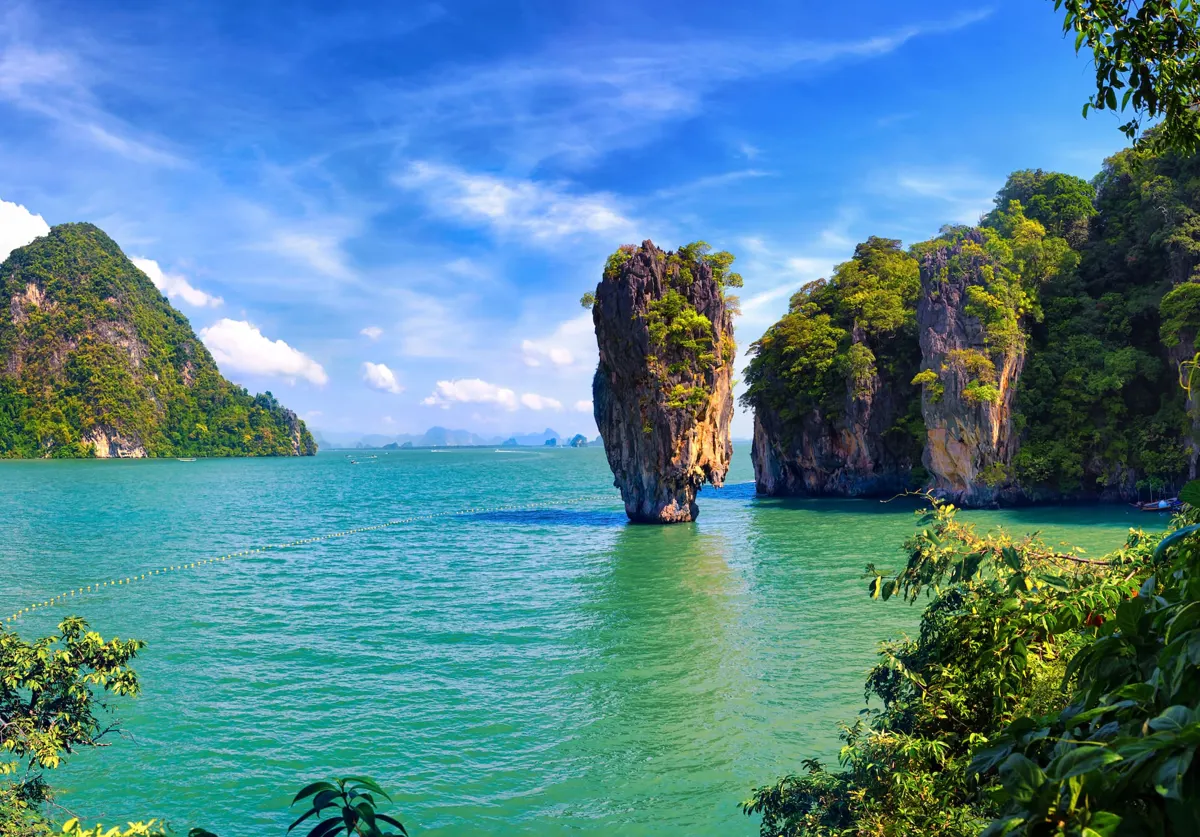
February presents an appealing time for travel to Phuket, Thailand, characterized by pleasant weather that supports a wide array of outdoor pursuits. This period typically offers abundant sunshine, moderate humidity, and comfortable temperatures, making it suitable for exploring the island's diverse attractions and enjoying its coastal environment.
Visitors considering a trip to this popular destination during February can anticipate conditions conducive to sightseeing, water-based recreation, and cultural discovery. Understanding the specific climate patterns and local considerations for this month can help travelers plan a more informed and enjoyable experience.
Understanding Phuket's February Climate
The weather in Phuket during February closely mirrors that of January, drawing a significant number of international travelers. Average temperatures hover around 28 degrees Celsius, though daily highs can reach approximately 33 degrees Celsius. Most days feature clear skies and ample sunshine, accompanied by relatively low humidity levels, which contribute to a comfortable atmosphere for various excursions.
Rainfall is generally minimal in February, with an average precipitation of only about 30mm for the entire month. This low chance of rain, combined with calm sea conditions and suitable air temperatures, creates an ideal environment for activities involving the ocean, such as swimming, snorkeling, or boat trips. Despite the pleasant conditions, it is advisable for visitors to use sun protection, such as sunscreen, and maintain adequate hydration to prevent excessive sun exposure.
Recommended Activities for February Visitors
Phuket offers more than just its well-known beaches; the island provides numerous activities that cater to different interests. With February's agreeable climate, both indoor and outdoor activities are easily accessible. Here are two notable suggestions that allow visitors to engage with Thailand's cultural heritage and local craftsmanship in Phuket.
The Big Buddha
As a nation deeply rooted in Buddhist traditions, Thailand features countless temples and shrines holding profound religious significance. Phuket's Big Buddha is a prominent example and stands as a key attraction for those exploring the island. Situated atop a hill, this site is frequently cited among the top points of interest by visitors.
Upon reaching the summit, individuals can enjoy extensive 360-degree vistas of the surrounding area under clear skies. The atmosphere at the Big Buddha is often described as serene, offering a peaceful setting. Many suggest combining a visit to the Big Buddha with other nearby cultural sites, such as Wat Chalong, especially given the favorable weather conditions in February.
Chalong Bay Rum Distillery
The Chalong Bay Rum Distillery is recognized as Thailand's sole artisanal rum producer, situated along the Phuket coastline. This location appeals to those with an interest in spirits and offers an opportunity to sample authentic rum crafted from sugarcane juice. The distillery conducts daily afternoon tours, providing detailed insights into the traditional rum production process.
Each tour concludes with a complimentary cocktail for participants. While perhaps not the most commonly featured item on every Phuket travel itinerary, the Chalong Bay Rum Distillery provides an enriching experience through its educational content and engaging tour format. Following the approximately 30-minute tour, guests can explore the bar area for additional tastings or participate in a bartending masterclass to learn cocktail preparation techniques.
Making the Most of Your February Trip
To ensure a smooth and enjoyable visit to Phuket in February, considering a few practical aspects can be beneficial. This month can coincide with significant cultural events and requires specific preparations.
Consider Lunar New Year Timing
The Lunar New Year celebration occasionally falls within February. During this period, many travelers from neighboring Asian countries visit Phuket, leading to increased tourist numbers. While some international visitors might be interested in experiencing the New Year festivities, it is important to note that hotel accommodations can sell out rapidly, and popular attractions may become crowded. Travelers should verify the exact dates of the Lunar New Year when planning their February visit to ensure the most comfortable experience.
Appropriate Dress for Sacred Sites
Although many travelers pack light beachwear and casual clothing for their time in Phuket, it is essential to dress respectfully when entering religious venues like temples or shrines. Typically, this involves covering shoulders and knees. Should visitors arrive at a religious site without appropriate attire, sarongs are often available for temporary use at the entrance.
Sun Protection and Hydration
With abundant sunshine and warm temperatures, protecting oneself from the sun is crucial. Regular application of high-SPF sunscreen, wearing hats and sunglasses, and seeking shade during peak sun hours are recommended. Additionally, drinking plenty of water throughout the day helps prevent dehydration, especially when engaging in outdoor activities.
Why February is an Ideal Time to Visit Phuket
February stands out as one of the most desirable months to visit Phuket due to its consistently pleasant weather. The combination of warm temperatures, low humidity, minimal rainfall, and calm seas creates optimal conditions for a wide range of activities, from relaxing on beaches to exploring cultural landmarks and engaging in water sports.
This period allows visitors to fully appreciate the island's natural beauty and diverse offerings without the intense heat or heavy rains that characterize other seasons. The clear skies and gentle breezes make outdoor exploration particularly enjoyable. While the popularity of February means that some areas might be busier, the overall climate benefits often outweigh this, providing an excellent opportunity for a memorable tropical escape.
Comparison of Featured Phuket Attractions
| Attraction | Type of Experience | Focus | Typical Visit Duration | Key Experience |
|---|---|---|---|---|
| The Big Buddha | Cultural, Spiritual, Scenic Viewpoint | Religious significance, panoramic views of Phuket | 1-2 hours | Contemplation, photography, appreciating island vistas |
| Chalong Bay Rum Distillery | Educational, Culinary, Artisanal | Rum production process, local craftsmanship, tasting | 1-1.5 hours (tour + tasting) | Learning about rum making, sampling unique spirits, cocktail classes |
Frequently Asked Questions
Is February a good month to visit Phuket?
Yes, February is widely considered one of the best months to visit Phuket. The weather is typically dry, sunny, and warm with low humidity, creating excellent conditions for outdoor activities and beach relaxation.
What are the typical temperatures in Phuket during February?
In February, Phuket experiences average temperatures around 28 degrees Celsius. Daily highs can reach up to 33 degrees Celsius, while evenings remain comfortably warm.
What kind of clothing should I pack for Phuket in February?
Lightweight, breathable clothing such as cotton or linen is recommended for the warm weather. Don't forget swimwear for beach activities. When visiting religious sites, remember to pack modest attire that covers shoulders and knees.
Are there any special events in Phuket in February?
February can sometimes coincide with the Lunar New Year, which is celebrated by many Asian communities. This period may bring increased crowds and higher demand for accommodations and attractions, so it's advisable to check the specific dates if planning your trip around this time.
Is it rainy in Phuket in February?
No, February is part of Phuket's dry season. Rainfall is generally very low, averaging around 30mm for the entire month, making it an ideal time for outdoor activities without significant disruption from rain.








