
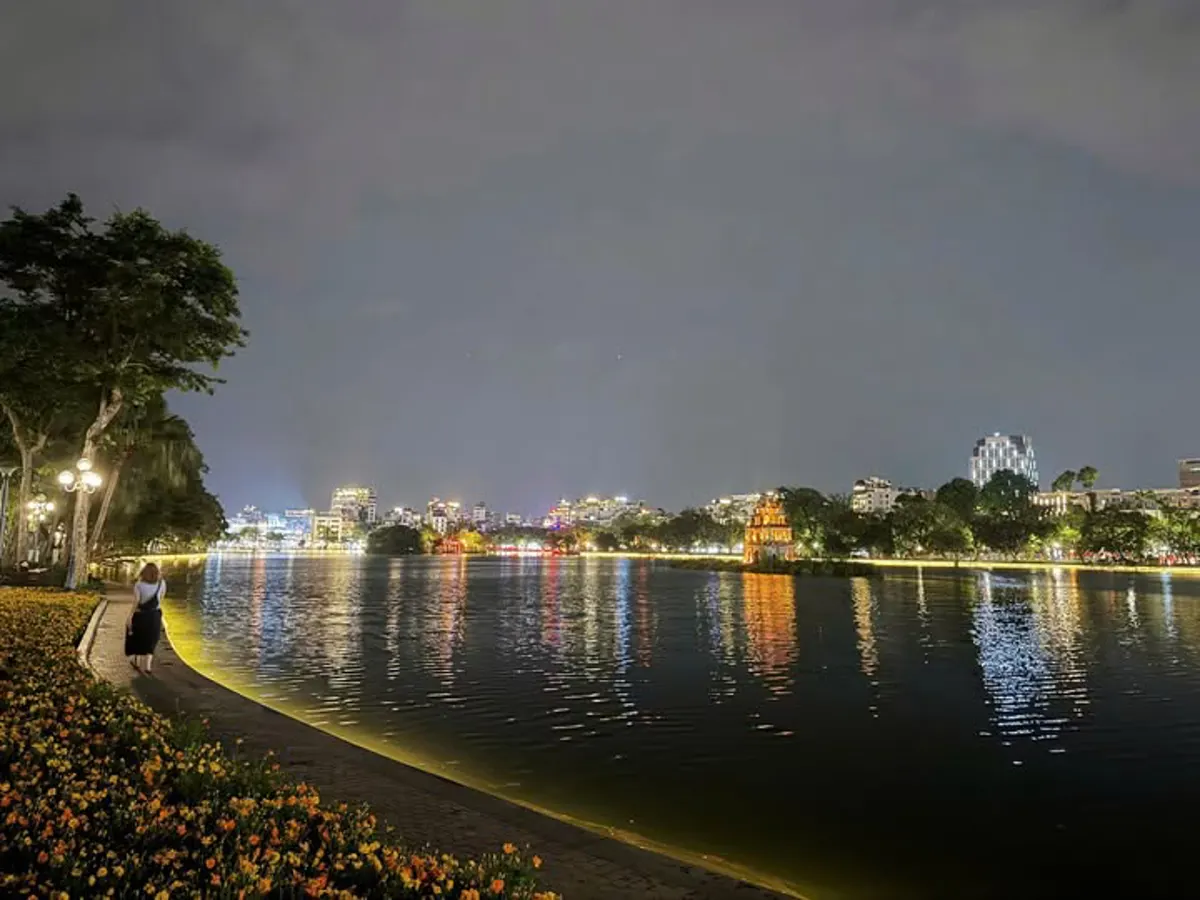
Hanoi, Vietnam's capital, presents a dynamic environment for professionals seeking to contribute to the travel sector. The industry frequently requires individuals with strong marketing and communication skills to connect with global audiences and promote destinations. Understanding the types of roles available, the expected qualifications, and the application process is essential for those considering a career in this field.
The Evolving Landscape of Travel Marketing in Hanoi
The travel industry in Hanoi consistently seeks innovative approaches to reach potential visitors and enhance brand visibility. Digital platforms, social media engagement, and compelling content creation are central to these efforts. Companies in this sector aim to develop strong online presences and communicate effectively with travelers worldwide, making roles in marketing and public relations particularly significant.
Professionals in travel marketing often focus on developing strategies that highlight unique experiences and cultural aspects of Vietnam. This involves not only promoting specific tours or services but also contributing to a broader narrative that inspires travel. The emphasis on digital channels means that a solid grasp of online trends and analytics is crucial for success.
A Detailed Look at a PR & Communication Executive Position
A typical PR & Communication Executive role within a travel organization in Hanoi involves a range of responsibilities aimed at strengthening brand presence and engaging with audiences. Such a position often requires individuals to create and distribute engaging content across various digital platforms, including popular social media channels like YouTube, Facebook, and TikTok.
Key duties frequently include conceptualizing content ideas, writing scripts, and appearing on camera to produce video content. These professionals are also tasked with monitoring social media performance metrics, analyzing data to assess campaign effectiveness, and proposing improvements. Staying informed about global social media trends and analyzing competitor strategies are also vital for developing impactful marketing and advertising campaigns. Regular reporting on daily, weekly, and monthly performance is a standard expectation.
Essential Qualifications for Travel Marketing Professionals
Individuals aspiring to roles in travel marketing and communications in Hanoi typically need a strong academic background and relevant professional experience. A bachelor's degree or higher in Marketing, Communications, Media, or a related discipline is generally a prerequisite. Employers often look for candidates with at least one year of experience in social media management, content creation, or broader communication functions.
Proficiency in English is often a critical requirement, with many roles seeking candidates who demonstrate strong speaking skills and confidence in public-facing situations, such as appearing on camera. The ability to write compelling video scripts and manage video-centric social media channels is also highly valued. Basic video editing skills, using software like CapCut or Canva, are frequently expected. Furthermore, successful candidates are typically adaptable, collaborative, and willing to support various company initiatives beyond their core responsibilities.
Professional Benefits and Application Guidance
Working for a travel company in Hanoi can offer several professional advantages. Compensation packages often include a competitive base salary along with performance-based bonuses, which are typically open to negotiation. Employees usually receive comprehensive benefits in accordance with Vietnamese Labor Law and the company's internal policies. Additional perks can include opportunities for travel through employee programs, holiday and festive bonuses, and a year-end bonus determined by individual performance and the company's overall business results.
For those interested in applying for such positions, a structured approach is recommended. Applicants should prepare a curriculum vitae (CV) in English, along with a portfolio or samples showcasing their previous work in content creation, campaigns, or video production. Providing relevant academic certificates and degrees is also necessary. Applications are typically submitted via email, with specific instructions for the subject line to ensure proper routing.
Key Application Information
| Detail | Information |
|---|---|
| Position | PR & Communication Executive |
| Location | 11th Floor, Vinaconex Diamond Tower, 459C Bach Mai Street, Bach Mai Ward, Hanoi, Vietnam |
| Department | Inbound - Marketing Team |
| Application Email | marketing@bestpricetravel.com |
| Email Subject Format | Application – PR & Communication Executive – [Your Name] |
| General Company Phone | +84 2436-249-007 (Verify current contact details) |
| General Office Hours | Monday to Friday, 08:30 to 17:30 (Verify current hours) |
Frequently Asked Questions
What kind of experience is typically sought for these roles?
Companies in Hanoi's travel sector generally seek candidates with at least one year of professional experience in areas such as social media management, content creation, or broader communication functions. Experience with digital marketing campaigns and performance analysis is also highly valued.
What are the language requirements for travel marketing positions in Hanoi?
Strong English proficiency is often a key requirement for travel marketing roles, especially those involving international communication or content creation. Candidates are frequently expected to demonstrate excellent speaking skills and confidence in on-camera appearances.
What benefits can one expect from a travel company in Vietnam?
Benefits typically include a competitive salary, performance bonuses, and full compliance with Vietnamese Labor Law regarding employee entitlements. Many companies also offer additional perks like employee travel programs, holiday bonuses, and year-end performance-based bonuses. For those considering relocating, understanding banking services in Hanoi can be a useful preparation step.
How should one prepare an application for such a position?
Applicants should prepare an English CV, a portfolio or samples of their work (including content, campaigns, or videos), and relevant academic certificates. Submitting the application via email with the specified subject line is generally the required method. When creating content for a travel brand, understanding local appeal, such as unique purchases in Vietnam, can be beneficial.








