
Thailand, a nation celebrated for its rich cultural heritage and profound spiritual traditions, offers a unique and enriching experience for travelers. To ensure a harmonious and respectful visit, understanding and observing local customs and social norms is essential. This guide provides key insights into appropriate behavior, helping visitors navigate the country's distinct etiquette with confidence and appreciation.
Showing Reverence for Thai Institutions and Symbols
Thai society holds its monarchy in the highest regard, viewing the King and Royal Family with deep veneration. Any form of disrespect towards them is considered a serious offense and carries legal consequences. This profound reverence extends to all images and symbols associated with the monarchy, including the national currency.
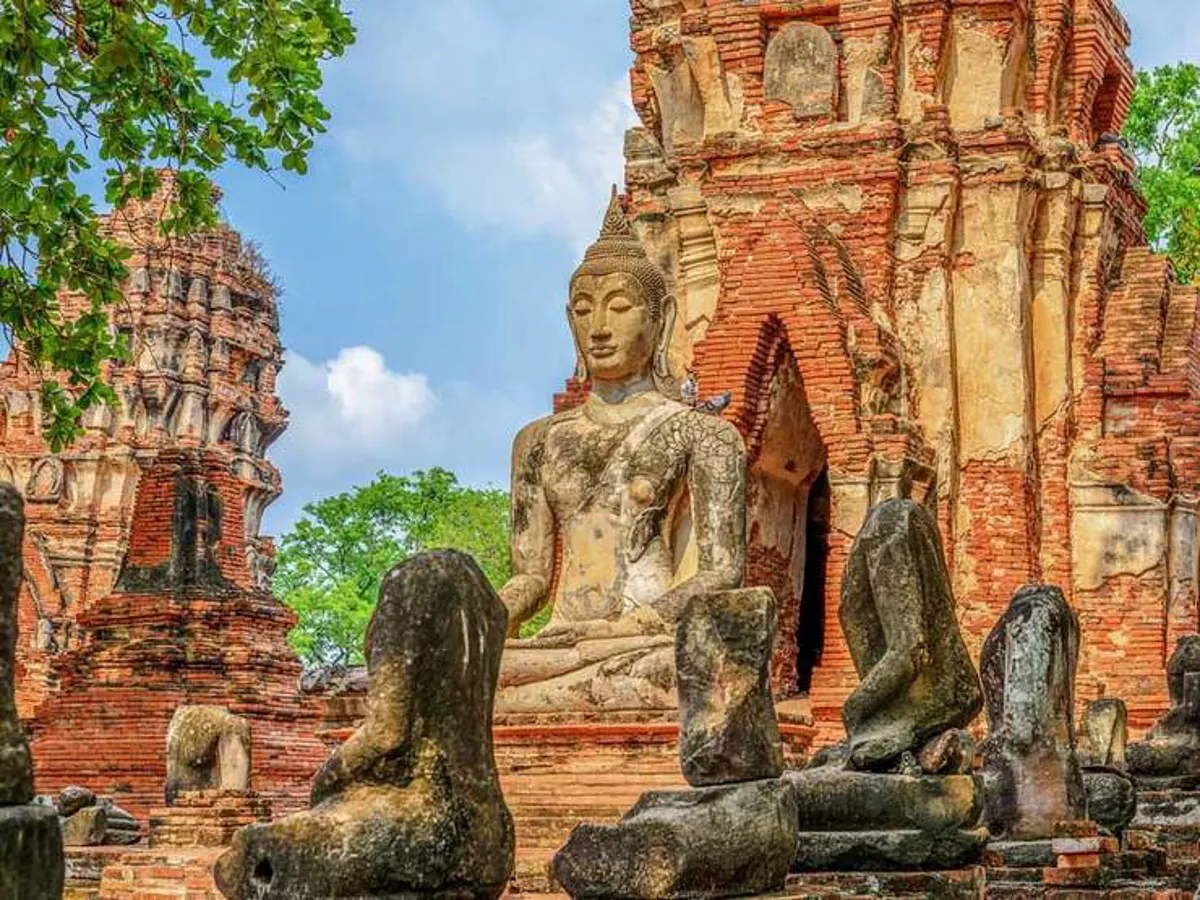
For instance, stepping on Thai baht, which features images of the King, is regarded as highly disrespectful. Visitors should handle all currency with care and avoid any actions that might deface or dishonor these symbols. Similarly, Buddhist temples and statues of Buddha are sacred sites. Proper conduct, such as removing shoes before entering and avoiding any actions that might be perceived as irreverent, is expected in these holy places.
Navigating Social Interactions and Personal Space
In Thai culture, the head is considered the most sacred part of the body, believed to be the seat of the soul and intellect. Conversely, the feet are regarded as the lowest and least clean part. Consequently, touching someone's head, even playfully, is generally inappropriate and can be seen as an intrusion. This applies to all individuals, regardless of the closeness of the relationship.
Conversely, using one's feet to point at people, objects, or religious symbols is highly offensive. It is also considered impolite to step over people or food. When sitting, particularly in religious settings like temples, it is customary to tuck one's feet beneath the body or to the side, ensuring the soles do not face any person, sacred image, or altar. This posture demonstrates respect for those around you and the sanctity of the location.
Etiquette When Interacting with Monks
Buddhist monks command immense respect within Thai society, holding a revered position. Laypeople are generally expected to position themselves lower than monks as a sign of deference. For female visitors, a specific and important protocol applies: direct physical contact with a monk is strictly prohibited. This includes touching a monk or handing items directly to them.
If a female needs to pass something to a monk, or vice versa, the item should be placed on a surface or passed via a male intermediary for the monk to pick up. On public transport, monks typically avoid sitting directly beside women, and women should be mindful to leave an empty seat if possible. Awareness of these customs helps ensure respectful interactions and avoids causing unintentional offense.
Dining Practices and Mealtime Courtesy
Thai meals are often a communal affair, featuring several dishes served simultaneously with a shared plate of rice. It is common practice to use a shared spoon to take food from the main dishes onto one's individual plate. Forks are generally used to push food onto a spoon, which is then used for eating, rather than putting the fork directly into the mouth.
Taking small portions multiple times is preferred over filling one's plate excessively, allowing everyone to share the various offerings. Additionally, it is considered good manners to finish all the rice on one's plate, reflecting an appreciation for the effort involved in its cultivation and preventing waste. Travelers interested in regional dining practices in Southeast Asia might find similarities and differences across countries, each with its own unique culinary customs.
Communication Styles and Public Demeanor
Thais generally value gentle communication and a calm demeanor in social interactions. Raising one's voice, shouting, or engaging in public displays of anger is viewed as impolite and aggressive. When declining an offer, expressing disagreement, or negotiating, a soft tone and polite phrasing are always advisable to maintain harmony.
Gestures also carry significant cultural meaning. Pointing with an index finger at a person can be perceived as confrontational or rude. Instead, a slight nod of the head or an open hand gesture is more appropriate for indicating direction or attention. When waving to someone, the local custom involves turning the hand downwards and making a gentle sweeping motion. If passing between two people who are conversing, a slight bow or crouch is a respectful acknowledgment, indicating you are not interrupting their interaction.
General Courtesy and Practical Tips
Removing shoes before entering private homes, temples, and even some shops is a widespread custom throughout Thailand. Observing where others remove their footwear is a reliable guide to appropriate behavior. This practice signifies respect for the space and its occupants.
When invited to a social gathering, bringing a small gift is a thoughtful gesture, as Thais appreciate exchanging presents and showing hospitality. Consider bringing a thoughtful present or exploring local souvenir options that reflect the region's craftsmanship. Finally, a smile is a powerful tool in Thailand, often referred to as the "Land of Smiles." A genuine smile can help navigate various social situations, convey friendliness, and foster positive interactions with locals, even in challenging moments.
Frequently Asked Questions
Why is the head considered sacred in Thailand?
In Thai culture, the head is regarded as the highest point of the body, both physically and spiritually. It is believed to be the seat of the soul and intellect, making it the most revered and cleanest part. Touching someone's head is therefore seen as an intrusion and a sign of disrespect.
What is the appropriate way to sit in a temple?
When sitting or kneeling in a temple or other sacred space, it is customary to tuck your feet behind you or to the side, ensuring the soles of your feet do not point towards any Buddha image, monk, or person. This posture demonstrates reverence and avoids showing disrespect with the lowest part of the body.
Are there specific rules for women interacting with monks?
Yes, female visitors should avoid any direct physical contact with monks. This includes touching them or handing objects directly to them. If an exchange is necessary, the item should be placed on a surface for the monk to retrieve. This custom is rooted in monastic rules that prohibit monks from touching women.
Why is finishing all the rice on your plate important?
Finishing all the rice on one's plate is a sign of respect and appreciation for the food and the labor involved in its production. Rice is a staple crop in Thailand, and wasting it is generally considered impolite, reflecting a lack of gratitude.
How should I point at something or someone in Thailand?
Instead of using an index finger to point, which can be seen as aggressive or rude, it is more polite to use an open hand with fingers together, or to subtly indicate direction with a slight nod of the head or a gentle gaze. This softer approach aligns with Thai cultural values of politeness and indirect communication.








