
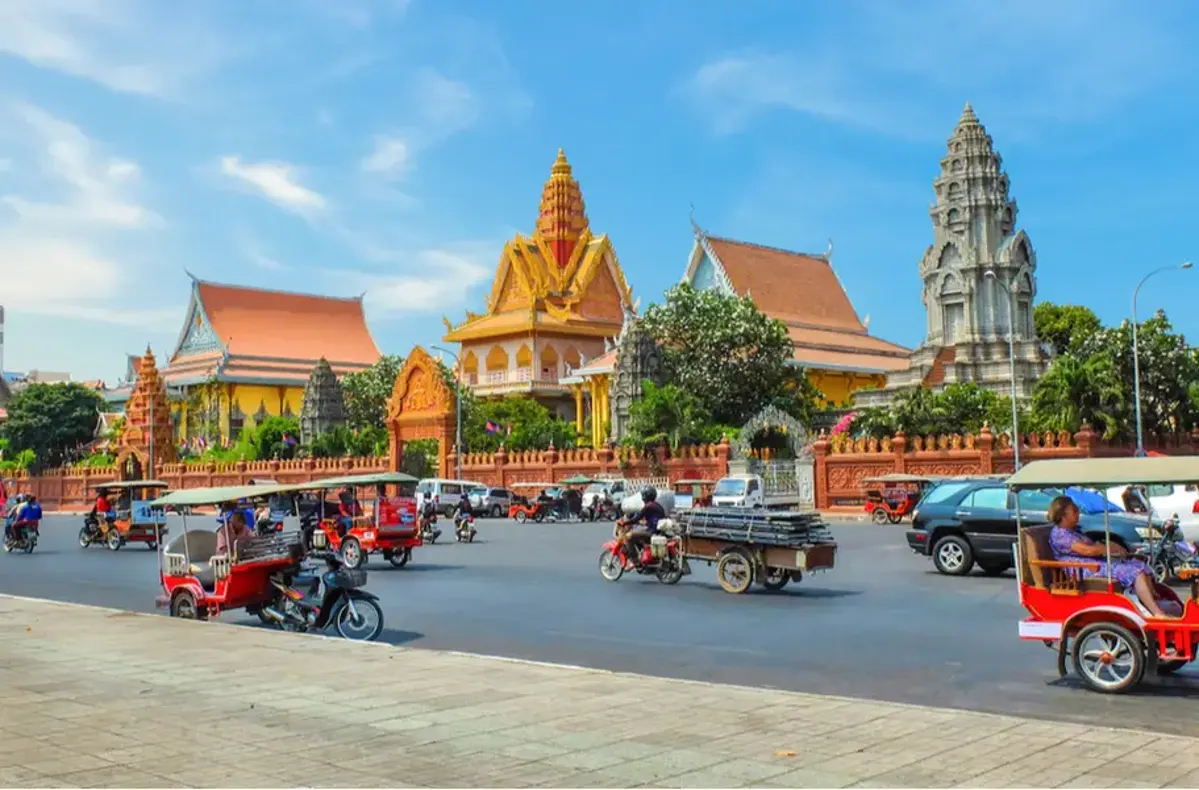
Phnom Penh, Cambodia's capital, presents a rich array of markets that serve as crucial centers for daily commerce and cultural exchange. These locations are not merely places to purchase goods; they offer visitors an authentic insight into local customs, providing opportunities to observe daily life, interact with residents, and capture memorable scenes. Exploring at least a couple of these markets is often considered a highlight for those visiting the city.
Exploring Phnom Penh's Market Culture
The markets of Phnom Penh are integral to the city's identity, functioning as economic engines and social gathering points. They showcase a wide spectrum of goods, ranging from essential household items and fresh produce to elaborate textiles and handcrafted souvenirs. For many residents, these markets are the primary source for their daily needs, making them genuine reflections of Cambodian urban life.
Visitors often find the experience of navigating these markets to be a sensory engagement, with a variety of sights, sounds, and aromas. Beyond the commercial transactions, markets provide a space for cultural observation, allowing travelers to witness local interactions and the rhythm of daily routines. Each market possesses its own character, shaped by its history, architecture, and the specific types of goods it specializes in.
Central Market (Phsar Thmei): An Architectural Landmark and Retail Hub
The Central Market, locally known as Phsar Thmei, stands as an architectural icon in downtown Phnom Penh, situated on Street 128 (Kampuchea Krom) in the Daun Penh District. Constructed in 1937 during the French colonial era, its distinctive Art Deco design is immediately recognizable. The building features a prominent central dome flanked by four wings, all painted in a golden yellow hue both inside and out, a design choice that also facilitates natural ventilation throughout the structure.
Inside this landmark, numerous stalls offer a broad selection of merchandise. The Central Market is particularly noted for its range of gold and silver jewelry, along with precious gems, often considered to be of higher quality compared to other markets. Shoppers can also find various souvenirs, local handicrafts, Cambodian silks, electronic devices, clothing, and accessories. For those interested in food, the market provides an extensive and fresh selection of produce and dried goods. It is advisable to arrive early for the best choice of food items.
While prices at the Central Market tend to be somewhat higher than at other locations, the shopping environment is generally more comfortable. The open design and better ventilation offer a more pleasant experience than some of the warmer, more crowded alternatives. This market is a suitable choice for visitors seeking a diverse shopping experience within a historically significant setting.
Russian Market (Phsar Toul Tom Poung): A Favorite for Souvenirs and Local Life
Located in the southern part of Phnom Penh, the Russian Market, or Phsar Toul Tom Poung as it is known by locals, holds significant appeal for international visitors and expatriates. Its moniker dates back to the 1980s when it was a popular shopping destination for Russian expats residing in the city. Today, it remains a frequent inclusion in many Phnom Penh city tours, drawing a steady stream of tourists.
The market's exterior might appear modest, with narrow passages and a warm internal atmosphere, as many stalls operate without air conditioning or even fans. Despite these conditions, the Russian Market is consistently busy and full of activity, offering an authentic glimpse into local commerce. It is widely regarded as one of the best places in the city to purchase souvenirs and observe daily Cambodian life.
Shoppers here will discover a wide array of goods, including textiles, antiques, various souvenirs, unique curios, silks, clothing, and household items. The market is also known for selling bootleg DVDs and replica designer handbags. Prices at the Russian Market are generally more negotiable than at the Central Market, and bargaining is an expected part of the transaction process. A central food area within the market provides options for snacks and meals, allowing visitors to sample local Cambodian and international cuisine.
Phnom Penh Night Market: Evening Delights by the River
For an evening shopping and dining experience, the Phnom Penh Night Market offers a different atmosphere. This market primarily caters to tourists and operates from Friday to Sunday, opening at 6 PM and closing at midnight. Its open-air setting along the scenic Tonle Sap Riverfront provides a pleasant backdrop for an evening stroll.
The selection of tourist-oriented items at the Night Market is somewhat limited, and many of these goods can often be found at more competitive prices at the Russian Market. However, the appeal of the Night Market lies in its lively ambiance, its location by the river, and its extensive variety of street food and late-night snacks. Visitors can also enjoy live Khmer music concerts, adding to the relaxed and social environment.
The Night Market is an excellent spot for those looking to enjoy a casual evening out, sample local delicacies, and soak in the riverside atmosphere, even if the primary goal isn't extensive shopping for souvenirs. It provides a distinct contrast to the daytime markets, focusing more on leisure and entertainment.
Comparing Phnom Penh's Key Markets
| Market Name | Location | Primary Focus | Typical Price Range | Notable Features | Operating Hours (Verify Locally) |
|---|---|---|---|---|---|
| Central Market (Phsar Thmei) | Street 128 (Kampuchea Krom), Daun Penh District | Jewelry, high-quality souvenirs, fresh food | Moderate to Higher | Art Deco architecture, well-ventilated, landmark | Generally daytime (early morning for food) |
| Russian Market (Phsar Toul Tom Poung) | Southern Phnom Penh | Souvenirs, textiles, antiques, local goods | Lower to Moderate (bargaining expected) | Popular with expats, authentic local atmosphere, food area | Generally daytime |
| Phnom Penh Night Market | Tonle Sap Riverfront | Street food, casual souvenirs, entertainment | Lower | Open-air, live music, riverside location | Friday-Sunday, 6 PM - Midnight |
Practical Advice for Market Visitors
Navigating Phnom Penh's markets can be a rewarding experience with a few practical considerations. Bargaining is a common practice, particularly at the Russian Market and for non-food items. It is customary to negotiate prices, often starting with an offer significantly lower than the initial asking price. This interaction is part of the local shopping culture.
Most market transactions are conducted in cash, predominantly in Cambodian Riel or US Dollars, which are widely accepted. It is advisable to carry small denominations for easier purchases and change. Visitors should also be mindful of their belongings, as crowded environments can attract pickpockets. Keeping valuables secure and close to the body is a sensible precaution.
Beyond the major markets, Phnom Penh hosts several other local markets such as Olympic Market, Boueng Keng Kang Market, Kandal Market, and the Old Market. These offer further opportunities to observe daily Cambodian life and find specific local goods. While this guide focuses on Phnom Penh, travelers exploring other parts of Southeast Asia, such as Vietnam, can also find unique purchases and souvenirs.
- Bargain respectfully: Start with a lower offer and negotiate towards a fair price.
- Carry small cash: US dollars and Cambodian Riel are both accepted.
- Stay hydrated: Markets can be warm and require extensive walking.
- Wear comfortable shoes: You will likely spend a lot of time on your feet.
- Secure valuables: Keep wallets and phones out of easy reach.
Frequently Asked Questions
What are the main markets to visit in Phnom Penh?
The primary markets often recommended for visitors in Phnom Penh include the Central Market (Phsar Thmei), the Russian Market (Phsar Toul Tom Poung), and the Phnom Penh Night Market. Each offers a distinct experience and range of goods.
Is bargaining common in Phnom Penh markets?
Yes, bargaining is a standard practice in many Phnom Penh markets, especially for items like souvenirs, clothing, and handicrafts. It is less common for food items. Shoppers are expected to negotiate prices, particularly at the Russian Market.
What kind of items can I buy at Central Market?
At the Central Market, shoppers can find a wide variety of items including gold and silver jewelry, precious gems, souvenirs, traditional handicrafts, Cambodian silks, electronics, clothing, and a large selection of fresh and dried food products.
Why is it called the Russian Market?
The market earned the name








