
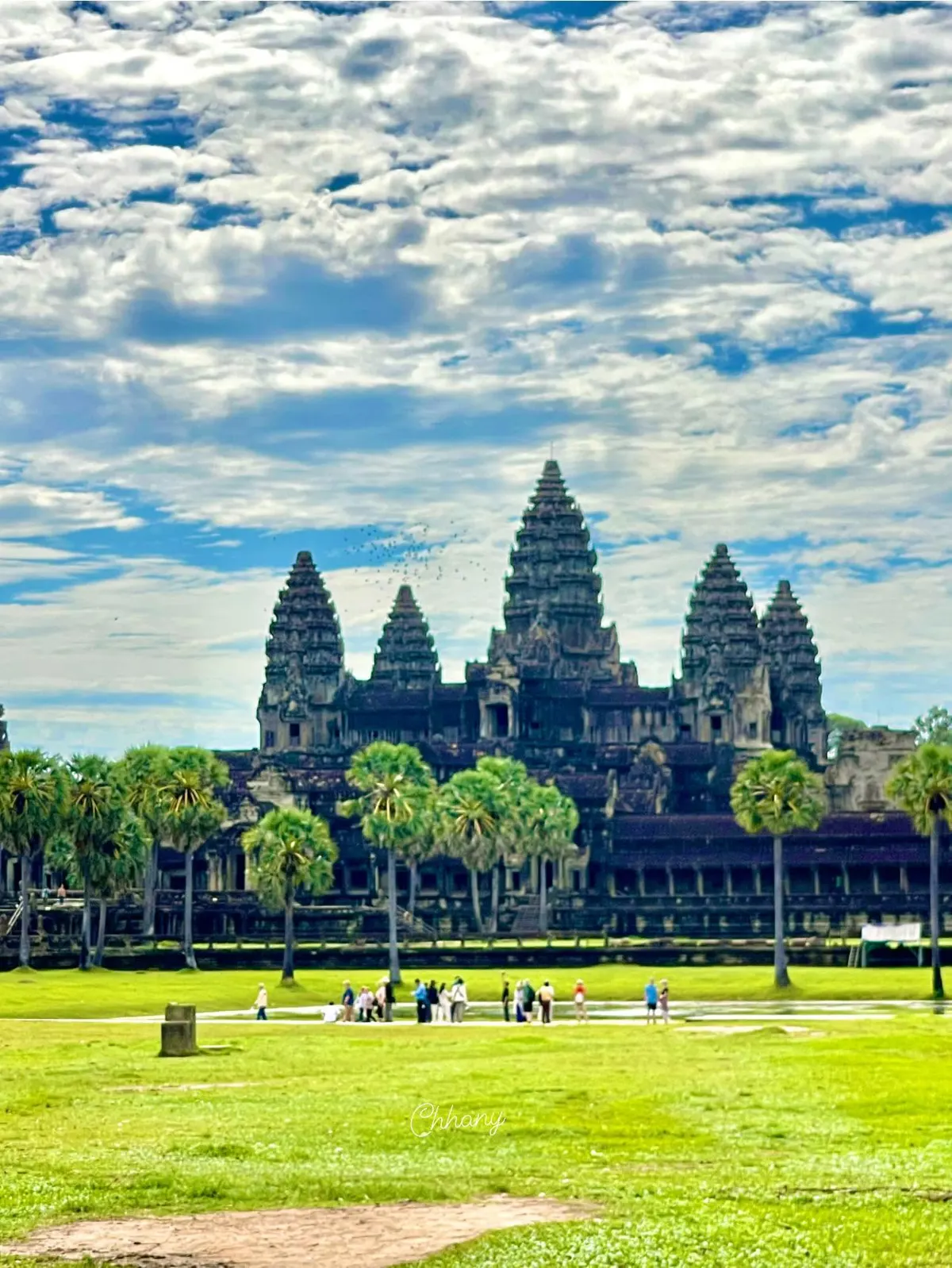
Siem Reap, while globally recognized for the ancient wonders of Angkor Wat, offers a diverse array of experiences extending far beyond its iconic temple complex. For travelers who have explored the historical monuments, the city and its surroundings present numerous opportunities to engage with Cambodian culture, discover natural landscapes, and understand local life. This guide explores alternative attractions and activities available in Siem Reap, providing insights into its cultural depth and scenic beauty.
Experiencing Khmer Arts and Traditional Crafts
Siem Reap provides avenues to witness Cambodia's artistic heritage and support local artisans. These venues offer a glimpse into the country's rich cultural expressions and the dedication of its craftspeople.
Apsara Dance Performances and Dining
A visit to Cambodia often includes witnessing an Apsara dance, a classical Khmer art form whose graceful movements are depicted in the temple carvings of Angkor. The Apsara Theatre & Restaurant, part of the Angkor Village complex, is a notable venue where guests can observe these elegant performances. Dancers, adorned in shimmering silk and sequined attire, convey ancient Khmer narratives through precise hand gestures and footwork, accompanied by local musicians and singers.
The Apsara Theatre & Restaurant begins its dinner service at 7:30 pm, with the performance typically running from 8:30 pm to 9:30 pm. Guests are encouraged to enjoy Cambodian dishes before the show commences. It is advisable to make reservations in advance, as special offers or package deals may be available. Current pricing is approximately $25 per adult and around $13 for children under 12 years old. The establishment is located on Wat Bo Road, directly across from the Angkor Village Hotel, and is accessible by various modes of transport or on foot, depending on proximity.
Artisan D’angkor Workshops and Souvenirs
Artisan D’angkor is a significant initiative dedicated to preserving traditional Cambodian arts and crafts, while also providing employment opportunities. Established two decades ago, this project supports over 1,000 individuals, including both skilled artisans and other staff, across 13 workshops. The crafts produced here encompass ornamental sculpture, silk weaving, wood carving, silver plating, lacquerware, and silk painting.
Visitors to Artisan D’angkor can observe the intricate processes involved in creating these traditional handicrafts. The project operates on a non-profit basis, with all proceeds from sales reinvested into training programs for new artisans. The retail area features a wide selection of meticulously crafted items, such as jewelry, silk scarves, art sculptures, and ceramic lamps, offering numerous choices for those seeking authentic Cambodian mementos. Artisan D’angkor is situated on Chantiers-Ecoles Stung Thmey Street and welcomes guests daily from 7:30 am to 6:30 pm, with no admission fee. It can be reached by taxi, tuk-tuk, bicycle, or walking.
Natural Escapes and Rural Cambodian Life
Beyond the urban center, Siem Reap's surrounding region offers opportunities to connect with nature and observe traditional rural lifestyles. These excursions provide a different perspective on the Cambodian landscape and its communities.
Exploring Tonle Sap Lake
Tonle Sap Lake, recognized as Southeast Asia's largest freshwater lake, is a significant natural attraction south of Siem Reap. This expansive lake is characterized by its floating villages, diverse ecosystems, and a glimpse into the daily routines of its inhabitants. Despite its aquatic setting, these communities feature essential services like schools, medical facilities, markets, and temples. A boat excursion on the lake offers an engaging way to experience the local environment and gain insights into the lives of the people who reside there. Cruising across the calm waters allows visitors to appreciate the surrounding scenery in a relaxed atmosphere.
Several fishing villages are commonly visited, including Chong Khneas and Kampong Phluk. Generations of local families in these stilted communities primarily sustain themselves through fishing and cultivation. Stopping at a local household can offer a chance to learn about their customs and daily existence. Tonle Sap Lake is located approximately 20 kilometers south of Siem Reap town. Organized tours are available through reputable travel providers for convenient access. It is generally advised to visit during the monsoon season, as lower water levels and accumulated mud during the dry season can impede boat travel.
Phnom Kulen National Park
Phnom Kulen, often referred to as the "mountain of lychees," holds considerable importance as a pilgrimage site for Cambodian people. This national park attracts local visitors with its sacred hilltop temples, a notable waterfall, and the revered Preah Ang Thom Pagoda, which houses a large reclining Buddha statue.
In addition to the Buddhist sites, a prominent feature is Kbal Spean, known as the "river of a thousand lingas." This location showcases a series of ancient stone carvings embedded in the riverbed, depicting Hindu mythological figures and symbols. For those seeking a break from the city, the park provides ideal settings for picnics by the river and a smaller waterfall, offering refreshing air. The area is suitable for families and individuals who prefer gentle swimming. Entry to Phnom Kulen National Park for foreign visitors costs $20. Tickets can be purchased at the downhill box office or potentially booked in advance for favorable pricing. The park is situated about 50 kilometers northeast of the Angkor Complex. Access is best achieved by car or van, as the steep terrain makes tuk-tuk travel less advisable. To manage traffic on the narrow access road, ascent is permitted only before 11 am, with descents scheduled after midday.
Historical Insights and Local Commerce
Siem Reap also offers opportunities for historical reflection and engagement with contemporary local life through its museums and markets.
Cambodia Landmine Museum
Cambodia remains one of the most heavily affected countries by landmines, with unexploded ordnance from past conflicts continuing to pose a threat, resulting in civilian injuries and fatalities annually. The Cambodia Landmine Museum was established to educate visitors about this aspect of Cambodian history and highlight the ongoing efforts to clear landmines.
The museum provides a safe environment to view various types of landmines, understand their mechanisms, and learn about the initiatives aimed at eradicating their threat across Cambodia. Furthermore, the museum serves as a home for many Khmer children who have been affected by landmines, having been wounded, disabled, or orphaned, and who might otherwise face uncertain futures. The museum operates daily from 7:30 am to 5:30 pm. Admission is US $5 for adults, while children under 10 years old and Cambodian citizens are granted free entry. Located approximately 25 kilometers north of the city center and 7 kilometers south of Banteay Srey temple, the museum is reachable via a 30-minute tuk-tuk journey, offering scenic views of the countryside along the way.
Siem Reap's Local Markets
Siem Reap's markets are dynamic hubs of activity, operating from early morning into the late hours. During daylight, Psar Chas, or the Old Market, provides an authentic experience of a Cambodian market. This market primarily serves local residents, offering fresh produce, food items, and household goods. Visitors can explore the Old Market between 7 am and 8 pm and consider a food tour to sample genuine Cambodian flavors. For adventurous eaters, trying local insects, such as crispy fried tarantulas, is a distinctive culinary experience, often found arranged in baskets alongside spices and other fresh produce. For those interested in exploring the diverse culinary offerings of the region, a dining guide to Phnom Penh can provide further insights into Cambodian cuisine.
For evening exploration, the Angkor Night Market is a popular shopping destination, particularly favored by international visitors. This market features numerous stalls selling handicrafts, clothing, silver jewelry, and a wide variety of Cambodian souvenirs. The Angkor Night Market is open daily from 4 pm until midnight. Both the Old Market and Angkor Night Market are conveniently located in downtown Siem Reap, on Psar Chas Road and Off Sivatha Boulevard, respectively. They are only a few avenues apart, making it possible to walk between them in about 10 minutes.
Planning Your Siem Reap Itinerary
To assist with planning your visit to Siem Reap's attractions beyond Angkor Wat, the following table summarizes key details for the mentioned locations. Please note that operational hours and pricing are subject to change and should be verified closer to your travel dates.
| Attraction | Location | Typical Hours (Verify) | Admission Fee (Verify) | Notes |
|---|---|---|---|---|
| Apsara Theatre & Restaurant | Wat Bo Road, opposite Angkor Village Hotel | Dinner 7:30 pm, Performance 8:30 pm - 9:30 pm | Around $25 adult, $13 child (under 12) | Book in advance for potential discounts. |
| Artisan D’angkor | Chantiers-Ecoles Stung Thmey Street | 7:30 am - 6:30 pm daily | Free entrance | Witness traditional craftwork; non-profit. |
| Tonle Sap Lake | Approx. 20km south of Siem Reap town | Varies by tour operator | Varies by tour operator | Best in monsoon season; book via agencies. |
| Phnom Kulen National Park | Approx. 50km northeast of Angkor Complex | Ascent before 11 am, descent after midday | $20 per foreigner | Car/van recommended; sacred site, waterfall. |
| Cambodia Landmine Museum | Approx. 25km north of city center, 7km south of Banteay Srey temple | 7:30 am - 5:30 pm daily | US $5 adult, free for children under 10 & Cambodian citizens | 30-min tuk-tuk ride; educational. |
| Psar Chas (Old Market) | Psar Chas Road, downtown Siem Reap | 7 am - 8 pm | Free entry | Local market; food tours, insect tasting. |
| Angkor Night Market | Off Sivatha Boulevard, downtown Siem Reap | 4 pm - midnight daily | Free entry | Tourist-focused; handicrafts, souvenirs. |
Frequently Asked Questions
What are some activities in Siem Reap besides visiting Angkor Wat?
Beyond the Angkor temples, Siem Reap offers a variety of experiences including traditional Apsara dance performances, exploring local craft workshops at Artisan D’angkor, boat trips on Tonle Sap Lake, hiking in Phnom Kulen National Park, learning about history at the Cambodia Landmine Museum, and shopping at local markets like Psar Chas and Angkor Night Market.
Is it necessary to book Apsara dance performances in advance?
While not always strictly required, booking Apsara dance performances and dinner in advance is recommended. This can help secure your preferred seating and may offer access to special discounts or package deals, ensuring a smoother experience.
What is the best way to get to Phnom Kulen National Park?
Due to the challenging and steep terrain leading to Phnom Kulen National Park, traveling by car or van is the preferred method. Tuk-tuks are generally not advised for this journey. Additionally, there are specific time restrictions for ascending (before 11 am) and descending (after midday) to manage vehicle traffic on the narrow route.
What can visitors expect at Artisan D’angkor?
At Artisan D’angkor, visitors can observe skilled Cambodian artisans creating traditional crafts such as wood carvings, silk textiles, and silver items. The facility also features a retail area where these handmade products are available for purchase. The project is non-profit, supporting local employment and training in traditional arts.
Are there any markets in Siem Reap suitable for tourists?
Yes, Siem Reap features several markets catering to tourists. The Angkor Night Market, open from 4 pm to midnight, is particularly popular for handicrafts, clothing, and souvenirs. Psar Chas, or the Old Market, also offers a blend of local goods and food, and is open from 7 am to 8 pm, providing a more authentic local market experience.








