
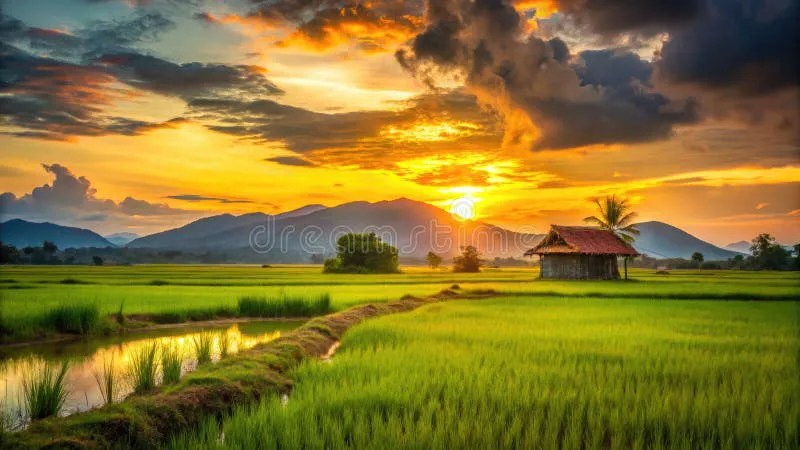
Siem Reap, widely recognized for its ancient temples, also presents significant appeal for those interested in avian observation. The region's diverse ecosystems, including wetlands and flooded forests, provide crucial habitats for a variety of bird species, making it a noteworthy destination for bird enthusiasts. A dedicated tour here offers the chance to witness rare and unique birds, contributing to a comprehensive understanding of Cambodia's natural heritage.

For many travelers, a visit to Cambodia is incomplete without experiencing its natural wildlife, and bird watching stands out as a particularly enriching activity. The opportunity to observe species that are uncommon elsewhere adds a distinct dimension to any travel itinerary. Planning a trip with a focus on these natural encounters can enhance the overall Cambodian experience.
Siem Reap's Avian Diversity and Habitats
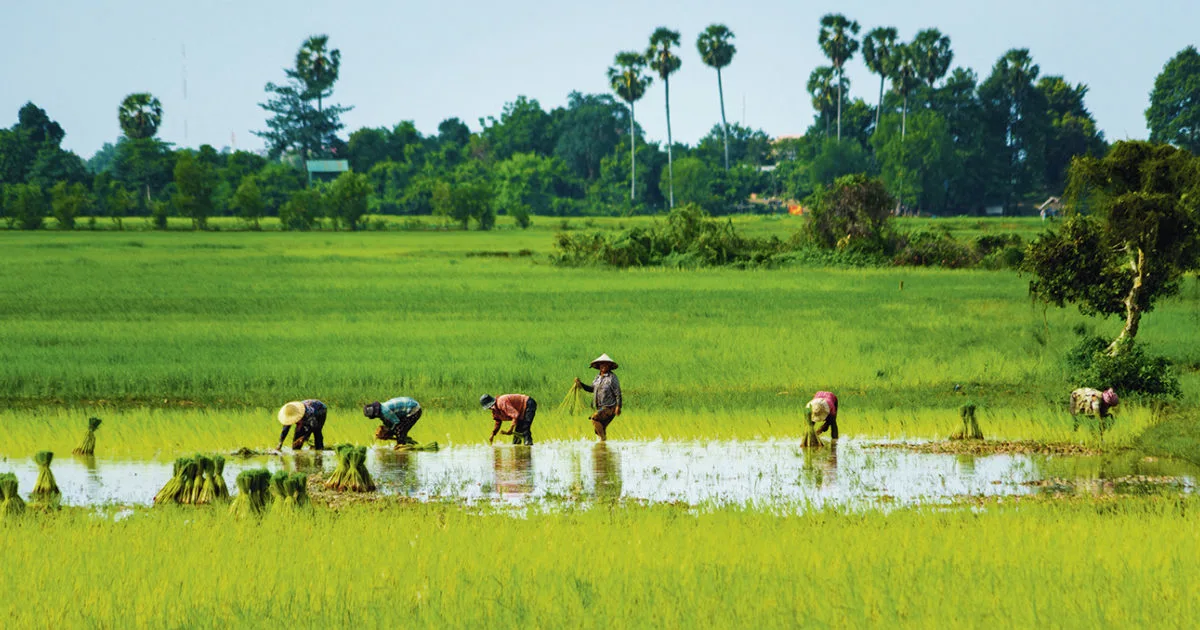
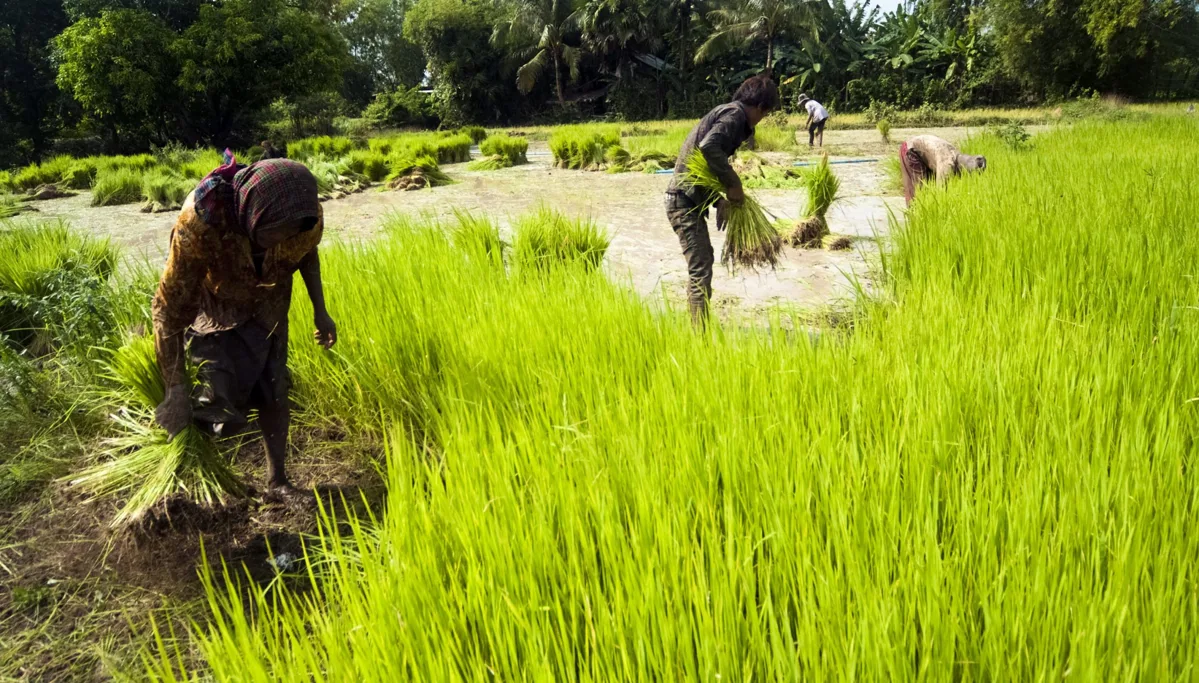
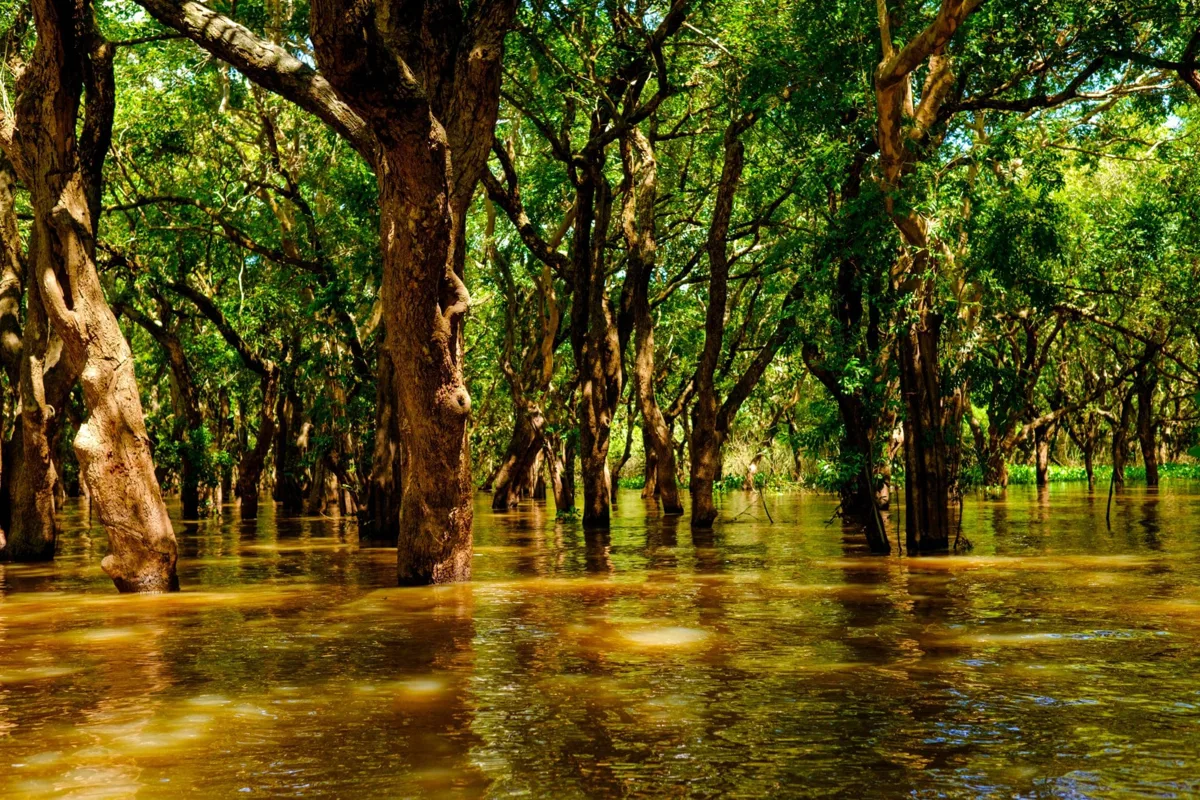
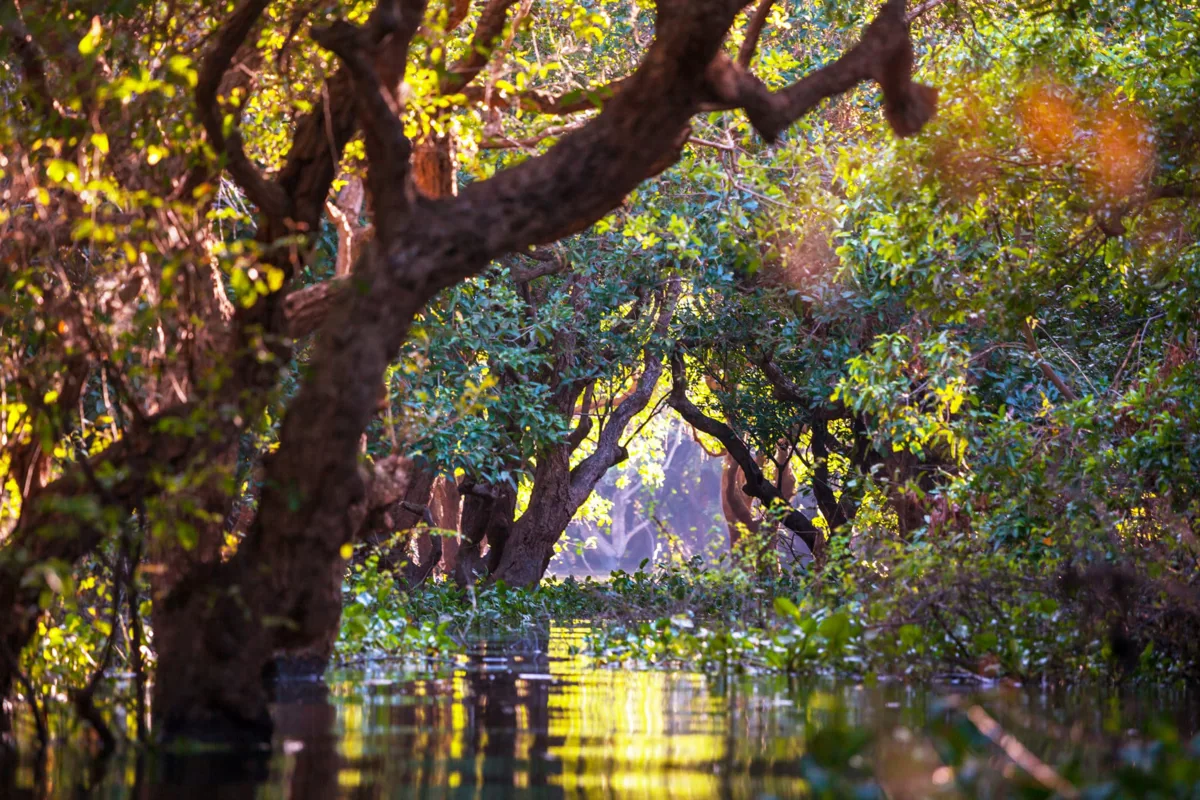
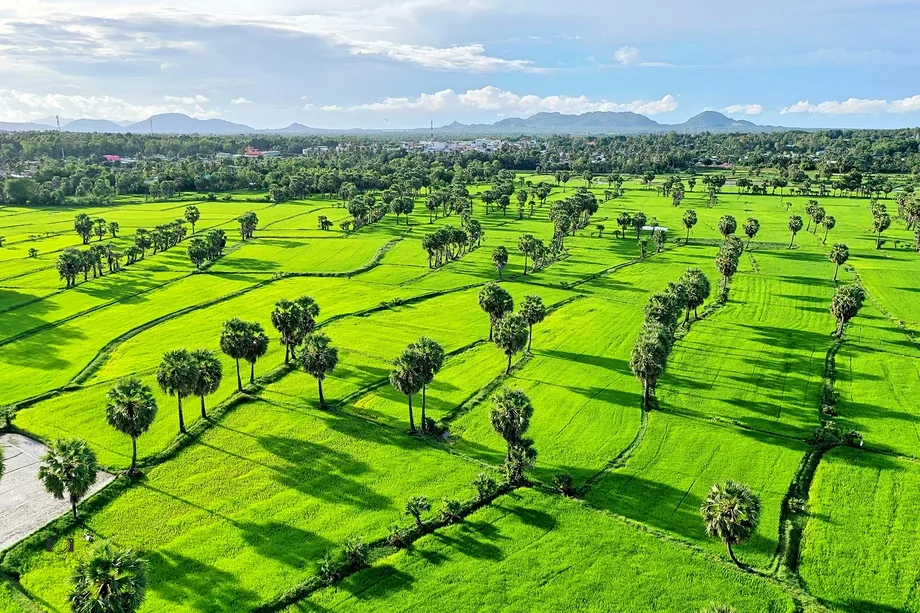
The areas surrounding Siem Reap are characterized by a range of habitats that support a rich array of birdlife. These environments include seasonal wetlands, rice paddies, and remnants of flooded forests, which become particularly important during different times of the year. These varied landscapes create ideal conditions for both resident and migratory birds, offering different viewing experiences depending on the season.
The ecological significance of these habitats extends beyond just supporting bird populations; they are integral to the local ecosystem. Conservation efforts in the region play a role in maintaining these critical areas, ensuring that bird populations can continue to thrive. Visitors contribute to these efforts by engaging in responsible tourism practices and supporting local initiatives focused on wildlife preservation.
Notable Bird Species to Observe
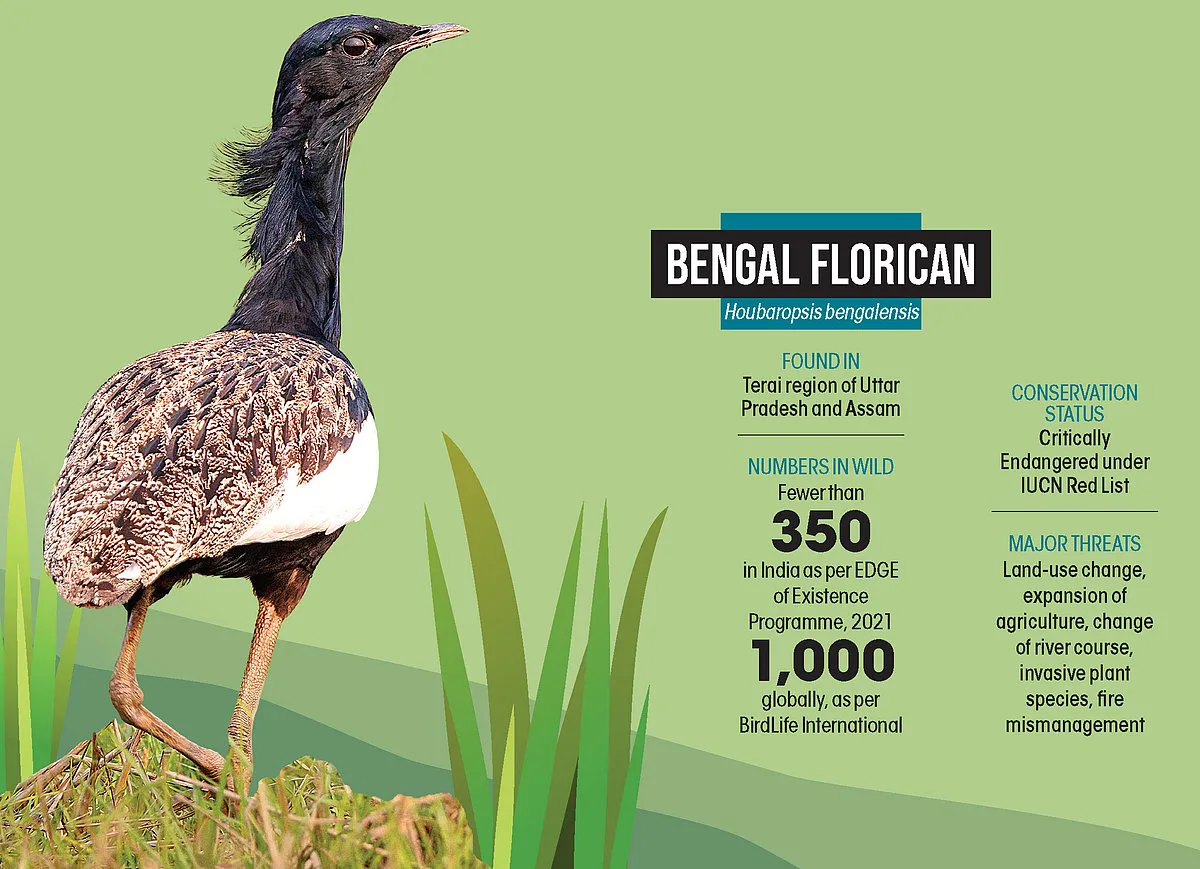
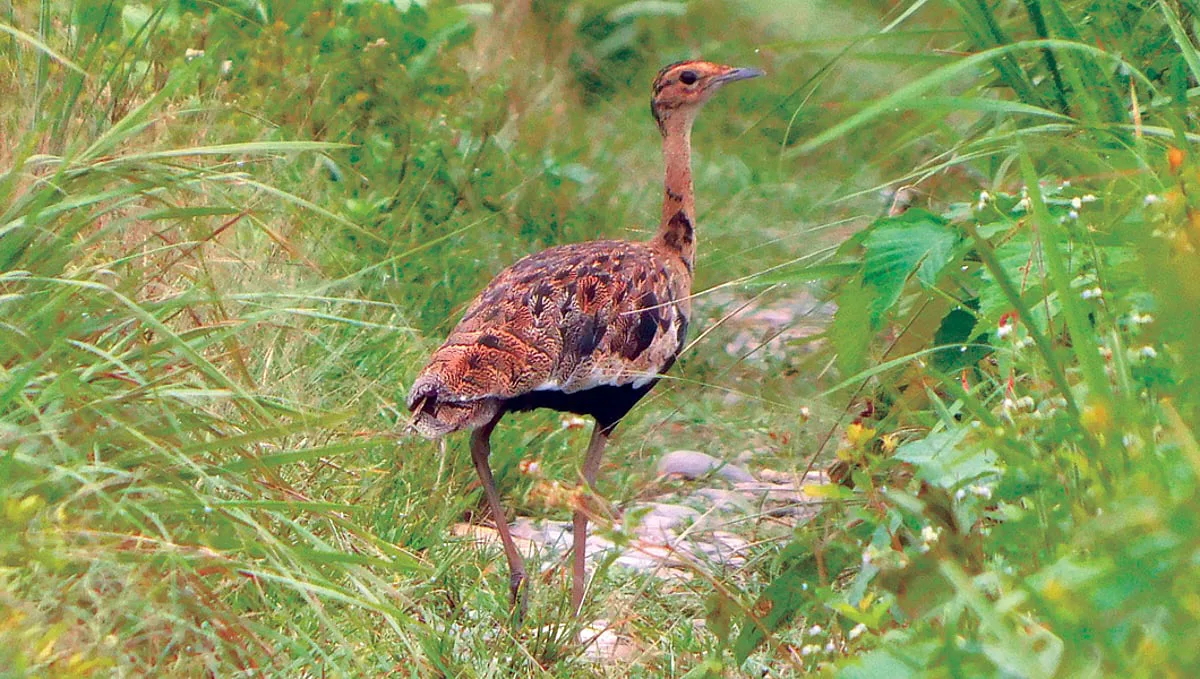
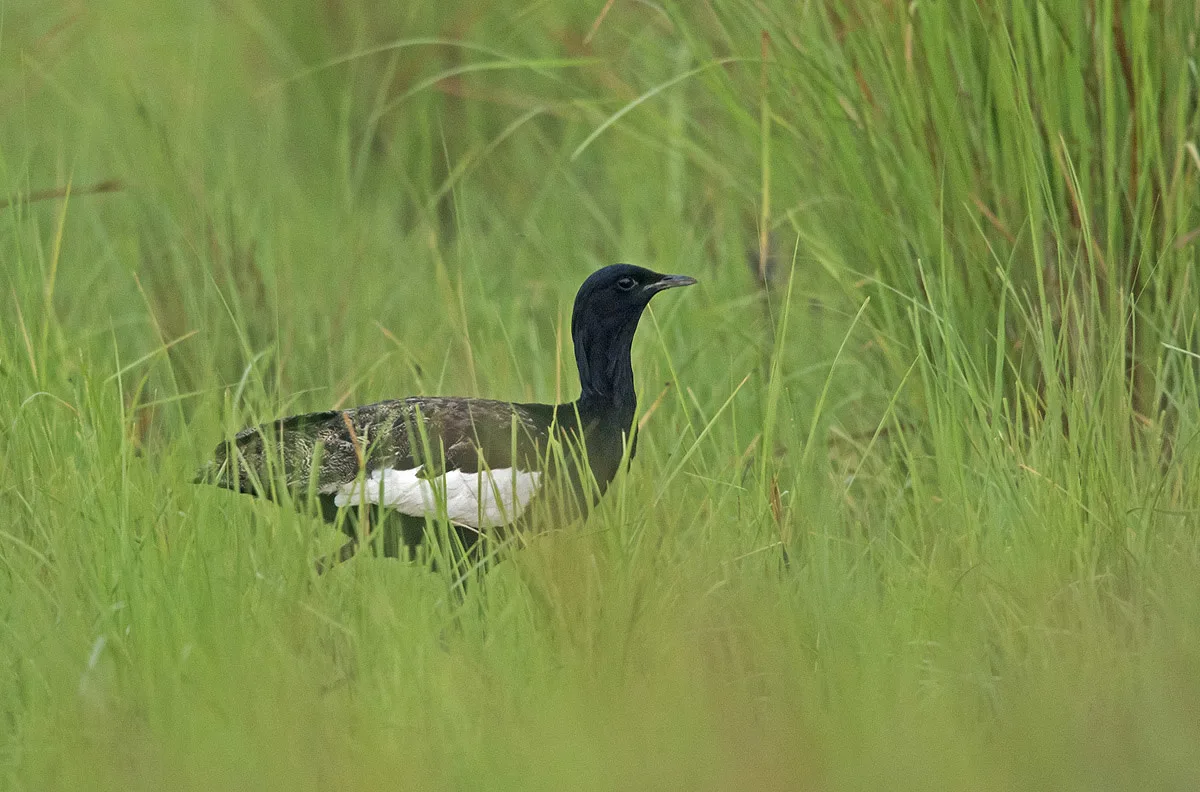
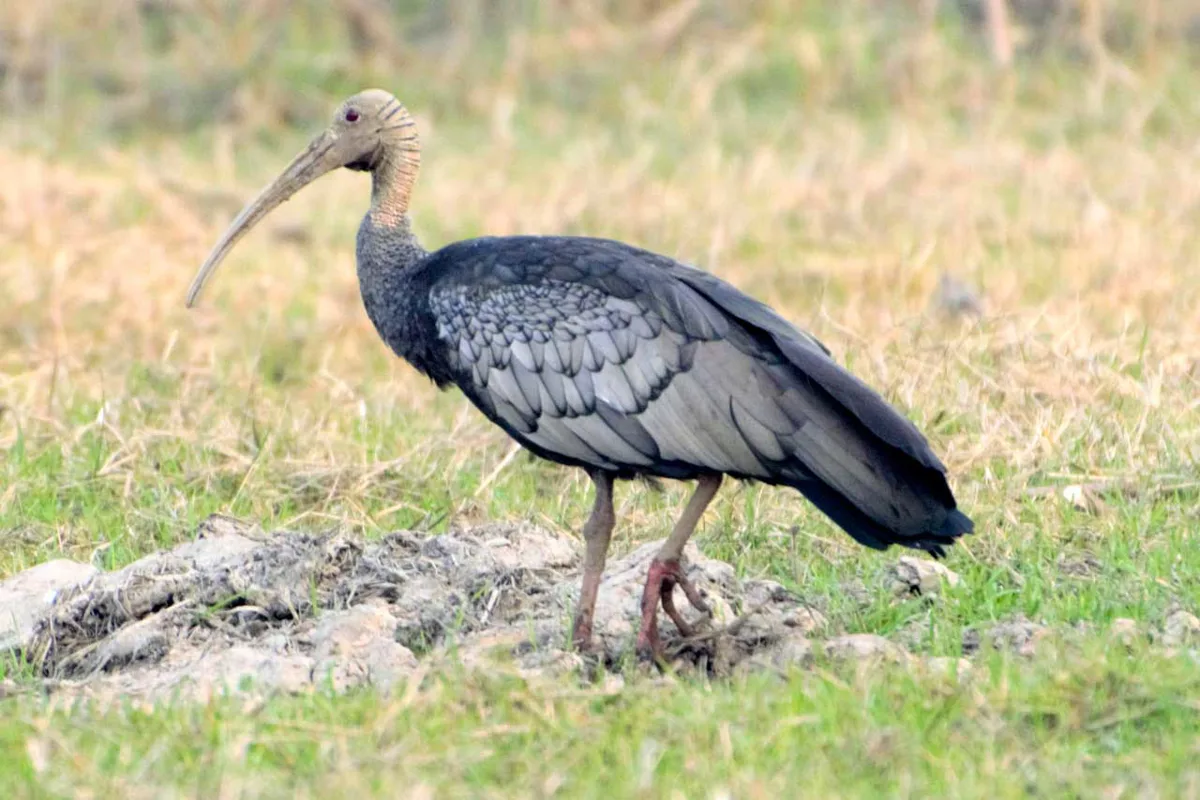
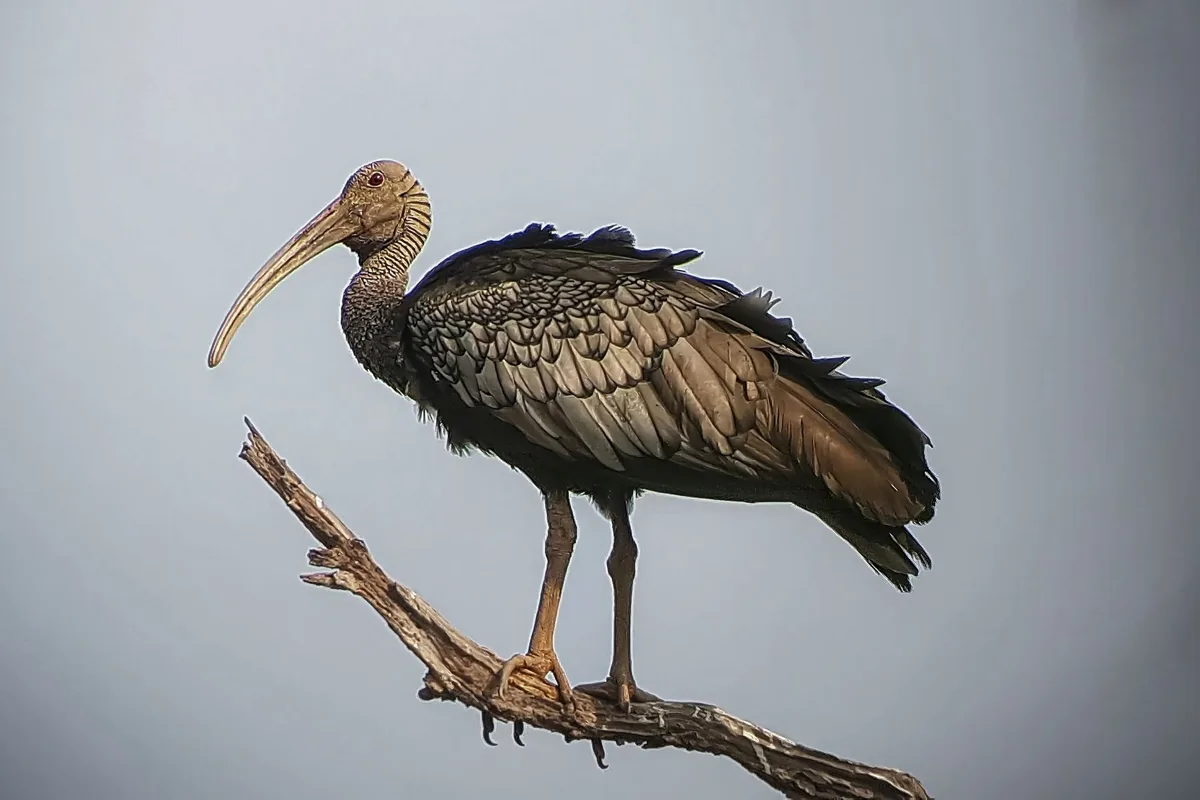
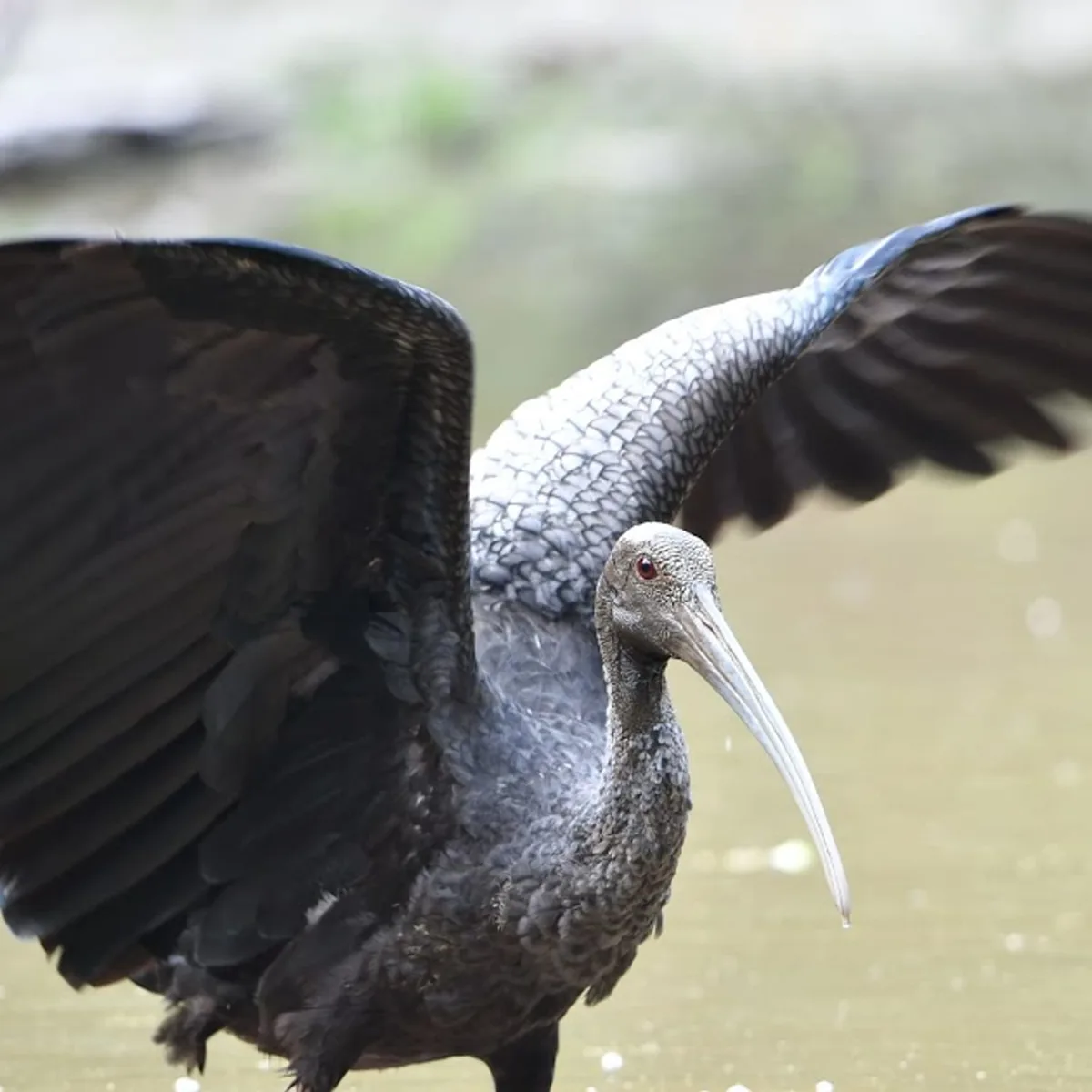
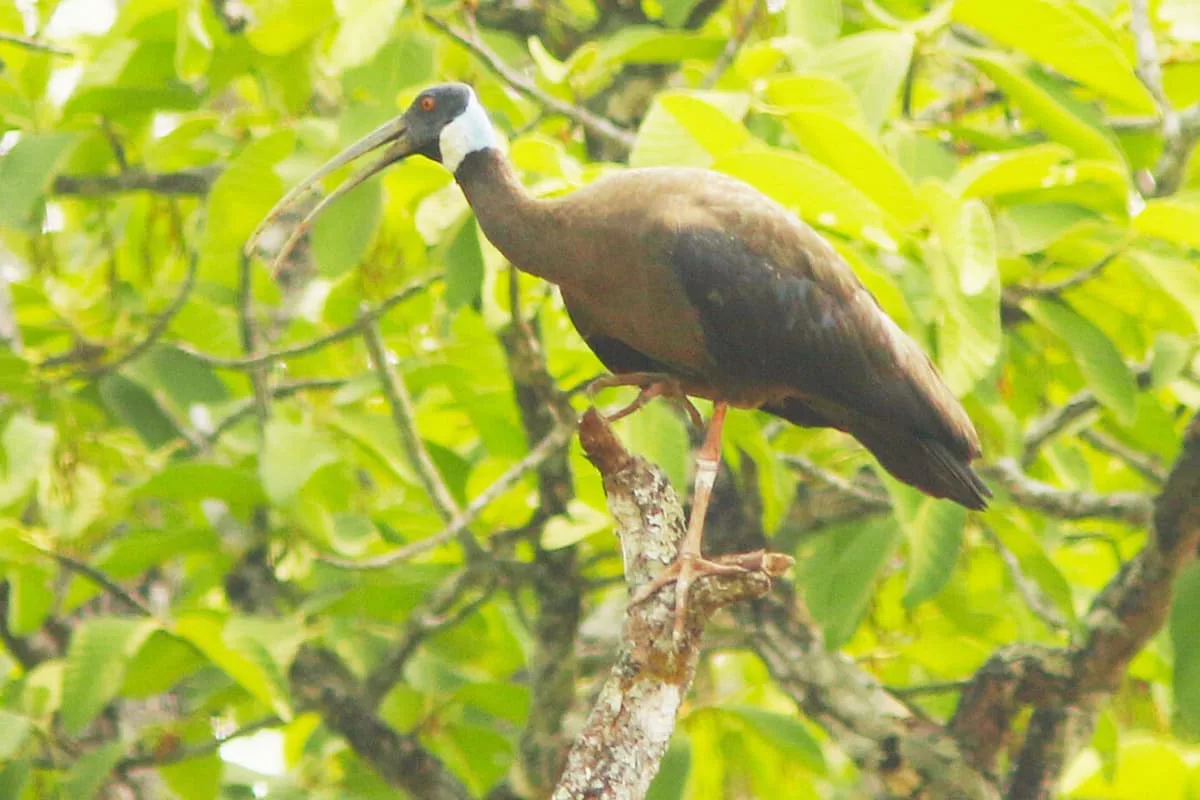
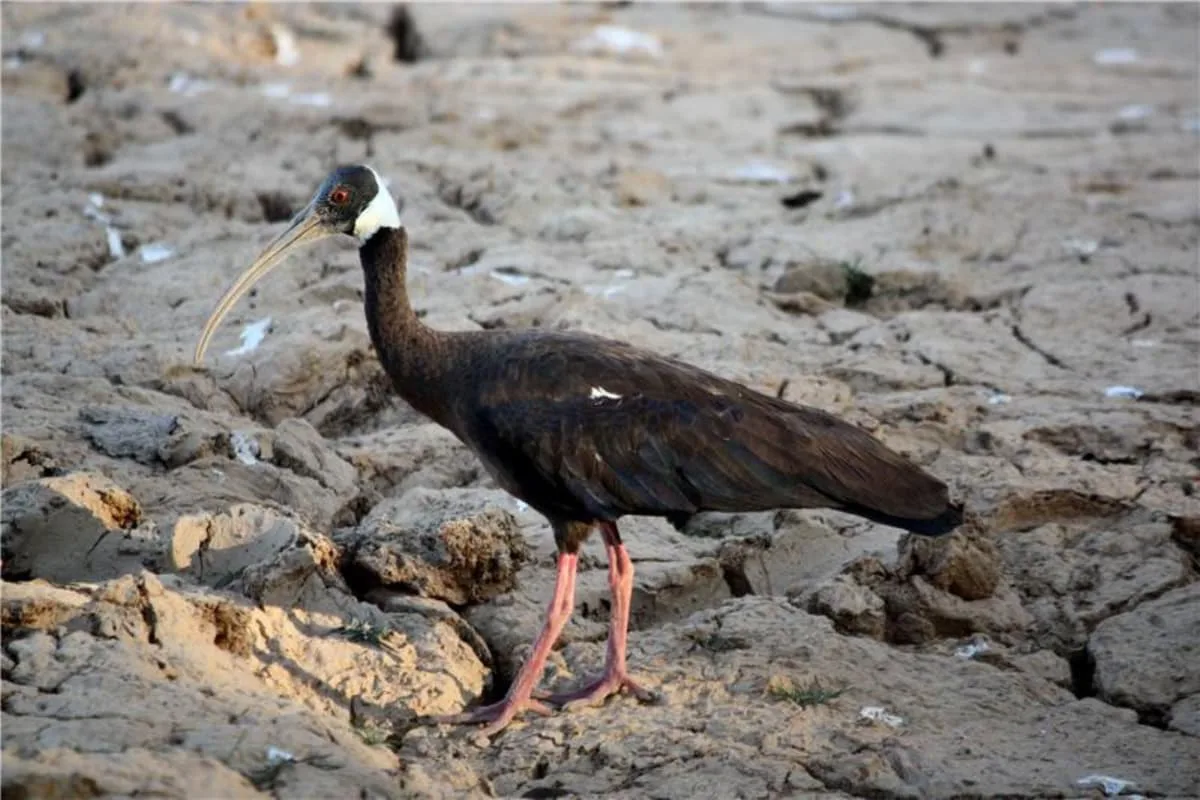
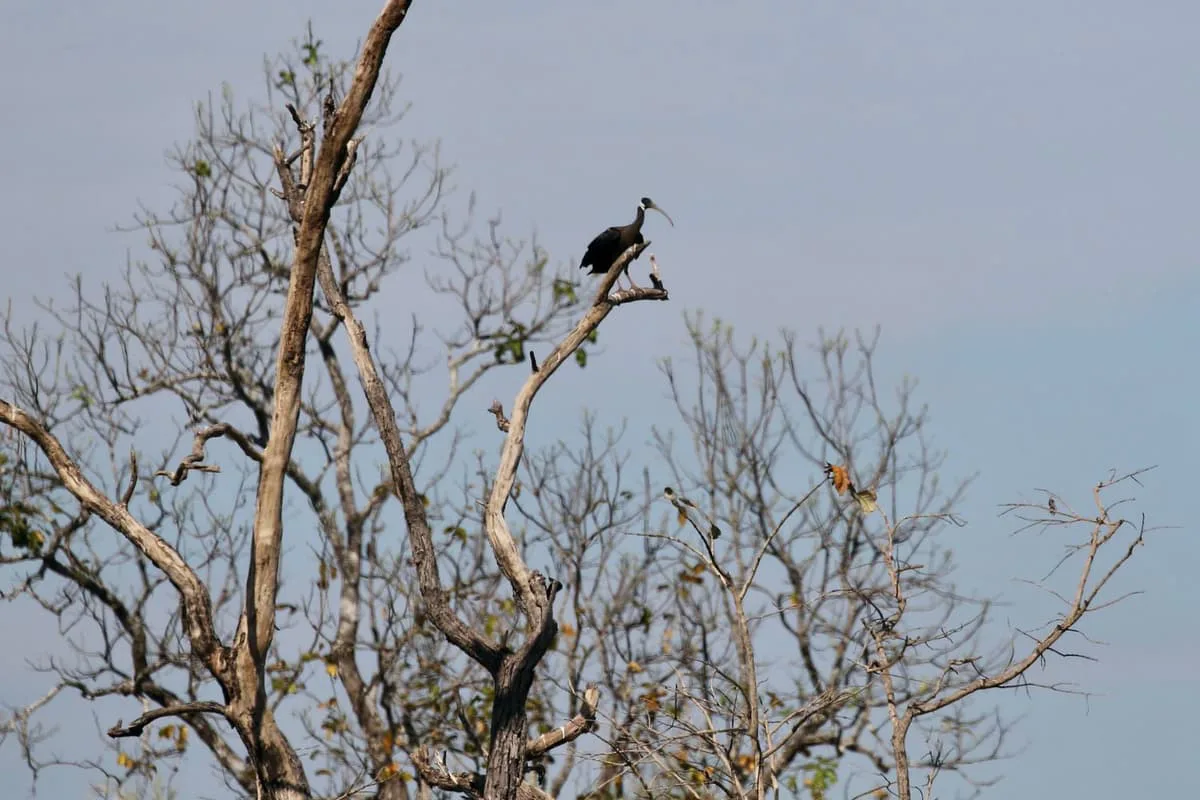
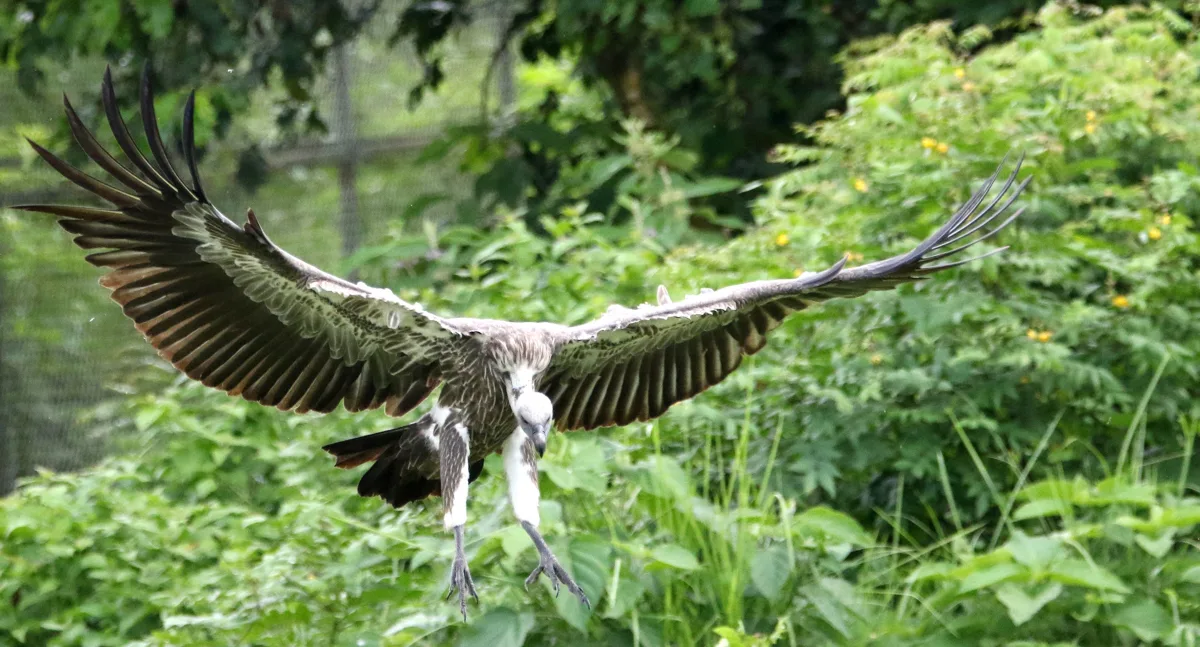
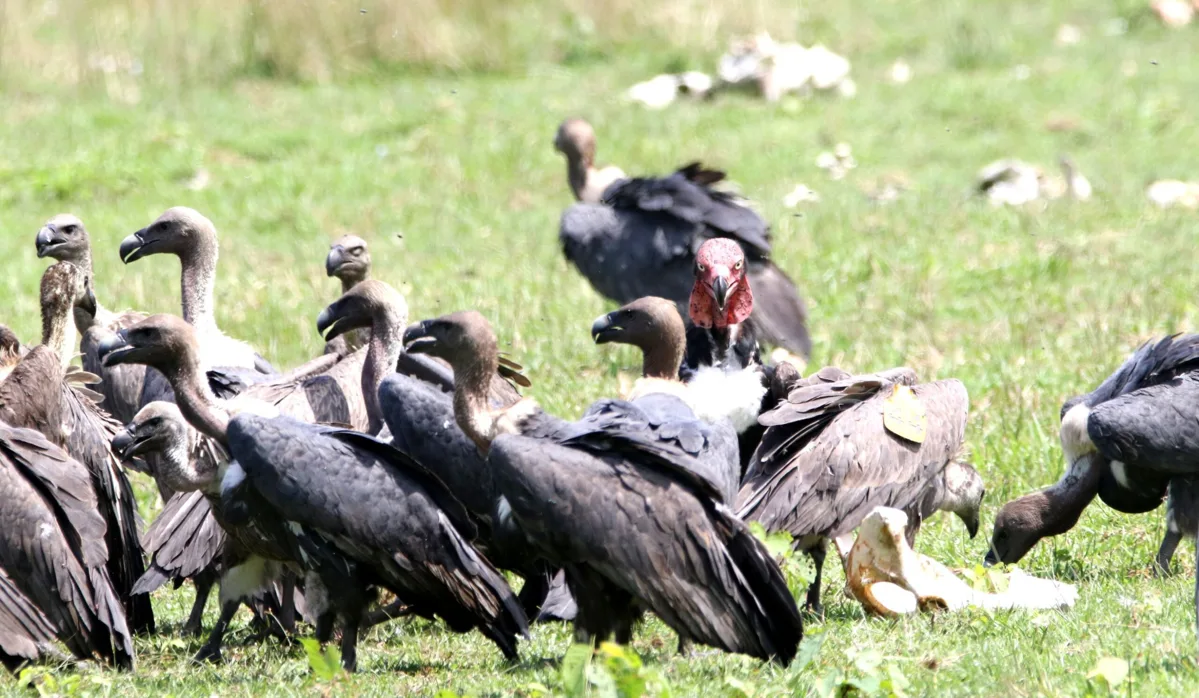
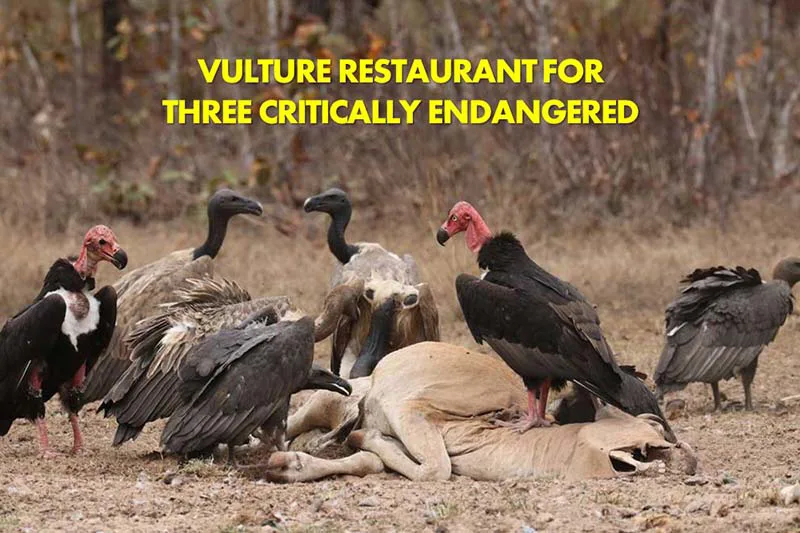
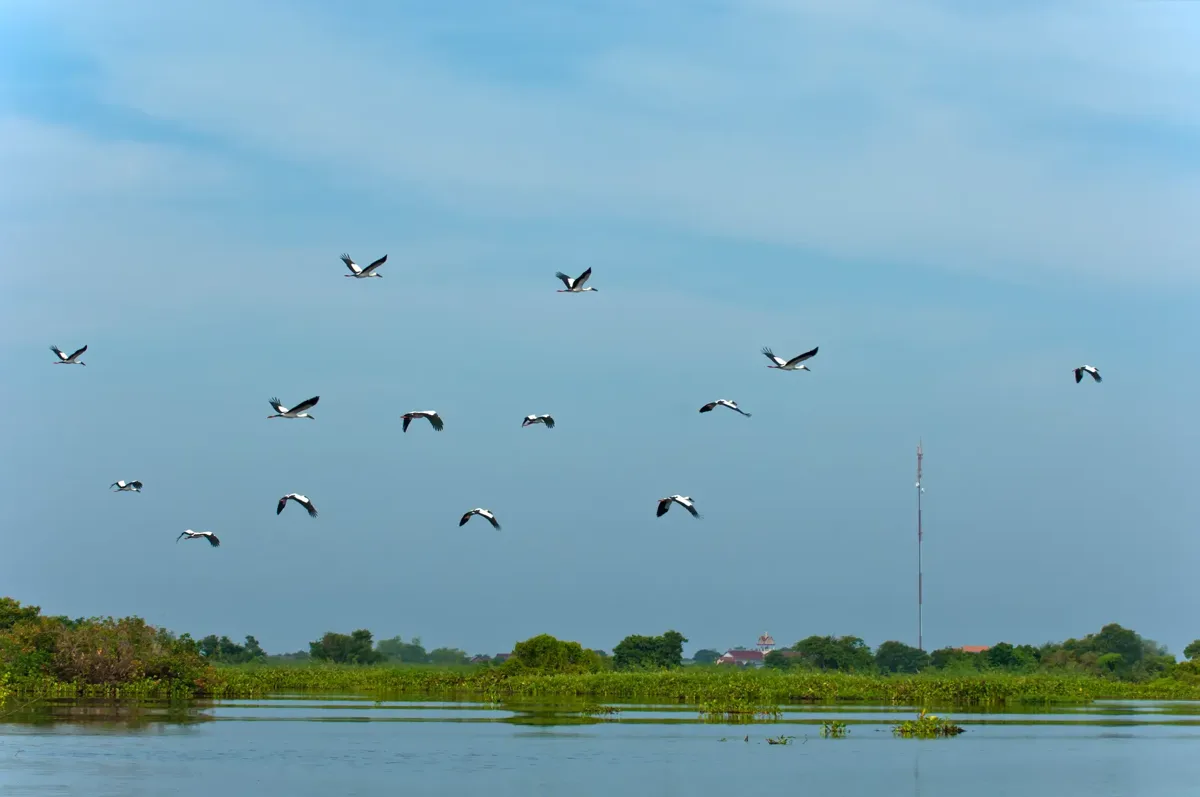
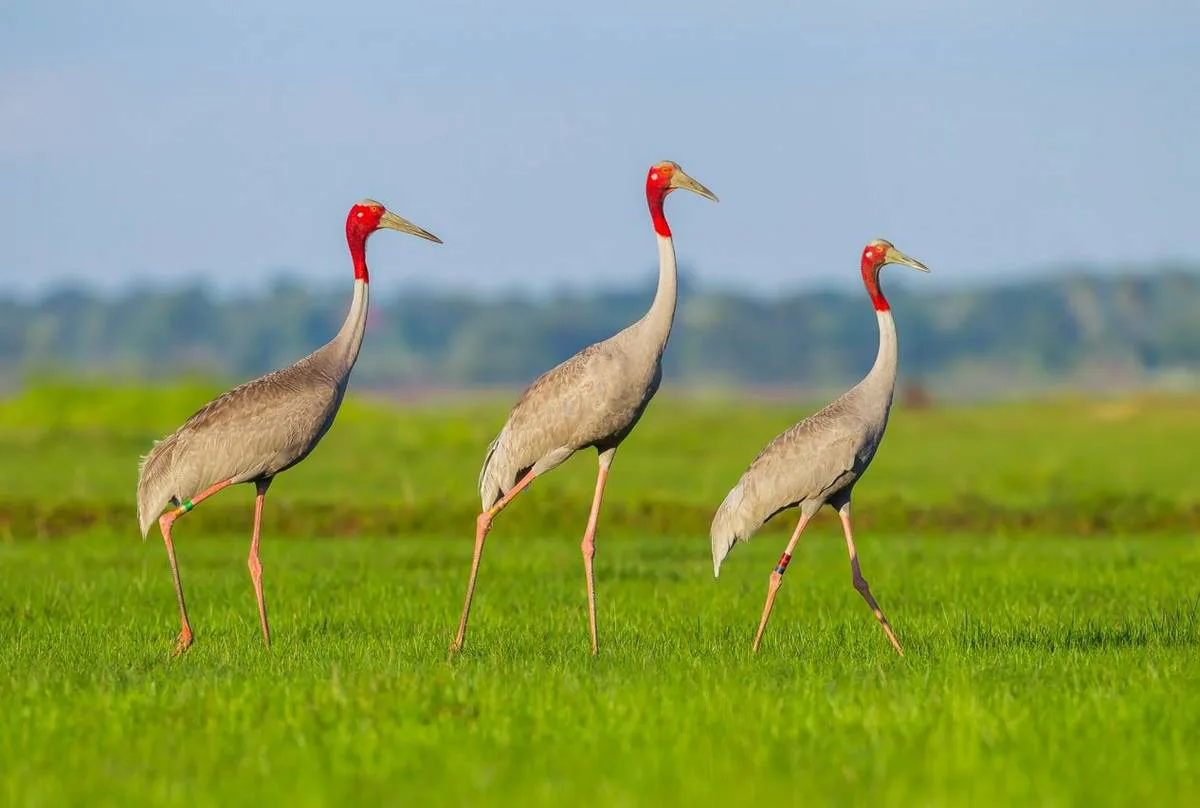
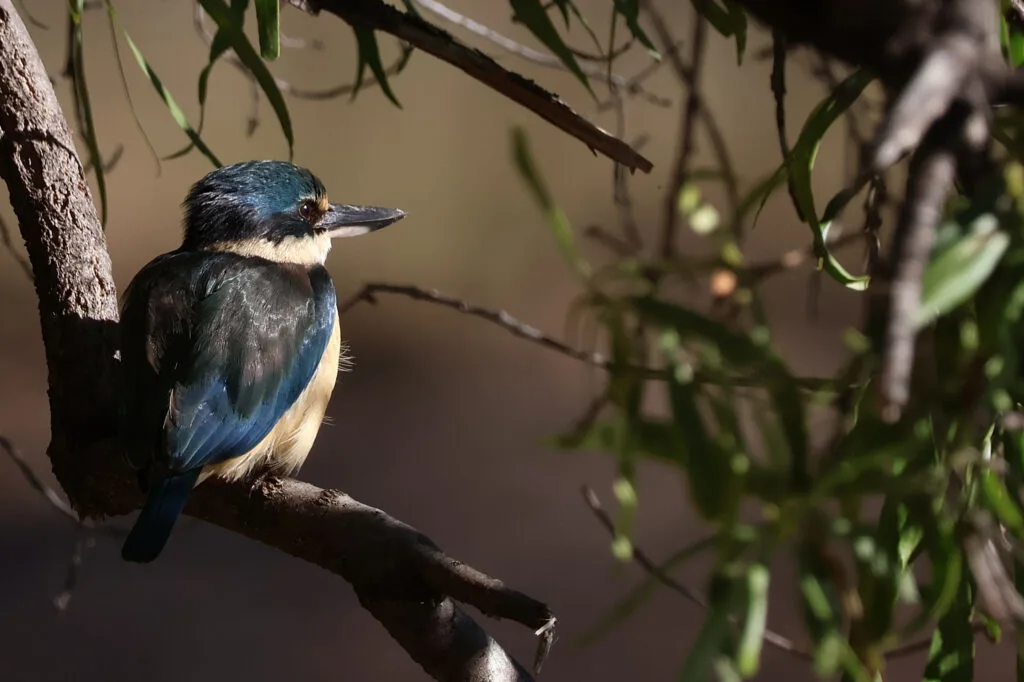
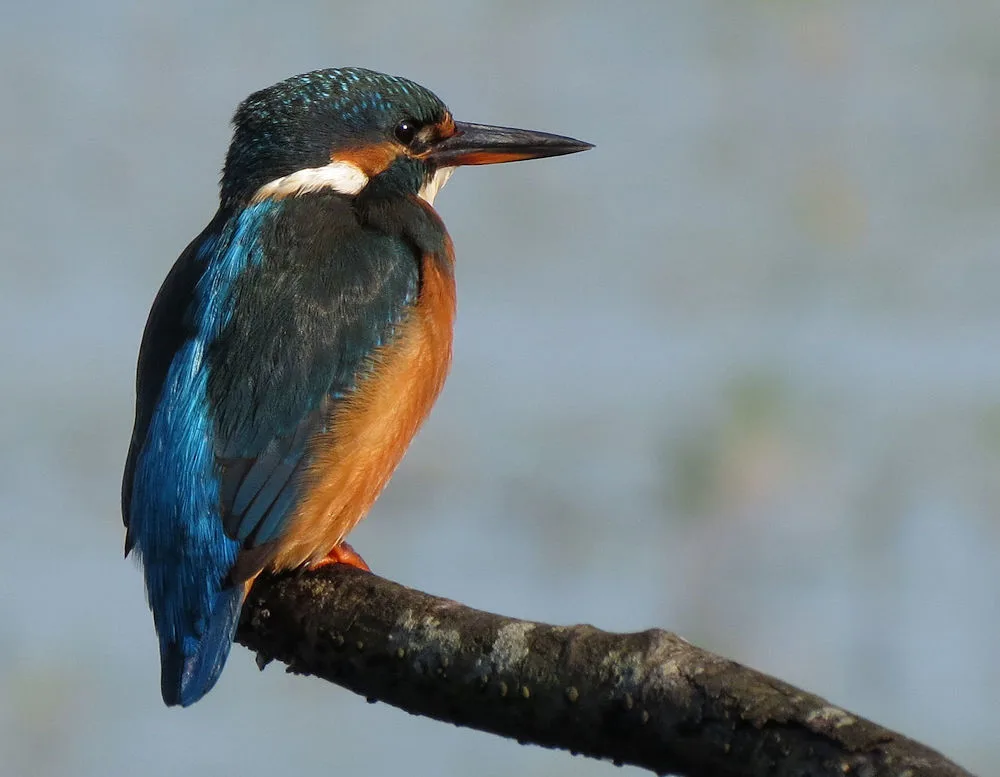
The Siem Reap region is home to an impressive number of bird species, some of which are considered rare or endangered globally. Those undertaking a bird watching tour may encounter a wide spectrum of avian life, from large ground-dwelling birds to smaller, more elusive species.
- Bengal Floricans: These large, critically endangered bustards are a highlight for many bird watchers. They prefer open grasslands and are known for their striking appearance.
- Giant Ibis: As Cambodia's national bird, the Giant Ibis is another critically endangered species that can sometimes be observed in the region's more secluded wetland areas.
- White-shouldered Ibis: This species, also facing significant conservation challenges, shares similar habitats with the Giant Ibis and is a prized sighting for observers.
- Vulture Species: The area is known to host at least three critically rare vulture species, underscoring the importance of its ecosystems for scavenger populations.
- Herons, Waders, and Kingfishers: Beyond the rarer species, numerous herons, various waders, and several types of kingfishers are commonly found around water bodies and marshy areas, providing ample opportunities for observation.
Optimal Viewing Locations and Methods
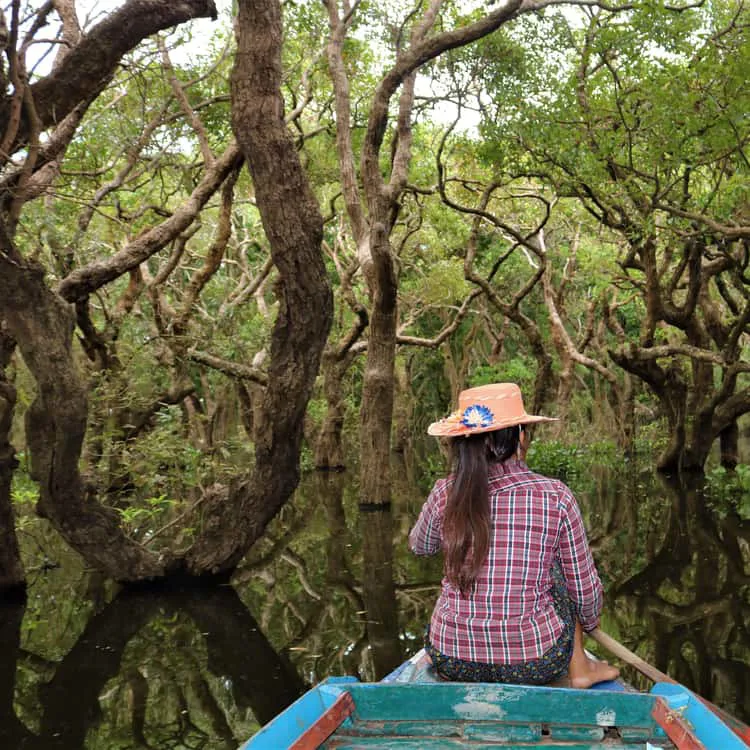
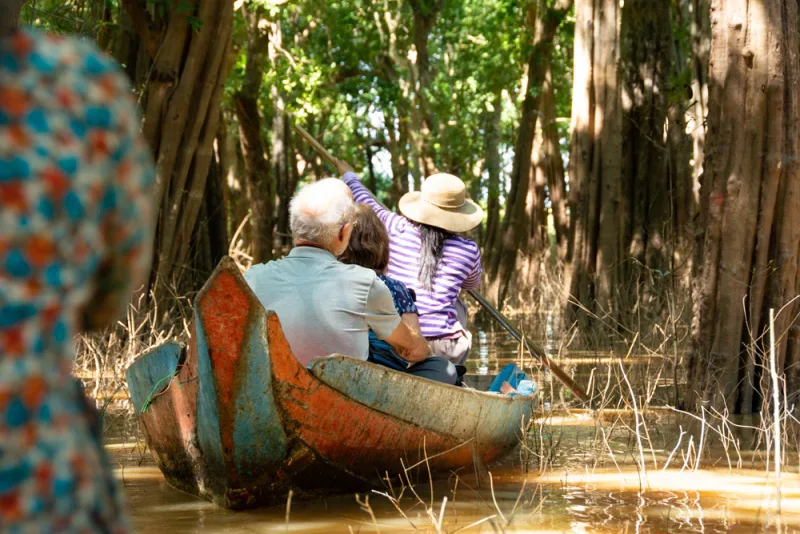
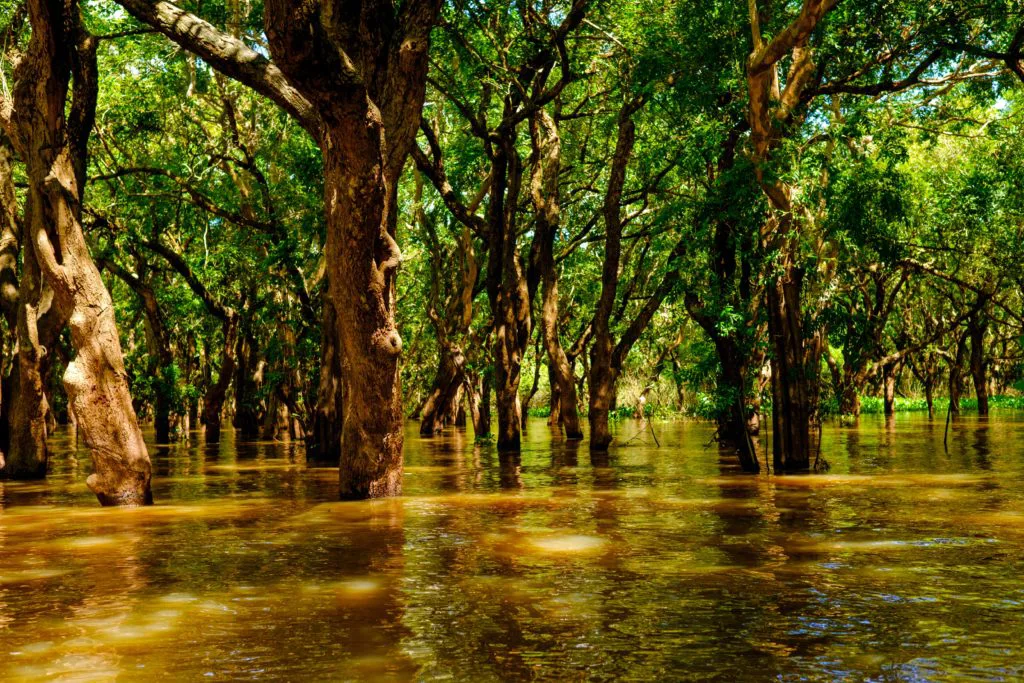
Many of the most productive bird watching sites in the Siem Reap vicinity are situated in less accessible areas, often requiring specialized transport. These locations typically consist of wetlands, flooded woodlands, and specific 'local patches' known to expert guides for their high concentration of avian activity. The precise locations can vary based on water levels and seasonal changes.
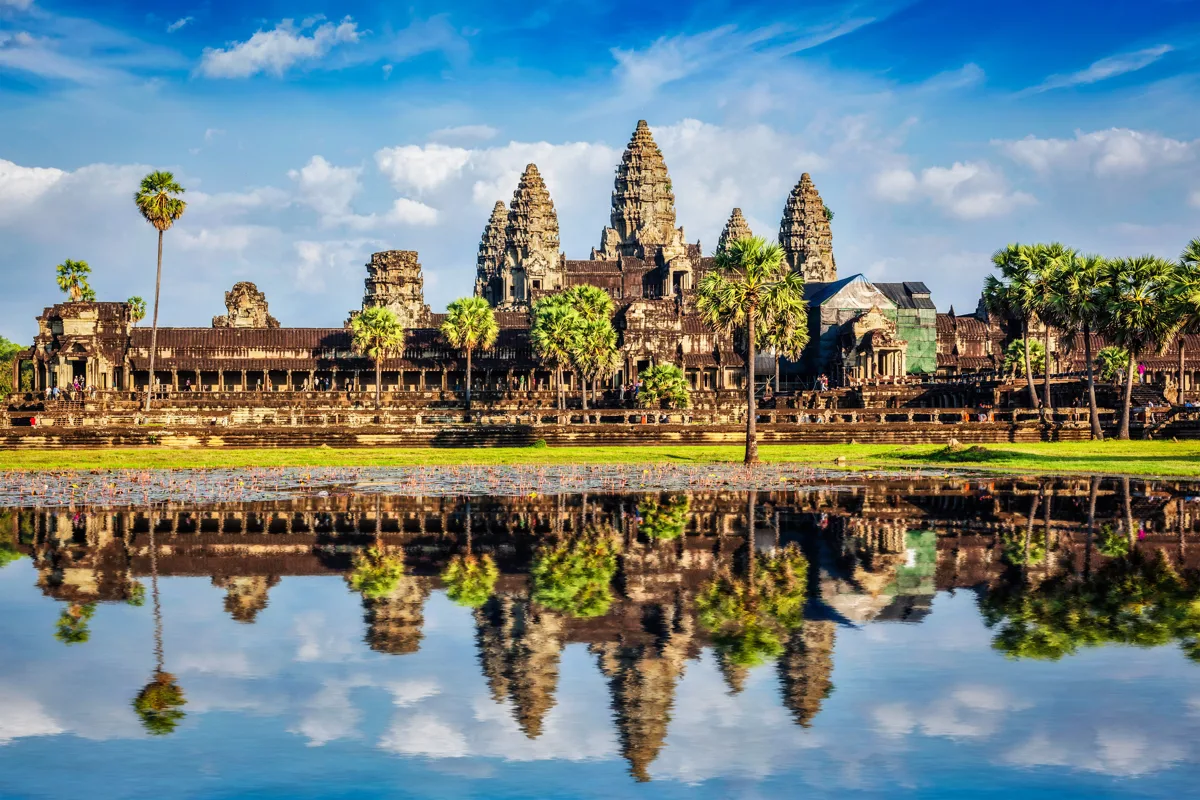
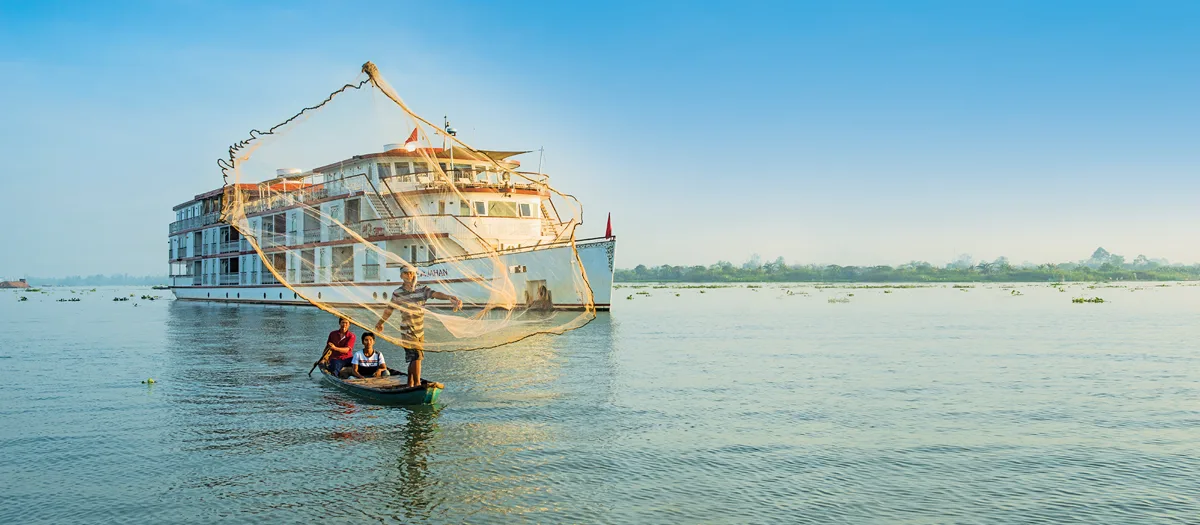
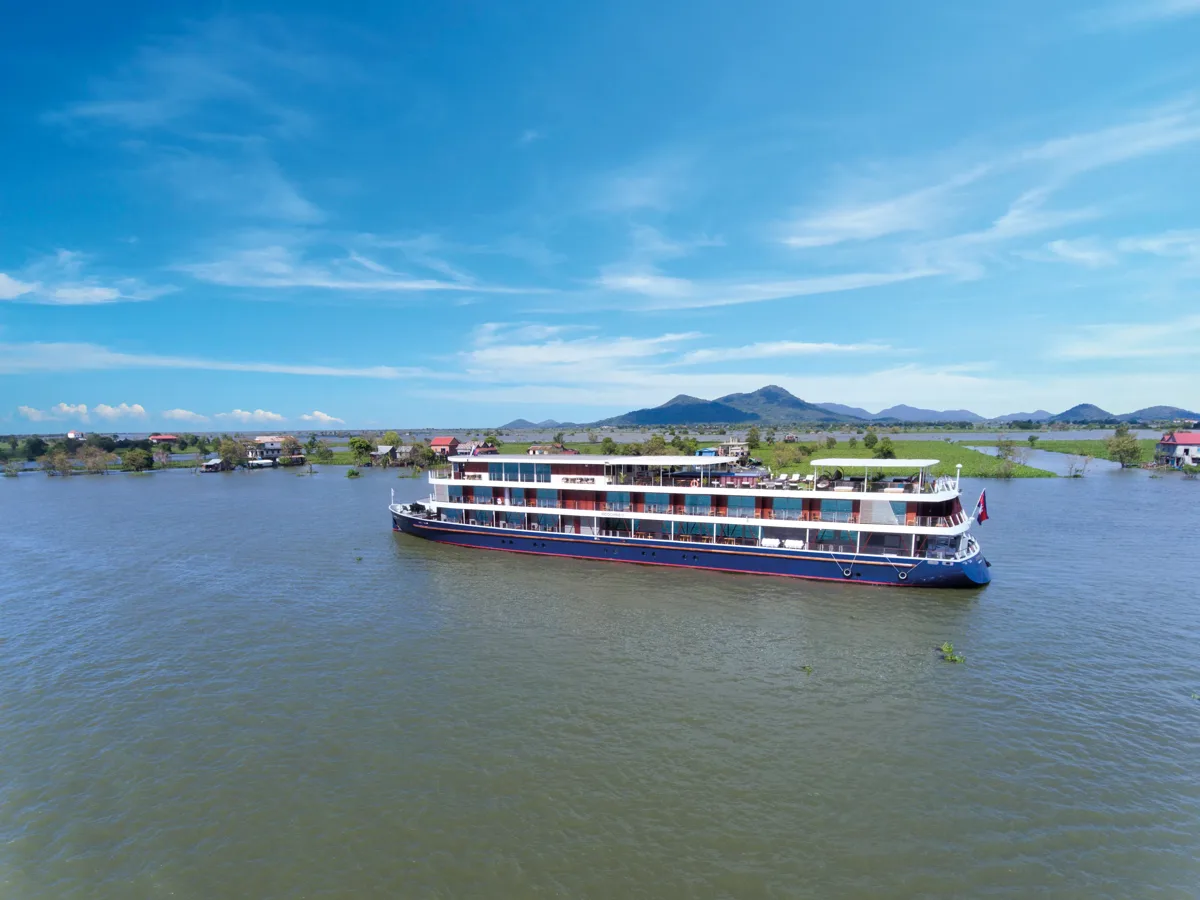
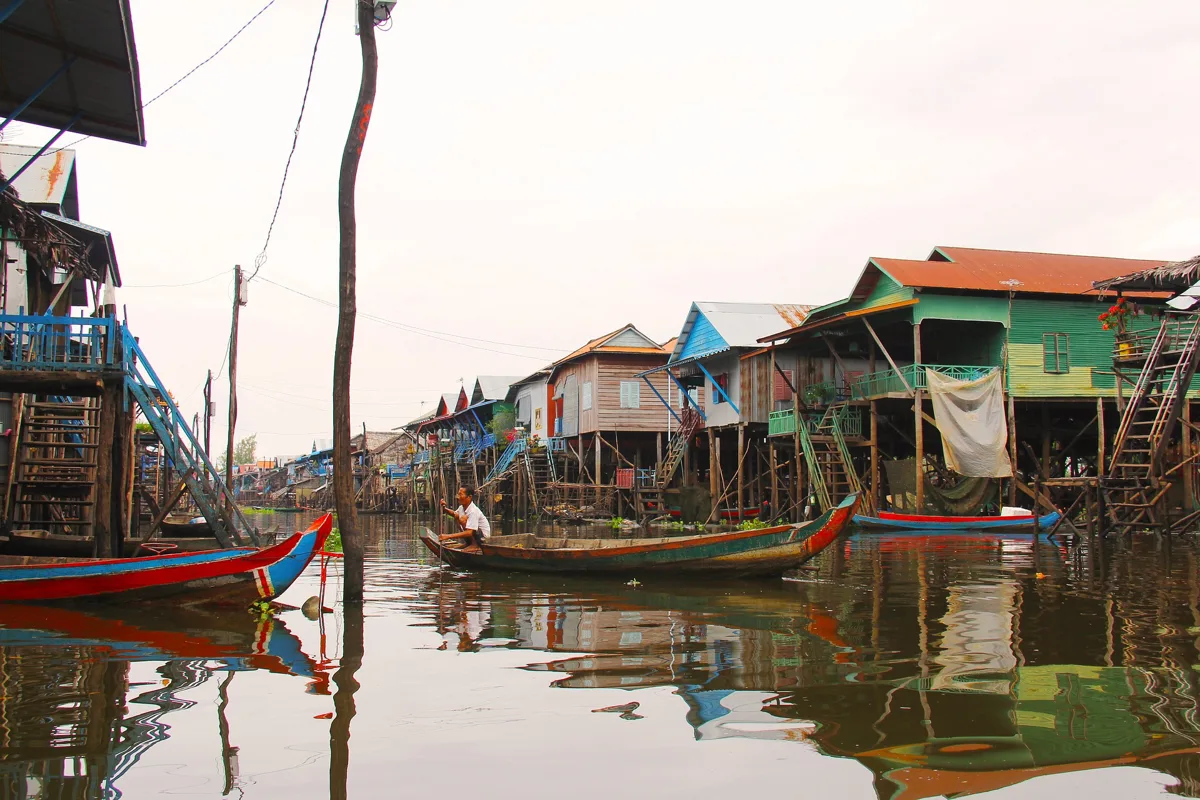
Given the nature of these habitats, much of the bird observation is best conducted from the water. Boat excursions are frequently utilized to navigate through flooded areas and along riverbanks, allowing closer access to bird roosting and feeding grounds without disturbing the wildlife. These boat trips provide a unique perspective and are often essential for reaching the prime viewing spots. For those interested in exploring Cambodia's cultural sites alongside its natural beauty, a comprehensive journey can reveal both ancient wonders and diverse wildlife. Consider a Cambodia's Royal Capital & Angkor Temples – 5 Days tour to experience the breadth of the country's offerings.
Planning Your Bird Watching Tour in Siem Reap
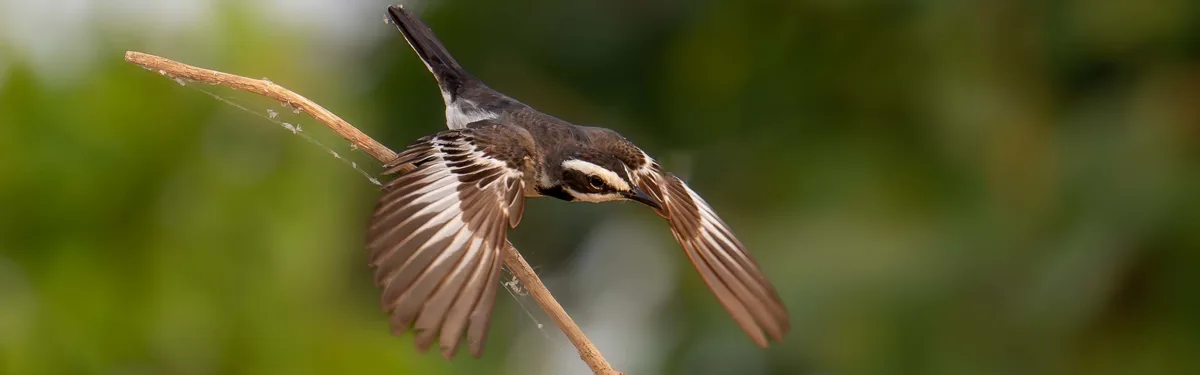
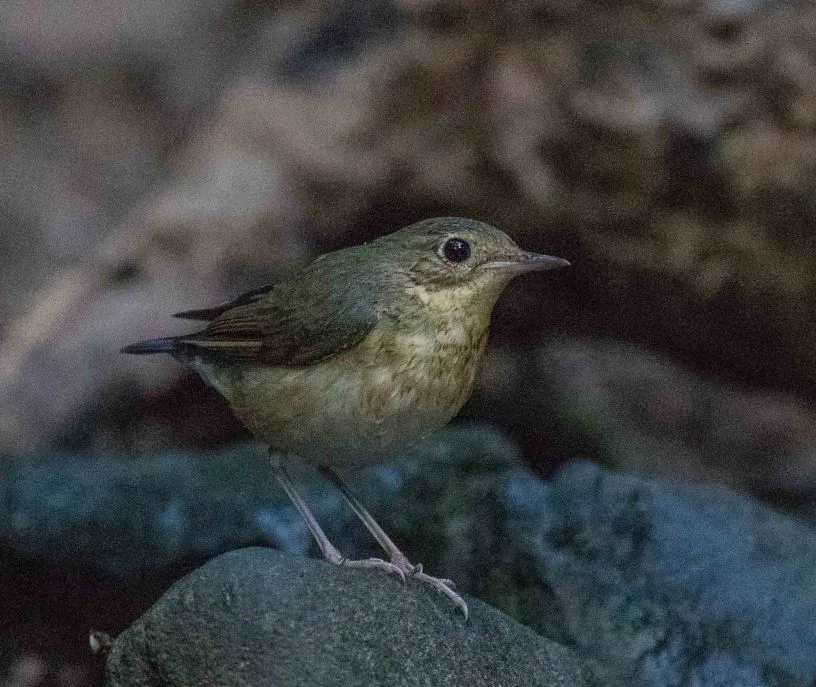
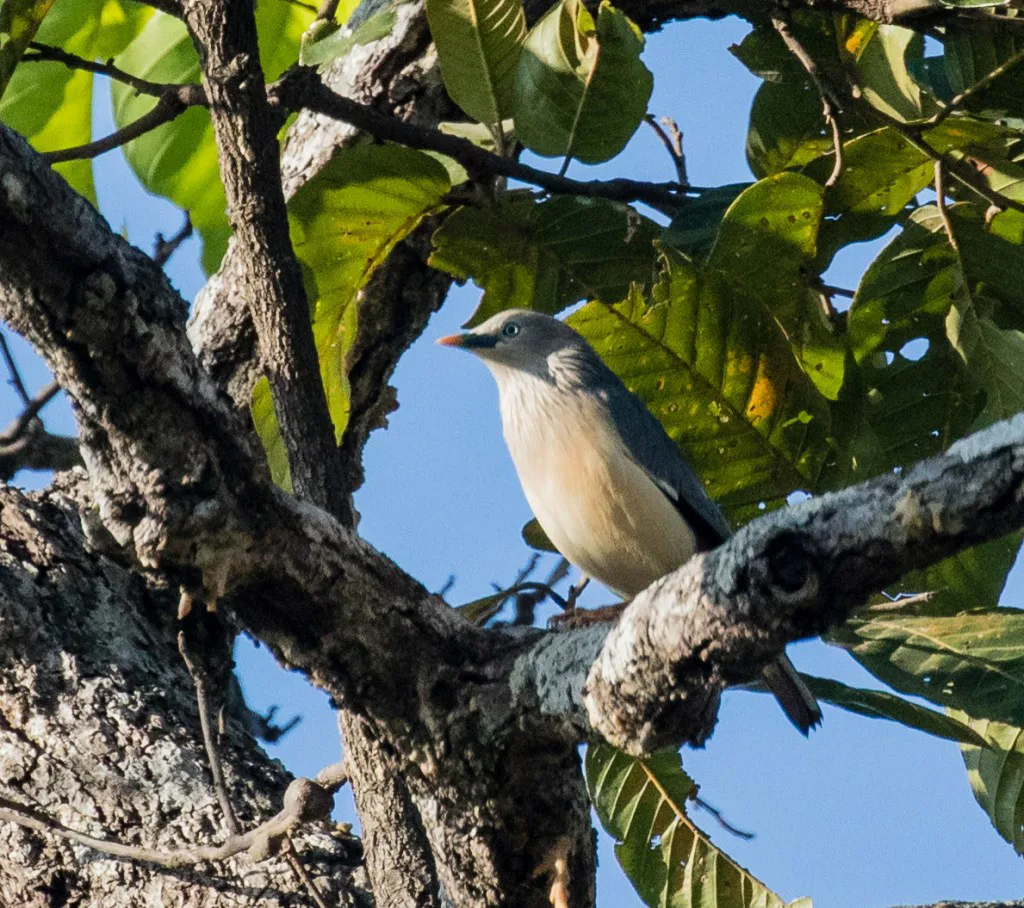
A successful bird watching expedition in Siem Reap often relies on careful planning and the expertise of local guides. Due to the remote nature of many prime viewing areas and the need for specialized transport, engaging with an experienced tour operator is highly recommended. These companies possess the necessary knowledge of routes, bird behaviors, and the best times to visit specific sites.
The source material mentions the Sam Veasna Centre as an organization that can facilitate bird watching tours in the region. While specific contact details like a physical address, phone number, or current operating hours were not provided in the source, visitors typically report that such specialized centers offer valuable guidance and logistical support for these types of excursions. They often provide knowledgeable guides and arrange necessary transportation, including boat trips, to optimize the viewing experience. When planning your wider Southeast Asia trip, consider an Aqua Mekong Expedition from Ho Chi Minh to Siem Reap to combine river exploration with cultural discovery.
Essential equipment for bird watchers includes binoculars for detailed observation and a camera with a good zoom lens for photography. Wearing neutral-colored clothing and bringing insect repellent are also practical considerations. Respecting the birds' natural environment by maintaining a quiet presence and avoiding sudden movements is crucial for ethical viewing.
Seasonal Considerations for Bird Enthusiasts
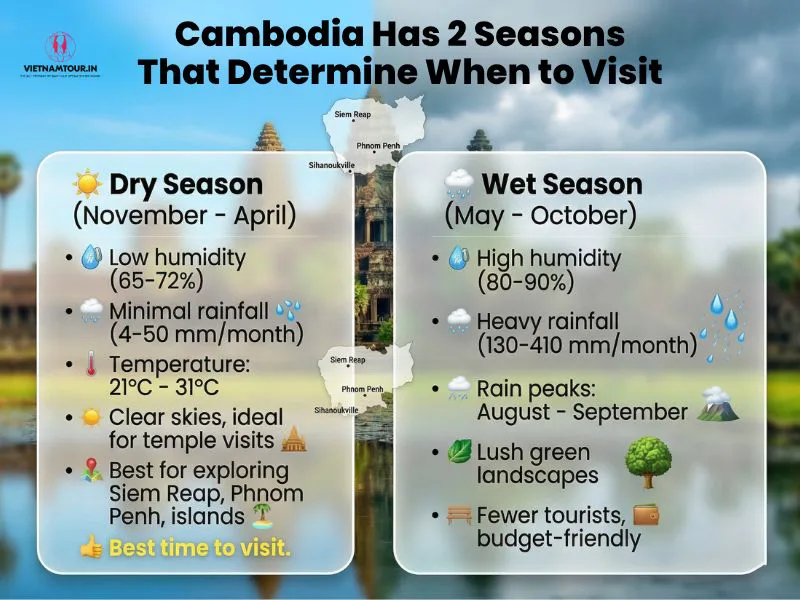
The timing of your visit to Siem Reap can significantly influence the bird species you encounter and the overall viewing experience. Cambodia experiences distinct wet and dry seasons, each offering different advantages for bird watching.
The dry season, typically from November to May, often concentrates water birds around remaining water sources, making them easier to spot. This period also generally offers more comfortable weather for outdoor activities. Conversely, the wet season, from June to October, brings lush landscapes and can attract different migratory species, though accessibility to some areas might be more challenging due to higher water levels. Consulting with local experts or tour operators can help determine the optimal period based on your specific interests in avian observation. For travelers interested in the broader cultural landscape of the country, understanding Cambodia for Muslim Travelers can provide additional insights into local customs and hospitality.
Frequently Asked Questions About Bird Watching in Siem Reap
What types of birds are most commonly seen in Siem Reap?
While rare species like the Bengal Florican and Giant Ibis are significant draws, visitors commonly observe a variety of herons, waders, and kingfishers around the region's wetlands and waterways. The specific sightings can depend on the season and the exact location visited.
Is specialized equipment necessary for bird watching?
While not strictly mandatory, binoculars are highly recommended for observing birds from a distance without disturbance. A camera with a telephoto lens can also enhance the experience for photography enthusiasts. Comfortable, neutral-colored clothing and insect repellent are practical items to bring.
Are there guided tours available for bird watching in Siem Reap?
Yes, guided tours are widely available and often recommended. Local tour operators and specialized centers, such as the Sam Veasna Centre mentioned in the source, provide experienced guides who know the best locations and can help identify various species. These tours often include necessary transportation, including boat travel to remote areas.
What is the best time of year for bird watching in Siem Reap?
The dry season, generally from November to May, is often considered ideal for bird watching as receding water levels concentrate birds, making them easier to locate. However, the wet season can also offer unique opportunities to see different species and lush environments.
Are the bird watching areas easily accessible from Siem Reap town?
Many of the prime bird watching locations are situated outside of Siem Reap town and require travel to more remote wetland or forest areas. Access often involves driving and then transferring to a boat, especially for sites within flooded landscapes. Tour operators typically arrange all necessary transport.








