
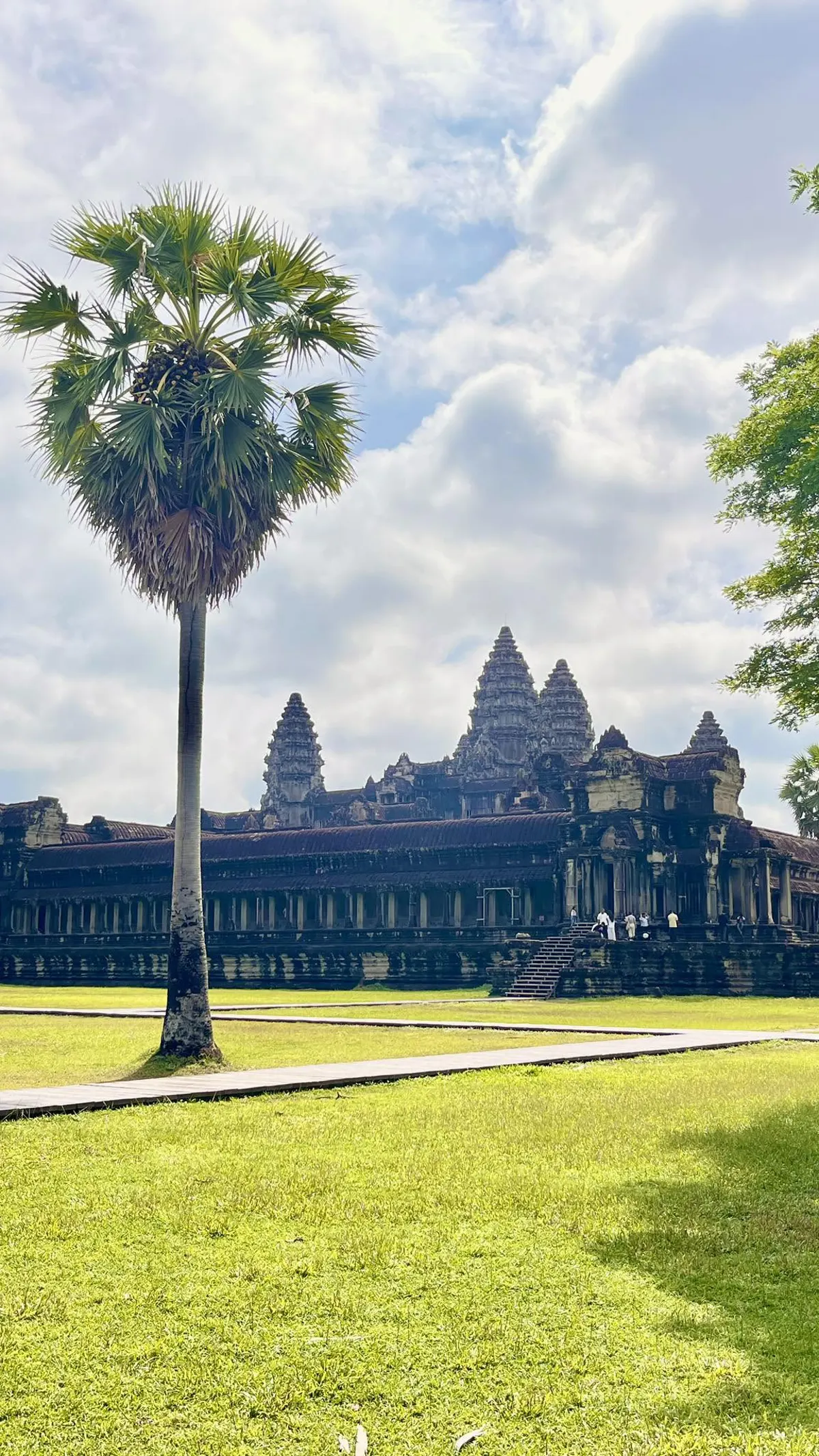
A four-day visit to Siem Reap provides a structured opportunity to explore the extensive temple complexes of Angkor and other significant cultural sites in Cambodia. This suggested itinerary offers a framework for experiencing the historical depth and architectural grandeur of the region, from the iconic Angkor Wat to the intricate carvings of Banteay Srei and the expansive grounds of Angkor Thom. It aims to guide travelers through the most prominent attractions, ensuring a comprehensive overview of the ancient Khmer civilization's legacy.
Planning Your Arrival and Initial Exploration in Siem Reap
The provided itinerary suggests that visitors will be met upon arrival at Phnom Penh airport. From this point, arrangements are made for a transfer to a hotel located centrally within Siem Reap city, where guests can complete their check-in process. Siem Reap, serving as the provincial capital in northwestern Cambodia, acts as the primary gateway for those wishing to explore the historical wonders of the Khmer Empire.
Siem Reap itself offers a diverse environment, combining traditional Cambodian culture with modern tourist facilities. Accommodation options are plentiful and varied, ranging from establishments reflecting local village styles to contemporary hotels and beautifully preserved colonial buildings. Beyond lodging, the city is home to silk farms and various markets, contributing to its unique character. After settling into their chosen accommodation, travelers have the remainder of the first day to acclimate and begin their acquaintance with Siem Reap's immediate surroundings, perhaps by visiting local shops or experiencing the city's general atmosphere.
Exploring the Grandeur of Angkor Thom and Angkor Wat
The second day of the itinerary is dedicated to the central and most renowned components of the Angkor archaeological park. Typically, a guide will meet visitors at their accommodation to facilitate transportation to the temple complex. The morning usually commences with an exploration of Angkor Thom, which served as the last and most enduring capital city of the Khmer empire, established in the 12th century. Within Angkor Thom, several key sites await discovery, including the impressive South Gate, which features colossal statues depicting the ancient Hindu myth of the churning of the ocean of milk. A highlight is the Bayon Temple, distinctive for its 54 towers, each adorned with over 200 serene, smiling faces of Avalokitesvara. Further exploration within this area includes the Elephants Terrace and the Terrace of the Leper King, both offering insights into the ceremonial life of the Khmer rulers.
Following these sites, a visit to Ta Prohm is included in the morning schedule. This particular temple is widely recognized for its unique integration with the surrounding jungle environment, where massive trees have grown through and around its stone structures, creating a striking and somewhat mysterious appearance. In the afternoon, the itinerary transitions to Angkor Wat, which stands as the most famous of all temples on the Angkor plain. This sprawling temple complex spans nearly 81 hectares, a size comparable to Beijing's Imperial Palace. Angkor Wat is celebrated not only for its sheer scale but also for its distinctive five towers, which are prominently emblazoned on the Cambodian national flag. Art historians frequently cite this 12th-century masterpiece as a prime example of classical Khmer art and architecture. Symbolically, Angkor Wat's five towers are understood to represent the five peaks of Mount Meru, a sacred mountain in Hindu and Buddhist cosmology, while its enclosed wall signifies the mountains at the world's edge, and the surrounding moat symbolizes the cosmic ocean beyond. After a full day of exploration, visitors are typically transferred back to their hotel for rest and refreshment.
Discovering Banteay Srei and the Outer Temples of the Grand Circuit
Day three extends the exploration further afield, encompassing Banteay Srei Temple and other significant sites that form part of the Grand Circuit. The morning typically begins with a drive to Banteay Srei Temple, a 10th-century structure that stands out for its exceptionally intricate and well-preserved carvings, often referred to as a "jewel in the crown of classical Khmer Art" due to its distinctiveness and smaller, more refined scale. Following this, the itinerary moves to Banteay Samre, a complex notable for its relatively complete state of preservation, which was achieved through meticulous restoration utilizing the anastylosis method, a technique involving the reassembly of fallen architectural elements.
After a midday meal, often enjoyed at a local restaurant, the afternoon continues with visits to several other temples, including Takeo, Thommanon, and Chau Say Tevoda. Subsequently, the journey leads to Preah Khan temple, a substantial complex constructed by King Jayavarman VII. Like Ta Prohm, Preah Khan features an extensive network of towered enclosures and shoulder-hugging corridors. However, it is generally found in a better state of preservation, with ongoing restoration efforts contributing to its maintenance and improvement. The route then encompasses Neak Pean, a unique fountain structure built in the middle of a pool, which is said to represent the paradisiacal Himalayan mountain lake. This site is notably guarded by stone figures of harnessed elephants and is sometimes referred to in conjunction with Ta Som and Eastern Mebon. The day culminates at Pre Rup, a mountain temple, where visitors can experience the sunset over the surrounding landscape before being transferred back to their accommodation, marking the conclusion of the day's services.
Practical Advice for Navigating Siem Reap and the Angkor Region
When planning a visit to Siem Reap, considering the practical aspects of temple exploration is essential for a comfortable experience. The vast scale of the Angkor Archaeological Park means that comfortable and durable footwear is highly advisable, as a significant amount of walking is typically involved. Additionally, preparing for Cambodia's tropical climate, which can include both heat and sudden rain, is prudent; lightweight, breathable clothing and rain protection are recommended. Many visitors find that hiring a local guide or a tuk-tuk driver for transport between sites enhances their experience, providing both logistical convenience and valuable historical context. This allows for a more focused exploration of the ancient structures without the concern of navigation.
Siem Reap and its surrounding areas offer a wide array of dining choices, catering to various tastes. Travelers can enjoy authentic Cambodian cuisine at local eateries or opt for international dishes available in more tourist-oriented establishments. For those whose journey might involve transit through Cambodia's capital, a dining guide to Phnom Penh can offer useful insights into the culinary options available there. While this itinerary provides a structured plan, flexibility is always an option, allowing travelers to adjust their schedule based on personal interests and preferred pace. It is always recommended to verify current entry requirements, ticket prices, and operational hours for all sites, as these details can change over time and are crucial for smooth travel planning.
Key Temples and Their Historical Significance
This table summarizes the primary temple complexes highlighted in the itinerary, detailing their historical period and most notable features, offering a quick reference for travelers:
| Temple Complex | Primary Era | Key Features |
|---|---|---|
| Angkor Thom | 12th Century (Khmer Empire) | Last capital city of Khmer Empire; South Gate with churning milk statues; Bayon Temple with 200+ smiling faces of Avalokitesvara; Elephants Terrace; Terrace of the Leper King. |
| Angkor Wat | 12th Century (Khmer Empire) | World's largest religious monument; five iconic towers featured on Cambodian flag; considered a pinnacle of classical Khmer art and architecture; symbolizes Mount Meru. |
| Ta Prohm | Late 12th - Early 13th Century | Known as the "jungle temple" due to massive tree roots integrated with stone structures; largely preserved in its discovered state, offering a unique aesthetic. |
| Banteay Srei | 10th Century | Celebrated for exceptionally intricate and detailed pink sandstone carvings; smaller scale compared to other major temples; often called a "jewel of classical Khmer art." |
| Preah Khan | Late 12th Century | Built by King Jayavarman VII; extensive complex of towered enclosures and corridors; relatively well-preserved with ongoing restoration efforts; served as a Buddhist university and temple. |
| Neak Pean | Late 12th Century | Unique fountain structure in a central pool; represents the mythical Himalayan mountain lake; guarded by stone elephant figures; part of a larger hospital complex. |
Departure from Siem Reap
On the fourth and final day of the itinerary, following an optional breakfast, arrangements are made for departure from Siem Reap. The itinerary specifies a transfer from Siem Reap to "Angkor International Airport in Phnom Penh" for the scheduled onward flight. This concludes the comprehensive exploration of Siem Reap's historical sites, providing visitors with a deep appreciation for the architectural and cultural achievements of the ancient Khmer civilization.
Frequently Asked Questions About Visiting Siem Reap Temples
What is the most effective way to navigate the extensive Angkor temple complex?
The most common and often recommended method for traversing the Angkor temple complex is to hire a tuk-tuk driver for the day. This provides convenient, shaded transportation between the various sites and allows for flexibility in scheduling. Alternatively, some visitors opt to rent bicycles for a more active experience, although the distances between certain temples can be substantial. For those preferring structured guidance, many organized tours include air-conditioned vehicle transport.
Is an Angkor Pass mandatory for accessing all temples within the park?
Yes, an Angkor Pass is a prerequisite for entry to the vast majority of temples located within the Angkor Archaeological Park, including prominent sites like Angkor Wat, Angkor Thom, and Banteay Srei. These passes are available for purchase in durations of one, three, or seven days from official ticket counters, and it is advisable to acquire them before commencing your temple visits.
What type of clothing is appropriate for visiting the temples?
When visiting the temples, modest attire is strongly advised as a sign of respect for their religious significance. This generally means ensuring that shoulders and knees are covered. Given Cambodia's warm and humid climate, lightweight, breathable fabrics such as cotton or linen are ideal. Comfortable walking shoes are also essential, as exploring the temple grounds often involves considerable walking and climbing.
Is it possible to witness the sunrise at Angkor Wat?
Indeed, observing the sunrise over Angkor Wat is a highly popular and memorable experience for many travelers. The temple complex typically opens sufficiently early to allow visitors access before dawn. To secure a favorable viewing position, especially during peak season, it is recommended to arrive well in advance, as the area around the main reflecting pools can become quite crowded.
Are food and beverage options readily available at the temple sites?
Yes, numerous vendors and small, informal restaurants are situated around the primary temple areas. These establishments offer a range of options, including traditional Cambodian dishes, light snacks, and various beverages. It is always a good practice to carry your own bottled water, particularly during the hotter months, to ensure adequate hydration throughout your day of exploration.








