
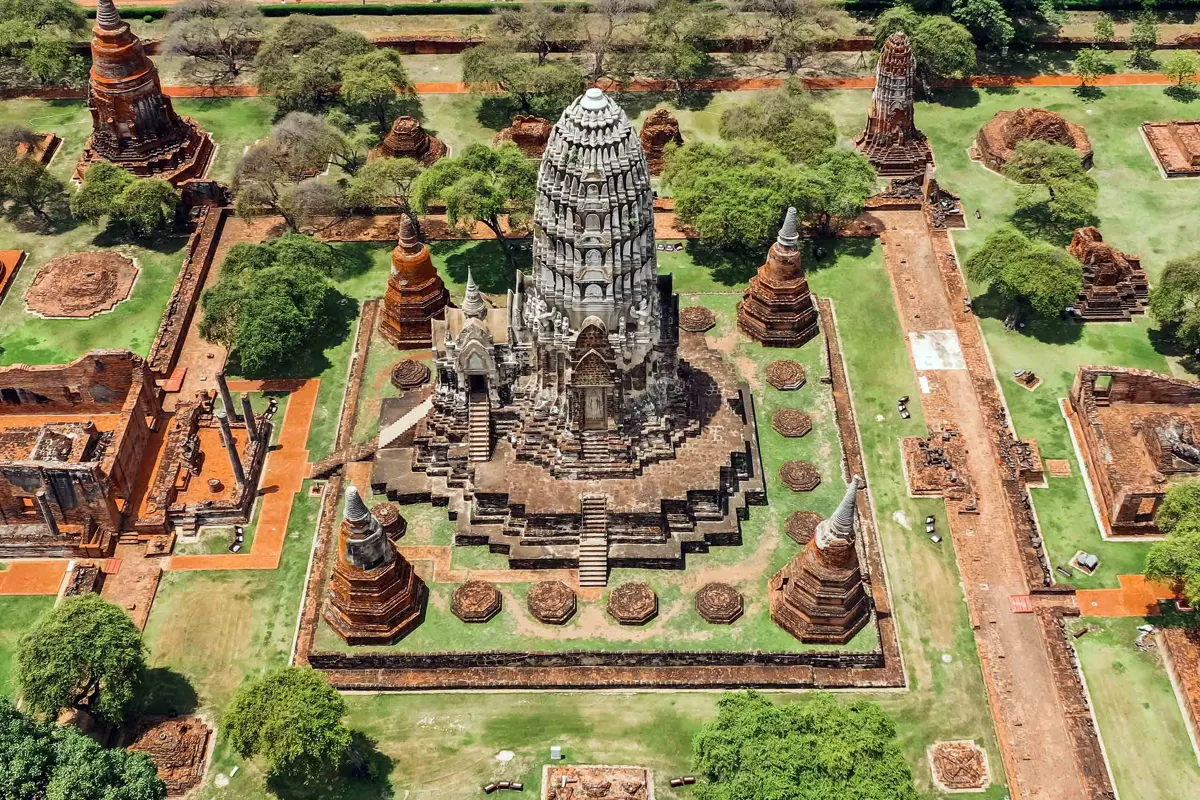
November in Thailand generally marks the transition from the rainy season to the cooler, drier period, particularly in the northern regions. Travelers can anticipate pleasant temperatures and reduced rainfall, making it an appealing time for exploration. This month also hosts significant cultural events, offering unique experiences for those visiting the country.
Understanding Thailand's November Climate
Thailand experiences a tropical climate characterized by distinct wet and dry seasons. In November, average temperatures typically range from 29 to 31 degrees Celsius across much of the country. The weather during this period is often described as mild and comfortable, providing suitable conditions for various outdoor pursuits.
However, climatic conditions can vary significantly between regions. Northern Thailand, from approximately November through February, enjoys a particularly agreeable climate, featuring cool air and minimal precipitation, sometimes with a slight chill in the mornings or evenings. Conversely, the southern parts of the country are still within their rainy season during November. While rainfall quantities generally decrease from their peak, the weather in the South may not be as consistently clear or sunny as in the northern provinces. Visitors to southern coastal areas should be prepared for occasional showers, though these are often brief.
| Region | Typical November Weather | General Suitability for Travel |
|---|---|---|
| Northern Thailand | Mild, cool, low humidity, minimal rain, sometimes chilly | Highly suitable for sightseeing, trekking, and outdoor activities |
| Southern Thailand | Mid-rainy season, reduced but present rainfall, warm temperatures | Suitable for travel, but expect occasional rain; less ideal for consistent beach weather |
Popular Activities and Destinations for November Travel
The period from November to late February is widely considered an excellent time to visit Northern Thailand. The favorable weather, characterized by less heat and almost no rain, creates ideal conditions for sightseeing and various travel activities. Here are some destinations in the North that are particularly appealing during November:
- Chiang Mai: Often referred to as the 'Rose of the North,' Chiang Mai is known for its scenic beauty and cultural richness. While it may not feature the same array of luxury hotels as Bangkok, the city offers numerous charming resorts and guesthouses. Visitors can explore natural rock formations, visit the Chiang Mai Zoo, experience the Yi Peng sky lantern festival (if dates align), and browse the Night Bazaar for local goods.
- Chiang Rai: Situated approximately 18 kilometers from Chiang Mai, Chiang Rai boasts several attractions. Singha Park, which offers free entry, allows visitors to observe giraffes, participate in balloon rides, and admire a hill adorned with pinwheels. Additionally, the renowned Golden Triangle area in Chiang Saen is a significant historical site worth visiting.
- Mae Hong Son: For those who appreciate mountainous landscapes, cool, crisp air, and frequent misty conditions, Mae Hong Son is a compelling choice. The region features challenging yet rewarding roads that lead to attractive scenery. Along the way, travelers can encounter the village of Ban Rak Thai, located at an elevation of 1776 meters, known for its serene beauty. Other notable sites include the 'long neck village' and the picturesque Pang Ung lake.
- Pai: This small town in Northern Thailand offers a peaceful and quiet atmosphere, distinct from more urbanized areas. In November, Pai's streets are often illuminated by wild flowers, contributing to a chilly and romantic ambiance, complemented by its quaint holiday accommodations.
- Sukhothai: As Thailand's first ancient capital, Sukhothai stands out as one of the few regions that has largely resisted extensive urbanization. It preserves many tranquil, unspoiled natural landscapes and historical sites, offering a glimpse into Thailand's past.
Please note: Specific addresses, phone numbers, operating hours, and pricing details for individual venues within these destinations were not provided in the source material. Travelers are advised to verify current information directly with local establishments.
November's Key Cultural Celebrations: Loy Krathong
November is traditionally the month for Thailand's annual Loy Krathong festival. This celebration involves releasing decorative floats (krathongs) onto water bodies and often includes the launch of sky lanterns (Yi Peng in Northern Thailand). It is a nationwide event, observed across the country.
While Loy Krathong is celebrated throughout Thailand, some of the most prominent and largest festivals occur in specific locations. These include Sukhothai, Bangkok, Ayutthaya, and Chiang Mai, which are known for their grand observances of the festival. Historically, the festival has been observed around the full moon of the 12th month in the traditional Thai lunar calendar. For instance, in a past year (2020), the festival was scheduled for November 21, 22, and 23. Visitors planning to attend should always confirm the exact dates for the current year, as they vary annually based on the lunar calendar.
Planning Your Trip to Thailand in November
Traveling to Thailand in November offers a generally favorable experience, especially if your itinerary focuses on the northern regions. The pleasant weather conditions make it suitable for a wide range of activities, from cultural exploration to outdoor adventures.
When preparing for a November trip, consider packing light clothing suitable for warm temperatures, along with a light jacket or sweater for cooler evenings, particularly in the North. Sun protection, including hats and sunscreen, is also advisable. Booking accommodation and popular tours in advance is recommended, especially if your visit coincides with the Loy Krathong festival, as popular destinations can experience higher demand. Always check local advisories and specific event schedules closer to your travel dates.
- Accommodation: Secure bookings early, particularly in Chiang Mai and Sukhothai, during festival periods.
- Transportation: Consider domestic flights or overnight trains for longer distances between regions.
- Local Currency: Ensure you have Thai Baht (THB) for local purchases and smaller establishments.
- Health Precautions: Consult your doctor regarding recommended vaccinations and carry any necessary personal medications.
- Cultural Sensitivity: Be mindful of local customs and dress respectfully, especially when visiting temples or participating in religious festivals.
Frequently Asked Questions
What is the weather like in Thailand during November?
In November, Thailand typically experiences average temperatures between 29 and 31 degrees Celsius. Northern Thailand transitions into a cooler, drier season with mild and pleasant conditions, while the South is still in its rainy season, though rainfall generally decreases.
Which regions are best to visit in Thailand in November?
Northern Thailand, including destinations like Chiang Mai, Chiang Rai, Mae Hong Son, Pai, and Sukhothai, is highly recommended for travel in November due to its mild, cool, and largely dry weather, which is ideal for sightseeing and outdoor activities.
What major festivals occur in Thailand in November?
The primary cultural event in November is the annual Loy Krathong festival, celebrated nationwide. Major observances take place in cities such as Sukhothai, Bangkok, Ayutthaya, and Chiang Mai. Travelers should verify the exact dates for the current year, as they are determined by the lunar calendar.
Is November a good time to travel to Thailand?
Yes, November is generally considered a very good time to travel to Thailand, particularly for exploring the northern parts of the country, which offer excellent weather for tourism. While the South may still experience some rain, it is often manageable, and the opportunity to experience Loy Krathong adds significant cultural value to a trip.








