
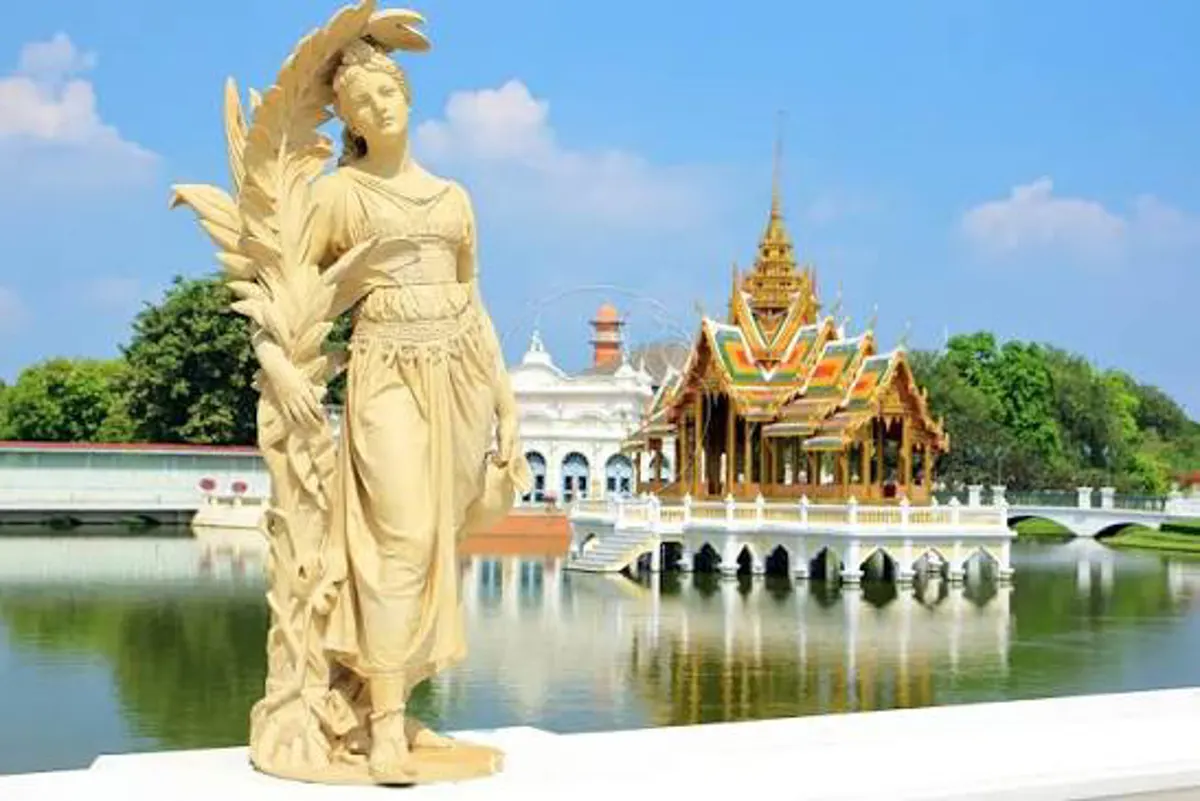
Thailand's "winter" or cool season, typically spanning from November to February, offers a distinct travel experience compared to its hotter and rainy periods. While the country is generally known for its tropical warmth, certain regions, particularly the north, experience noticeably cooler temperatures during these months. This period is often considered highly favorable for exploring the diverse landscapes and cultural events Thailand has to offer.
Understanding Thailand's Climate During the Cool Season
Thailand is situated within a monsoon climate zone, which gives it characteristic tropical weather patterns, primarily defined by rainy and dry seasons with generally elevated temperatures and humidity. However, the country does experience periods of cooler weather, with temperatures in some northern areas occasionally dropping significantly, even as low as 2°C. More typically, the northern regions of Thailand see temperatures ranging from 10°C to 20°C during the cool season.
Due to global climate shifts, the frequency of genuinely cold days in Thailand has diminished over time. Nevertheless, the period from approximately November through February in northern Thailand is characterized by a mild, cool, and slightly chilly climate. These conditions make it an appealing time for travelers seeking comfortable weather for sightseeing and outdoor activities, particularly away from the intense heat of other months.
Preparing for Your Trip to Thailand in the Cooler Months
When planning a visit to Thailand during its cool season, especially if your itinerary includes the northern provinces, specific preparations for clothing are advisable. Even though it's a tropical country, evenings and early mornings in the north can be quite cool, necessitating warmer layers. Packing items such as light coats, jackets, or sweaters is recommended to ensure comfort when temperatures drop after sunset.
Beyond clothing, practical footwear is important. Sports shoes or other comfortable, sturdy shoes suitable for walking and exploring are ideal. Additionally, essential personal items, necessary electronics, a waterproof bag for protection against potential moisture, and sun protection are indispensable for any travel in the region. While the sun may not feel as intense as during the hot season, UV radiation remains strong.
Key Festivals and Events During Thailand's Cool Season
The cooler months in Thailand are a time for several significant cultural celebrations and modern events, drawing visitors from around the globe. These festivals offer unique insights into Thai traditions and contemporary culture.
Loy Krathong Festival
This festival is traditionally observed on the full moon night of the 12th lunar month in the Thai calendar, which typically falls in November, though the source mentions it can extend into December. The celebrations usually span three days. During Loy Krathong, rivers across Thailand become illuminated by thousands of floating lanterns (krathongs). In Chiang Mai, a particularly notable activity involves releasing large sky lanterns, creating a truly memorable spectacle. Many travelers specifically plan their visits to coincide with this event.
Surin Elephant Festival
The Surin Elephant Festival takes place annually on the Saturday of the third week in November in Surin, Thailand. This event showcases the bond between the local people and elephants, featuring over 200 elephants participating in various displays. Attendees can watch performances that highlight the elephants' training and skills through activities like dancing, playful games, and tug-of-war. It serves as a demonstration of the community's deep affection for these revered animals.
Wonderfruit Art and Music Festival
Known as a prominent music and arts gathering, the Wonderfruit Festival is often compared to major international events such as Glastonbury or Coachella. It typically occurs in December on the outskirts of Pattaya. The festival features a diverse lineup of renowned artists from Europe, America, and local Thai bands. Beyond musical performances, Wonderfruit also incorporates activities like meditation, yoga sessions, and various performing arts. Travelers interested in attending should verify the exact dates before finalizing their travel plans.
Regional Weather Variations Across Thailand
While northern Thailand experiences a distinct cool season, the climate in other parts of the country can differ significantly. Central Thailand, including Bangkok, generally sees a reduction in humidity and rainfall during these months, leading to more comfortable conditions, though temperatures remain warm. Southern Thailand, particularly the coastal areas and islands, typically maintains warm, sunny weather, making it an ideal time for beach activities and water sports. Visitors should consider these regional differences when planning their itinerary and packing, as conditions can vary from chilly evenings in the mountains to warm days by the sea.
General Travel Advice for a Cool Season Visit
Traveling to Thailand during the cool season is popular, meaning destinations, especially in the north and major festival locations, can experience higher visitor numbers. It is often advisable to book accommodations and popular tours well in advance to secure preferred options and avoid potential disappointment. While the weather is generally pleasant, staying hydrated is always important in a tropical climate. Additionally, being mindful of local customs and traditions, particularly during festivals, enhances the travel experience.
Frequently Asked Questions
What exactly is "winter" in Thailand?
Thailand does not experience a true winter with snow or freezing temperatures, except in very rare, extreme cases at high elevations. The term "winter" or "cool season" refers to the period from approximately November to February when temperatures are noticeably lower, and humidity is reduced, especially in the northern regions. It is characterized by cooler, drier air, making it a comfortable time for travel.
What are the average temperatures during Thailand's cool season?
Average temperatures vary by region. In northern Thailand (e.g., Chiang Mai, Chiang Rai), daytime temperatures typically range from 10°C to 20°C, with nights being cooler. In central Thailand (e.g., Bangkok), temperatures are usually between 20°C and 30°C. Southern Thailand and the islands generally remain warm, with temperatures often above 25°C, suitable for beach activities.
Is the cool season a crowded time to visit Thailand?
Yes, the cool season is generally considered peak tourist season in Thailand due to the pleasant weather conditions. Popular destinations, particularly Chiang Mai during Loy Krathong, the southern islands, and major cities, tend to be more crowded. It is recommended to book flights and accommodations well in advance if traveling during these months.
What should I pack for a cool season trip to Thailand?
For northern Thailand, pack layers including light jackets, sweaters, or fleeces for evenings and early mornings, along with lighter clothing for daytime. For central and southern Thailand, light, breathable clothing is sufficient. Regardless of the region, comfortable walking shoes, sun protection (sunscreen, hat, sunglasses), and insect repellent are always useful.








