
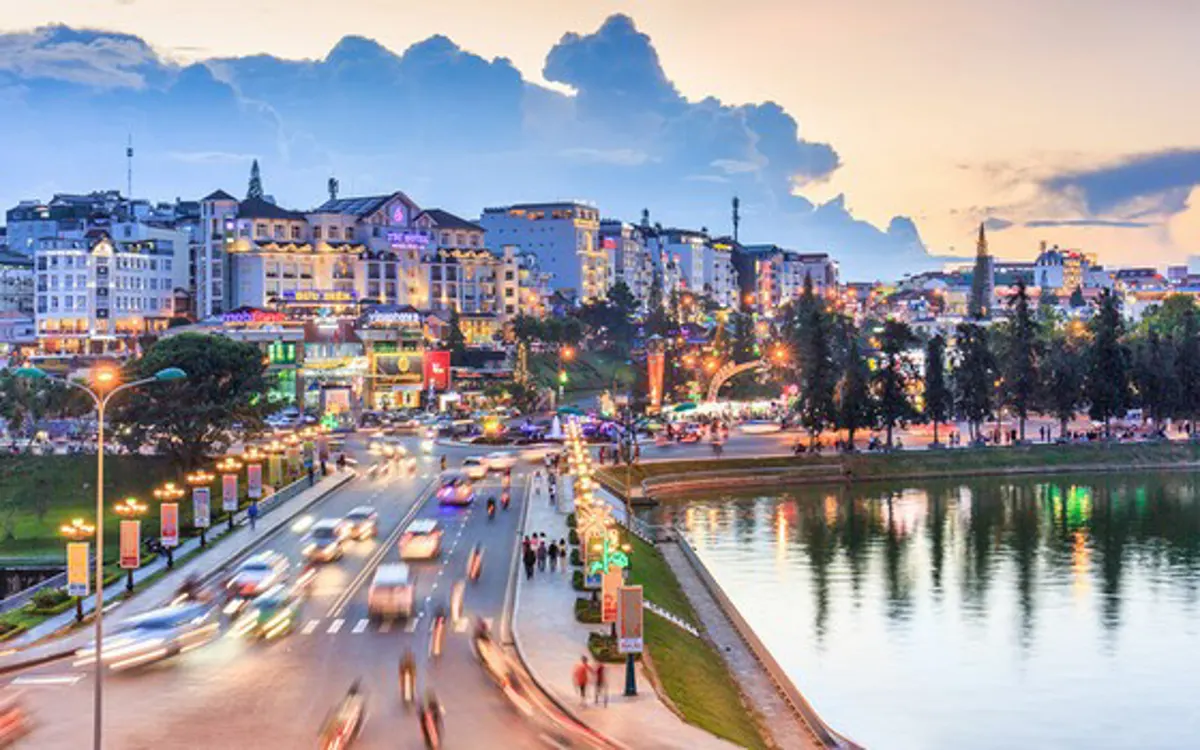
Da Lat, a city situated in Vietnam's Central Highlands, is a destination favored for its temperate climate and diverse attractions. It provides a balanced experience for those seeking both relaxation and exploration. Visitors can engage with nature, delve into local culture, and enjoy unique culinary offerings, making it a compelling spot for various travel interests.
Experiencing Da Lat's Natural Environment
The mountainous terrain surrounding Da Lat presents numerous opportunities for outdoor enthusiasts. Lang Biang Mountain, standing at 2169 meters, offers a significant challenge for hikers, typically requiring three to four hours to reach the summit. For those preferring a less strenuous ascent, motorbike transport is available to the peak. From this vantage point, visitors can observe expansive views of the clouds, sky, and the city below, making it a popular location for photography and overnight camping. Another notable elevation, Elephant Mountain, rises to 1756 meters and similarly provides fresh air and scenic vistas, suitable for leisurely walks or picnics after physical activity.
For individuals seeking more intense experiences, canyoning is available at Datanla Waterfall. This extreme sport involves navigating waterfalls, offering a rush of adrenaline and a unique way to connect with the natural environment. Da Lat is recognized for providing canyoning experiences that meet international safety standards, making it a suitable location for those interested in challenging themselves and engaging with fellow adventure seekers.
Cultural and Historical Exploration
Da Lat's past is preserved in several architectural and historical sites. The city hosts three palaces once belonging to King Bao Dai, Vietnam's last emperor. These structures, originally built as summer retreats, offer a glimpse into the monarch's life and the final years of the Nguyen Dynasty. The palaces showcase a blend of Vietnamese royal and Western colonial architectural styles from the early 20th century, appealing to those interested in history and design. Visitors can explore these buildings to understand a segment of Vietnam's feudal past.
Another architectural point of interest is the Crazy House, also known as Hang Nga Guest House. This structure features an unconventional and whimsical design, resembling a large tree. It contains over ten rooms, each with a distinct theme, and incorporates animal sculptures, ladders, and tunnels into its layout. The unique aesthetic makes it a memorable stop for those interested in unusual architecture. Additionally, the Da Lat Train Station, with its historical design, serves as a popular spot for photography, evoking a sense of past eras.
Da Lat's Culinary Scene and Local Produce
The cool climate of Da Lat supports the cultivation of fresh vegetables and fruits, which are central to the local diet. Strawberries and avocados are particularly renowned for their quality. Visitors can participate in activities such as picking strawberries directly from farms, which also provides photo opportunities. Prepared strawberries, coated with sugar, salt, and chili, are a common and refreshing street snack. Avocado ice cream, a local specialty, and fresh avocados are readily available at locations like the Da Lat Night Market.
The city's street food culture thrives, especially in the evenings. The Da Lat Night Market transforms into a hub of culinary activity, offering a variety of dishes. Popular choices include warm soy milk, often paired with Banh Bo (steamed rice cake). Another favored item is grilled rice paper, prepared with ingredients such as sausage, egg, butter, grilled onion, and beef jerky, topped with mayonnaise and chili sauce. Grilled corn and sweet potatoes are also widely available as comforting snacks. For those interested in acquiring local products and traditional crafts, Da Lat's markets present opportunities for unique purchases from a trip to Vietnam.
Da Lat is also recognized for its coffee culture. Local cafes often feature thoughtful interior designs and poetic views, creating appealing settings for relaxation and photography. A notable local specialty is Civet Coffee (Kopi Luwak), one of the world's most expensive coffees. At establishments like Da Lat Weasel Coffee, visitors can observe the production process, which involves weasels, and sample the distinct beverage. This location is legally supervised by a local forest agency regarding the weasel's care and coffee production.
Accommodation and Leisure Activities
Da Lat is known for its diverse range of homestays, which vary from economical to luxury options. Many offer views of the surrounding landscapes, such as pine forests or Tuyen Lam Lake. Examples include The Wilder Nest, situated amidst a pine forest, providing green views, and The Lake House, offering panoramic views of Tuyen Lam Lake. These accommodations often feature charming decor and amenities like on-site coffee shops, making them popular choices for travelers seeking a peaceful atmosphere. Prices for homestays typically range from 150,000 VND to 1,500,000 VND per night; however, visitors should verify current rates.
The city's scenic environment makes it suitable for photography, with numerous appealing locations. Beyond homestays, flower gardens and Puppy Farm, where visitors can interact with various dog breeds, offer bright and cheerful backdrops. Artistic coffee shops also serve as popular settings for capturing memorable images. For a relaxed activity, couples often enjoy cycling through Da Lat's streets. Bicycles can be rented from several locations, including 01 Bui Thi Xuan Street, 01 Le Thi Hong Gam Street, and 02 Yersin Street, with rental processes being generally straightforward and affordable. For travelers managing their expenses, understanding financial services in Da Lat is also beneficial.
Nightlife and Seasonal Events
While Da Lat's nightlife may differ from larger Vietnamese cities, it still offers options for evening entertainment. Bars like Le Select Bar, located at 15 Tran Phu Street, provide a setting for enjoying premium beverages in a more subdued atmosphere. For those seeking a livelier environment with music and dancing, B21 beer at 68 Truong Cong Dinh street is a popular choice, known for its energetic ambiance and affordable drinks.
The city also hosts the annual Da Lat Flower Festival, a significant event for flower enthusiasts. The festival showcases a wide variety of flowers through exhibitions and parades, often accompanied by musical performances. Visitors have the opportunity to admire extensive floral displays and, at times, participate in contests. For those interested in more unusual attractions, Da Lat is also home to several rumored ghost houses. While visiting these sites, it is generally advised to go in a group, avoid touching or moving items, refrain from photography or videography, and maintain a respectful demeanor.
Recommended Venues and Practical Details
| Venue/Activity | Location | Typical Price Range (Verify Current Rates) | Notes |
|---|---|---|---|
| Da Lat Weasel Coffee | 135E Hoang Hoa Tham Street | Not supplied (for coffee) | Observe Civet Coffee production, taste coffee, purchase souvenirs. |
| Crazy House (Hang Nga Guest House) | Not supplied | Not supplied | Unique, unconventional architecture with themed rooms. |
| The Wilder Nest (Homestay) | Middle of pine forest (specific address not supplied) | 300,000 VND - 1,500,000 VND per night | Offers green views, suitable for photography. |
| The Lake House (Homestay) | Overlooking Tuyen Lam Lake (specific address not supplied) | 150,000 VND - 1,200,000 VND per night | Panoramic lake views, romantic atmosphere, on-site coffee shop. |
| Le Select Bar | 15 Tran Phu Street | Not supplied | Offers premium drinks in a relaxed setting. |
| B21 beer | 68 Truong Cong Dinh street | Not supplied (for drinks) | Lively atmosphere with music and dancing, affordable drinks. |
| Bike Rental Locations | 01 Bui Thi Xuan Street, 01 Le Thi Hong Gam Street, 02 Yersin Street | Affordable (specific rates not supplied) | Simple rental process for exploring the city by bicycle. |
| Datanla Waterfall | Not supplied (for canyoning) | Not supplied (for activity) | Primary location for canyoning, meets international safety standards. |
| Da Lat Night Market | Not supplied | Varies by vendor | Extensive street food options, especially in the evening. |
Frequently Asked Questions
What is Da Lat known for?
Da Lat is known for its mild climate, earning it the nickname "City of Eternal Spring." It is also recognized for its natural landscapes, including mountains and pine forests, unique French colonial architecture, vibrant flower gardens, and a distinct coffee culture, particularly its Civet Coffee.
When is the best time to visit Da Lat?
The dry season, from November to March, is generally considered an ideal time to visit Da Lat. During these months, the weather is typically sunny and cool, making it comfortable for outdoor activities and sightseeing. The annual Da Lat Flower Festival also usually takes place during this period, though specific dates vary each year.
Are there adventure activities available in Da Lat?
Yes, Da Lat offers several adventure activities. These include hiking and mountain climbing on peaks like Lang Biang Mountain and Elephant Mountain. For those seeking more extreme thrills, canyoning at Datanla Waterfall is a popular option, providing a challenging experience involving rappelling down waterfalls.
What local foods should I try in Da Lat?
When in Da Lat, visitors should try the fresh local produce, especially strawberries and avocados, often available directly from farms or at the night market. Popular street foods include warm soy milk, Banh Bo, and grilled rice paper. Avocado ice cream is also a signature dessert. Don't forget to sample the local coffee, including the renowned Civet Coffee.
Is Da Lat suitable for couples?
Da Lat is widely considered a suitable destination for couples due to its serene landscapes, pleasant weather, and romantic atmosphere. Activities like leisurely strolls, couple biking through scenic streets, visiting charming cafes, and staying in cozy homestays contribute to its appeal for romantic getaways.








