
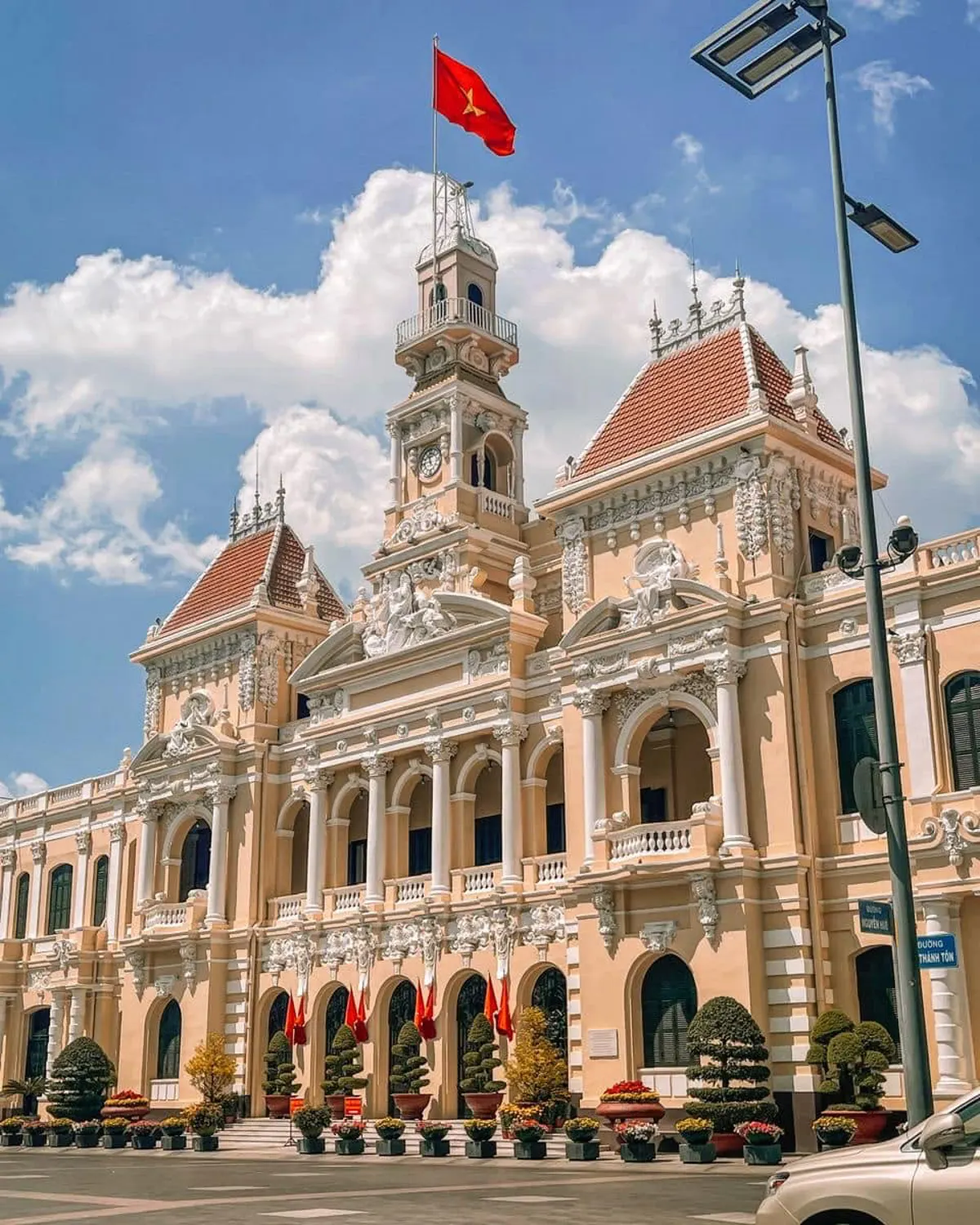
Ho Chi Minh City, commonly known as Saigon, offers visitors a diverse range of activities that blend its historical past with contemporary urban life. From significant historical sites and bustling markets to unique culinary adventures and cultural performances, the city provides many opportunities for exploration and engagement. This guide highlights key attractions and experiences for those planning a trip to this energetic Vietnamese metropolis.
Exploring Historical Landmarks and Cultural Sites
Ho Chi Minh City showcases a compelling mix of historical elements and modern infrastructure. The city features well-preserved colonial buildings and remnants from the Vietnam War, alongside contemporary high-rises and commercial centers. A walk through the city reveals several architecturally significant structures and sites that tell the story of its past.
Key places to visit include Ben Thanh Market, a central hub for goods and food, and the War Remnants Museum, which offers a poignant look at the conflict. The Reunification Palace, a former presidential residence, is another significant stop, though it is one of the few landmarks mentioned that requires an entry fee. Other notable structures include the Notre Dame Cathedral and the Thien Hau Pagoda, located within Saigon's historic Chinatown. These sites can be explored on foot or as part of a guided tour, offering different perspectives on the city's character.
Cu Chi Tunnels: An Underground Historical Site
Located approximately 2.5 hours from Ho Chi Minh City center by car or bus, the Cu Chi Tunnels provide an opportunity to understand the intricate underground network used during wartime. Visitors can explore sections of these tunnels, gaining insight into the challenging living conditions and the remarkable resourcefulness of the Vietnamese people during that period. This site offers a direct encounter with a significant part of the nation's history.
Shopping Experiences in Ho Chi Minh City
Ho Chi Minh City offers a variety of shopping opportunities, from traditional markets to modern retail centers. For those seeking local goods and specialties, Ben Thanh Market and Binh Tay Market are frequently recommended destinations. However, these markets can sometimes be crowded, and prices may be higher for tourists.
For clothing and accessories at more negotiable prices, Saigon Square is a popular choice, described as an indoor flea market with air conditioning. Shoppers are encouraged to practice their bargaining skills here. For higher-end retail, major department stores like Diamond Plaza and Saigon Centre are situated in the central business district, though prices for international brands are typically comparable to those in other countries. Local residents often prefer Nguyen Trai Street, spanning parts of Districts 1 and 5, for more affordable items. Le Cong Kieu Street is known for antiques, while the Vincom Centre, opposite the Hotel Continental, offers upscale, quality, and boutique selections. Fashion enthusiasts often gravitate towards Nguyen Hue Street for its array of shops. For more on acquiring unique items, consider essential souvenirs and unique purchases from a trip to Vietnam.
Culinary Adventures and Local Interactions
Dining in Ho Chi Minh City is a central part of the cultural experience, with street food being both affordable and a social activity. Food stalls are prevalent across neighborhoods, streets, and corners, offering a wide array of dishes. While the specific ingredients might sometimes be unfamiliar, the experience of trying local flavors is often highly rewarding. Ben Thanh Market also serves as a good starting point for an overview of Vietnamese cuisine.
Exploring the city on the back of a motor scooter provides an authentic way to discover local eateries and lesser-known spots. Guided motorbike tours often focus on food, nightlife, or specific attractions, with local guides helping visitors navigate the city's culinary landscape. It is important to note that motorbike helmets are legally required in Vietnam.
Connecting with Locals: Cafe Bet and Cooking Classes
Ho Chi Minh City's coffee culture includes a unique practice known as "Cafe Bet," where people gather to drink coffee on the ground, often using newspapers as makeshift mats. This informal setting fosters a sense of community and offers an opportunity for visitors to observe local life and potentially engage with residents. Simply purchasing a drink and a snack from a vendor and finding a spot on the ground allows participation in this casual social activity.
For those interested in hands-on culinary learning, small-group cooking classes are available. These classes typically involve a trip to a local market with a chef to select ingredients, followed by instruction on preparing traditional Vietnamese dishes. Many programs provide recipe packs for participants to recreate the meals at home.
Cultural Performances and River Dining
Ho Chi Minh City offers cultural entertainment options, including contemporary art performances and scenic dining experiences.
The Saigon À Ố Show
The Saigon À Ố Show is a contemporary art performance often categorized as 'new circus.' Staged at the historic Saigon Opera House, this production combines traditional music, dance, and acrobatics to tell a story about the transition of a rural Vietnamese community into an urban environment. The show features intricate choreography and visual effects, and typically includes a complimentary beverage before the performance, making it suitable for families.
Dinner Cruises on the Saigon River
For an alternative dining experience, dinner cruises on the Saigon River allow guests to enjoy a meal while observing the city's illuminated skyline. These cruises typically last about two hours on traditional vessels, providing a distinctive Vietnamese dining atmosphere as the boat glides along the river.
Excursions Beyond the City
Beyond the urban environment of Ho Chi Minh City, several destinations offer a change of pace and further insights into the region.
Exploring the Mekong Delta
The Mekong Delta, situated less than three hours from Ho Chi Minh City, presents a landscape of waterways and rural life. Here, numerous sampan boats navigate the river, which serves as a vital artery for Southeast Asia. The delta offers a tranquil contrast to the city, and tours typically range from one to five days. It is also possible to travel from the Mekong Delta to Cambodia by river, offering an alternative to air or bus travel.
Practical Information for Visitors
Navigating Ho Chi Minh City involves understanding its transport systems and local customs. The city is known for its dense motorbike traffic, which is a defining characteristic of its streets. When planning your finances, it's helpful to know about local services. For detailed information on managing money during your stay, refer to banking services in Ho Chi Minh City for travelers.
Frequently Asked Questions
What are the primary historical sites to visit in Ho Chi Minh City?
Key historical sites include the War Remnants Museum, Reunification Palace, Notre Dame Cathedral, and the Thien Hau Pagoda in Chinatown. The Cu Chi Tunnels, located outside the city, also offer significant historical context.
Where can I find authentic local food in Ho Chi Minh City?
Street food stalls are abundant throughout the city's neighborhoods and streets. Ben Thanh Market is also a popular spot for sampling various Vietnamese dishes. Many visitors enjoy joining organized motorbike food tours for local recommendations.
Is it possible to take a cooking class in Ho Chi Minh City?
Yes, many small-group cooking classes are available. These typically involve a visit to a local market to source ingredients, followed by instruction on preparing traditional Vietnamese cuisine. Participants often receive recipes to take home.
What kind of shopping experiences does Ho Chi Minh City offer?
The city provides diverse shopping options, from traditional markets like Ben Thanh and Binh Tay for local goods, to air-conditioned bargain markets like Saigon Square. High-end shopping can be found at Diamond Plaza and Saigon Centre, while specific streets like Nguyen Trai and Nguyen Hue cater to different fashion and antique interests.
How far is the Mekong Delta from Ho Chi Minh City and what can I do there?
The Mekong Delta is less than three hours from Ho Chi Minh City. Visitors can explore its waterways by sampan boat, observe rural life, and take multi-day tours. It also serves as a river route to Cambodia.








