
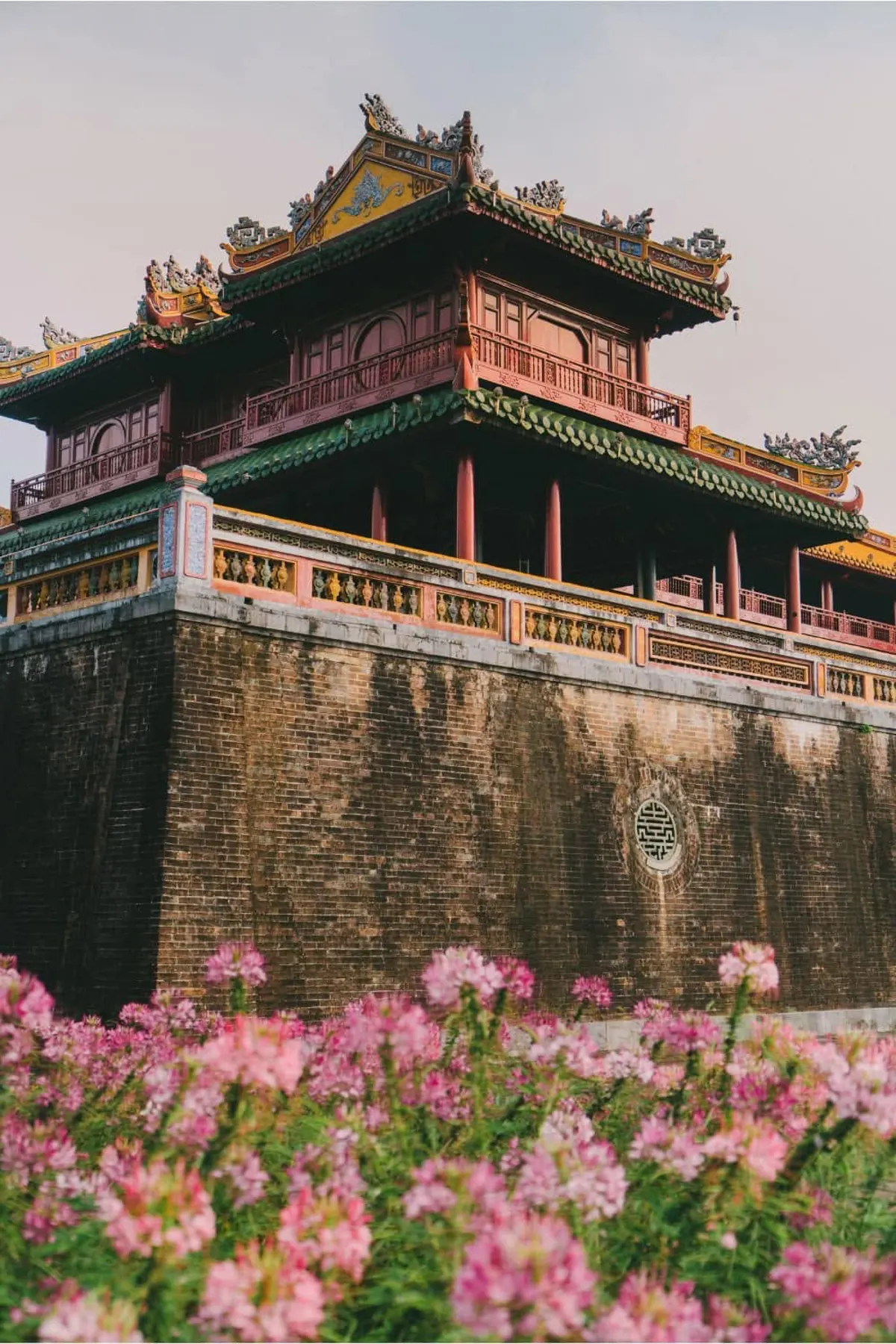
Hue, the former imperial capital of Vietnam, offers visitors a rich array of historical sites, cultural experiences, and culinary delights. While some perceptions suggest a quiet atmosphere, the city provides many engaging activities for those seeking to explore its unique character and historical significance. From ancient citadels to tranquil rivers, there is much to engage travelers in this central Vietnamese destination.
Exploring Hue's Imperial Heritage
Hue's historical prominence as the seat of the Nguyen Dynasty is evident in its well-preserved architectural marvels. The Imperial City stands as a primary example, a vast complex enclosed by fortified walls and multiple gates, including the renowned Ngo Mon Quan, or Gate of the Noon. Inside, visitors can explore various temples and places of worship such as Trieu Mieu, Hung Mieu, and Thai Mieu.
Adjacent to the Imperial City lies the Forbidden City, which once served as the private residence for Nguyen Emperors, their Queens, and royal families during the 19th century. Beyond the central citadel, the Complex of Royal Tombs of Nguyen Kings offers further insight into the dynasty's legacy. These include the tombs of Gia Long, Tu Duc, Minh Mang, Dong Khanh, and Khai Dinh. Additionally, Thien Mu Pagoda, an ancient and visually striking Buddhist temple, represents another significant historical and spiritual site within the city, often compared to Hanoi's One-Pillar Pagoda for its cultural importance. Touring these monuments provides a journey through Vietnam's past.
Culinary Experiences in Hue
Hue is widely recognized for its distinctive culinary traditions, often considered among the finest in Vietnam. The local gastronomy is broadly divided into two categories: traditional folk cuisine and the sophisticated 'Royal' cuisine, originally prepared for the Imperial Court. Dining establishments are plentiful, particularly along streets like Pham Ngu Lao, Le Loi, Ben Nghe, and Hung Vuong, as well as on the north bank of the Perfume River, offering a mix of local and international dishes.
Visitors should sample several folk dishes unique to the region. Popular choices include 'com hen' (baby clams with rice), 'bun bo Hue' (Hue-style beef vermicelli soup), 'bun thit nuong' (grilled-meat vermicelli), 'banh khoai' (traditional fried pancake), 'nem lui' (lemongrass skewers), and 'banh bot loc' (tapioca dumplings). For a more elaborate experience, particularly for groups, a "royal banquet" offers the chance to dress in traditional attire, enjoy local music, and dine on a selection of imperial dishes. Historically, these feasts could feature up to 50 items, though contemporary offerings typically include around 10 courses. These special meals are available on luxury cruises along the Perfume River or at select high-end restaurants.
For those interested in learning more about the intricacies of Hue's acclaimed food culture, various cooking classes are available. These provide hands-on opportunities to prepare local and Vietnamese specialties. Options for participation can be found through travel agencies, hotels, and restaurants. Thuy Bieu eco-village is specifically mentioned as a location where cooking classes can be combined with a cycling excursion into the countryside, offering a broader cultural experience.
River Journeys and Rural Discoveries
The Perfume River, flowing through Hue, provides a central artery for exploration and offers a different perspective on the city and its surroundings. A boat trip on a dragon boat, traditionally carved in the shape of a dragon, is a popular activity. These gentle cruises allow passengers to observe Hue from the water, noting how the river's appearance subtly changes with the light from dawn to dusk. Such excursions also provide glimpses into the daily routines of local residents.
Boat tours often include stops at points of interest along the river. Passengers might disembark to explore Dong Ba Market, a lively hub for local goods, or visit the Thuy Bieu eco-village. In Thuy Bieu, visitors can sample local foods and experience traditional herbal foot soaks. Beyond the river, eco-tours extend into the rustic landscapes of areas like Tam Giang Lagoon and Thuy Bieu eco-village, offering a contrast to urban life. These tours allow participants to observe rural activities, such as daily household chores or farmers working in rice fields, and learn about the fishing practices of local communities. Engaging with these communities also supports the preservation of their traditional culture.
Cycling is another way to explore the areas around Hue. While many visitors focus on the Imperial Citadel and royal tombs, dedicating more time to cycle through the countryside reveals scenic routes along the Perfume River's banks, often shaded by mature trees and cooled by gentle breezes. These paths lead to various villages where interactions with local residents are possible. Cycling trips to Thuy Bieu village or the historic Thanh Toan Bridge offer deeper engagement with rural Vietnamese culture.
Relaxation, Recreation, and Unique Local Activities
Hue offers diverse options for relaxation and unique recreational pursuits. For beach enthusiasts, Thuan An Beach is situated approximately 15 kilometers from the city center. This publicly accessible beach features a long stretch of fine, light-colored sand that gradually slopes into a shallow lagoon, bordered by palm trees and tropical plants. Another coastal option is Lang Co Beach, located about 65 kilometers from Hue. This beach is known for its clear blue water and white sand, with numerous restaurants specializing in fresh seafood. Lang Co Beach can also serve as a convenient stop for those traveling between Hue and Hoi An.
Further inland, approximately 30 kilometers from central Hue, are the Alba Thanh Tan Hot Springs. This resort provides a range of activities for different preferences. Guests seeking tranquility can relax by soaking in the hot mineral springs, often followed by a massage treatment. For more active visitors, the springs offer adventurous outdoor sports, including the High Wire Cable Game and a Zip Line, both designed to challenge participants with elements of height and balance amidst natural green surroundings.
A distinctive local experience available in Hue is a blind massage. This service is provided by the Association of the Blind in Thua Thien Hue Province, an organization that also functions as a school for visually impaired children. Visitors can receive a professional massage at an affordable rate, with the added benefit of supporting the association's efforts to improve the lives of visually impaired individuals, including funding eye surgeries. Appointments are recommended.
Exploring Hue city by cyclo, a three-wheeled pedal-powered vehicle, is a favored mode of transport for many visitors. Cyclos offer a leisurely pace, enabling passengers to observe the city's details. Hue is not an expansive city, making a couple of hours by cyclo, particularly in the evening, a viable way to see many attractions. Drivers typically navigate past famous sites, and passengers can request stops for photographs or engage in conversations to gain insights into local life and receive recommendations for dining. A cyclo ride along the Perfume River in the evening is often described as a pleasant and scenic experience.
While Hue is often associated with its historical and peaceful atmosphere, the city also provides opportunities for evening entertainment. Nightlife in Hue tends to be more relaxed than high-energy dance clubs. Local pubs and bars offer settings for socializing, enjoying music, and having conversations over drinks. For international visitors seeking more sophisticated venues, some four- and five-star hotels host their own upscale bars and lounges.
Cultural Immersion and Handicrafts
For a deeper understanding of Hue's traditional architecture, a visit to the garden houses in Phu Mong, located 5 kilometers from the city center, is recommended. These residences, many dating back over 300 years to the Nguyen Dynasty, showcase a traditional aesthetic characterized by natural wood, orchards, and an elegant, understated style. Features such as large gates, clear directional signs, and ancient, moss-covered brick entrances are common. Among these, the Pham Vu Dien House, constructed in 1894, is notable for its age and expansive garden. The Le Van Duyet's church is also recognized for its historical significance in Vietnam.
Another aspect of local culture involves the traditional conical hat, or "nón lá," a symbolic item often associated with Vietnamese women, particularly in Hue. Visitors interested in the craft can learn about its creation by visiting a conical hat-making village. Tay Ho Village, situated in Phu Vang, approximately 12 kilometers from the city and near the Nhu Y Stream, is a popular destination for this experience. The process of crafting a conical hat involves 15 distinct steps, beginning with the collection of "Bo Quy Diep" leaves from local forests. Completing a hat offers a unique souvenir or an accessory to pair with the traditional Vietnamese Ao Dai.
When considering what to bring home from Hue, the city is an excellent place for souvenir shopping. It is known for a variety of handicraft products, including silk paintings, silk embroideries, lacquer wares, and antiques. Many unique items can be found only in this region. Major shopping streets such as Tran Hung Dao, Le Loi, Hung Vuong, Phan Dang Luu, and Mai Thuc Loan host fashion boutiques, souvenir shops, art galleries, and studios. For a more traditional shopping experience, Dong Ba Market is a prominent local market where a wide selection of souvenirs and regional specialties are available, often at negotiable prices. Other markets include An Cuu Market, Ben Ngu Market, and Tay Loc Market, while modern retail options are available at Truong Tien Plaza and Phong Phu Plaza. For a broader perspective on unique purchases from a trip to Vietnam, further resources are available.
Practical Advice for Visiting Hue
Planning a visit to Hue involves considering several practical aspects to ensure a smooth and enjoyable trip. The city's relatively compact nature makes it conducive to exploration by various means, including walking, cycling, and cyclo rides. Engaging with local drivers or guides can provide valuable insights into the city's culture and offer recommendations for dining and activities.
For managing finances during your stay, Hue offers a range of banking services. Visitors can find information on local and international institutions to handle currency exchange and other financial transactions. Similarly, understanding the available healthcare facilities in Hue is important for peace of mind, with various clinics and hospitals available to address medical needs. For more detailed information on banking services in Hue City, specific guides can assist travelers.
Frequently Asked Questions
What are the primary attractions in Hue?
Hue's main attractions include the Imperial City, the Forbidden City, the Royal Tombs of the Nguyen Kings (such as Tu Duc and Khai Dinh), and the ancient Thien Mu Pagoda. These sites collectively offer a comprehensive view of Vietnam's imperial past.
What local dishes should I try in Hue?
Visitors to Hue should sample regional specialties like 'com hen' (baby clam rice), 'bun bo Hue' (Hue-style beef noodle soup), 'banh khoai' (fried pancake), and 'nem lui' (grilled pork skewers). Experiencing a traditional "royal banquet" is also a unique culinary highlight.
Is Hue suitable for travelers seeking relaxation?
Yes, Hue provides several options for relaxation. These include tranquil boat trips on the Perfume River, unwinding at Alba Thanh Tan Hot Springs, and enjoying the peaceful atmosphere of local garden houses. The city's general pace is often described as calm.
How can I experience local culture in Hue?
To engage with local culture, consider taking a cooking class to learn Hue cuisine, participating in an eco-tour to Tam Giang Lagoon or Thuy Bieu eco-village, or visiting a conical hat-making village like Tay Ho. Cyclo rides also offer a close-up view of daily life.
What kind of shopping is available in Hue?
Hue is known for its handicrafts, including silk products, lacquerware, and antiques. Dong Ba Market is a central location for local specialties and souvenirs, while various shops and galleries along major streets offer a range of unique items.








