
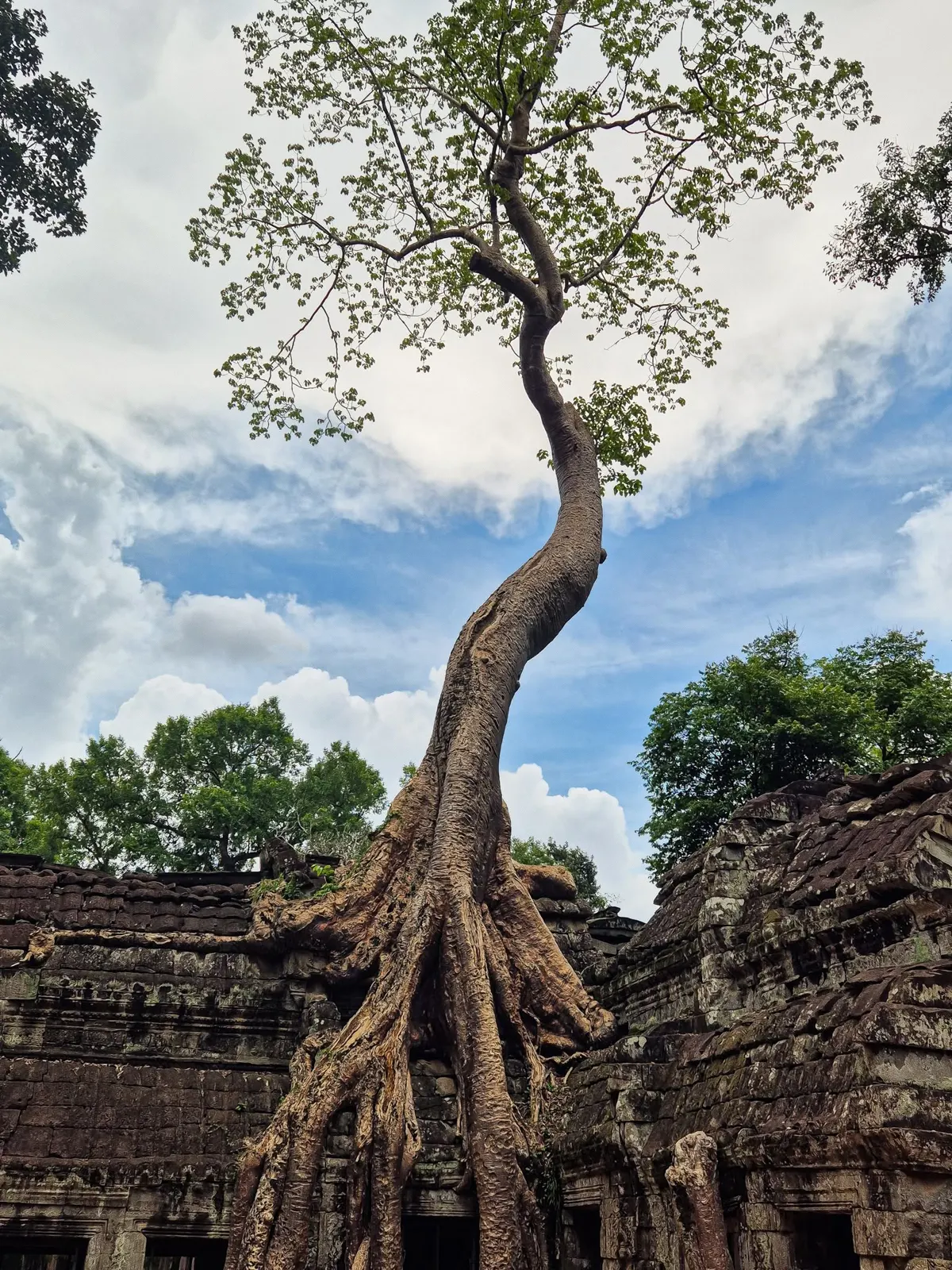
Cambodia, often recognized for its ancient temples, also presents a compelling destination for travelers seeking diverse and engaging experiences. Beyond the well-trodden paths, the country offers opportunities for outdoor exploration, cultural engagement, and profound historical reflection. From challenging hikes through national parks to visits to sites of significant historical importance, Cambodia invites visitors to connect with its natural beauty and complex past.
This guide explores several locations across Cambodia that cater to those with an adventurous spirit, providing insights into their unique characteristics and the activities available. Whether your interest lies in trekking through lush landscapes, encountering wildlife, or understanding the nation's history, Cambodia holds a variety of places to explore.
Cambodia's Diverse Adventure Landscape
Cambodia's geography encompasses a variety of terrains, from coastal areas to mountainous regions and expansive plains, contributing to a rich array of adventure possibilities. The country's natural environment supports activities such as jungle trekking, waterfall visits, and wildlife observation, particularly in its protected national parks and remote provinces. These areas often provide a contrast to the more developed urban centers and historical sites, offering a chance to experience Cambodia's wilder side.
Beyond physical activities, Cambodia's history offers a different kind of profound experience. Sites dedicated to remembering past events provide a powerful, albeit somber, journey into the nation's narrative. This blend of natural exploration and historical depth means that adventure in Cambodia can be both physically engaging and intellectually stimulating, appealing to a broad spectrum of travelers.
Exploring Kirirom National Park
Situated on a hill approximately 700 meters above sea level, Kirirom National Park was once a favored retreat for King Sihanouk, a fact reflected in its name, which translates to "mountain of joy" in Khmer. A visit to this park offers a journey that combines physical activity with natural discovery. Travelers can trek through the forest and navigate some rock formations to reach a mysterious bat cave. The park also contains remnants of the past, including a large stone fireplace associated with the king and various ruins from an abandoned settlement, such as an old villa with visible bullet marks and former shrines.
Within the national park lies the Chambok eco-tourism site, where guided walks of about four kilometers introduce visitors to the area's rich biodiversity. This route passes through a pine forest and sections of the Cardamom Mountains, offering chances to observe local wildlife, potentially including pangolins and elephants. A highlight of the Chambok area is its majestic waterfall, featuring three distinct cascades with clear, cool water. To enjoy the park's tranquility, arriving early in the morning before larger crowds gather is often recommended. The park is manageable for a day trip, and the period during or after the rainy season is considered ideal, as the weather is cooler and the waterfall is at its fullest. Entry to Kirirom National Park typically costs around 3 USD per adult, though prices are subject to change and should be verified upon arrival. Groups often benefit from the presence of professionally trained guides who provide insights and assist with navigation.
Reflecting at Tuol Sleng Genocide Museum
The Tuol Sleng Genocide Museum in Phnom Penh serves as a powerful memorial to the Khmer Rouge regime's atrocities between 1975 and 1979. Originally a high school, the facility was converted into Security Prison 21 (S-21) in 1975, becoming one of the regime's most notorious detention centers. During its four years of operation, it held an estimated 17,000 to 20,000 individuals, many of whom were former Khmer Rouge members or soldiers accused of disloyalty. The school underwent significant modifications, including the installation of electric fences and the conversion of classrooms into small cells, along with the creation of interrogation and torture chambers.
Upon entering the museum, visitors are confronted with a somber atmosphere. Near the entrance, 14 simple, square graves mark the resting places of the last victims found at the site. Inside the former torture rooms, photographs of the deceased are displayed, alongside visible bloodstains on the floors and walls. The museum exhibits numerous images and artistic renditions depicting the brutality of the period, including iron chairs used for torture, scenes of prisoners being beaten, and depictions of the infamous "killing fields." Some cells also house wooden cabinets filled with human skulls, accompanied by captions identifying them as victims of the Khmer Rouge. The 14 torture rooms, each containing a single iron bed and a torture device, bear witness to the extreme suffering inflicted. The museum draws visitors from around the world, though many report finding the experience deeply unsettling due to the intense and graphic nature of its displays. For those exploring the capital, understanding the local food scene can enhance the overall experience, providing a contrast to the day's solemn reflections. To learn more about the gastronomic options available, consider consulting a dining guide to Phnom Penh.
Mondulkiri Province: Nature's Retreat and Cultural Insights
Mondulkiri province, characterized by its undisturbed forests, undulating green hills, and impressive waterfalls, offers a prime location for travelers interested in trekking and nature exploration in Cambodia. The provincial capital, Sen Monorom, provides visitors with scenic vistas and a glimpse into the tranquil daily routines of its residents. While the town has potential as an ecotourism hub, it retains a simple charm, offering authentic experiences for those who choose to visit.
A distinctive aspect of Mondulkiri is its rich cultural landscape and linguistic diversity. Due to its proximity to several international borders, the region is a melting pot where Khmer, various ethnic minority languages, Laotian, and even Vietnamese can be heard. The province is home to several notable waterfalls that attract visitors. Boo Sra Waterfall, with its three tiers and refreshing waters, is celebrated for its natural beauty. Sen Monorum Waterfall, also featuring three levels, is a popular spot for climbing, trekking, bathing, and relaxation, and often serves as a venue for local festivals, allowing visitors to observe or participate in cultural rituals during festival periods. Additionally, Rum Near waterfall is conveniently located near agricultural enterprises such as coffee, rubber, mango, and avocado farms, with rows of mature trees contributing to its scenic appeal.
Bokor Hill Station: A Journey Through Time
Bokor Hill, situated at an elevation of 1,075 meters above sea level, is sometimes referred to as "the ghost city of Cambodia" due to its atmospheric, abandoned structures often cloaked in mist and covered with moss. This historical site offers a unique blend of natural beauty and architectural decay.
Among its points of interest is Samprov Pram Pagoda, constructed in 1924 under King Monivong. This pagoda, while not large, features distinctive architecture, being surrounded by five large rocks that resemble boats. From this vantage point, visitors can observe distant views of the Gulf of Thailand and Phu Quoc Island. Another significant landmark is the Ya Mao statue, positioned at the summit of Bokor Hill. Local beliefs suggest that the deity Ya Mao provides blessings for safe travels and protection from accidents, leading many visitors to pay respects at her statue. The Popokvil waterfall, comprising two levels and enveloped by forest, creates a picturesque natural setting. The period from May to October, corresponding to the rainy season, is considered the best time to visit this waterfall, as it is ideal for swimming on sunny days and offers excellent opportunities for photography. The Old Catholic Church, built by the French in the early 20th century as part of a resort complex, stands with its moss-covered brick walls, evoking a sense of history. As evening approaches, the church often becomes partially obscured by clouds, adding to its mysterious ambiance.
Essential Tips for Adventurous Travelers in Cambodia
Preparing for an adventure in Cambodia involves considering several practical aspects to ensure a smooth and enriching experience. It is advisable to research specific destinations and activities in advance, especially regarding seasonal variations that might affect accessibility or the enjoyment of outdoor pursuits. Engaging local guides, particularly for trekking or exploring national parks, can greatly enhance safety and provide deeper cultural and environmental insights. Always verify current entry fees and operating hours, as these can change without prior notice.
Respect for local customs and traditions is paramount throughout your travels. Learning a few basic Khmer phrases can also be beneficial. When traveling through Southeast Asia, collecting unique items can be a rewarding part of the experience. From traditional crafts to local delicacies, each country offers distinct souvenirs. For example, a traveler's guide to unique purchases in neighboring Vietnam provides insight into the variety of keepsakes one might find across the region. Staying hydrated, protecting yourself from the sun, and being aware of local wildlife are also important considerations for any outdoor adventure in Cambodia.
Frequently Asked Questions
What types of adventure activities are available in Cambodia?
Cambodia offers a range of adventure activities, including jungle trekking, exploring waterfalls, visiting historical sites with profound narratives, and observing wildlife in national parks. Specific activities vary by region, from cliff climbing in Kirirom National Park to cultural immersion in Mondulkiri.
When is the best time to visit Cambodia for adventure travel?
The best time for adventure travel in Cambodia often depends on the specific activity. For waterfall visits and lush landscapes, the period during or immediately after the rainy season (typically May to October) is ideal. For general trekking and exploration, the cooler, drier months from November to February might be preferred.
Are guides necessary for exploring national parks in Cambodia?
While some areas may be explored independently, engaging a professionally trained local guide is highly recommended, especially for national parks like Kirirom. Guides can provide valuable information, ensure safety, and help navigate unfamiliar terrain, particularly in areas with diverse wildlife or challenging paths.
What should I know about visiting historical sites like Tuol Sleng Genocide Museum?
Visitors to historical sites such as the Tuol Sleng Genocide Museum should prepare for a somber and emotionally intense experience. These sites are preserved to educate about Cambodia's past, and while not a physical adventure, they offer a profound historical journey. Respectful behavior and an open mind are essential.
Can I find ecotourism experiences in Cambodia?
Yes, Cambodia is developing its ecotourism offerings. Provinces like Mondulkiri, with its untouched forests and focus on local culture, and sites like the Chambok eco-tourism area within Kirirom National Park, provide opportunities for environmentally conscious travel and community engagement.








